Molokai (quiet, east side), Hawaii
3-Day Itinerary for Teen Families
“Cliffs, Currents, and a Jungle at the Edge of the World: 3 Days on East Molokai”

Out here, the pavement narrows, the signal bars disappear, and the Pacific does most of the talking. East Molokai moves at the pace of trade winds and tide pools, offering teen families a rare thing: a Hawaii with no lines, no crowds, and no choice but to slow down together.
At a Glance
Highlights
- Standing at the edge of the world's tallest sea cliffs above Kalaupapa
- Threading through a fragrant plumeria grove with zero other tourists in sight
- Hiking into Halawa Valley's jungle cathedral to a thundering waterfall pool
- Cooling off in cold mountain water after a sweaty, root-tangled trail
- Watching golden light pour over the pali with almost nobody else around
- Earning a little independence on quiet, low-stakes coastal stops perfect for teens
Day-by-Day Plan
Day 1: First Light on the Pali
A light, low-exertion day of cliffside overlooks and fragrant gardens along the East End Scenic Loop, covering under 2 miles of easy walking.
Arrive while the island is still waking up and the overlook is yours alone — by 10am a thin trickle of other travelers arrives, but at 8am it's just wind, tropicbirds, and nearly 2,000 feet of air beneath your feet. Older kids tend to lean right into the drama of the scale here; younger ones may need a steady hand near the railing. The peninsula below sits like something from another century, which is more or less what it is.

A short drive further along the loop brings a second angle on the same remarkable geography — the interpretive signage here gives teens context for the overlook's heavier history, about the patients once exiled to the peninsula below. It's a quiet, respectful stop, not a flashy one, but it adds weight to what they just saw.

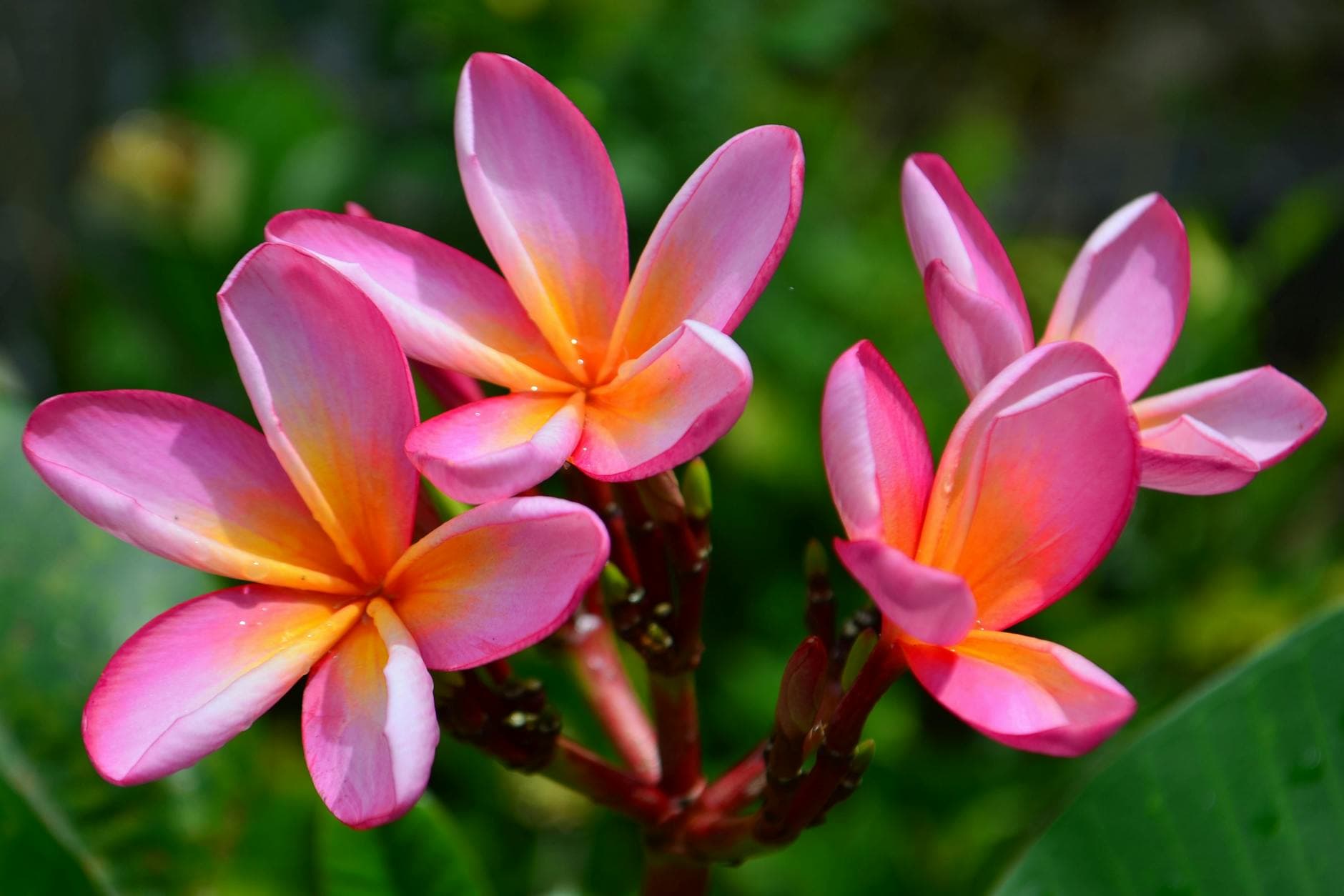
After two cliffside stops, the plumeria farm is a soft, fragrant palate cleanser — sweet blooms, dappled shade, and handmade lei and crafts laid out on weathered tables. It's low-key enough that restless teens can wander and take their own photos while parents linger over the craftwork; a nice low-stakes moment of independence for the group to split up for a bit.
The day opens gently with two angles on East Molokai's most staggering sight: the sea cliffs above Kalaupapa. Arriving early means empty overlooks, howling trade winds, and a view down nearly 2,000 feet to a peninsula that feels suspended outside of time — a good, grounding way to ease the group into island rhythm without any real exertion.
Midday shifts from drama to fragrance at the Molokai Plumeria Farm, where the pace slows further still. It's an easy stop to let teens roam independently among the blooms and craft tables while adults browse at their own speed — nobody's rushed, nothing's strenuous, and everyone gets a little room to breathe after the morning's cliffside wonder.
With no restaurant data mapped for this remote stretch, plan the evening around whatever's available back near your lodging — pack a casual dinner or ask locally for current options, since this part of the island keeps business hours short and unpredictable. Wind down early; tomorrow's valley hike calls for rested legs.
Day 2: Into the Jungle Cathedral
A full-day waterfall hike through Halawa Valley, covering roughly 4–5 miles of moderate, uneven trail with a swimming reward at the end.
This is the day's main event, and starting at 7:30am means hitting the trail before the moderate morning crowd (7–9am) even fully arrives, with the valley nearly silent except for birdsong and running water. The trail winds through fern-draped jungle, crossing cold mountain streams underfoot, before opening to the base of a waterfall pool perfect for a well-earned swim. It's a legitimately adventurous day for teens — real scrambling, real water, real payoff — while still being manageable with breaks for families hiking together; budget extra time for river play and photo stops along the way.
The valley announces itself before you even reach the trailhead — the air turns thick and green, the road narrows to a single lane swallowed by jungle, and the sound of water starts long before you see it. Starting early keeps the trail quiet and the heat manageable; the hike itself is a genuine adventure, with stream crossings, root-tangled paths, and glimpses of waterfall through the canopy that build anticipation with every switchback.
The reward arrives all at once: a waterfall pool, cold and startlingly clear, tucked at the base of towering rock walls draped in fern. This is the moment to let everyone — teens especially — swim, splash, and decompress after the climb in. Pack lunch for the trail itself since dining options near Halawa are essentially nonexistent; plan to eat on the move or back near your lodging once you're out.
The drive back out of the valley feels different than the drive in — slower, quieter, everyone a little sun-worn and satisfied. With no mapped dining nearby, keep dinner simple and close to home; this is a good night for an early wind-down after a legitimately full-body day.
Day 3: Slow Goodbye to the Windward Edge
A relaxed final day revisiting the East End Scenic Loop's overlooks at better light, with easy walking under 2 miles total.
One more early visit to the overlook, this time with golden morning light raking across the cliffs — arriving by 7:30am all but guarantees solitude, and after yesterday's jungle immersion, the open-air vastness here feels like an entirely different kind of awe. It's a fitting bookend: the trip opened with this view, and closes with it too, but in warmer light and with the valley hike now part of everyone's shared memory.
A lighter, second visit if the first stop left anyone wanting a lei or last-minute gift — the farm is unhurried enough to make a relaxed final errand, and teens who want a few minutes of independent wandering can do so easily here while parents finish any shopping.
The final morning returns to where the trip began, but everything feels different in low golden light — quieter, warmer, more reflective. This is less about new discovery and more about letting the scale of the place settle in one last time before heading toward the airport.
A short, easy stop at the plumeria farm rounds things out with something soft and fragrant rather than dramatic — a gentle note to end on, with room for a last bit of teen independence while browsing or picking out a lei to take home.
With travel logistics likely dictating the rest of the day, keep plans flexible and simple — this corner of Molokai doesn't do rushed goodbyes well, so leave buffer time before any flight and let the last hours move at the same unhurried pace as the rest of the trip.
Want to tweak this trip?
Our AI planner can customize this itinerary to your exact dates, interests, and travel style.
Customize This ItineraryRestaurant and vendor details (hours, menus, availability) change frequently on Molokai, especially given limited infrastructure — check current status before visiting.
Dietary compatibility tags are general guidance. If you have severe allergies, confirm directly with any vendor or restaurant before ordering.
Travel tips are general guidance, not professional safety advice. Check current trail, weather, and ocean conditions before any hike or swim.
All prices are approximate and may vary seasonally.