Clearwater River Region (Orofino, Kamiah), Idaho
5-Day Itinerary for Teen Families
“Frozen Rapids & Quiet Canyons: A Winter Week on the Clearwater”

Winter strips this canyon country down to its bones — steam rising off the reservoir, frost furring the pines, the Lochsa running dark and low between snow-capped granite walls. This is a trip for families who'd rather have a dam overlook to themselves at 8am than fight crowds anywhere, and teens who'll actually put the phone down when the river starts roaring.
At a Glance
Highlights
- Standing beneath 717 feet of concrete at a near-empty Dworshak Dam overlook
- Tracing Nez Perce history through interpretive trails dusted in snow
- Watching mist rise off the Lochsa's winter rapids from canyon-wide viewpoints
- Hearty, no-frills small-town dinners after full days outdoors
- Wide-open, elbow-room solitude that summer crowds never allow
- Golden hour light hitting frozen canyon walls along US-12
- A slower, screen-light pace that still keeps teens engaged
Day-by-Day Plan
Day 1: Settling In at the Foot of the Dam
A gentle first day easing into the region with one major stop and plenty of downtime — under 2 miles of walking, low energy demand.
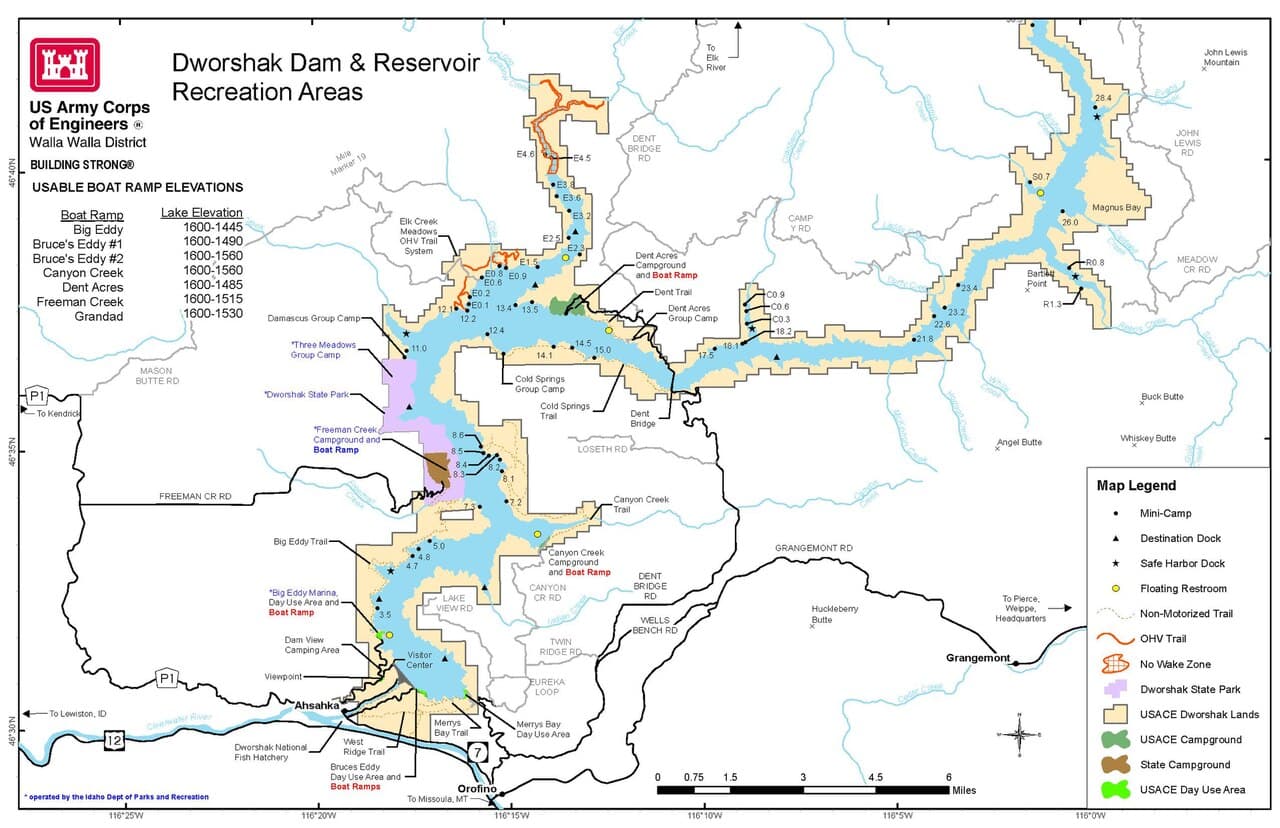
After settling into Orofino, ease into the trip with the region's most dramatic engineering spectacle — 717 feet of gray concrete rising out of a snow-dusted canyon, spillways rumbling even in the quiet of winter. Kids and teens alike tend to underestimate the scale until they're standing at the overlook; the mist rising off the water in the cold air adds a genuinely cinematic touch. Arrive by mid-afternoon and the light angles nicely across the dam face, with almost no other visitors around this time of year.
Travel day — expect several hours of driving in from Spokane or Boise. Take it slow through the final stretch into Orofino, letting the kids doze or take in the increasingly rugged, snow-frosted scenery as the highway narrows toward the Clearwater.
Check into your Orofino lodging, then head out for a low-key first outing at Dworshak Dam. This is less about ticking off a bucket-list attraction and more about stretching legs after the drive and getting a first real look at the scale of this place — the reservoir stretching back into forested hills, the dam itself looming with quiet power.
Keep dinner simple and early — most places in town wind down by 6pm in winter, so aim to be seated well before then. Let the group decompress; this is a night for warm food, warm rooms, and an early bedtime ahead of a fuller day tomorrow.
Day 2: History Underfoot in the Kamiah Basin
A moderate day centered on Nez Perce National Historical Park, with light walking (under 2 miles) and a strong storytelling focus.
Arrive right at opening and the museum halls are yours — no shuffling crowds, just the hush of history and the low light through canyon-facing windows. This is sacred ground for the Nez Perce, and the exhibits carry real weight: interpretive markers, stone cairns, and a walking trail overlooking the river far below. For teens, the resistance narrative and land-rights history tend to land harder than expected; for younger family members, the museum's tactile exhibits and shorter loop trail keep things moving without dragging.
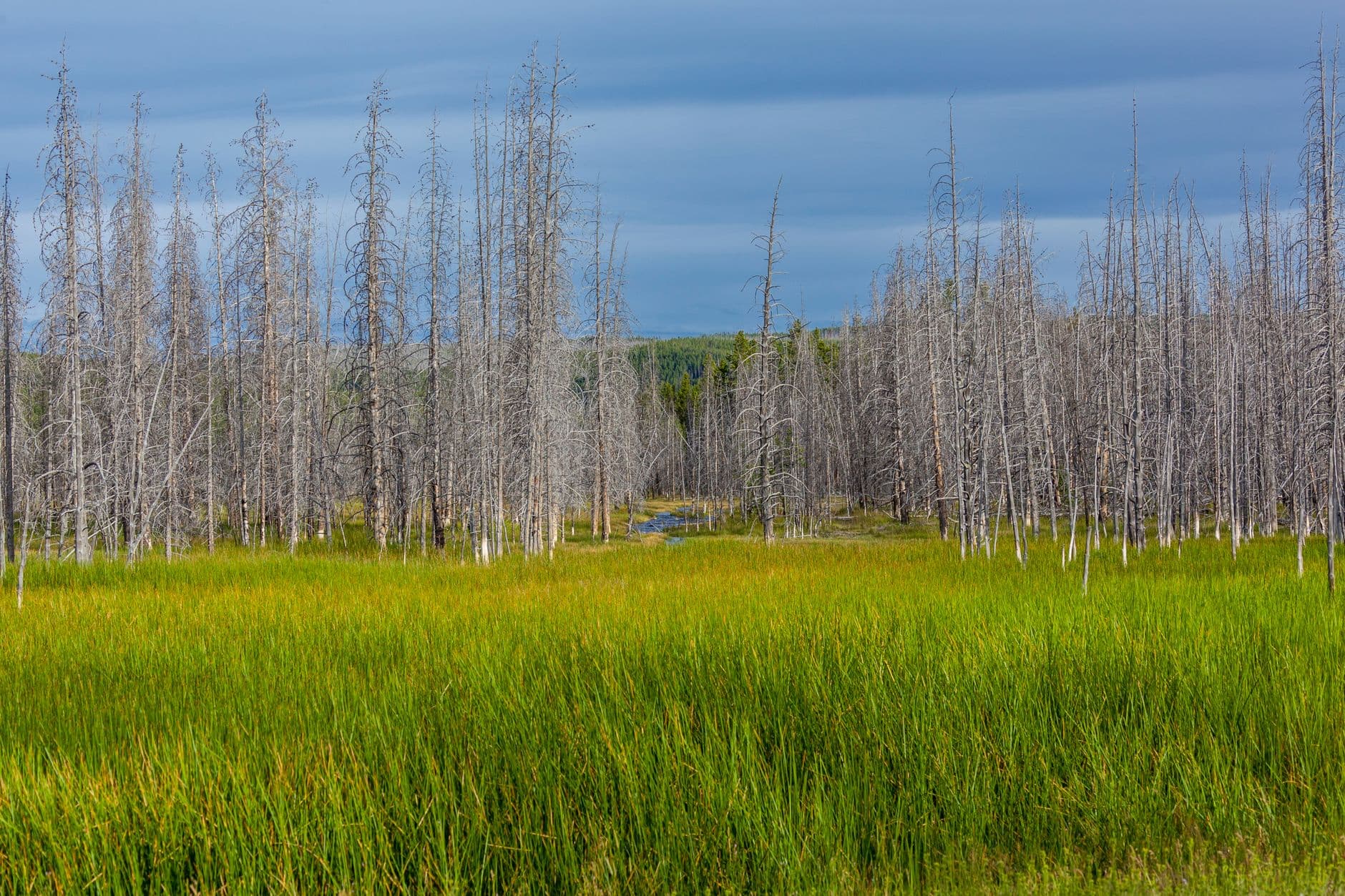
Head to Kamiah for a deep dive into Nez Perce history at the national historical park. Budget a full two hours — the museum's exhibits reward unhurried attention, and the outdoor trail (weather permitting) adds context you won't get indoors. This is the day's cognitive centerpiece, so tackle it fresh in the morning.
After the museum, keep the pace light. Wander Kamiah's quiet main streets, let teens have a bit of independent time browsing shops or grabbing a snack while parents regroup, and take in the small-town rhythm of a community still tied closely to its logging and river heritage.
Head back toward Orofino (or stay in Kamiah if lodging there) for an early, hearty dinner — expect straightforward comfort food and no-frills hospitality. Wind down early; tomorrow's push to the Lochsa corridor benefits from a well-rested start.
Day 3: Into the Frozen Canyon of the Lochsa
The trip's most adventurous day — scenic driving and canyon viewpoints along the Lochsa corridor, roughly 2-3 miles of combined walking at overlooks.
In winter, this stretch of US-12 turns almost eerily quiet — a landscape of granite walls, snow-laced pines, and a river running dark and swollen between icy banks. This is car-viewpoint territory this time of year rather than a float trip, but the sensory payoff is still huge: thundering rapids, cold spray in the air, the acrid mineral smell of wild river water. Stop at the mile marker 142 overlook for the full canyon-wide vista, then continue toward the Powell-Lowell turnouts for closer whitewater detail. Arrive early and you'll have every pullout to yourselves — by midday, if any other travelers pass through, it's still nowhere close to summer crowds.
Depart early for the Lochsa corridor — this is a longer drive day, so pack snacks and warm drinks for the road. The payoff is a canyon that feels genuinely wild in winter: granite walls dusted with snow, the river running loud and cold below, absolutely no crowds to share it with.
Spend the midday hours working your way along US-12's key overlooks rather than rushing straight through — this is a scenic-drive day more than a hiking day given winter conditions, but the stops themselves deliver real drama. Keep outdoor time at each pullout brief given the cold, layering up before stepping out and warming back up in the car between stops.
Begin the drive back toward Orofino or Kamiah with enough daylight buffer to avoid icy roads after dark. Plan for an early dinner on arrival — after a long day in the cold, a hearty, simple meal and an early night will feel well earned.
Day 4: Slow Mornings and Open Water
A lighter recovery day balancing a return visit to the dam corridor with unstructured town time — under 2 miles of walking, low-to-moderate energy.
A second, quieter look at the dam works well this early — arrive by 8am and the overlook is entirely yours, frost still clinging to the railings and mist curling off the reservoir in the cold morning air. This time around, let teens set the pace: some will want ten minutes and a photo, others might want to linger and take in the sheer scale again. It's a good low-effort anchor for a day that's otherwise meant to be unhurried.
Ease into the day with an early, quiet return to the Dworshak Dam overlook — this time with no agenda beyond enjoying the stillness. It's less about seeing something new and more about giving the trip room to breathe after yesterday's longer push into the Lochsa corridor.
Give the group real autonomy this afternoon: let teens wander Orofino's main strip independently for an hour or so while parents regroup, grab supplies, or simply rest. This is intentionally the lightest block of the whole itinerary — a deliberate pace-break built for a multi-generational winter trip.
Settle into an early, relaxed dinner in town — nothing elaborate, just good, hearty food and unhurried conversation. With one full day left, an early night sets everyone up well for a final active stretch tomorrow.
Day 5: Last Light on the Canyon
A shorter final day combining a last visit to a favorite stop with departure logistics — minimal walking, low energy to accommodate travel.
One last stop before the long drive out — a brief, quiet farewell to the dam that anchored the whole trip. In the cold, clear light of a winter morning, the scale of the place still lands, even on a third visit; it's a fitting bookend rather than a new discovery, giving the group a final shared moment before the highway takes over.
Keep the final morning short and simple — a brief return to Dworshak Dam for one last look, weather permitting, followed by checking out of lodging and beginning the drive toward Spokane or Boise.
The bulk of the day is travel — settle in for the multi-hour drive out of the region, watching the canyon country gradually give way to open highway. Use this time to let the trip settle in everyone's memory before the airport bustle takes over.
Arrive at your departure airport with buffer time before your flight; if the schedule allows, a final quick meal near the airport makes a fitting, low-key close to a trip built on quiet, cold-weather solitude rather than crowds and rush.
Want to tweak this trip?
Our AI planner can customize this itinerary to your exact dates, interests, and travel style.
Customize This ItineraryRestaurant details (hours, menus, availability) change frequently, especially in small winter-season towns. Check current hours before visiting.
Dietary compatibility tags are general guidance. If you have severe allergies, confirm directly with the restaurant.
Travel tips are general guidance, not professional safety advice. Check government advisories and Idaho DOT road conditions before winter travel.
All prices are approximate and may vary seasonally.