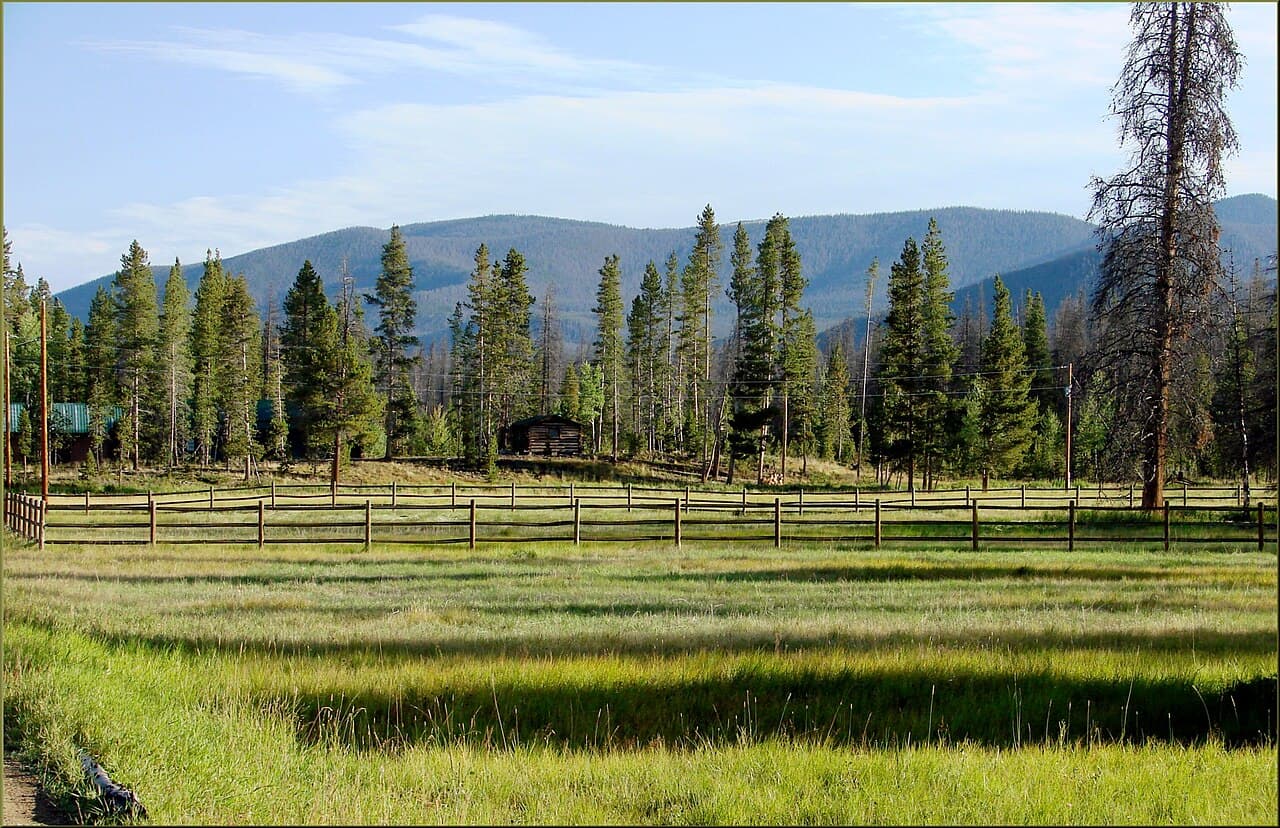
Craters of the Moon NM (Arco), Idaho
3-Day Itinerary for Couples
“Black Rock, Bright Sky: 3 Days in Craters of the Moon”
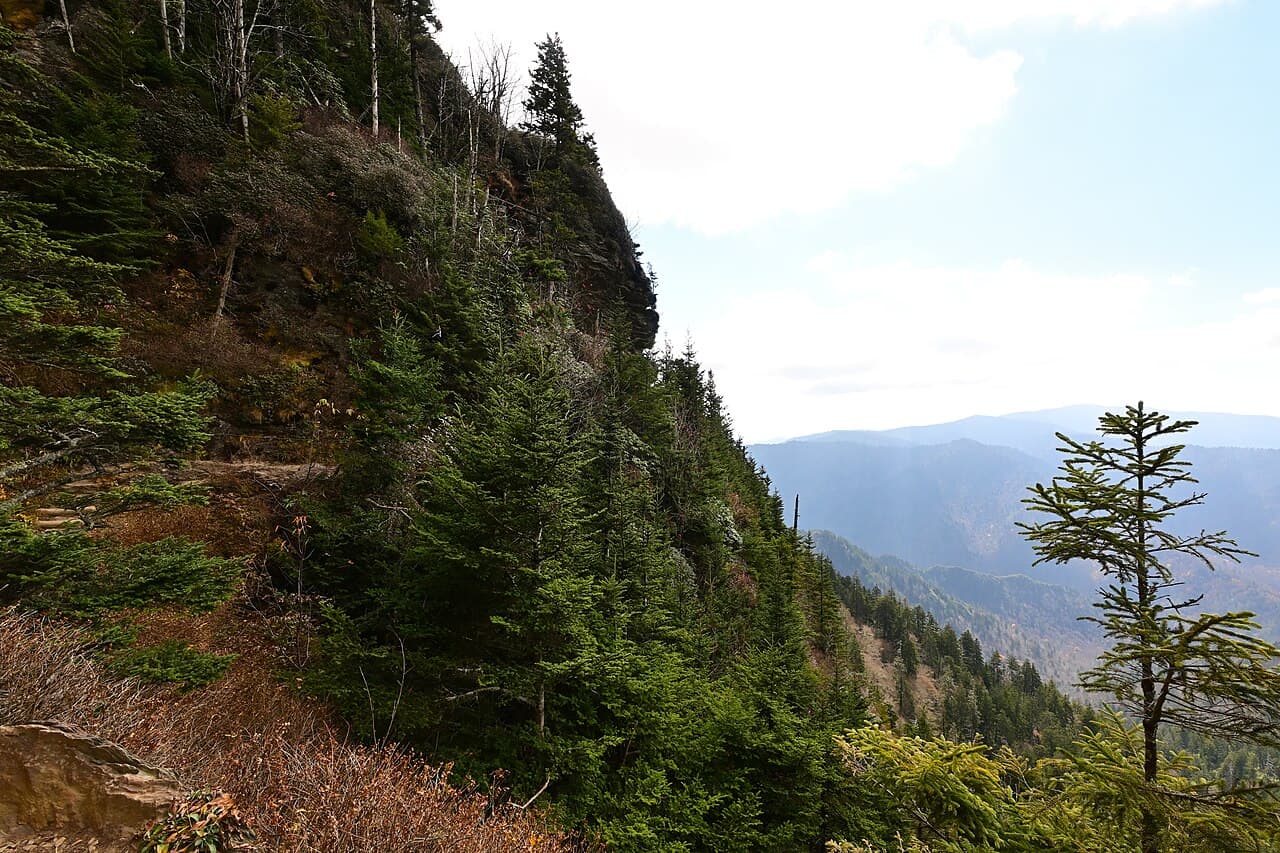
Out here the earth still looks freshly wounded — black rivers of stone frozen mid-flow, cinder cones rising like ash-dark waves against an endless desert sky. This is a landscape built for two people to go quiet together, to climb a cone hand in hand and watch the light change on something that looks like nowhere else on the planet.
At a Glance
Highlights
- Sunrise climb up Inferno Cone with the lava field turning gold below
- Slow 7-mile scenic drive through a sea of black rock, no hiking required
- Descending into cool lava tube caves after a morning in desert heat
- Golden-hour photography at Big Craters with shadows stretching across the crater bowl
- Quiet, star-heavy nights with almost no light pollution for miles
- Intimate small-town Idaho dinners in Arco after a day among the lava fields
Day-by-Day Plan
Day 1: Arrival and First Light on the Lava
A gentle arrival day centered on the Visitor Center and the low-effort, high-reward Loop Drive, covering under 2 miles of walking total.
Start soft: cool climate-controlled air, the hush of your own footsteps on polished floors, and a relief map that makes sense of the black chaos you're about to enter. It's the ideal low-key orientation after a long drive in, and the exhibits give you both a shared vocabulary for the strange terrain ahead.
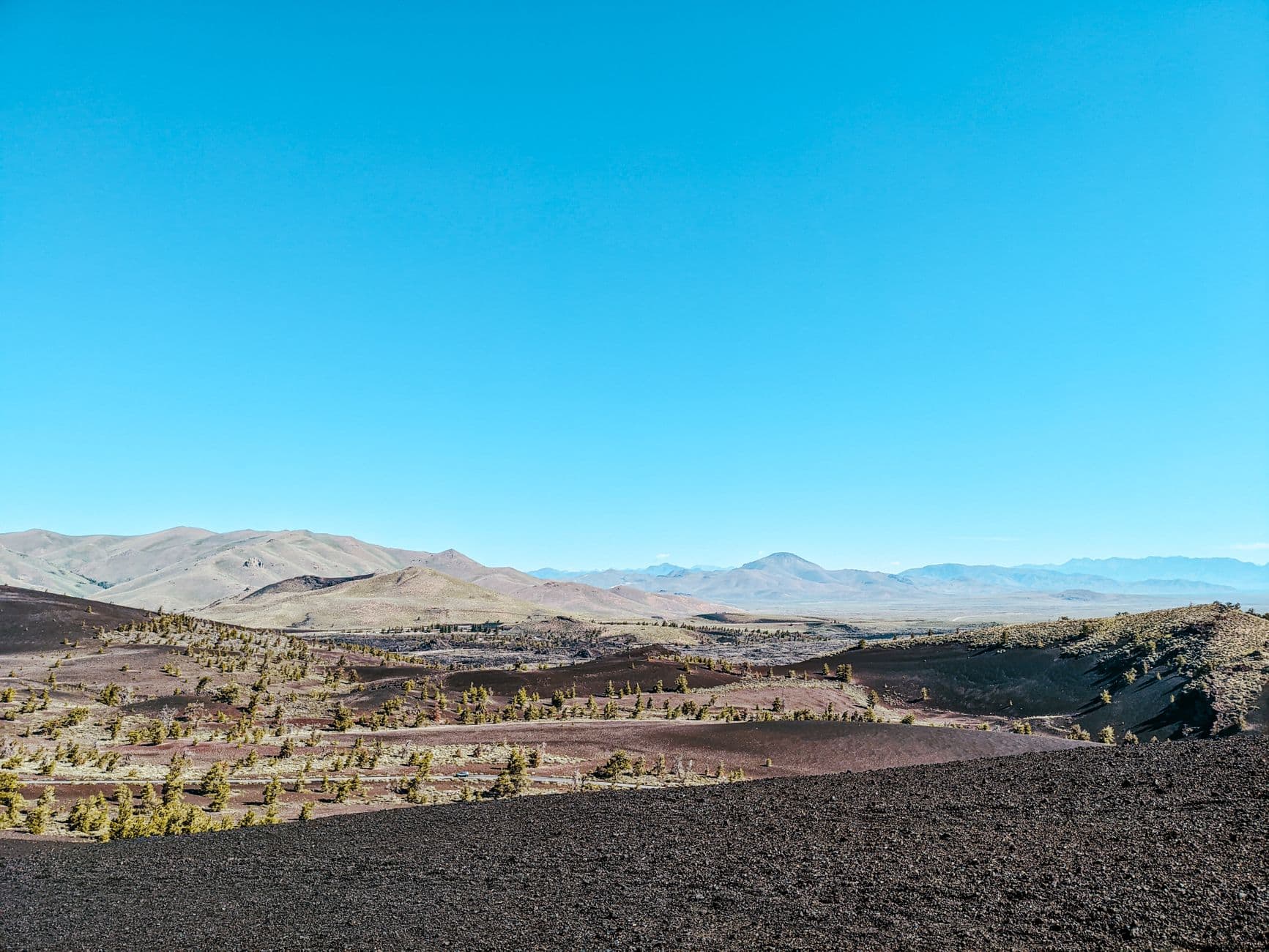
No hiking required — just windows down, gravel crunching at pullouts, and mile after mile of black rock rolling toward the horizon. It's an easy, romantic way to take in the scale of the place together without pushing your bodies on day one, stopping wherever the light or the silence pulls you.

Ease into the strangeness of this place at the Visitor Center, where cool air and quiet exhibits let you get your bearings before the heat and the black rock outside. It's an unhurried, undemanding start — no boots to break in, no elevation to fight, just two people and a relief map trying to understand what they're about to walk into.
From here, the Loop Drive does the heavy lifting. Windows down, radio off, you'll drift past pullout after pullout of jagged basalt fields with almost no walking required — a gentle, scenic way to log your first real look at the lava country before committing to trails tomorrow.
Head back into Arco as the light softens, settling in for an easy dinner and an early night. The small-town rhythm here means restaurants close early, so plan to eat by 7 or 7:30pm, then find a dark patch of sky — the stars this far from anything are worth stepping outside for before bed.
Day 2: Cinder Cone Sunrise and Rift Zone Wandering
The most physically active day, combining an early cinder-cone climb with a moderate rift-zone trail, totaling roughly 3 miles of walking on uneven volcanic terrain.
Arrive by 7:30am and the cone is nearly yours alone — just wind, crunching pumice underfoot, and a 360-degree view across a black sea of frozen lava. Climbing this together at first light, before the sun turns brutal, is the kind of shared, slightly breathless moment that photographs and remembers well.

A different texture of volcanic drama here — narrower trail, closer engagement with cinder cones and lava tubes, and the kind of solitude broken only by a raven overhead. It's a good pairing after the open-air climb of Inferno Cone, offering intimacy rather than spectacle.

Save this one for the golden hour, when the black and rust-red lava walls catch long light and the crater bowl fills with shadow. It's the most intense trail of the day, so tackle it once the heat has broken — a dramatic, slightly otherworldly finish that feels made for two people who like their romance a little wild.

Begin before the heat arrives, climbing Inferno Cone together while the light is still low and gold and the trail nearly empty. It's a short, invigorating climb that rewards you almost immediately with a panorama few midday visitors get to see without the crowd.
After a picnic break to wait out the day's peak heat, shift into the more textured, exploratory terrain of North Crater Trail — narrower, quieter, and rich with intimate volcanic detail. As the sun softens toward evening, move to Big Craters Trail for the day's most dramatic finish, timed for the long shadows and rust-colored light of golden hour.
Head back into town with sun-tired legs and appetites to match — this is the night to treat yourselves to the trip's splurge dinner in Arco, something with a real wine list and a slower pace than the trail. Let the day's intensity settle over a good meal before an early return to rest.
Day 3: Cool Caves and a Slow Goodbye
A lighter final day exploring the cave system's cool underground passages, followed by an easy, reflective farewell drive, totaling under 2 miles of walking.
Arrive early and the cave entrances feel almost secret — cool air spilling out of dark openings, the black rock underfoot still holding the night's chill. Descending together into the lava tubes after two days on the surface feels like discovering the landscape's hidden, quieter half, an intimate contrast to yesterday's exposed cinder cones.
A final, easy return to the Visitor Center to pick up any last souvenirs, use the restrooms, and reflect over the exhibits with fresh eyes now that you've actually walked the terrain they describe. It's a gentle bookend to the trip, cool and unhurried before the drive out.
Spend the cool early hours underground, ducking into lava tubes where the temperature drops and the light turns dim and strange. It's a fitting, quieter counterpoint to the open, sunbaked drama of the last two days — a chance to feel the monument's hidden dimension before you leave.
Ease out of the trip with a final, unhurried stop at the Visitor Center, letting the exhibits click into place now that you've walked the lava fields yourselves. There's little pressure here — just a slow wind-down before pointing the car back toward Arco or onward to the airport.
With the monument behind you, the evening is really about the drive out — golden desert light stretching long across the highway, a last look in the rearview mirror at the black cones fading into the horizon, and the quiet satisfaction of having shared something genuinely strange and beautiful together.
Want to tweak this trip?
Our AI planner can customize this itinerary to your exact dates, interests, and travel style.
Customize This ItineraryRestaurant details (hours, menus, availability) change frequently, especially in small towns like Arco and Carey — check current hours before visiting.
Dietary compatibility tags are general guidance. If you have severe allergies, confirm directly with the restaurant before ordering.
Travel tips are general guidance, not professional safety advice. Check current park conditions and weather advisories before entering the monument.
All prices are approximate and may vary seasonally; confirm current entrance fees and local pricing before your trip.
Attractions in This Itinerary
More Itineraries for Craters of the Moon NM (Arco)
Explore Idaho