Payette River Region (Crouch, Garden Valley), Idaho
4-Day Itinerary for Teen Families
“Steam, Snow & Slow Water: 4 Winter Days in the Payette River Region”

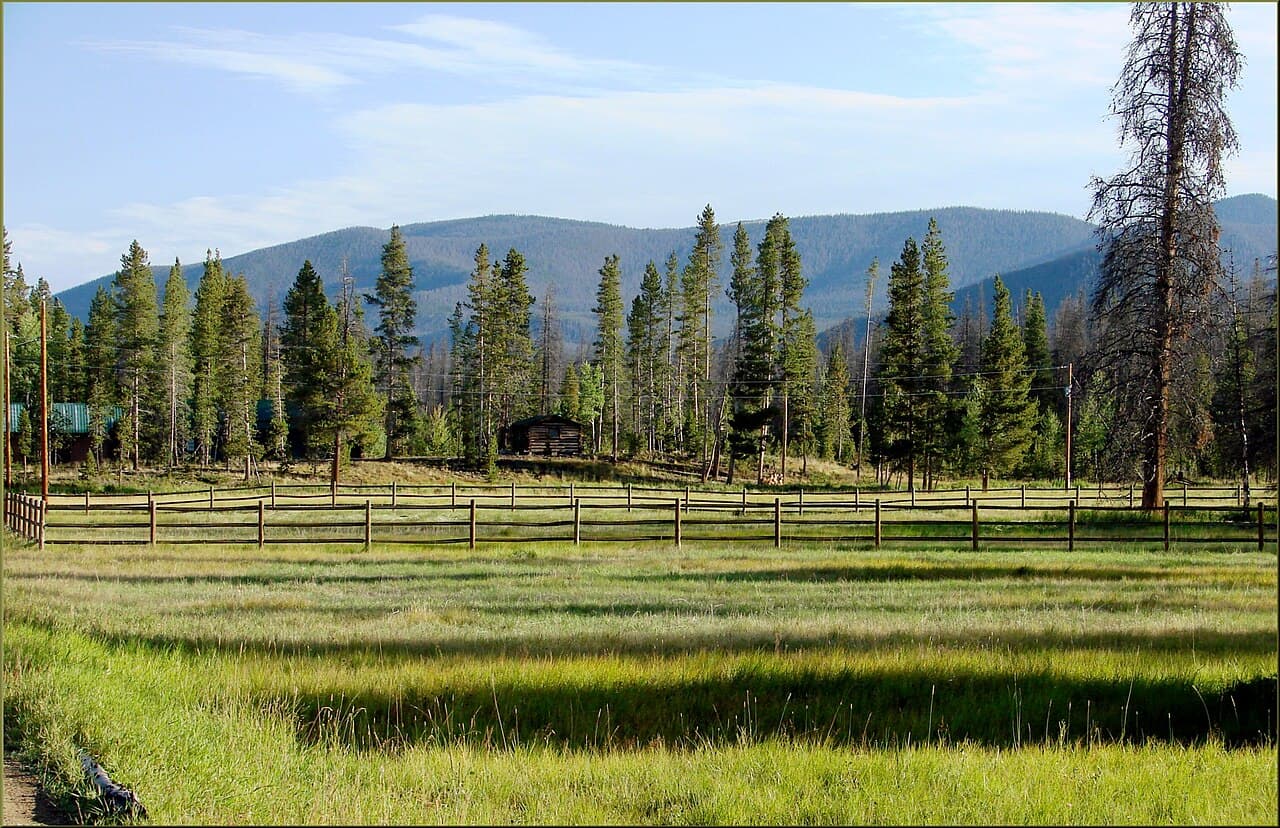
Snow presses the ponderosa branches low over a quiet canyon road, and the only sound for miles is river water still moving beneath a skin of ice. This is the Payette River Region in winter — steam rising off remote hot springs, sparse crowds, and a slower kind of adventure built for families who want space to breathe together.
At a Glance
Highlights
- Soaking in steaming mineral pools while snow falls around you
- Watching teens spot elk tracks along a quiet, snow-hushed creek trail
- Sunrise steam photography at Gold Fork with almost nobody else around
- Hearty lodge meals in Crouch and Garden Valley after a cold day outside
- A true digital slowdown — spotty signal forces real conversations
- Winter light on granite canyon walls above the frozen river's edge
- Small-town evenings with woodstoves, board games, and early bedtimes
Day-by-Day Plan
Day 1: Arrival & First Steam at Gold Fork
A gentle arrival day with one easy stop — about 1 mile of walking total, low physical exertion, mostly settling into the mountain quiet.
After the two-hour drive from Boise, this is the release valve: steaming mineral pools terraced along Gold Fork Creek, snow dusting the pine boughs overhead, granite walls rising close and quiet. Teens will find the multiple pool levels appealing — cooler ones to dip a toe, hotter ones to fully sink into after a long car ride. Arrive by 2pm on a winter weekday and you'll likely have entire pools to yourselves.

Morning is largely consumed by the drive up from Boise — budget the full two hours on ID-55, with the road narrowing and climbing as pine forest closes in around the car. Stop for gas and groceries in Garden Valley before continuing, since services thin out fast beyond town.
By early afternoon you're easing into Gold Fork's terraced pools, the cold air biting at bare skin before the mineral water swallows the chill. This is intentionally low-key — no itinerary pressure, just soaking, snow-watching, and a first taste of the region's quiet.
Settle into your lodge in Crouch or Garden Valley as the light fails early — by 5:30pm it's full dark in January. Expect a simple, hearty dinner and an early night; there's little nightlife here, and the quiet is the point.
Day 2: Deep Soak, Slow Trail
A fuller day centered on Gold Fork Creek Trail and a return soak — roughly 3-4 miles of walking, moderate energy with built-in rest.
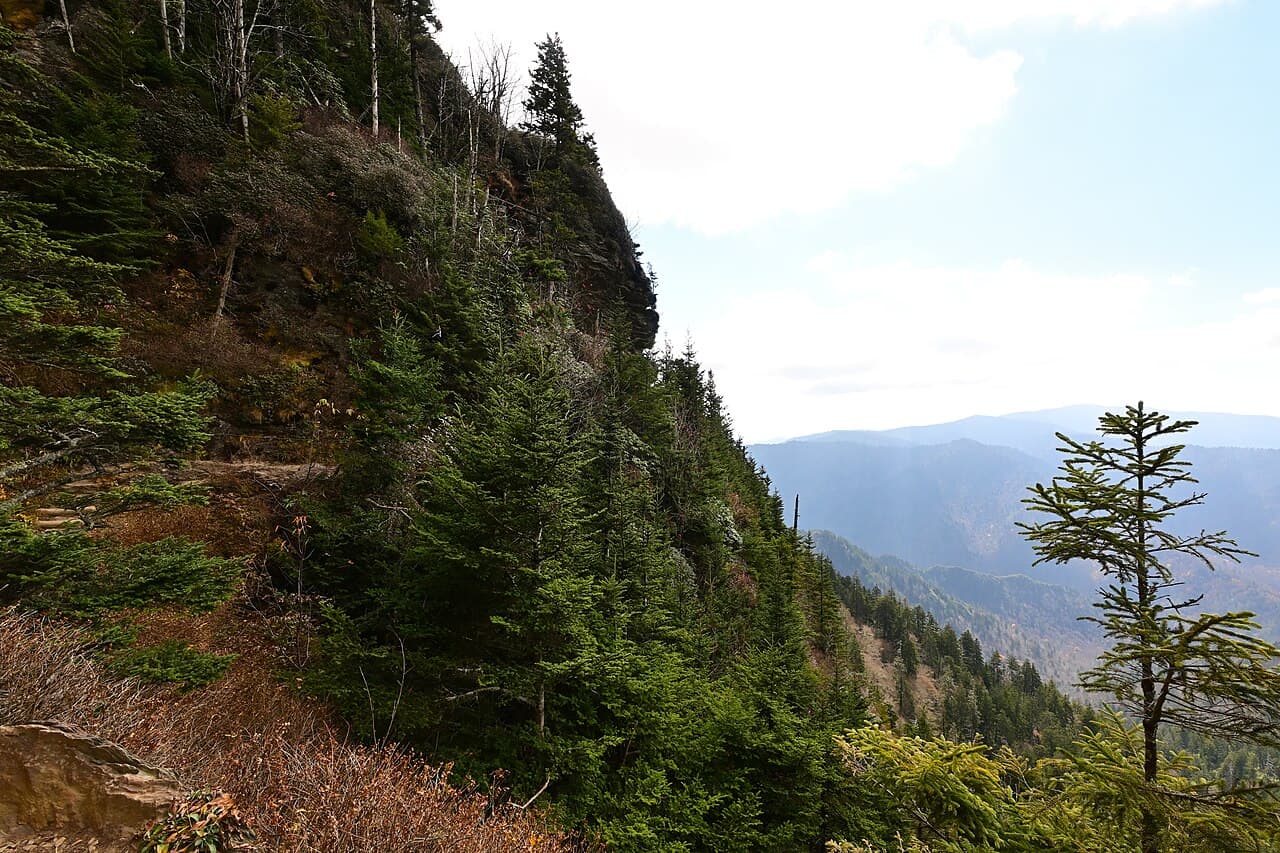
The trail follows cold creek water over smooth stones, moss clinging to snow-dusted banks, and every so often a curl of geothermal mist rising unexpectedly from the forest floor. Teens tend to enjoy the scramble over rocky mid-trail outcrops, while younger siblings can be content spotting animal tracks in fresh snow. Arrive by 9am for the quietest trail conditions and best light through bare branches.

After the trail's chill and exertion, the return to Gold Fork's pools feels earned — tired legs sinking into warm mineral water while Gold Fork Creek rushes past below. This second visit tends to feel different from Day 1's arrival soak: more relaxed, less novel, more like a ritual. Teens often gravitate to the upper pools near the overhanging pines for a bit of separation from parents.
The morning belongs to Gold Fork Creek Trail, where cold air and the smell of wet earth and faint sulfur mix underfoot. Pace is unhurried — plenty of stops for photos, snow-track spotting, and letting teens range a little ahead on straightaways while staying within earshot.
After a packed lunch or light bite back at the trailhead, the group shifts gears entirely — from movement to stillness — heading back into Gold Fork's warm water for a second, more relaxed soak as afternoon light softens over the canyon.
Dinner back in town is simple and warming — expect comfort food built for people who've spent the day outside in the cold. Conversation tends to slow down here; it's a good night for board games or just quiet by a woodstove.
Day 3: Canyon Quiet at the Payette
A scenic, lower-exertion day exploring the Payette River corridor in winter form — under 2 miles of walking, moderate cold-weather energy.
In winter, the Payette isn't a place to paddle — it's a place to stand at the canyon overlook near Crouch and watch the water move slate-gray and slow beneath ice fringes, granite cliffs stark against a dusting of snow. This is less about activity and more about scale: the roar is quieter in winter, replaced by an almost eerie hush that makes the canyon feel enormous. Arrive by 9:30am for soft light and near-total solitude — this spot draws crowds only in summer.
Morning centers on the Payette River corridor in its quiet winter form — no rafts, no whitewater roar, just the hush of a frozen-edged river beneath towering granite. It's a good morning for slower conversation, teens setting their own pace along the overlook trail, parents pointing out ice formations and eagle sightings.
With the main activity light in energy, afternoon opens up for flexibility — a stroll through Crouch's small village center, a stop at the general store for hot cocoa supplies, or simply extra downtime back at the lodge. This is the day to let the pace breathe.
Dinner tonight can be a bit more festive — perhaps board games afterward, or an early stargazing walk outside the lodge if skies are clear, since light pollution here is minimal and winter skies are often crisp and star-dense.
Day 4: Last Light on the Mountain
A lighter final day blending a last soak with departure logistics — under 2 miles walking, low-to-moderate energy to ease the transition home.
One last soak before the long drive back to Boise — a shorter, quieter visit that lets the trip end on warmth rather than packing stress. Morning light through the pines is especially soft here, and with almost no one else around, it's an easy, unhurried close to the trip. This is a good moment for teens to reflect on trip highlights without the distraction of phones, since signal remains thin.

The final morning is intentionally unhurried — one last soak at Gold Fork, steam curling into cold air, before the practical business of packing up and checking out. It's less about seeing something new and more about savoring what's already become familiar.
By midday, the group is on the road back toward Boise, retracing ID-55 as the mountains gradually give way to foothills and city outskirts. A stop in Garden Valley for gas, snacks, or last-minute supplies is worthwhile before the two-hour drive begins in earnest.
Plan to arrive back in Boise before full dark, given winter's early sunset — this leaves room for a final family dinner in the city or a simple meal before flights or the longer drive home, closing out a trip defined more by quiet than spectacle.
Want to tweak this trip?
Our AI planner can customize this itinerary to your exact dates, interests, and travel style.
Customize This ItineraryRestaurant details (hours, menus, availability) change frequently, and this remote region has especially limited mapped dining options in winter — always confirm before traveling and consider that some local spots may not appear in standard databases.
Dietary compatibility tags are general guidance. If you have severe allergies, confirm directly with any restaurant or lodge kitchen before ordering.
Travel tips are general guidance, not professional safety advice, especially regarding winter road conditions and backcountry access. Check current Idaho road and weather advisories before departure.
All prices are approximate and may vary seasonally; winter off-season rates are typically lower than summer river-season pricing.