Great North Woods, New Hampshire
5-Day Itinerary for Teen Families
“Frozen Silence: 5 Days on Lake Umbagog”
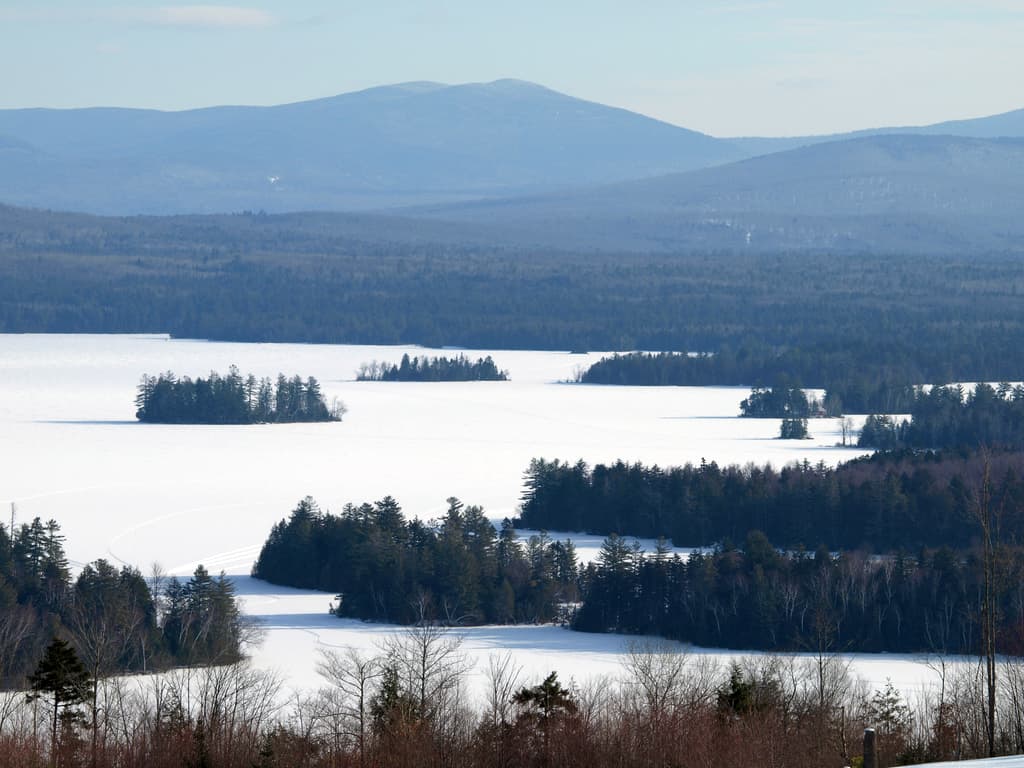
Out here, winter doesn't whisper — it settles in like a held breath, turning Lake Umbagog into a sheet of pale glass ringed by black spruce. This is a trip for families who don't mind bundling up for silence so complete you can hear your own pulse, and for teens who'll actually put the phone down when a moose steps out of the treeline at dusk.
At a Glance
Highlights
- Sunrise stillness over a frozen Lake Umbagog
- Moose-tracking at dawn and dusk along quiet forest roads
- Small-town New England comfort food after cold-weather adventures
- Star-soaked, light-pollution-free nights
- Slow, screen-free family time built around wilderness rhythm
- Snowshoeing and lake-edge exploration with real teen autonomy
Day-by-Day Plan
Day 1: Arrival & First Breath of the North Woods
A light arrival day easing into the region's slow rhythm, with under a mile of easy walking and a first, low-key encounter with Lake Umbagog's winter stillness.
After the long drive north, this is the reset button: a short walk to the shoreline where the lake lies frozen and silent, rimmed by dark spruce-fir forest that seems to swallow sound whole. Kids and teens alike tend to go quiet here — there's something about the scale of the emptiness that does that. Keep this visit short and unhurried; it's an introduction, not the main event (you'll return with more energy on Day 2).
Today is largely about the drive north — from Manchester or Boston, the highway narrows and the towns thin out as the Great North Woods opens up around you. Expect the landscape to shift visibly: strip malls give way to unbroken tree lines, and cell bars start to disappear. Take it slow, especially if roads are icy, and treat the drive itself as the first part of the adventure.
By early-to-mid afternoon, you'll want to shake off the car with a short, easy visit to Lake Umbagog — just enough to feel the scale and silence of the place without overloading anyone after a long travel day. This is a look-and-breathe stop, not an itinerary highlight; save the paddling, hiking, and photography for when everyone's rested.
Settle into your lodging early. Dinner options in this region close early and are limited in variety, so plan for a simple, warming meal and an early night — the cold and the dark arrive fast up here, and the quiet takes some getting used to. Consider stepping outside briefly before bed; on a clear night, the stars alone are worth the chill.
Day 2: Dawn Stillness on Frozen Water
A full day centered on Lake Umbagog's winter landscape, combining an early wildlife-watching window with a longer midday exploration — roughly 2-3 miles of walking on uneven, snowy terrain.
Arrive at first light and the lake belongs almost entirely to you — this is the golden window locals know well: mist rising (or ice fog in deep winter), the faint groan of shifting lake ice, and if you're lucky, a moose moving along the treeline at the water's edge. By 9am, even the modest winter traffic here starts to pick up. This is peak territory for teens with cameras — the stillness photographs like nowhere else in New England.
After a break to warm up, return for the heart of the day's exploration — a longer, easier-paced walk along accessible viewpoints and a picnic lunch with a view, weather permitting. This is the moment for a bit of teen autonomy: let older kids range ahead on marked, safe stretches while the group reconvenes at a lookout point. The scale of the surrounding forest and mountains becomes fully visible in daylight in a way the dawn light doesn't reveal.
Set an early alarm — the payoff for dragging teens out of bed before sunrise is a lake that feels genuinely undiscovered, wrapped in a silence that's almost startling after a day of highway driving. Loons are gone for winter, but the wail of wind through spruce and the occasional crack of shifting ice fills the same space. Watch the treeline quietly; dawn is prime moose territory.
After warming up with something hot, head back out for a longer, more relaxed session at the lake — this is the day's centerpiece, with more time to explore multiple viewpoints, take photos, and let the size of the place sink in. Pack a lunch, since dining options directly at the lake are essentially nonexistent — plan meals around your lodging or the towns rather than expecting anything at the trailhead.
By late afternoon, the light fades fast this far north, so plan to be off the ice and back in the car well before dusk. Dinner will again be an early, simple affair — embrace it as part of the region's slower rhythm rather than a limitation, and consider stepping outside after dark for a look at a sky genuinely free of light pollution.
Day 3: Deeper Into the Wilderness
A more adventurous day pushing further into Lake Umbagog's surrounding landscape, with snowshoeing-friendly terrain and roughly 3-4 miles of total movement across the day.
Today's version of the lake is quieter still — a weekday-style hush even if it's technically a weekend, since winter visitation here drops to almost nothing. This is the morning to attempt a short nature walk or snowshoe route along the accessible edges, with the whole family moving at a slower, more deliberate pace than yesterday. The forest itself becomes the story here: dense spruce-fir stands, animal tracks pressed into fresh snow, and the occasional flash of a bird against all that white.
The afternoon shifts toward a mountain overlook approach — the Magalloway Mountain viewpoints deliver a wide-angle payoff that rewards the effort of getting there in winter conditions. This is a good stretch for teens to take the lead with navigation (within sight of the group), building a bit of independence into an otherwise family-paced day. The view from up top, forest and frozen water stretching to the horizon, tends to be the single most-photographed moment of the trip.
With the group acclimated to the cold now, push a little further into the landscape — a slow nature walk or snowshoe session along the lake's quieter edges, where the forest presses in close and every sound (a branch cracking under snow load, a distant woodpecker) feels amplified by the silence. This is a good morning for teens to carry the trail map and lead short stretches.
After lunch, the day shifts toward elevation — a drive and short hike up toward the Magalloway Mountain overlooks, where the reward is a sweeping view over frozen water and endless forest. It's colder and windier up here, so time the visit for early-to-mid afternoon when the sun offers a bit of warmth, and don't linger too long at the top.
Back at the lodging by late afternoon, tired legs and cold faces make an early dinner especially welcome. This is a good night for low-key downtime — cards, hot drinks, maybe a walk outside to look at the stars before everyone turns in early, worn out in the good way.
Day 4: Slow Water, Wide Sky
A gentler day built around a shorter lake visit and unstructured time, with light walking (under 2 miles) to let bodies recover before the final day.
After three days of increasingly ambitious outings, dial it back today — a shorter, unhurried visit to a different stretch of shoreline, focused less on covering ground and more on simply being present. This is the moment for quieter conversations, a slower pace, and maybe letting teens wander a short, safe distance alone with a camera or journal. The lake looks different at this hour again — softer, later light than the dawn visits earlier in the trip.
Ease into the day with a shorter, quieter visit to the lake — no agenda beyond soaking in the place one more time before winding down toward departure. Let the pace be genuinely slow; this is recovery time built into the itinerary on purpose.
Keep the afternoon open and flexible — a good time to explore whatever nearby town you're based in, restock supplies, or simply rest indoors. Given how reduced winter hours are throughout the region, don't expect a packed schedule of options; the slowness is the point.
Make tonight the dedicated stargazing night if skies are clear — bundle up, step away from any exterior lights, and give eyes 15–20 minutes to adjust. Out here, away from any real light pollution, the sky reveals itself in a way most teens have genuinely never seen, and it tends to be the moment families talk about long after the trip ends.
Day 5: Last Light and the Road Home
A short final morning at the lake before the long drive south, with minimal walking to keep the day manageable around travel logistics.
One last early visit, timed for that same dawn stillness that opened the trip on Day 2 — a fitting bookend. Arrive by 7:30 and the lake will likely be entirely empty again, offering a final quiet moment before the drive back into the noise of the highway and everyday life. Many families find this the visit that sticks with them most, precisely because it's unhurried and unphotographed-for-the-sake-of-it.
Rise early one last time for a short, quiet farewell to the lake — the same dawn hush that made Day 2 memorable, now tinged with the bittersweetness of departure. Keep this visit brief and unstructured; it's a moment to breathe, not another item to check off.
By mid-morning, it's time to load the car and begin the long drive south toward Manchester or Boston. Roads may still carry overnight ice, so build in extra time and treat the drive itself as a decompression period after several days of deep quiet.
Depending on departure timing, evening may find the group still on the road or newly home — either way, expect the kind of tired that comes from real rest rather than exhaustion, and a lingering sense of quiet that takes a day or two to shake off.
Want to tweak this trip?
Our AI planner can customize this itinerary to your exact dates, interests, and travel style.
Customize This ItineraryRestaurant details (hours, menus, availability) change frequently, especially in winter when many establishments operate reduced schedules. Check current hours before visiting.
Dietary compatibility tags are general guidance. If you have severe allergies, confirm directly with the restaurant before ordering.
Travel tips are general guidance, not professional safety advice. Check government and local advisories for current road, weather, and wildlife conditions before heading out.
All prices are approximate estimates and may vary seasonally or by availability.