Great North Woods, New Hampshire
4-Day Itinerary for Teen Families
“Loon Calls & Still Water: 4 Days in the Great North Woods”
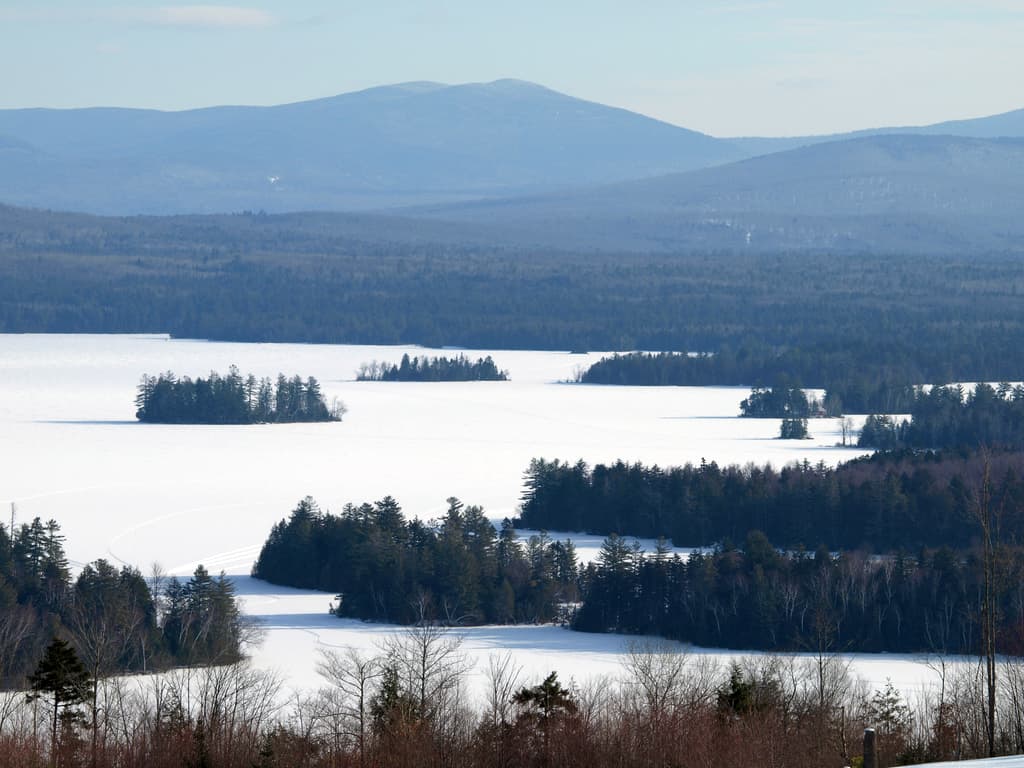
Out here the map goes quiet and the forest takes over — Lake Umbagog stretches glass-still at dawn, loons call across the water, and the loudest sound most afternoons is your own paddle dipping in and out. This is a trip for families craving actual disconnection: no crowds, no lines, just moose tracks, star-thick skies, and a lake big enough for everyone to find their own patch of silence.
At a Glance
Highlights
- Sunrise paddle on New Hampshire's most pristine lake
- Moose-spotting at dawn and dusk from the water's edge
- Golden-hour views from Magalloway Mountain overlooks
- Teen-approved kayak autonomy time on calm coves
- Star-drenched nights with almost zero light pollution
- Lakeside picnics with loon song as the soundtrack
- A genuine slow-down from screens and schedules
Day-by-Day Plan
Day 1: Arrival & First Look at the Water
A gentle arrival day with one relaxed stop at Lake Umbagog to orient the family and stretch legs after the long drive north — light walking, low energy demand.
After hours in the car, this is the release valve — the lake opens up ahead of you, dense spruce-fir forest doubled perfectly in the still surface, and the air smells like pine and wet earth. Skip paddling today; just walk the accessible shoreline, let the teens wander a bit on their own within sight, and let a loon call somewhere out on the water remind everyone why you drove this far north. Save the full paddle for tomorrow morning when the lake is calmest.
Day one is really about the drive — winding north on Route 16 or 26 as the towns thin out and the forest thickens, phone signal dropping bar by bar until it's just trees and road.
By afternoon, the first glimpse of Lake Umbagog through the trees feels like arrival for real. Keep this stop unhurried — no itinerary pressure, just shoreline, quiet, and the first loon call of the trip.
Settle into your lodging early tonight — dinner options up here are limited, so plan around whatever's available near where you're staying or lean on groceries and a simple meal in. Early to bed matters, since tomorrow starts before sunrise.
Day 2: Dawn on the Water
The core adventure day — an early morning paddle on Lake Umbagog followed by a relaxed midday and afternoon still centered on the lake, roughly 2–3 miles of combined walking and light activity.
This is the golden window — arrive by 7:30am and the lake is nearly yours, mist still lifting off glass-smooth water, mountains reflected so cleanly it's hard to tell where the real world ends. Paddle out toward the northwestern coves; this is a great moment to let teens take their own kayak or paired canoe and range a little ahead within calling distance — real autonomy, low real risk. Watch the shoreline at first light for moose wading at the water's edge; by 9am boat traffic picks up and the stillness starts to break.
After the paddle, pull ashore for a picnic lunch on a quiet stretch of shoreline — pack it in, since dining options directly at the lake are sparse. This is the lull of the day: bare feet in cool water, teens skipping stones, parents finally sitting still. If energy allows, a short nature walk nearby stretches legs without adding real mileage.
Set an early alarm — this is the one morning worth losing sleep for. The lake at 7am is a different place entirely from the lake at noon: mist, mirror-still water, and a real chance of spotting a moose before the rest of the world wakes up. Let the teens paddle their own line for a stretch; it's a small taste of independence that lands well with this age group.
The pace deliberately drops after the paddle. A picnic lunch on the shore, bare feet, no agenda — this is the day's built-in exhale, and a good moment to let phones stay off entirely since there's likely no signal anyway.
Head back to lodging with plenty of daylight left; dinner should be planned around wherever you're staying rather than the lake itself, since options at the water are limited. An early night suits the rhythm here — most places wind down by 8pm anyway.
Day 3: Slow Water, Wide Views
A second, more exploratory day on and around Lake Umbagog focused on scenic viewpoints and a lighter paddle, keeping walking under 2 miles total.
A gentler paddle today, focused less on covering distance and more on watching — herons, loons, maybe an eagle overhead. Head toward the eastern shoreline this time for a different angle on the mountains, and let the pace be unhurried; this is less about the workout and more about noticing details missed yesterday in the rush of dawn light.
Afternoon shifts to the overlooks — a scenic loop that trades paddling for walking, giving arms a rest and legs some work. The wide-angle views from higher ground put the whole lake in context, forest rolling out in every direction with no sign of development. This is a good stretch for teens to take photos on their own terms — the kind of backdrop that actually looks good on a phone screen.
Today trades intensity for attention — a slower paddle along a different shoreline, more time spent just watching the water than moving across it. It's a good day to talk less and listen more: to the loons, to the wind picking up in the spruce.
After lunch, the day shifts from water to trail — a walk up toward the overlooks that rewards the climb with a view stretching across the entire lake and forest. Give teens room to hang back and shoot their own photos; the payoff view sells itself.
Aim to be back at lodging with enough daylight to relax before dinner, since most local establishments keep early hours. A quiet, early dinner fits the rhythm of the place — and an early night sets up a easier final day tomorrow.
Day 4: Last Light on Umbagog
A lighter final morning back at the lake for one last paddle or shoreline walk before the drive home, keeping the day low-effort and easy on tired legs.
One last early visit while the lake is still quiet — this time with no real agenda beyond soaking it in. A short paddle or simply a walk along the shore with coffee in hand works equally well; the point today is closure, not achievement. Watch the water for a final moose sighting or loon call before the long drive pulls everyone back toward regular life.
The final morning is intentionally unstructured — a last stroll or short paddle along the water, coffee in hand, no pressure to see or do anything new. It's less an activity than a farewell.
By midday, the drive south begins in earnest, the forest gradually giving way to more familiar towns and stronger cell signal as the miles pass.
Plan for a simple dinner on the road or at home rather than in the region itself, since the return drive will likely eat into the evening — the trip's real ending was that last quiet morning on the water.
Want to tweak this trip?
Our AI planner can customize this itinerary to your exact dates, interests, and travel style.
Customize This ItineraryRestaurant and dining details change frequently, and this remote region has especially limited mapped options — confirm availability directly before relying on any specific plan.
Dietary compatibility and menu details are general guidance only; confirm directly with any establishment for allergies or specific dietary needs.
Travel and safety tips are general guidance, not professional advice — check current conditions, weather, and local advisories before heading into remote or wilderness areas.
All prices are approximate estimates and may vary seasonally or with availability of rentals and services.