Great North Woods, New Hampshire
5-Day Itinerary for Solo Traveler
“Silence and Snow: Five Days Alone on Lake Umbagog”
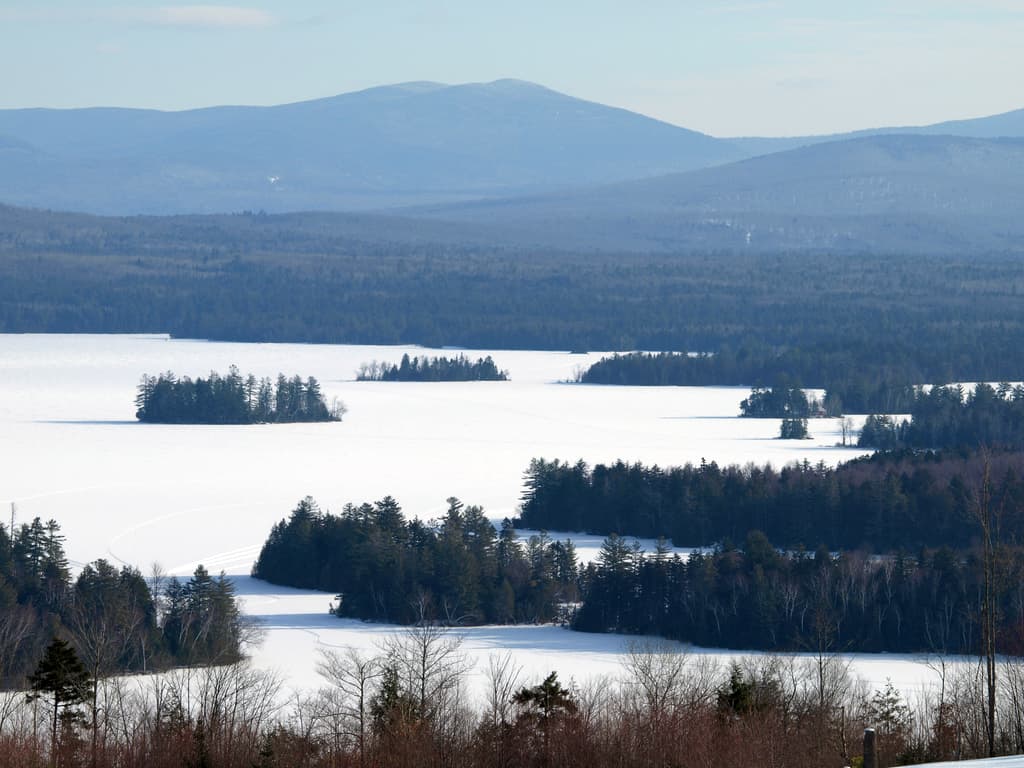
Out here, winter turns the loudest lake in the North Country into a hush of white — ice groaning underfoot, spruce boughs sagging with snow, and no one else on the shoreline for miles. This is a trip for travelers who want solitude with substance: cold air that sharpens the senses, star fields undimmed by any city glow, and a landscape that asks you to slow down and pay attention.
At a Glance
Highlights
- Sunrise over a frozen Lake Umbagog with mist rising off open channels
- Snowshoe tracks that may be the only human ones for days
- Loon calls replaced by the creak of ice and wind through spruce
- Star-drenched, zero-light-pollution nights
- Moose sign fresh in the snow at dawn and dusk
- Slow mornings in a near-empty wilderness lodge
- A five-day reset built entirely around quiet, self-reliant pacing
Day-by-Day Plan
Day 1: Arrival and the First Hush of the Lake
A light arrival day with one gentle lakeside stop to adjust to the cold, the silence, and the shortened daylight — under 2 miles of easy walking.
After the long drive north, this is the place to simply stand still and let the cold and quiet arrive. In winter, the lake is largely frozen along the shallows with open channels steaming faintly where current keeps water moving — the silence is total apart from wind in the spruce and the occasional deep groan of shifting ice. Solo travelers should treat today as orientation only: stay on the accessible shoreline viewing areas near the parking access rather than venturing onto ice, and use the visit to simply reset after travel.
Today is mostly consumed by the drive north — from Manchester or Boston, the highway narrows and the towns thin out the further you go, forest pressing closer to the road with every mile. Take it slow, especially once you're on Routes 2 and 3, where ice can form unpredictably in shaded stretches.
By early afternoon, settle in near Lake Umbagog for a short, low-effort visit — just enough to feel the scale of the place and the particular quality of quiet that only a frozen wilderness lake produces. There's no agenda here beyond breathing cold air and letting the day's travel fatigue settle.
With dinner service ending early in this region, plan to eat by 6 or 7pm. Options directly at the lake are limited this far into the wilderness — plan your evening meal around your base town (Berlin, Lancaster, or a lodge dining room near Umbagog) rather than expecting anything at the shoreline itself. Turn in early; tomorrow starts before sunrise.
Day 2: Dawn Light on the Ice
A full day centered on the lake's eastern shoreline at sunrise, with a slower afternoon return — roughly 3–4 miles of walking on snow-packed terrain.
Arrive before the sun clears the treeline and you'll have the eastern shoreline entirely to yourself — mist curling off any open water, the ice catching the first pink light, and nothing but your own breath and the occasional distant crack of settling ice for company. By 9am on a summer day this spot would be busy; in a winter dawn, you may not see another person the entire visit. This is prime moose-sighting time too — move quietly and scan the treeline edges.
Return in early afternoon for a completely different mood — flatter, whiter light, and a chance to explore a different stretch of shoreline or a short snowshoe loop if conditions allow. The lake reads differently at midday: less dramatic, more contemplative, the kind of stillness that invites quiet reflection rather than photography.
Set an early alarm — the payoff for a pre-dawn drive to Lake Umbagog is a shoreline that belongs entirely to you, mist rising off any unfrozen channels as the sky shifts from charcoal to rose. Move slowly and quietly; this is also the best window for spotting moose along the treeline, and the cold demands a deliberate pace anyway. Bring a thermos — there's nowhere out here to grab a coffee once you've arrived.
After a warming lunch back in town, return to the lake for a second, gentler visit — different light, different mood, perhaps a short snowshoe loop if you've rented gear. This is a day built around one place seen twice, which in winter's short daylight window feels less like repetition and more like getting to know somewhere properly.
With early dinner hours the norm here, plan to eat by 6pm back in your base town. Because dining options directly on the lake are unmapped and likely nonexistent this deep into wilderness, build your evening meal plan around Berlin or Lancaster rather than the water's edge. Afterward, if skies are clear, step back outside — this is genuinely one of the best dark-sky regions in New England, and a short walk from your lodge after dinner can reward you with a sky full of stars no phone camera will quite capture.
Day 3: A Second Look at the Lake, From Stillness
A quieter day revisiting Lake Umbagog with extended, unhurried time at a single vantage point — under 3 miles of walking, low-intensity.
Today calls for patience rather than exploration — settle into one vantage point, perhaps a cove with an island backdrop, and simply watch the lake wake up. Solo travel rewards this kind of stillness: no one waiting for you to move on, no conversation breaking the quiet. Bring binoculars if you have them; overwintering wildlife activity picks up as the morning warms slightly.
Rather than covering new ground, today is about depth over breadth — choose one quiet cove or shoreline stretch at Lake Umbagog and simply stay. Four unhurried hours in the cold sounds like a lot until you're actually there, watching light shift across the ice and listening for the telltale crack of a branch that might mean a moose nearby. This is the heart of what this region offers a solo traveler: permission to do absolutely nothing but pay attention.
Ease back toward town for a late lunch and a genuinely restful afternoon — there's no need to pack in another activity today. Use the downtime to warm up properly, dry out any damp gear, and let your body recover from two mornings of pre-dawn cold.
Keep dinner early, in line with local rhythm, and consider it a good night for lingering at bar seating or a communal table if your lodge or a Berlin/Lancaster restaurant offers one — conversation with other off-season travelers or locals is often easiest to strike up over a shared meal on a quiet winter night.
Day 4: Wide Views and Wilderness Scale
A day shifting to higher vantage points around the lake for wide-angle winter views — moderate exertion, roughly 3–4 miles depending on trail conditions.
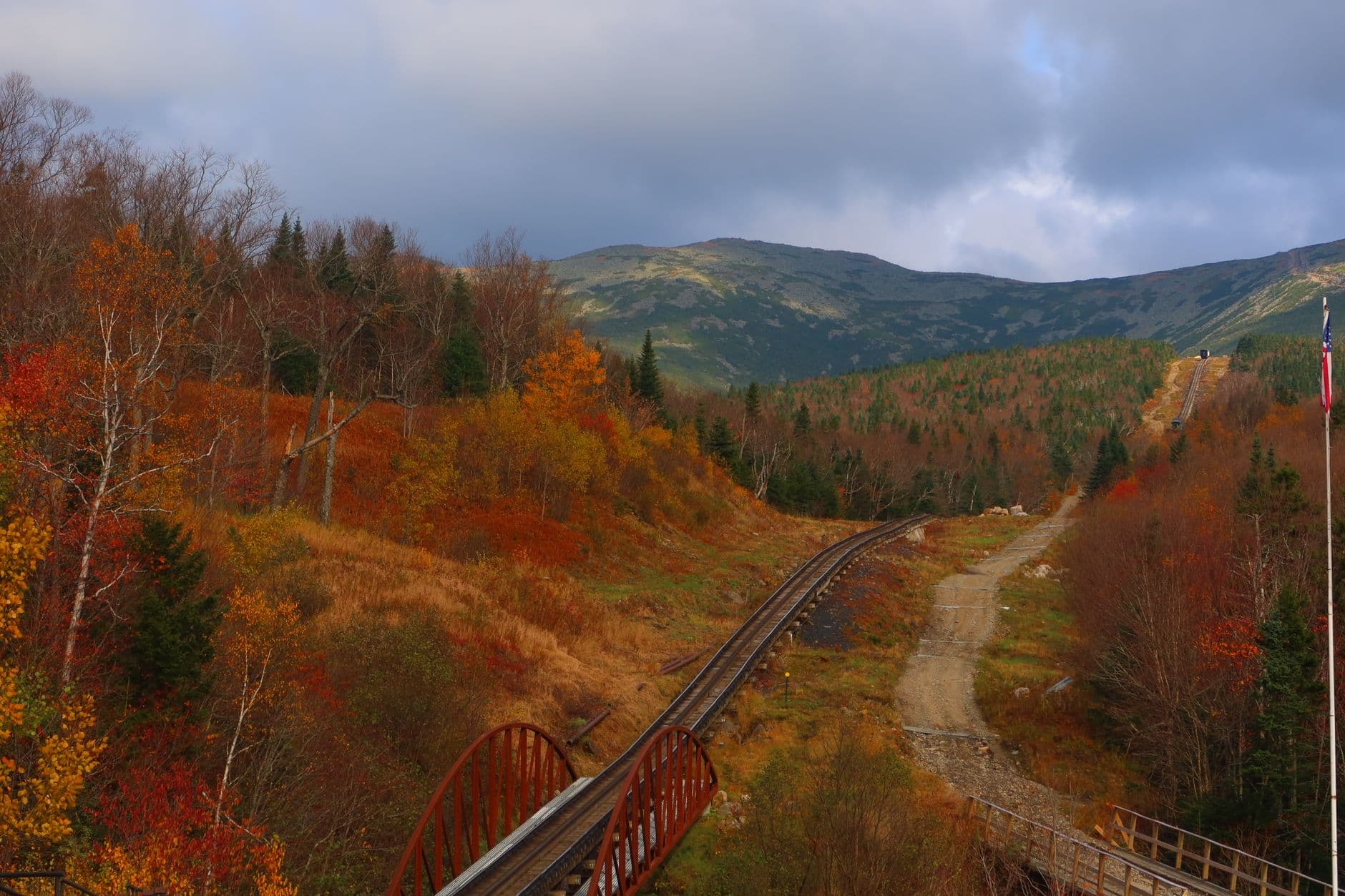
Head toward the mountain overlooks for a wide-angle sense of just how much forest and water stretch in every direction — this is the perspective that makes the region's scale click. Arrive early and the overlook trail will likely be untouched since the last snowfall, your own tracks the first to break the surface. Solo hikers should check trail conditions with lodge staff beforehand and carry navigation, as signage can be snow-obscured.
Today trades shoreline stillness for elevation — the overlook trails around Lake Umbagog offer a wide-angle view that finally shows the full scale of the wilderness you've been immersed in for days. It's colder and windier up top, and the effort of getting there in snow is real, but the payoff is a sense of scale no shoreline vantage point can match. Go early, both for the light and for the near-certainty of having the trail entirely to yourself.
Descend by midday and give yourself a genuinely easy afternoon — warm up, eat well, and let the morning's exertion settle. This is a good day to do minimal additional activity; the trip's rhythm has been building toward rest as much as adventure.
Dinner again falls early per local custom — seek out bar seating or a communal table if available, since by day four a bit of conversation, even brief, often feels welcome after days of solitary wilderness time. Skies permitting, one more look at the stars before bed is worth the cold.
Day 5: Last Light and the Long Drive Home
A short, low-key final morning at the lake before the drive south — under 1 mile of walking, minimal exertion.
One last quiet visit before the long drive south — a short, unhurried stop rather than a full outing. There's something fitting about ending here rather than somewhere new: the same shoreline, the same hush, a chance to notice how differently it reads after four days of familiarity. Early arrival again means solitude, and this time it doubles as a proper goodbye.
There's no need to rush this final morning — a short, easy visit to Lake Umbagog for one last look is enough. Let the cold and quiet sink in one more time before the practical business of the day takes over.
By late morning, begin the drive south — budget the full 3–4 hours (more in winter conditions) back to Manchester or Boston, and build in buffer time for icy patches or slower-than-expected road conditions.
Depending on departure time, evening may simply mean arriving home or at a stopover point along the route — a fitting quiet close to a trip built entirely around solitude and slow attention.
Want to tweak this trip?
Our AI planner can customize this itinerary to your exact dates, interests, and travel style.
Customize This ItineraryRestaurant details (hours, menus, availability) change frequently, especially in this seasonal, winter-reduced region. Check current hours before visiting.
Dietary compatibility tags are general guidance. If you have severe allergies, confirm directly with the restaurant.
Travel tips are general guidance, not professional safety advice. Check government advisories and local conditions, especially regarding ice and road safety, before heading out.
All prices are approximate and may vary seasonally.