Great North Woods, New Hampshire
4-Day Itinerary for Solo Traveler
“Silence, Snow, and Loon Song: 4 Days on Lake Umbagog”
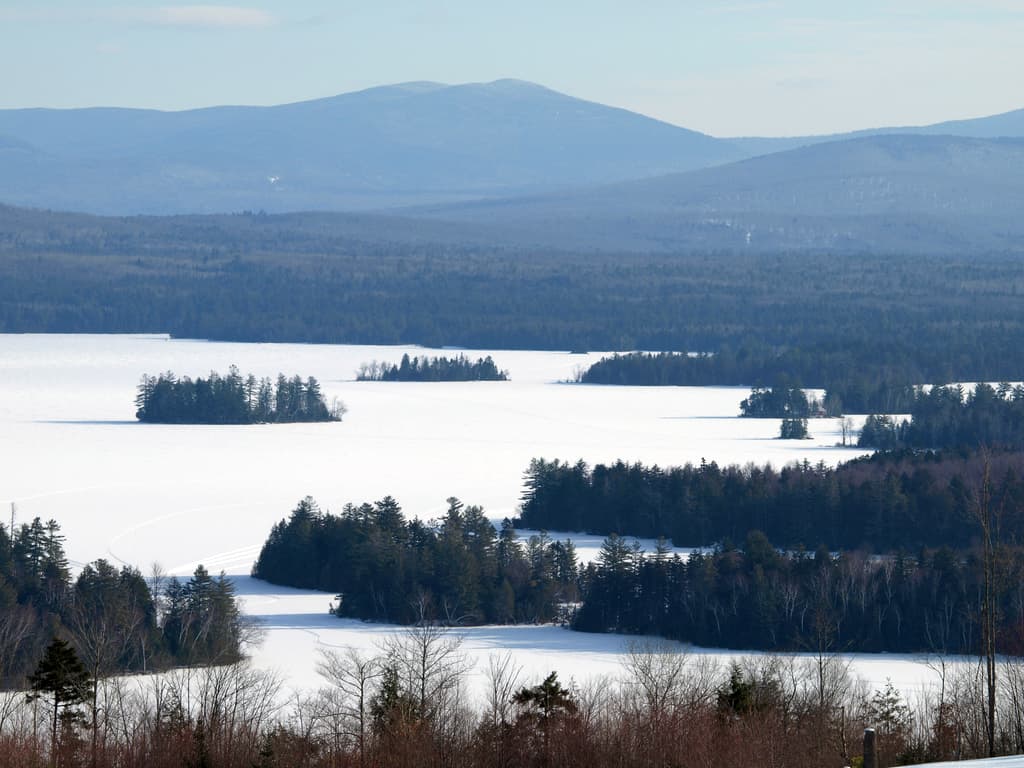
Out here, winter doesn't whisper — it settles in like a held breath, muffling the world under 40cm of snow and turning Lake Umbagog into a sheet of pale glass. This is a trip for travelers who find company in silence, who don't mind a five-hour buffer between gas stations, and who want the rare, disorienting pleasure of a sky with no light pollution to interrupt the stars.
At a Glance
Highlights
- Frozen sunrise over Lake Umbagog with not another soul in sight
- Moose tracks pressed fresh into snow at dawn and dusk
- Warming up at a lakeside lodge fire after a day in the cold
- Star-gazing under some of the darkest skies left in New England
- Slow mornings and early dinners that reset your internal clock
- The particular quiet of a forest holding 40cm of snow
Day-by-Day Plan
Day 1: Arrival and the First Hush of the Woods
A light arrival day easing into the rhythm of the North Woods, with under 2 miles of walking and low physical exertion.
After the long drive north, this is less a full excursion than a first exhale — a short walk along the accessible shoreline to let your eyes adjust to the scale of the place. In winter the lake often locks into a vast, pale sheet, and the silence has a physical weight to it, broken only by wind combing through the spruce-fir treeline. Arrive with low expectations of activity and high expectations of atmosphere; this is about orientation, not adventure yet.
Today is built around travel, not activity — most of the morning and early afternoon will likely be spent on the long drive north from Manchester or Boston. Use the drive itself as a slow decompression: the landscape shifts from highway sprawl to dense, quiet forest well before you reach the Great North Woods proper.
Once you've checked into your lodging near Lake Umbagog, take a short, unhurried walk to the accessible shoreline. Don't push for a full hike today — this is about letting the scale and silence of the place sink in, adjusting your pace to match the region's slower winter rhythm.
Dinner will likely be whatever your lodge offers or a simple meal you've brought along, given how early and remote this stretch of the Great North Woods is — plan for an early night. With no light pollution for miles, step outside before bed if the sky is clear; the stars alone are worth the cold.
Day 2: Full Immersion — Ice, Light, and the Long Quiet
The core outdoor day of the trip, centered entirely on Lake Umbagog, with roughly 3-4 miles of walking across morning and afternoon sessions at a moderate pace.
Arrive by 7:30 AM and the lake is yours alone — no paddlers, no photographers, just mist rising off any open water and the occasional distant call of a loon or raven cutting through the cold. This is prime time for a slow snowshoe walk along the eastern shoreline, watching the sky shift from gray to gold as the sun clears the treeline. By mid-morning, if conditions allow, the northwestern coves offer a different mood entirely — more sheltered, with island silhouettes breaking the horizon. Solo travelers should stick to marked or known paths near the shoreline; the ice itself is not to be trusted without explicit local guidance.
After a break to warm up and eat, return for a lighter afternoon session — this time aiming for the Magalloway Mountain overlook approach if conditions and daylight allow, which trades intimacy for sweeping, wide-angle views of the frozen lake basin below. Winter days are short here, so pace yourself; the light starts fading noticeably by 3:30 PM. This second pass is less about distance covered and more about quiet observation — watching for moose along the treeline edges, listening to the particular silence that only a snow-heavy forest produces.
Set an early alarm — being on the shoreline by 7:30 AM means having this entire pristine, snow-wrapped lake to yourself, watching the light change in real time as the world wakes up around you. Move slowly, snowshoes crunching, and resist the urge to rush; this is a landscape that rewards stillness and patience, especially for a solo traveler with nowhere else to be.
After warming up over lunch, head back out for a second, more ambitious session — this time working toward higher ground for those wide, sweeping overlook views if trail conditions cooperate. The pace shifts from contemplative shoreline walking to something more deliberate and physical, but keep a close eye on the clock; winter daylight here evaporates fast.
By the time you're back at your lodge, the cold and the day's walking will have earned you a genuinely restful evening — expect an early, simple dinner given how remote and seasonal dining options are up here, and don't be surprised if you're ready for bed well before 9 PM. If the sky has cleared, step outside one more time before sleep; the stars over Umbagog in winter are a reward unto themselves.
Day 3: Slower Waters, Wider Views
A gentler second full day returning to Lake Umbagog with a lighter touch, roughly 2-3 miles of walking, allowing your body to recover from yesterday's exertion while still soaking in the wilderness.
Today calls for a shorter, more contemplative return to the lake — perhaps a different stretch of shoreline than Day 2, giving you fresh vantage points without the physical toll of yesterday's longer push. Arriving by 8 AM still buys you a nearly empty landscape, though the earliest, most dramatic light has already passed; what remains is a soft, even brightness good for careful, unhurried photography. This is a good morning to simply sit for a while near a bench or clearing, watching for movement along the far treeline.
Ease into a later, gentler start than yesterday — there's no need to chase the absolute first light again. A shorter shoreline walk, ideally somewhere you haven't yet explored, lets you notice details you missed the first time: the particular way snow clings to spruce branches, the stillness of a frozen inlet.
Keep the afternoon flexible and low-key. If your legs and motivation allow, a return trip toward the northwestern coves around golden hour rewards you with a different, more intimate lake mood than the wide-open eastern shoreline. If not, there's no shame in a slow afternoon back at your lodge, journaling or simply watching the light change through a window.
Dinner again will likely mean keeping things simple given the season and remoteness — treat it as another early, quiet meal. This is a good night to reflect on how differently time moves out here, away from screens and schedules, and to get a full night's rest before your final day.
Day 4: Last Light on the Water, Then the Long Drive Home
A short final morning session at Lake Umbagog before the long drive south, keeping walking under 1.5 miles to preserve energy for travel.
One last early visit, timed for sunrise if skies allow — this final look at the lake tends to land differently than the first, colored by three days of accumulated quiet. Keep it brief and unstructured: no checklist, just a last walk along a stretch of shoreline that already feels familiar, breath visible in the cold air, the forest holding its usual, enormous silence around you.
Wake early one last time for a brief, unhurried farewell to the lake — no pressure to see anything new, just a final quiet moment before the practical business of departure takes over. Let this be short and simple, more ritual than itinerary.
The rest of the day is largely consumed by the drive back south toward Manchester or Boston — budget the full 3-4 hours depending on your route and check road conditions before setting out, since winter weather can shift quickly in this region.
By evening you'll likely be well outside the Great North Woods, back in denser, louder territory — a good time to reflect on just how stark the contrast is between where you've been and where you're headed, and to start planning your return.
Want to tweak this trip?
Our AI planner can customize this itinerary to your exact dates, interests, and travel style.
Customize This ItineraryRestaurant details (hours, menus, availability) change frequently, especially in this seasonal, remote region. Check current hours before visiting — many establishments have reduced winter schedules or close entirely.
Dietary compatibility tags are general guidance. If you have severe allergies, confirm directly with any restaurant or lodge kitchen before ordering.
Travel tips are general guidance, not professional safety advice. Check government advisories and local ranger or lodge staff for the latest conditions before heading into remote wilderness areas.
All prices are approximate and may vary seasonally; remote regions like this one can also see higher costs due to limited supply access.