5 DaysSolo Traveler8 Stops

Great North Woods, New Hampshire

5-Day Itinerary for Solo Traveler

“Silence and Still Water: 5 Days Alone on Lake Umbagog”
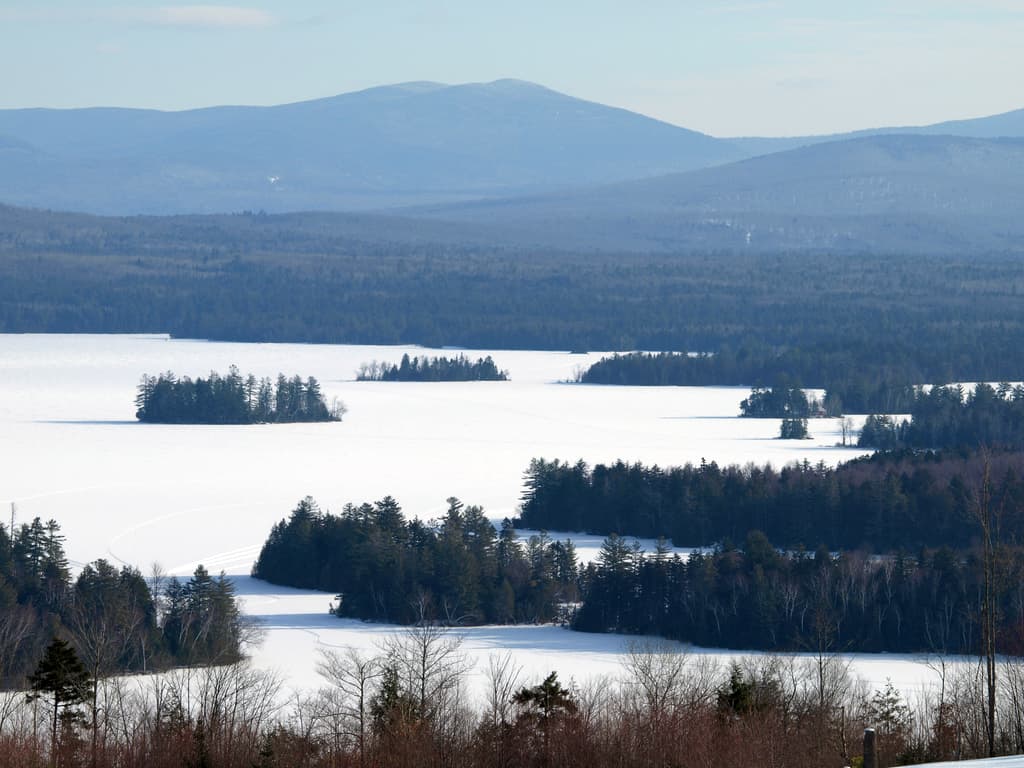
Silence and Still Water: 5 Days Alone on Lake Umbagog

Out here the lake holds the sky like a mirror, loons call across water so still it feels held in place, and the nearest crowd is a memory of somewhere else. This is a trip built for one — slow mornings on the water, long light, and the kind of quiet that recalibrates you.

At a Glance

Climate & Weather
Summer days run mild to warm (15–19°C) with frequent rain showers — pack a reliable waterproof shell, quick-dry layers, and sturdy water shoes or boots. Mornings on the lake can feel cool even in July, so bring a light fleece for dawn paddles.
Getting Around
A car is essential — there is no public transit in this region. Roads around Lake Umbagog are quiet but can be unlit and narrow at night, so plan drives before dusk when possible. A canoe or kayak (rented or lodge-provided) is your main transport once you're on the water.
Budget
Budget roughly $40–70/day for food and activities (excluding lodging) — this is not a region of pricey attractions, but paddling rentals, permits, and gas add up. Cash is useful for smaller local establishments.
Safety
This is remote wilderness — always tell someone (lodge staff, a camp host) your paddling or hiking plan and expected return time. Moose are active at dawn and dusk near water and roadways; keep distance and never approach. Weather can shift fast over the lake, so check conditions before launching and carry a whistle and basic first aid.
Connectivity
Cell service is spotty to nonexistent around the lake and deep forest roads — download offline maps beforehand and let someone know when you'll be out of touch. Most lodges offer limited WiFi in common areas only.
Local Tips
Launch at first light — by mid-morning wind can pick up and make paddling choppier. Solo travelers should ask lodge hosts about communal breakfast tables or group paddle outings, a good low-key way to meet fellow guests. Pack a headlamp; nights here are properly dark and wonderful for stargazing.

Highlights

  • Sunrise paddling on glass-still Lake Umbagog
  • Loon calls echoing across untouched coves
  • Golden hour from Magalloway Mountain overlooks
  • Moose-spotting at dawn and dusk along the shoreline
  • Five days of deliberately unhurried wilderness pacing
  • Star-filled nights far from any light pollution
  • A genuine solo retreat into New England's last frontier

Day-by-Day Plan

Settling in, gentle orientation

Day 1: Arrival and First Breath of the North Woods

A light arrival day easing into the rhythm of the lake with a short evening paddle and no rush — under 2 miles of walking, low energy demand.

Wear
Comfortable layers, a light rain shell, and closed-toe shoes for uneven lakeside paths.
Budget
$35–50
5:30 PM - 7:30 PM
Lake Umbagog · evening · 120 min · Lake Umbagog & Wilderness Waters

After the long drive north, let the lake be your welcome mat. Arrive as the light softens and the water turns pewter-gold — the slap of paddle against still surface and a distant loon call are the only sounds you'll need tonight. Keep it easy: a short, calm paddle near shore or simply sitting on a dock with the forest at your back is plenty for day one.

Lake Umbagog
U. S. Fish and Wildlife Service - Northeast Region / wikimedia (Public domain)
Golden hour light on the northwestern coves is soft and forgiving — good for a first, low-pressure photo without chasing sunrise.
Shoreline access points are uneven and not wheelchair accessible; sturdy footwear recommended.
If it rains: If rain arrives, skip the paddle and simply walk the accessible shoreline viewing areas near the parking access points — still atmospheric, and you'll stay dry under tree cover.

Today is about arrival, not achievement — expect several hours behind the wheel from Manchester or Boston, so give yourself grace and stop when you need to stretch.

Check into your lodge around Lake Umbagog, unpack slowly, and let your ears adjust to the quiet — it's louder than silence, full of birdsong and wind in spruce.

As dusk settles, take a short, easy paddle or shoreline walk to meet the lake for the first time. This is a night for early sleep — the darkness here is real, and tomorrow starts before sunrise.

Sunrise paddling, deep immersion

Day 2: Dawn on the Water

A full day centered on the lake itself — sunrise paddle, midday exploration, and a wildlife-watching close to dusk — roughly 3 miles of combined paddling and walking, moderate energy.

Wear
Quick-dry layers, a warm layer for the cool dawn air, water shoes, and a brimmed hat for midday sun.
Budget
$30–45
10 min drive — A short, quiet drive from your lodge on empty forest roads, headlights catching eyes in the underbrush
6:00 AM - 10:00 AM
Lake Umbagog · morning · 240 min · Lake Umbagog & Wilderness Waters

Arrive at the eastern shoreline before 7am and the lake is yours alone — mist rising off glass-smooth water, forest reflected so perfectly it's disorienting, and maybe a moose wading at the tree line. This is the marquee paddle of the trip: unhurried, wide loops around the coves, camera at the ready, loons calling somewhere out of sight. By 9am other paddlers arrive and the stillness breaks slightly, but you'll already have the best of it.

Lake Umbagog
U. S. Fish and Wildlife Service - Northeast Region / wikimedia (Public domain)
Eastern shoreline at sunrise for mist and reflection — arrive by 6:30am for the best light before wind picks up.
Uneven, unpaved put-in points; not accessible for wheelchairs or those with mobility limitations.
10 min drive — Retracing the same forest road as morning, now dappled in long evening shadow
6:30 PM - 8:30 PM
Lake Umbagog · evening · 120 min · Lake Umbagog & Wilderness Waters

Return to the water as the heat of the day fades — this is prime moose-watching time along quiet coves, and the light turns the whole lake amber. Paddle slow, stay alert at the shoreline, and give any wildlife wide berth. It's a fitting bookend to a day spent almost entirely on the water.

Lake Umbagog
U. S. Fish and Wildlife Service - Northeast Region / wikimedia (Public domain)
Northwestern coves at golden hour for island silhouettes against warm light.
Same uneven shoreline access as the morning paddle; bring a headlamp for the walk back to your car after dark.
Optional detour: Lake Umbagog — Between the morning paddle and evening moose-watching
A midday break at a Magalloway Mountain overlook offers wide-angle vistas and a change of pace from the water. Skip if: If you're paddling-fatigued or the weather turns hot and hazy, skip it and rest at your lodge instead — the views will still be there another day.
If it rains: If heavier rain sets in, postpone paddling — visibility and safety both suffer on open water in a downpour. Use the day to rest at your lodge, read, or take a short walk under tree cover near the accessible viewing areas.

Set an early alarm — the payoff for beating the sun is a lake with nobody on it, mist curling off the surface and only the sound of your own paddle. Take your time; this is the heart of the whole trip.

Midday softens into a slower gear — rest at your lodge, dry your gear, maybe wander toward a mountain overlook if energy allows, but there's no obligation to fill every hour.

As the sun drops, return to the water for the day's second paddle — this one for moose-watching and photographs, the lake glowing amber and hushed as night gathers at the tree line.

Extended exploration, solitude

Day 3: Deeper into the Wilderness Rhythm

A day for venturing farther along the lake's edges and into surrounding trails — roughly 4 miles of paddling and walking combined, moderate-to-active energy.

Wear
Sturdy hiking boots for trail sections, layered clothing for changing weather, sun protection, and a packed rain shell.
Budget
$30–45
7:00 AM - 11:00 AM
Lake Umbagog · morning · 240 min · Lake Umbagog & Wilderness Waters

Today's paddle pushes farther into the lake's quieter arms — fewer other visitors this way, more chance of spotting eagles or a moose grazing shallows. Combine the water time with a short trail stretch near the shore if energy allows; the transition from paddling to walking through dense spruce-fir forest is its own kind of meditation.

Lake Umbagog
U. S. Fish and Wildlife Service - Northeast Region / wikimedia (Public domain)
Try the Magalloway Mountain overlook trail access points for wide vistas if you extend into a short hike — best light late morning before haze builds.
Trail sections are uneven with roots and rock; not accessible for those with mobility limitations.
Optional detour: Lake Umbagog — After the morning paddle, before an afternoon rest
Extending into the short lakeside trail network adds variety and a chance for elevated photography. Skip if: If your arms are tired from paddling, a full rest afternoon is a perfectly good choice — this is a solo trip, no itinerary guilt required.
If it rains: Heavy rain makes both paddling and trail walking less enjoyable and potentially unsafe on wet rock — treat this as a rest day indoors at your lodge, or a short drive to explore covered common areas at nearby lodges.

Push a little farther today — paddle into less-visited coves where the only company might be an eagle overhead or a moose at the waterline. If your energy holds, step ashore for a short forest trail stretch.

Let the afternoon breathe — dry out gear, nap if the morning wore you down, or simply sit somewhere quiet and let the forest sounds settle around you.

Keep the evening unstructured; watch the light change over the water from your lodge, and turn in early enough to catch the stars properly once true dark falls.

Rest, reflection, night skies

Day 4: Slow Paddling and Stargazing

A gentler day mixing a relaxed midday paddle with an intentional evening for stargazing — under 2 miles of walking, low-to-moderate energy.

Wear
Comfortable layers, a warm jacket for after-dark stargazing, and a headlamp with red-light mode to preserve night vision.
Budget
$25–40
11:00 AM - 2:00 PM
Lake Umbagog · midday · 180 min · Lake Umbagog & Wilderness Waters

Skip the early alarm today — midday light on the lake has its own charm, brighter and bluer, good for wide reflective shots and simply floating without agenda. This is the trip's deliberate slow point: paddle a short loop, drift, listen.

Lake Umbagog
U. S. Fish and Wildlife Service - Northeast Region / wikimedia (Public domain)
Midday sun creates strong reflections on calm water — polarizing filter recommended if you're shooting with a camera.
Same uneven shoreline access points as prior days.
10 min drive — A dark, careful drive back to the water's edge — watch closely for moose eyes reflecting in your headlights
9:00 PM - 11:00 PM
Lake Umbagog · evening · 120 min · Lake Umbagog & Wilderness Waters

After dinner, return to the shoreline once full dark settles — this is one of the last truly dark-sky regions in New England, and the Milky Way overhead is startling in its clarity. Bring a blanket, sit dockside or lakeside, and let your eyes adjust for at least twenty minutes before the stars really open up.

Lake Umbagog
U. S. Fish and Wildlife Service - Northeast Region / wikimedia (Public domain)
For astrophotography, aim for a moonless night and set up on the eastern shoreline away from any lodge lighting.
Uneven ground in full darkness — use a headlamp and move carefully.
Optional detour: Lake Umbagog — Between the midday paddle and evening stargazing
An early dusk paddle can catch the transition from day to night sounds — birds quieting, first stars appearing. Skip if: If you're saving energy for stargazing, skip the extra paddle and simply rest before dark falls.
If it rains: Overcast or rainy skies will spoil stargazing — if clouds roll in, treat the evening as an early, restful night instead and try again tomorrow if your schedule allows.

Sleep in — today has no early call. Ease into the day slowly, coffee in hand, watching the lake wake up without needing to be on it.

A relaxed midday paddle offers a different mood than dawn or dusk — brighter, calmer, less urgent. Drift, photograph, or simply sit with the stillness.

After an early dinner, head back to the shoreline once darkness is complete. This is a night for the sky, not the water — settle in, let your eyes adjust, and watch the Milky Way emerge over the treeline.

Farewell paddle, departure

Day 5: Last Light on the Lake

A shorter final day with one last sunrise-adjacent paddle before the drive home — under 2 miles of walking, low energy to preserve travel stamina.

Wear
Comfortable travel-friendly layers, easy to shed as the day warms, and closed shoes for the final shoreline walk.
Budget
$20–35
6:30 AM - 8:30 AM
Lake Umbagog · morning · 120 min · Lake Umbagog & Wilderness Waters

One last morning on the water, quieter and more reflective than the rest — no rush to cover ground, just a final loop to say goodbye to the loons and the mist and the particular hush of this place. Many solo travelers find this closing paddle the most emotional part of the trip.

Lake Umbagog
U. S. Fish and Wildlife Service - Northeast Region / wikimedia (Public domain)
Revisit the eastern shoreline for a final sunrise shot — the mist patterns are never quite the same twice.
Same uneven shoreline access as prior days; take it slow on your final morning.
If it rains: If the final morning is rained out, a shorter shoreline walk under tree cover still offers a quiet farewell without needing calm water.

Wake early one last time for a final, unhurried paddle — there's no agenda here beyond presence, a last conversation with the lake before the drive south.

Pack up at your own pace, take a last look at the water from the car before pulling onto the forest road, and begin the long drive back toward Berlin or Lancaster and onward home.

Depending on departure timing, evening may simply be spent on the road — reflect on the stillness you're leaving behind, and consider it earned rest for whatever comes next.

Want to tweak this trip?

Our AI planner can customize this itinerary to your exact dates, interests, and travel style.

Customize This Itinerary
Good to Know

Restaurant details (hours, menus, availability) change frequently. Check current hours before visiting, especially in seasonal destinations. Dining options in this remote region are limited and often unmapped — plan flexibly and ask lodge hosts for current local recommendations.

Dietary compatibility tags are general guidance. If you have severe allergies, confirm directly with the restaurant.

Travel tips are general guidance, not professional safety advice. Check government advisories for latest information.

All prices are approximate and may vary seasonally.
We use cookies to improve your experience and analyze site usage. Essential cookies are always active. You can customize your preferences or accept all cookies. Cookie Policy