Great North Woods, New Hampshire
4-Day Itinerary for Solo Traveler
“Silence, Water, and Sky: 4 Days Alone at Lake Umbagog”
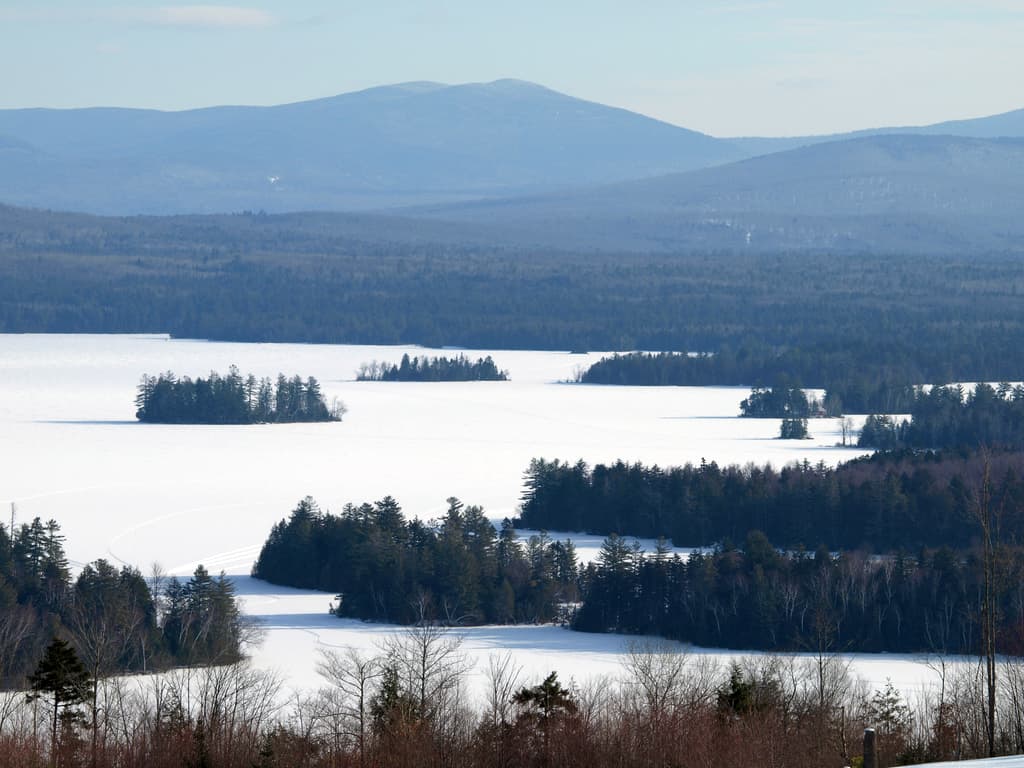
Out here the forest presses right up to the water's edge and the loons do most of the talking. This is a trip built for one — for the traveler who wants mornings that start with paddle-drip silence and evenings that end under more stars than they knew existed.
At a Glance
Highlights
- Sunrise paddle across glass-still Lake Umbagog
- Golden-hour light on the northwestern coves
- Loon calls echoing across mist-covered water
- Magalloway Mountain's wide-angle wilderness views
- Genuine solitude — some of the last true dark sky in New England
- Slow, self-reliant days built around water and light
Day-by-Day Plan
Day 1: Arrival & First Water
A light arrival day with one unhurried stop on the lake — roughly 1–2 miles of walking/paddling, low-to-moderate energy, built for adjusting to the quiet.
After the long drive north, this is the reset button: still water, dense spruce-fir forest doubled in reflection, and the occasional wail of a loon carrying across the surface. Ease in with a short paddle near the launch rather than a full loop — let your shoulders drop before you commit to anything ambitious. Solo travelers will find this an easy, low-pressure introduction to the lake's rhythm, with sparse benches near the access point if you'd rather sit and watch than paddle right away.
Travel day — most of the morning goes to the drive north from Manchester or Boston, a long but scenic haul on quiet highways that gradually give way to deep forest. Take it slow, watch for moose near dawn and dusk stretches, and treat the drive itself as the first taste of the region's remoteness.
By early afternoon, settle in at Lake Umbagog for a short, unhurried paddle or shoreline walk. This isn't the day to push distance — it's the day to let the silence register, hear your first loon call, and get oriented to how differently time moves out here.
Dinner options directly on the lake are limited, so plan to eat in Errol or back toward your lodge — pack a simple meal if your accommodation allows, or ask your host for their go-to spot. Turn in early; tomorrow's reward is sunrise on the water.
Day 2: Dawn Mirror
A full day centered on the lake at its best — sunrise paddling and golden-hour photography, roughly 3–4 miles of combined paddling and walking, moderate energy.
Arrive by first light and the lake belongs to you — mist rising off glass-smooth water, the eastern shoreline glowing pink, and nothing but the slap of your paddle and the occasional loon call for company. By 9am, other paddlers begin appearing and the spell starts to break, so this early window is worth setting an alarm for. Head toward the eastern shoreline first for the sunrise reflection, then work your way toward the northwestern coves as the light warms.
Return to the water in the late afternoon for a different mood entirely — warmer light, more texture on the surface, and a chance to explore the northwestern coves with their scattered island backdrops. This is also prime time to consider the Magalloway Mountain overlook if energy allows, for a wide-angle view over the whole basin. Solo travelers should double back before dusk, both for moose safety on access roads and because the light show at golden hour is the real payoff.
Set an early alarm — this is the day's centerpiece. Arrive lakeside before the sun is fully up, when the water is still enough to double every tree and cloud above it. Paddle slow, let the loon calls set the pace, and don't rush back; this kind of stillness is rare and worth sitting inside of.
After a midday break to eat and dry off, return to the water in softer, warmer light. The coves on the northwestern side offer a completely different character than the morning's glassy calm — more movement, more texture, small islands breaking up the horizon. If you're up for it, the Magalloway overlook rounds out the day with a big-picture view of everything you've paddled through.
As the light fades, head back toward your lodge or Errol for dinner — keep it simple and let the day's paddling catch up with you. This is a good night for an early bedtime; the stars out here reward those who wake early and sleep early in equal measure.
Day 3: Slow Water, Wide Sky
A gentler day balancing a shorter lake outing with rest and wildlife watching — roughly 2 miles total, low-moderate energy, built to avoid overdoing it after yesterday's push.
A quieter version of the earlier visits — this time less about the paddle itself and more about drifting, watching, and listening. Dawn and early morning are prime moose-watching windows along the shoreline and access roads, so keep your eyes on the tree line as much as the water. Arriving by 7:30am still beats the weekend crowds that build through late morning in peak summer.
Ease into a slower morning on the lake — less about covering distance, more about watching. This is prime time for spotting moose along the shoreline, and the pace suits a body that's still recovering from yesterday's early start and long paddle.
Keep the afternoon deliberately light — this is a good stretch for rest, a short walk near your lodge, or simply sitting with a book somewhere quiet. Solo travel rewards this kind of pacing; there's no itinerary pressure out here, and the forest doesn't mind if you do nothing for a few hours.
Dinner stays simple again tonight — lean on whatever your lodge offers or the nearest option in Errol. With minimal light pollution, this is an excellent night to step outside after dark; the stars over Lake Umbagog are some of the clearest in New England.
Day 4: Last Light, Last Loon
A shorter final morning on the lake before the drive home — roughly 1–2 miles, low energy, designed to send you off without exhaustion.
One last short paddle or shoreline walk before the long drive south — a chance to hear the loons one more time and let the lake's stillness settle in before you re-enter the noise of everyday life. Keep it brief and unhurried; this is closure, not a checklist item. Early light again means fewer people and a calmer surface to send you off.
Keep this final morning gentle — a short paddle or simply a walk to the shoreline for one last look at the water before packing the car. There's no need to push for a big finale; the quiet farewell suits the trip's whole rhythm.
The afternoon is largely given over to the drive south, back through the forest roads and eventually the highway toward Manchester or Boston. Use the first hour of driving to mentally process the shift from silence back to signal.
Depending on departure time, evening may simply mean arriving home or at a stopover point along the route — a natural, quiet end to a trip built entirely around slowing down.
Want to tweak this trip?
Our AI planner can customize this itinerary to your exact dates, interests, and travel style.
Customize This ItineraryRestaurant details (hours, menus, availability) change frequently, and dining options directly on Lake Umbagog are limited — plan meals around Errol or your lodge and check current hours before visiting.
Dietary compatibility tags are general guidance. If you have severe allergies, confirm directly with the restaurant or lodge kitchen.
Travel tips are general guidance, not professional safety advice. This is remote wilderness — check current conditions, tell someone your route, and consult official advisories before heading out.
All prices are approximate and may vary seasonally.