Outer Banks (Nags Head, Ocracoke, Hatteras), North Carolina
5-Day Itinerary for Solo Traveler
“Sand, Sky, and Solitude: Five Days Alone on the Outer Banks”
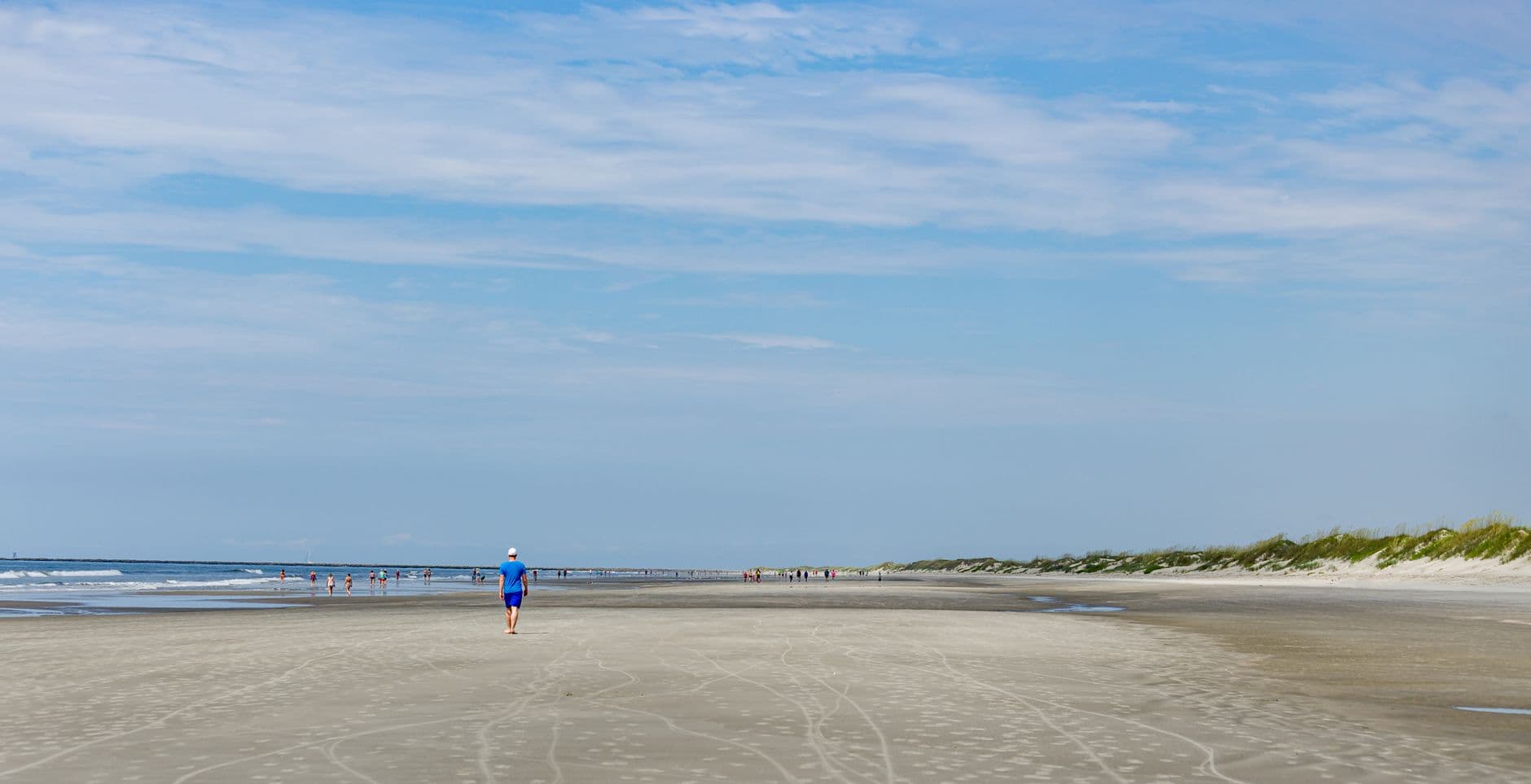
Out here the land barely holds itself together — a thread of sand between two restless bodies of water — and that fragility is exactly the point. Spring on the Outer Banks means empty dunes, wildflowers pushing through sea oats, and just enough shoulder-season quiet to hear your own footsteps on the boardwalk.
At a Glance
Highlights
- Standing where the Wright Flyer first left the ground at dawn
- Climbing the spiral stairs of two working lighthouses
- Watching wild ponies graze the marsh at golden hour on car-free Ocracoke
- Catching the Atlantic's mood swings from the point at Cape Hatteras
- Slow, solo seafood dinners at counters where regulars strike up conversation
- Wind-sculpted dune walks with the whole horizon to yourself
- A ferry crossing that feels like leaving the mainland behind entirely
Day-by-Day Plan
Day 1: Landing Softly: First Light Over Kill Devil Hills
A gentle first day covering roughly 2 miles of walking, easing into the rhythm of the northern beaches with historic grounding and open sky.
Arrive by 8am and the memorial grounds are nearly silent — just wind moving through the grass and the granite shaft catching first light at the top of the dune. This is where two bicycle mechanics from Ohio proved something impossible, and standing at the First Flight boulder markers, tracing the short, absurd distance of that initial hop into the sky, lands differently when you're alone with it. The visitor center exhibits are worth a slow wander before the tour buses arrive around 10am.

The day starts slow and deliberate — no rush, no itinerary anxiety, just the quiet grounds of the Wright Brothers National Memorial catching the first honest light of the trip. Early arrival means the dune and granite monument are yours alone, gulls calling somewhere overhead, the whole place holding a kind of reverent stillness before the day's visitors arrive.
With the morning's single anchor stop complete, the afternoon opens up for unhurried orientation — a walk along the nearest beach access, feet finding their rhythm on sand for the first time, layers coming on and off as the wind shifts. This is intentionally light: a day for settling into the coastal cadence rather than checking off a list.
Dinner comes early and casual, the kind of unpretentious plate that defines this coast — nothing that demands attention, just good food eaten slowly while the light fades pink over the sound side. An early night makes sense here, with lighthouse country waiting tomorrow.
Day 2: Dune Light and Dinner Counters
A moderate day of roughly 3 miles walking, staying within the Nags Head and Kill Devil Hills cluster with open beach time and social dining.
A second, shorter pass at sunrise for those who want the dune and monument bathed in that first pink light without the visitor center crowd — many solo travelers find this quiet return visit worth the early wake-up, especially for photography the first visit didn't allow time for.
Sunrise finds the dune quiet again, this time purely for the light — no agenda beyond watching the monument and grass go gold, then amber, then ordinary daylight. It's a meditative start, the kind of solo morning that doesn't need narration to be worthwhile.
The afternoon belongs to the beach itself — an unstructured stretch of sand-walking, wave-watching, and the particular freedom of having no one else's pace to match. Energy shifts from historic reverence to pure coastal ease.
Dinner at a sound-side seafood spot rounds out the day with bar seating that makes solo dining feel natural rather than exposed — a bowl of chowder, a plate of flounder, and easy conversation with whoever's perched nearby. Tomorrow means a longer drive south, so an early wind-down suits the rhythm.
Day 3: South to the Point: Cape Hatteras and the Graveyard of the Atlantic
A moderate-to-active day of roughly 3.5 miles walking, driving south to the Cape Hatteras cluster for dramatic coastal scenery and maritime history.
By mid-morning the wind is already working — spray coming off breaking swells, the striped lighthouse visible in the distance like a held breath against the sky. This is the wildest stretch of the trip so far, the Atlantic here genuinely fierce, and the sense of scale — narrow spit of sand, ocean on one side, sound on the other — makes solo travelers feel appropriately small in a good way. Arrive early if possible; by midday the point draws steady traffic.

The drive south feels like crossing into a different, wilder version of the Outer Banks — marsh and dune giving way to the narrow, exposed spit where Cape Hatteras meets the open Atlantic. Wind and spray dominate the senses here, the lighthouse a distant sentinel, and the crowds thin enough that solitude comes easily.
After the intensity of the point, the afternoon eases into lunch and a slower pace — maybe a stretch of quiet beach walking near Buxton, watching surf anglers work the shoreline, the day's energy settling from dramatic to contemplative.
Dinner brings a return to comfort — familiar seafood, water views, and the kind of unhurried evening that lets the day's wind-battered intensity settle into memory. Tomorrow's ferry crossing to Ocracoke means an earlier bedtime than usual.
Day 4: Crossing Over: Ponies and the Beacon of Ocracoke
A full but unhurried day of roughly 3 miles walking, including a ferry crossing into the car-free solitude of Ocracoke Island.
Boots on stairs worn smooth by two centuries of keepers — the climb is short but the payoff is total: a 360-degree horizon of marsh, sound, and open Atlantic. Midday brings moderate crowds, so those wanting a quieter climb should note that early morning or after 4pm thins the visitors considerably. For a solo traveler, the tower's tight spiral stairs make for easy, low-stakes conversation with fellow climbers.

The wild ponies graze the marsh at a respectful distance, wind tossing their manes, entirely indifferent to visitors — a reminder to keep distance and never approach or feed them. Late afternoon light softens everything, the boardwalk creaking underfoot as the tide pulses in and out of the sound. This is the kind of scene that rewards patience and quiet solo observation more than a rushed photo stop.

The morning is consumed almost entirely by the ferry crossing itself — a slow, deliberate transition from the mainland's pace into Ocracoke's timelessness. Standing on deck with wind in your face and gulls trailing the wake, it's easy to feel the scale of the sound opening up around you.
Once ashore, the afternoon shifts into island time proper — climbing the lighthouse for sweeping views, then wandering toward the marsh where wild ponies graze, unbothered by the handful of visitors keeping a respectful distance. Everything here moves slower, the car-free streets adding to the sense of having stepped outside ordinary time.
With limited mapped dining data for this remote stretch, plan the evening loosely — ask locally about the village's current offerings, since small seasonal spots and shops often aren't captured in any database, and Ocracoke rewards wandering into whatever's open rather than chasing a specific reservation.
Day 5: Last Light on the Sound: Departure Day
A light final day of roughly 1.5 miles walking, allowing a relaxed morning on Ocracoke before the return journey north.
A final quiet pass through the village and marsh edge before the ferry departs — morning light is soft and the ponies are often more active and visible feeding in the cooler hours. This is a good last solo moment on the trip: unhurried, low-key, nothing left to check off, just presence with the place before it's time to leave.
The last morning unfolds slowly and without pressure — a final wander past the ponies grazing in soft early light, the village still half-asleep, boats creaking gently at the dock. With no mapped breakfast venue in the data for this stretch, it's worth asking locally for whatever small coffee shop or bakery is open that morning; Ocracoke's offerings shift seasonally and often fly under the radar.
The return ferry crossing back toward the mainland closes the loop on the trip, the islands receding slowly into haze — a fitting, unhurried transition back toward ordinary pace after days spent tuned to tides and wind.
Departure logistics take over from here, but the internal soundtrack of the trip — lighthouse stairs, dune wind, pony silhouettes in marsh grass — tends to linger well past the drive home.
Want to tweak this trip?
Our AI planner can customize this itinerary to your exact dates, interests, and travel style.
Customize This ItineraryRestaurant details (hours, menus, availability) change frequently, especially in shoulder season when many Outer Banks establishments reduce hours or close entirely. Check current hours before visiting.
Dietary compatibility tags are general guidance. If you have severe allergies, confirm directly with the restaurant.
Travel tips are general guidance, not professional safety advice. Always check current rip current and weather advisories before swimming or visiting exposed coastal points.
All prices are approximate and may vary seasonally, particularly for ferry fares and lighthouse admission.
Attractions in This Itinerary
More Itineraries for Outer Banks (Nags Head, Ocracoke, Hatteras)
Explore North Carolina