Outer Banks (Nags Head, Ocracoke, Hatteras), North Carolina
4-Day Itinerary for Solo Traveler
“Wind, Wild Ponies & Windswept Light: 4 Days Solo on the Outer Banks”
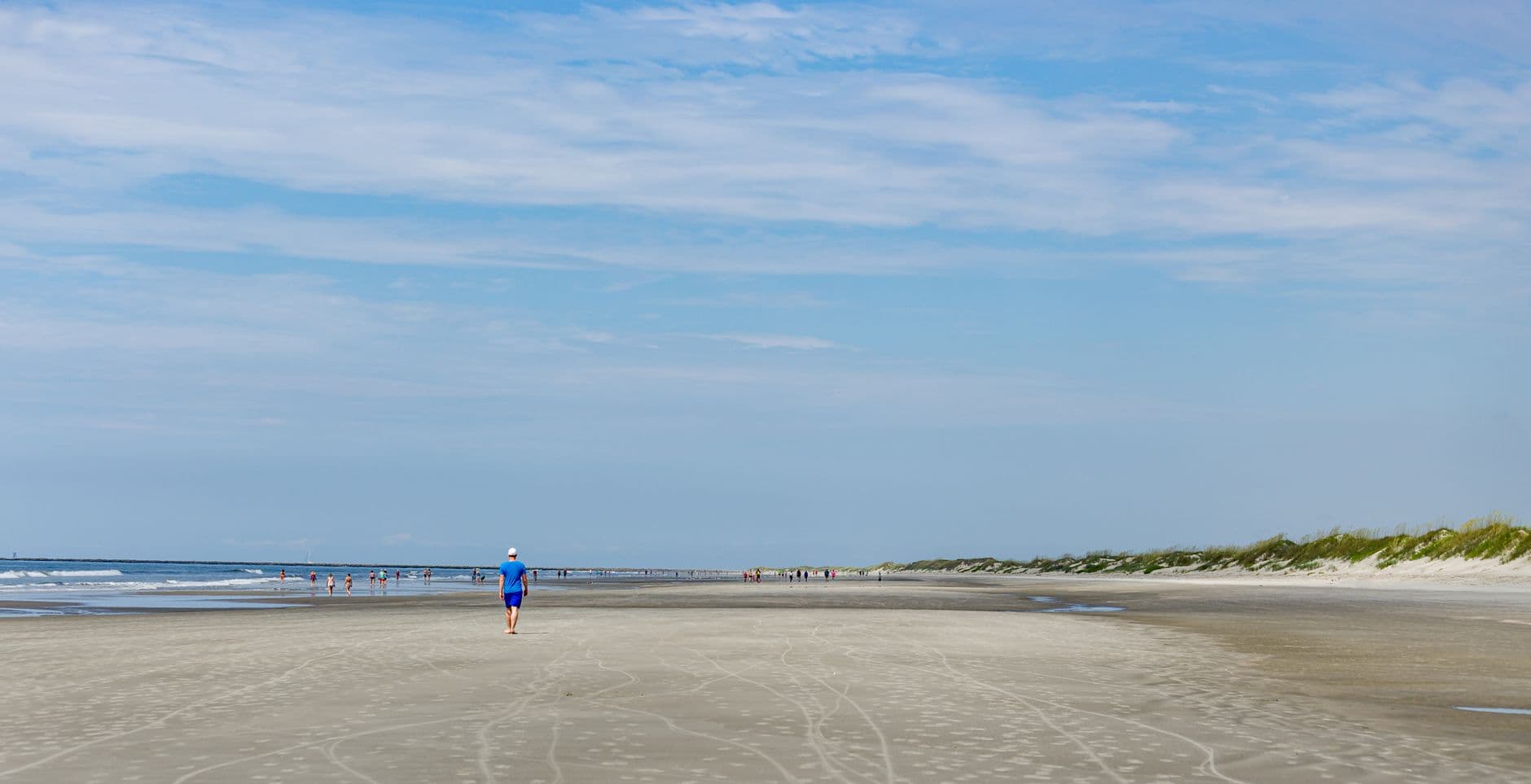
Somewhere between the hush of Jockey's Ridge at dawn and the creak of a lighthouse stairway on Ocracoke, the Outer Banks reveal themselves as a place built for solitude — wind-scoured, salt-bitten, and endlessly photogenic. This is a trip for walking barefoot into cold surf, striking up conversation at a raw bar, and watching storms gather over water that has swallowed more ships than anyone can count.
At a Glance
Highlights
- Climb the dune at Jockey's Ridge at golden hour, alone but for the wind
- Stand where the Wright Brothers first left the ground
- Watch Atlantic swells crash at the tip of Cape Hatteras
- Ferry across Pamlico Sound to car-free Ocracoke Island
- Climb the spiral stairs of America's most remote lighthouse
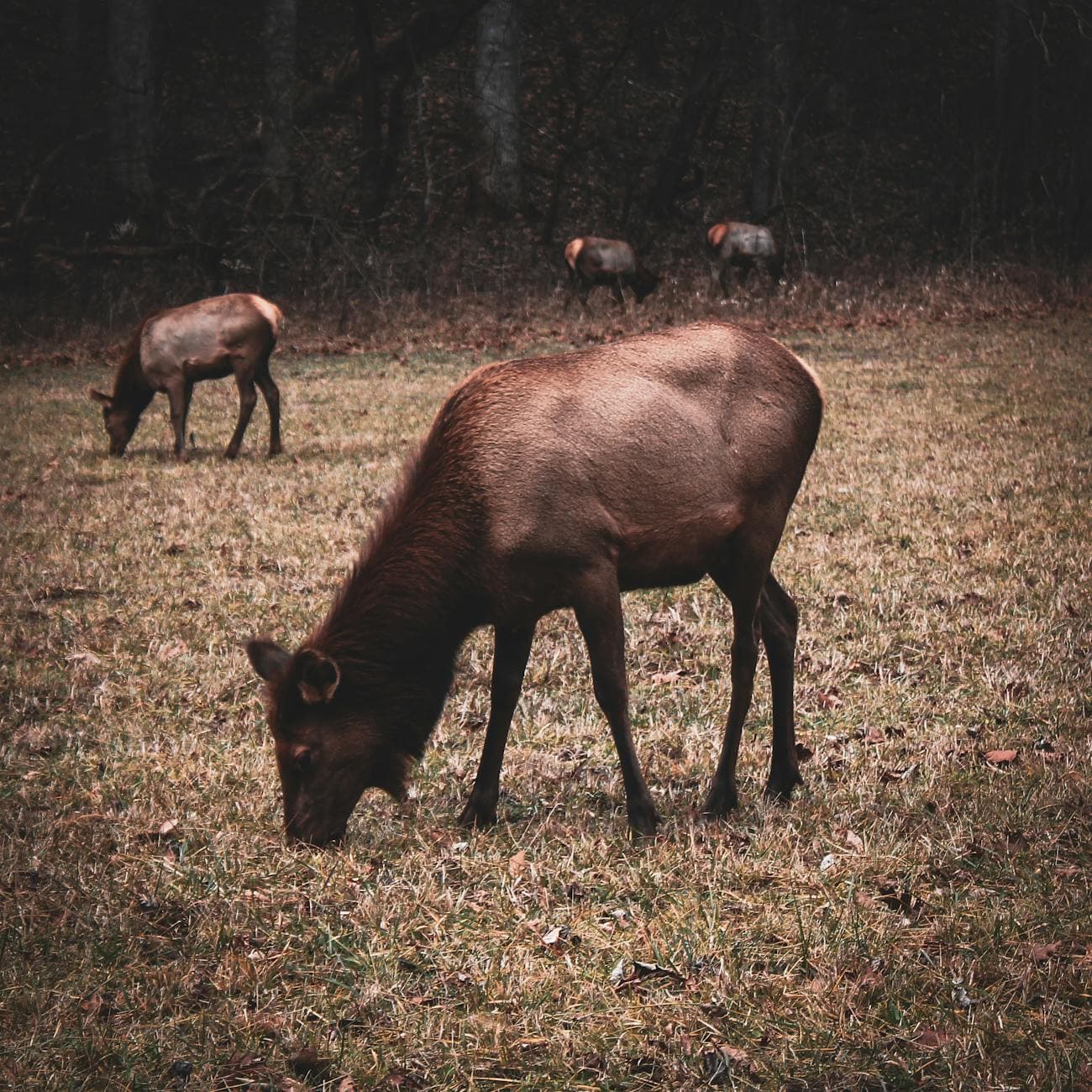
- Spot wild ponies grazing in the marsh at dusk
- Eat fried flounder at a dockside joint where locals actually eat
Day-by-Day Plan
Day 1: Landing Softly: Dunes, Flight, and First Salt Air
A gentle, low-mileage day (about 2 miles walking) easing into the rhythm of the northern Outer Banks with two iconic, easily accessible stops.
Arrive by 9am and the parking lot is still half-empty — you'll have the granite monument and the long stretch of grass where the first flight happened almost to yourself. The wind here never really stops; it's the same wind that lifted a fragile wooden frame off the sand in 1903, and standing at the boulder markers tracing each short, historic hop feels oddly moving for something so quiet. The visitor center's exhibits are worth a slow 30 minutes if the wind picks up.

Linger at the visitor center exhibits if you didn't already — the hands-on flight mechanics displays are a nice, low-energy way to ease into the trip without overloading day one. Solo travelers often find this a good spot to chat with a ranger or fellow visitor about flight history; the docents love an engaged question.
Ease into the trip at Wright Brothers National Memorial, arriving early enough that the dune monument feels like it belongs to you alone. The wind is a constant companion here, tousling hair and carrying the calls of gulls overhead as you trace the short markers where human flight began.
After a slow lunch at Sam and Omie's — the kind of place where the waitress remembers regulars by name and doesn't mind a solo traveler lingering over coffee — spend the early afternoon settling into your accommodations and getting oriented to Nags Head's rhythm. This is a day for low expectations and easy pacing, not checklist-crossing.
Wind down with dinner at Sugar Creek, where sound-side views turn gold as the sun drops and the day's travel fatigue starts to lift. A quiet first night, salt still faintly in the air, sets the tone for the wilder days ahead.
Day 2: Where the Atlantic Bares Its Teeth
A moderate day (roughly 3 miles walking) driving south to the dramatic, sparsely visited Cape Hatteras area for lighthouse views and rugged coastline.
Arrive by 9:30am and the point feels almost apocalyptic in the best way — endless roar of Atlantic swell, salt spray stinging your cheeks, and that black-and-white striped lighthouse standing sentinel against a sky that changes by the minute. This is the kind of place solo travel was made for: no one to rush, just you, the wind, and the sense of standing at the edge of something genuinely wild. Photographers should budget extra time chasing the light as clouds move.

Spend the remaining time exploring the Graveyard of the Atlantic Museum context nearby or simply walking the shoreline slowly — this stretch of coast has swallowed more ships than almost anywhere in the country, and the maritime history seeps into every plank and marker along the point.
The drive south along NC-12 is a journey in itself — marsh grass rippling, dunes rising and falling, the road narrowing until it feels like the whole world is just sand and sky. At Cape Hatteras, the Atlantic announces itself with a roar long before you see it, swells crashing against a coastline that has claimed hundreds of ships over centuries.
After a simple lunch at Dune Burger, spend the afternoon wandering the point at your own pace — there's no itinerary pressure here, just tide pools, distant fishing boats, and the hypnotic rhythm of waves. This is prime solo-travel territory: quiet, contemplative, and entirely yours to explore.
Cap the day with something easy at Fat Boyz before heading back to lodging, the salt still drying on your skin and the sound of surf still echoing faintly in your ears. Rest well — tomorrow's ferry crossing to Ocracoke starts early.
Day 3: Crossing to the Edge of the World: Ocracoke
A ferry-anchored day (about 3 miles walking) to car-free Ocracoke Island, blending wild ponies, lighthouse climbing, and slow village wandering.
Step off the ferry into a place that feels genuinely suspended in time — no chain stores, no stoplights, just sand-swept lanes and salt air. Head toward the marsh where the wild ponies graze; arrive before the midday crowd and you might catch them alone in soft morning light, manes tossing in the wind. Solo travelers often find this a good spot to chat with fellow ferry passengers who share the same slow, unhurried curiosity.

Climb into two centuries of light-keeping history — the spiral stairs are worn smooth by generations of keepers, and the 360-degree view from the gallery deck is one of the most rewarding vistas on the entire Outer Banks. Arrive after the midday crowd thins around 1pm for a quieter climb. This is a solo-friendly stop where strangers on the stairs often end up chatting about the view.

The ferry crossing itself is a small ceremony — engines humming, wake churning white against blue-gray water, land shrinking behind you until Ocracoke's low profile rises ahead. Once ashore, the island's slower pulse takes over immediately; wild ponies graze unbothered in the marsh, indifferent to your presence, wind tossing their manes.
After wandering the village's sandy lanes, the lighthouse climb offers a physical, almost meditative counterpoint — worn stone steps, salt-laced wind through iron railings, and a view that stretches unbroken to the horizon. It's the kind of solitary achievement that feels worth savoring slowly rather than rushing through.
With no direct dining data mapped for this remote stretch, plan your evening meal around the village rather than any single landmark — Ocracoke's harbor-front spots serve fresh catch in a relaxed, unpretentious style, and asking a local or fellow traveler for a recommendation is half the fun of a solo evening here.
Day 4: Last Light Over the Sound
A lighter final day (around 2 miles walking) with flexible time for a return ferry, last beach moments, and unhurried departure.
Return for one last quiet look before the ferry — early morning here is a gift, the marsh mist still lifting and the ponies often visible grazing in soft golden light before the day's first wave of visitors arrives. It's a fitting, contemplative close to a trip built around solitude and wide horizons.
One last quiet morning on Ocracoke, mist still clinging to the marsh grass as the ponies move slowly through soft early light — a peaceful, unhurried farewell to the wildest stretch of the trip.
Catch the return ferry back toward the mainland, watching the island recede the way it arrived — gradually, then all at once — before making the drive north to wrap up the visit at your own pace.
With travel logistics dominating the final hours, keep dinner simple and flexible; whether it's a quick bite near the ferry terminal or something en route, let the day close gently rather than rushing to fit in one more stop.
Want to tweak this trip?
Our AI planner can customize this itinerary to your exact dates, interests, and travel style.
Customize This ItineraryRestaurant details (hours, menus, availability) change frequently, especially in shoulder season. Check current hours before visiting.
Dietary compatibility tags are general guidance. If you have severe allergies, confirm directly with the restaurant.
Travel tips are general guidance, not professional safety advice. Check government advisories and local conditions, especially regarding surf and weather, for the latest information.
All prices are approximate and may vary seasonally.
Attractions in This Itinerary
More Itineraries for Outer Banks (Nags Head, Ocracoke, Hatteras)
Explore North Carolina