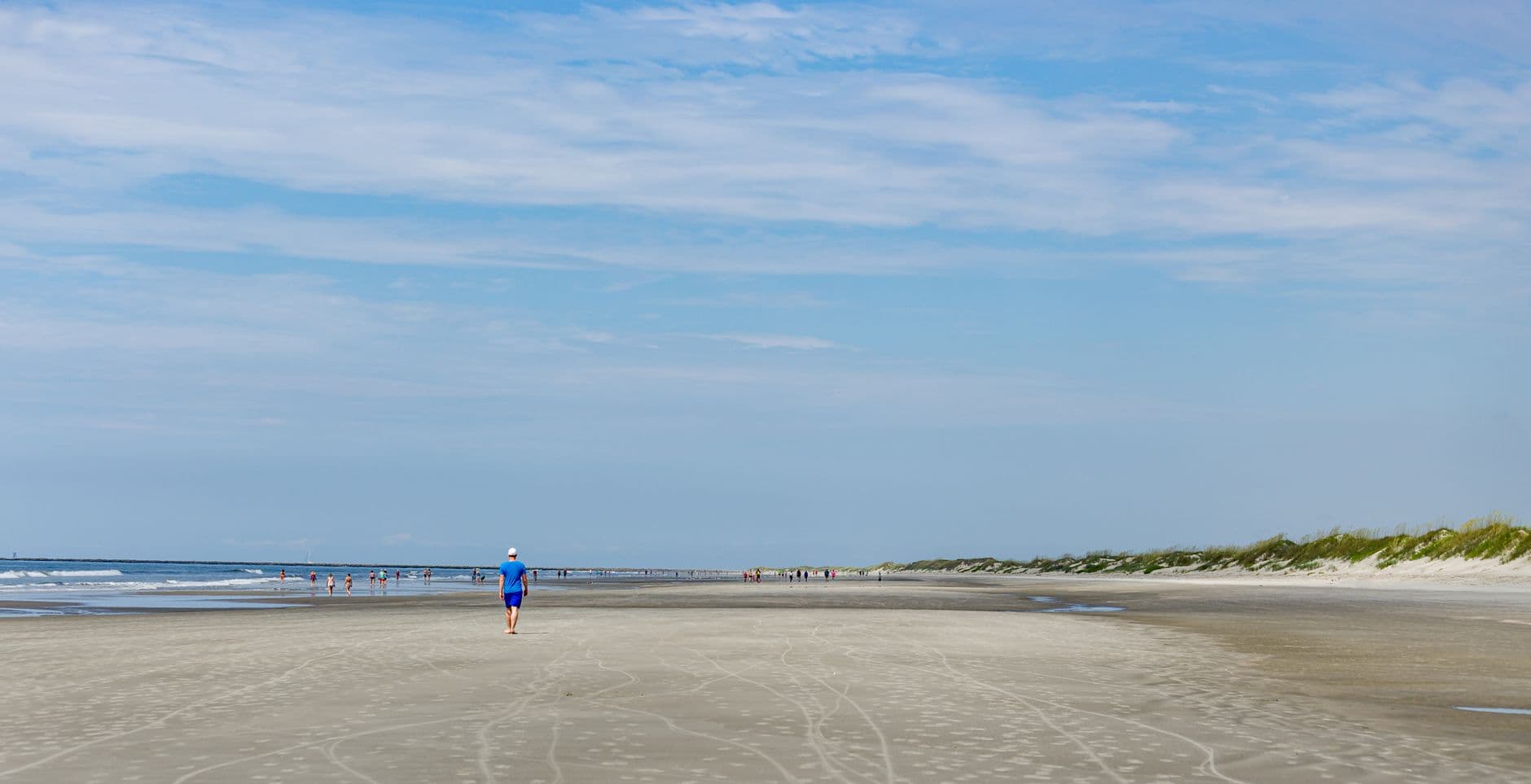
The Outer Banks are a wild, windswept ribbon of sand where maritime history and untamed nature collide. From the legendary Wright Brothers' first flight at Kitty Hawk to the haunting Cape Hatteras Lighthouse standing sentinel over the Atlantic's most treacherous waters, these barrier islands pulse with stories of adventure, resilience, and discovery. Whether you're climbing the towering dunes of Jockey's Ridge, spotting the wild ponies of Ocracoke, or simply watching storms roll across the sound, the Outer Banks offer an intoxicating blend of history, solitude, and elemental beauty.
Key Attractions
View all attractions →
Cape Hatteras NS
Robin Anderson / pexels (Pexels License)

Jockey’s Ridge
Landiva Weber / pexels (Pexels License)
Ocracoke Beach Walk
A wide, peaceful stretch of sand with few crowds, perfect for meditative strolls, shell hunting, or simply absorbing the quiet rhythm of the Atlantic. The beach's serene atmosphere and dramatic soundside sunsets create an ideal backdrop for solitude and contemplation.
Photo by LuAnn Hunt on Pexels

Ocracoke Island (ponies, lighthouse)
Dottie Di Liddo / pexels (Pexels License)

Ocracoke Lighthouse
A distinctive white-and-black striped beacon standing sentinel over the sound since 1823, offering sweeping views of the Atlantic and a tangible connection to maritime history. Climb to the top for photography that captures the island's isolated beauty and watch the light begin to glow as sunset approaches.
Photo by Mark Stebnicki on Pexels
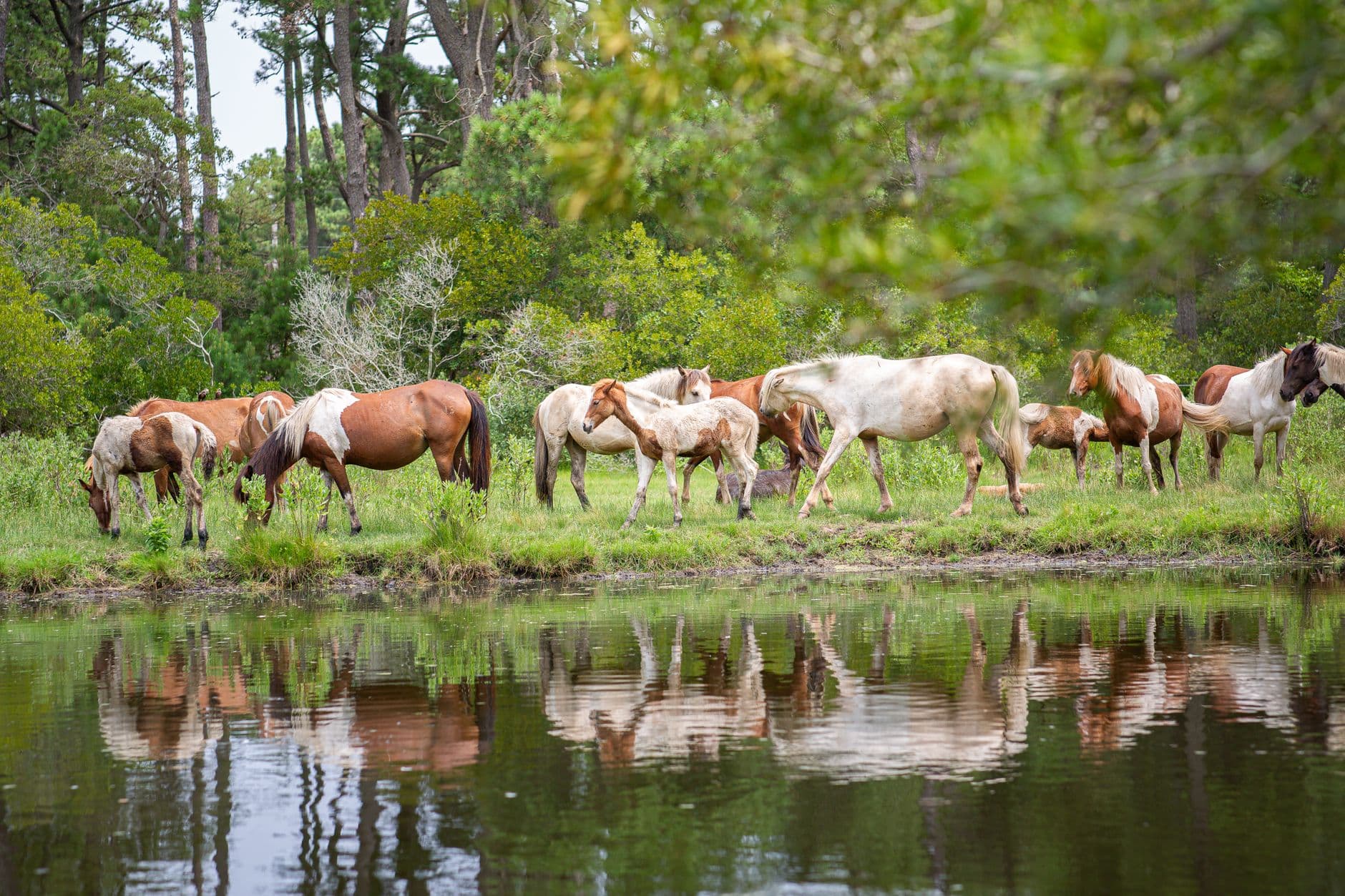
Ocracoke Wild Horses
Encounter the famous free-roaming horses that have lived on Ocracoke for centuries, descendants of Spanish mustangs, grazing peacefully in their protected habitat. Best experienced early morning or late afternoon when they're most active, these gentle creatures offer an almost dreamlike wildlife encounter in an undisturbed coastal setting.
Photo by Christy Rice on Pexels

Wright Brothers NM
Tom Fournier / pexels (Pexels License)
Itineraries Here
Planning a Trip to Outer Banks (Nags Head, Ocracoke, Hatteras): FAQs
When is the best time to visit Outer Banks (Nags Head, Ocracoke, Hatteras)?
⌄
The best time to visit Outer Banks (Nags Head, Ocracoke, Hatteras) is fall.
How many days do you need in Outer Banks (Nags Head, Ocracoke, Hatteras)?
⌄
Plan on about 4 days to cover Outer Banks (Nags Head, Ocracoke, Hatteras)'s highlights at a comfortable pace.
How do you get to Outer Banks (Nags Head, Ocracoke, Hatteras)?
⌄
The Outer Banks are a 4–5 hour drive from Raleigh or Norfolk. Closest major airports are Norfolk International (ORF, ~2.5 hours) and Raleigh-Durham (RDH, ~4 hours). US Route 158 and NC Highway 12 provide scenic but winding access; plan for slower driving, especially in summer. Ferry access to Ocracoke Island (2.5 hours from Cedar Island or 1 hour from Swan Quarter) requires reservations during peak season.
What are the top things to do in Outer Banks (Nags Head, Ocracoke, Hatteras)?
⌄
Top attractions in Outer Banks (Nags Head, Ocracoke, Hatteras) include Cape Hatteras NS, Jockey’s Ridge, Ocracoke Beach Walk, Ocracoke Island (ponies, lighthouse) and Ocracoke Lighthouse. Itinara lists 7 verified attractions in total.