Outer Banks (Nags Head, Ocracoke, Hatteras), North Carolina
3-Day Itinerary for Active Retirees
“Wind, Wings, and Wild Ponies: 3 Days Along the Outer Banks”
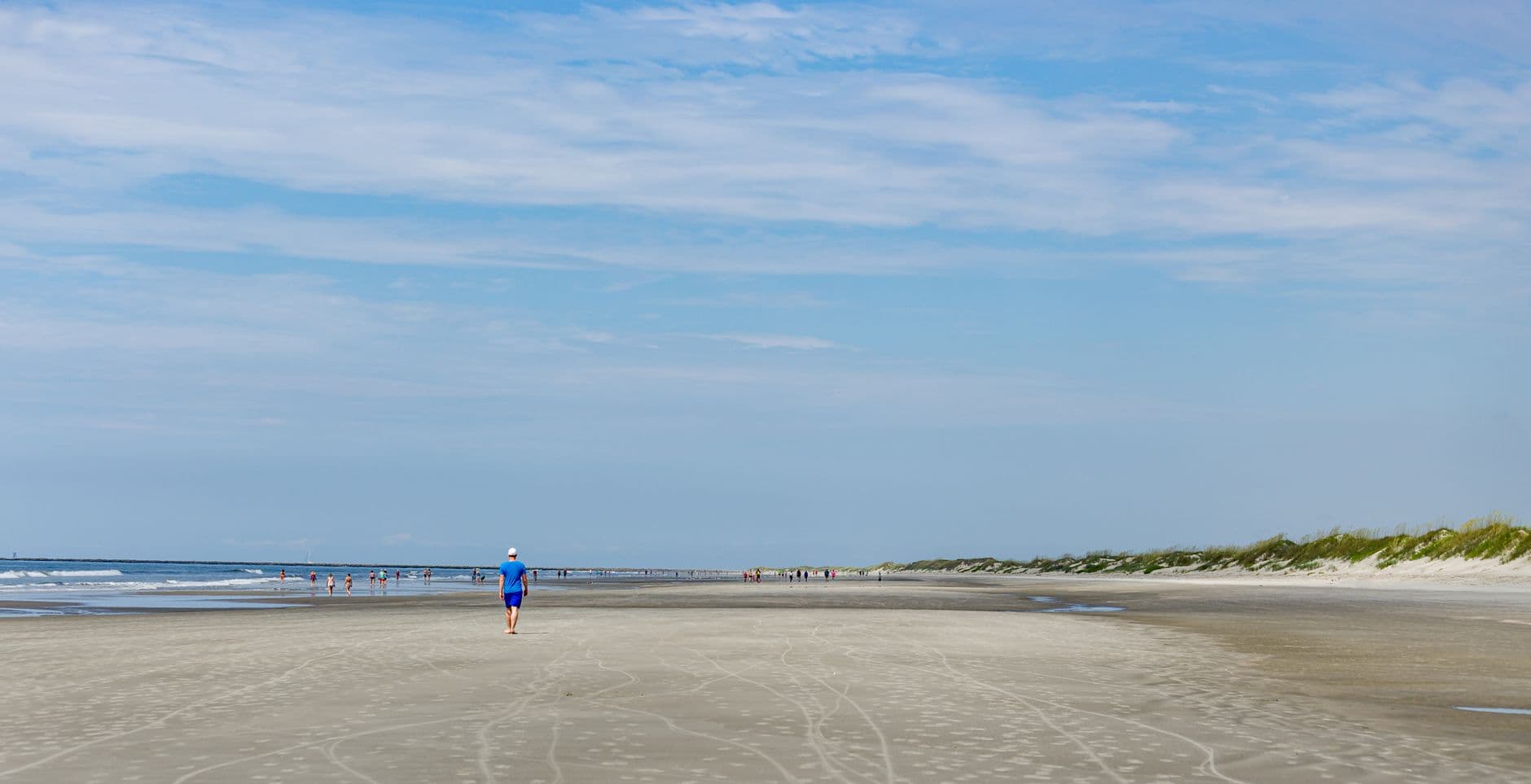
Here the land is barely land at all—just a thin ribbon of sand holding its breath between two restless waters. Spring lays wildflowers into the dune grass and softens the light, and the crowds haven't yet arrived to fill the porches and parking lots. This is a trip for savoring: a lighthouse climbed slowly, a lunch that runs long, a pony spotted in the marsh at the exact moment the wind goes still.
At a Glance
Highlights
- Standing where the Wright Brothers turned imagination into flight
- The Cape Hatteras Lighthouse rising like a barber-pole sentinel against storm clouds
- A slow ferry crossing into the timelessness of Ocracoke
- Wild ponies grazing unbothered in salt marsh grass
- Fresh flounder and hushpuppies at a dockside table
- Golden hour on wind-sculpted dunes at Jockey's Ridge
- The particular quiet of shoulder season—same beauty, none of the crowds
Day-by-Day Plan
Day 1: Arrival & First Flight
A low-key first day in Nags Head and Kill Devil Hills with one historic landmark and easy, flat walking totaling under a mile.
Arrive by 9am and the grounds are nearly yours—just the wind moving through the grass and the granite monument catching the first strong light of the day. Walk the flat path from the visitor center out to the boulder marking the exact spot where the Wright Flyer first left the ground; the scale of that short, historic hop feels almost impossibly modest against the vast sky. The visitor center itself is unhurried and well-suited to a slow morning, with full-size flyer replicas and stories that reward lingering.

Ease into the trip with a slow, sunlit morning at the Wright Brothers National Memorial. Arrive early enough that the grounds still belong mostly to the gulls, and let the flat, accessible paths carry you from the visitor center to the very spot where two bicycle mechanics changed the world. There's no need to rush here—the story unfolds best at an unhurried pace, with benches placed exactly where you'll want to sit and take it all in.
Keep the afternoon open and easy—settle into your accommodations, take a short stroll along the Nags Head shoreline, or simply rest after the travel day. This is intentionally light: a day to let your body adjust to salt air and slower island time before the more active days ahead.
Head to Sam and Omie's for a relaxed, no-pretense seafood dinner—the kind of place where locals and visitors share the same worn booths. Go early, around 5:30 or 6pm, for quieter seating and unhurried service, then let the evening wind down gently; most Outer Banks kitchens close by 8:30 or 9pm this time of year.
Day 2: The Wild Edge of Hatteras
A moderate day exploring the windswept Cape Hatteras National Seashore, with about 1.5 miles of uneven walking near the lighthouse grounds.
The drive south along NC-12 is a worthwhile journey in itself—marsh giving way to open dune, the road narrowing until it feels like you're driving on a spine of sand between two seas. Arrive by 9:30am to have the point relatively to yourself before the mid-morning crowds gather; the roar of the Atlantic against the narrow spit here is different from anywhere else on the Outer Banks—louder, more insistent, carrying the weight of the Graveyard of the Atlantic's history. Take your time at the overlooks; benches are sparse, so pace yourself and rest when needed.

Give yourself the whole morning for the drive and the Cape itself—this is not a place to rush. As you near Buxton, the landscape strips down to its essentials: sand, sky, and the endless working of the Atlantic. Walk out toward the point slowly, letting the wind and the sound of the surf set the pace; this is a place better felt than photographed quickly.
After a long lunch at Sugar Creek, let the afternoon stay unstructured—stroll the nearby beach, watch the lighthouse from a distance, or simply sit somewhere with a view and let the wind do its work. The pace here rewards patience over checklist-touring.
Dinner at Dune Burger offers a welcome, easy contrast to a day of seafood and salt air—casual, quick, and satisfying. Eat early, as many Hatteras-area kitchens wind down by 8pm in spring, and enjoy the quieter, more contemplative mood of this remote stretch of coast as the light fades.
Day 3: Ferry to the Edge of the World
A gentle full day on Ocracoke Island combining a scenic ferry crossing, wild pony viewing, and a lighthouse visit, with under 1 mile of easy walking.
The ferry crossing itself is part of the experience—open water, salt spray, and that particular feeling of leaving the mainland's pace behind. Once on the island, drive or walk toward the marsh areas near the lighthouse road, where wild ponies often graze in loose bands, their manes tossing in the wind. Keep a respectful distance; these are protected animals, habituated but not tame, and the sight of them grazing calmly against the marsh grass is one of the most quietly moving moments of the trip.

A short stroll from the pony-viewing area brings you to the lighthouse itself, its white tower simple and unadorned against the maritime forest. The stairs to the top are steep and not for everyone in this group—but even viewed from the ground, the sense of standing before 200 years of continuous service is powerful. The keeper's cottage nearby offers a quieter, more accessible way to absorb the history without the climb.

Board the early ferry with a coffee in hand and let the crossing set an unhurried tone for the day—this is travel as it used to be, slow and full of open water and sky. On arrival, ease into pony-spotting along the marsh roads, watching quietly from a respectful distance as these wild, wind-tousled animals graze in a scene that feels almost unchanged for a century.
A short, easy walk brings you to the lighthouse itself, where the choice to climb or simply admire from below is entirely yours—either way, the sense of standing at one of the most remote points on the Eastern Seaboard is palpable. Spend the early afternoon wandering Ocracoke's car-free village, its narrow lanes, weathered cottages, and unhurried bohemian spirit offering a fitting final note for the trip.
Linger in the village as the light softens, finding a quiet spot to watch the boats in Silver Lake harbor before catching your return ferry. There's a particular stillness to Ocracoke at day's end—wind easing, ponies settling into the marsh grass, the whole island exhaling into evening as your Outer Banks journey comes full circle.
Want to tweak this trip?
Our AI planner can customize this itinerary to your exact dates, interests, and travel style.
Customize This ItineraryRestaurant details (hours, menus, availability) change frequently, especially in shoulder season. Check current hours before visiting.
Dietary compatibility tags are general guidance. If you have severe allergies, confirm directly with the restaurant.
Travel tips are general guidance, not professional safety advice. Check government advisories and local conditions, especially regarding water safety and ferry schedules, before visiting.
All prices are approximate and may vary seasonally, including ferry fees and lighthouse admission.
Attractions in This Itinerary
More Itineraries for Outer Banks (Nags Head, Ocracoke, Hatteras)
Explore North Carolina