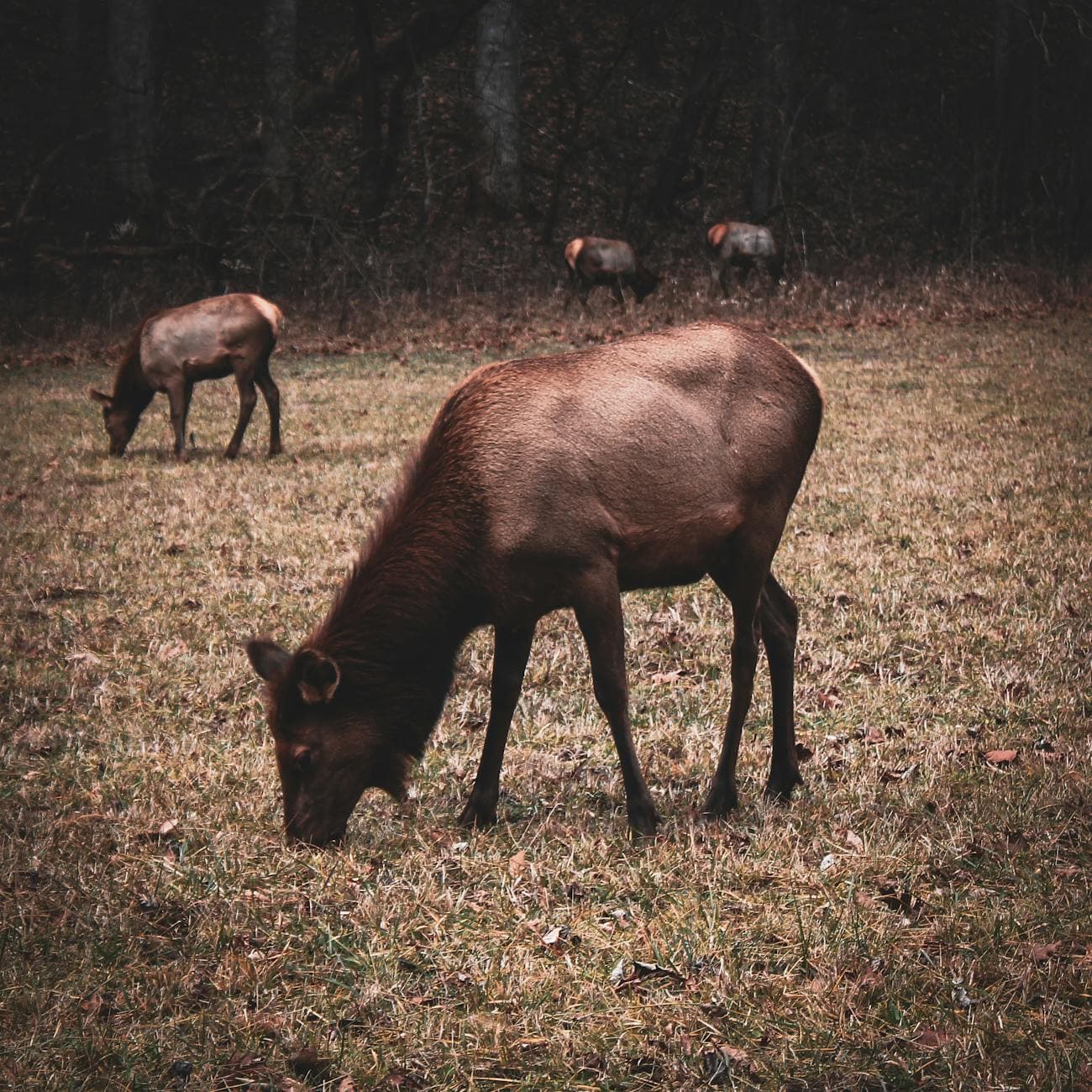
The North Carolina side of Great Smoky Mountains reveals an intimate portrait of ancient Appalachia—where mist clings to forested ridges and wild elk graze in pastoral valleys unchanged for centuries. From the windswept heights of Clingmans Dome to the living history of Cataloochee's homesteads, this corner of America's most-visited national park offers solitude and majesty in equal measure. The mountains whisper stories of Cherokee heritage, mountain culture, and untamed wilderness that few travelers ever fully discover.
Key Attractions
View all attractions →Cataloochee Valley (elk)
Niki Clark / pexels (Pexels License)

Clingmans Dome
Famartin / openverse (by-sa)
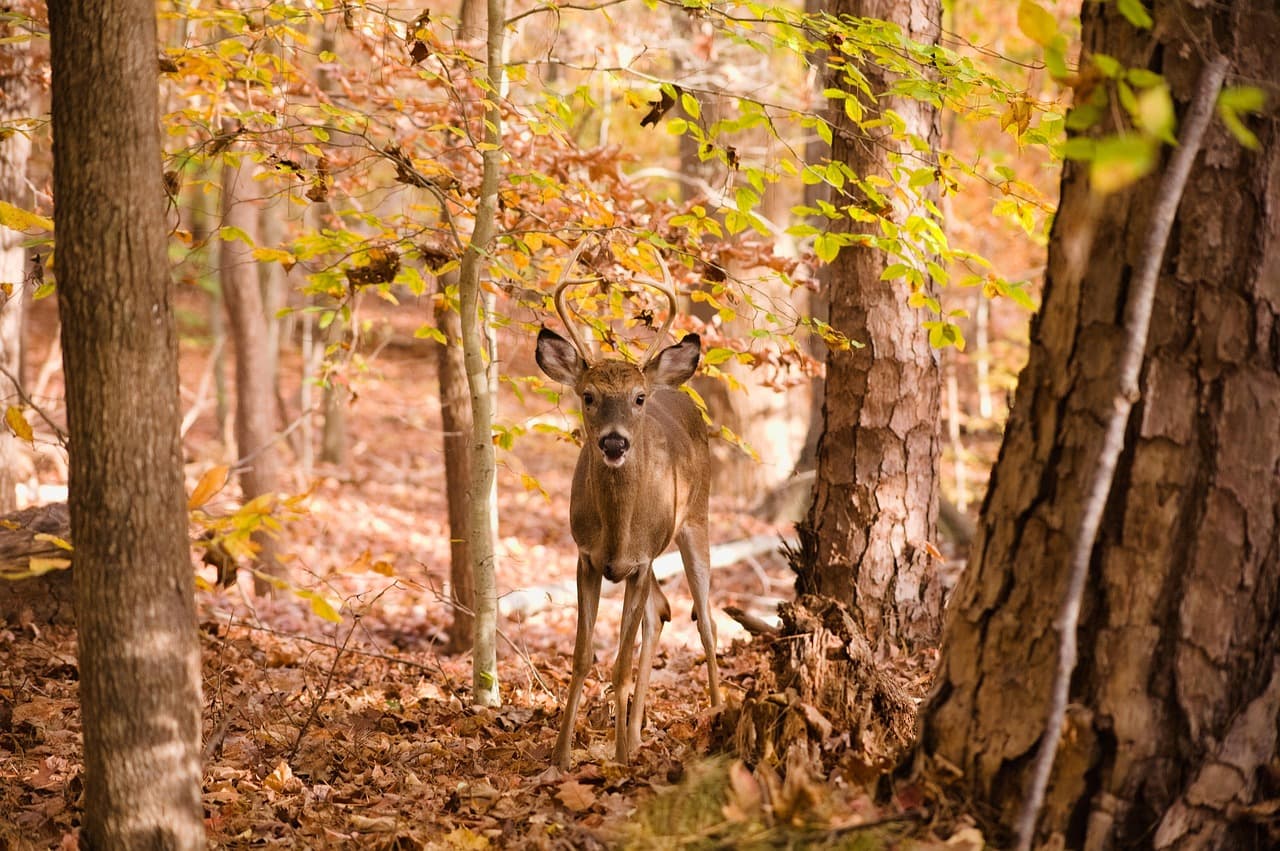
Laurel Falls Trail
This popular 2.6-mile round-trip waterfall hike showcases old-growth hemlock and rhododendron forests, leading to a picturesque 75-foot cascade nestled in the misty mountains. The trail's moderate difficulty and rewarding destination make it ideal for experiencing the park's lush wilderness and understanding why the Smokies earned their name.
Photo by jothamsutharson on Pixabay

Mingus Mill
A restored 1886 water-powered grist mill stands as a testament to Appalachian ingenuity, grinding corn and grain using traditional methods while interpreting the region's agricultural heritage. Visitors can watch demonstrations and learn about early settler and Cherokee lifeways in the Smoky Mountains.
Photo by Jteder on Pixabay

Newfound Gap Road
This iconic 31-mile scenic drive connects North Carolina to Tennessee, offering breathtaking mountain vistas, multiple overlooks, and access to some of the park's most popular trails. The road climbs to 5,046 feet, providing stunning autumn foliage views and opportunities to spot elk and other wildlife.
Photo by Esteban Carriazo on Pexels

Oconaluftee
James St. John / openverse (by)
Itineraries Here
Planning a Trip to Great Smoky Mountains (NC side): FAQs
When is the best time to visit Great Smoky Mountains (NC side)?
⌄
The best time to visit Great Smoky Mountains (NC side) is fall.
How many days do you need in Great Smoky Mountains (NC side)?
⌄
Plan on about 3 days to cover Great Smoky Mountains (NC side)'s highlights at a comfortable pace.
How do you get to Great Smoky Mountains (NC side)?
⌄
Asheville Regional Airport (AVL) is 45 minutes away; Charlotte Douglas (CLT) is 2.5 hours. From Atlanta, allow 3.5 hours; from Washington D.C., 6.5 hours. The park entrance at Oconaluftee is accessible via US-441; Cataloochee requires a scenic 20-minute drive from Cove Creek entrance. No commercial transit serves the park; a personal vehicle is essential.
What are the top things to do in Great Smoky Mountains (NC side)?
⌄
Top attractions in Great Smoky Mountains (NC side) include Cataloochee Valley (elk), Clingmans Dome, Laurel Falls Trail, Mingus Mill and Newfound Gap Road. Itinara lists 6 verified attractions in total.