5 DaysSolo Traveler9 Stops

Outer Banks (Nags Head, Ocracoke, Hatteras), North Carolina

5-Day Itinerary for Solo Traveler

β€œSand, Salt, and Solitude: 5 Days Solo on the Outer Banks”
Sand, Salt, and Solitude: 5 Days Solo on the Outer Banks

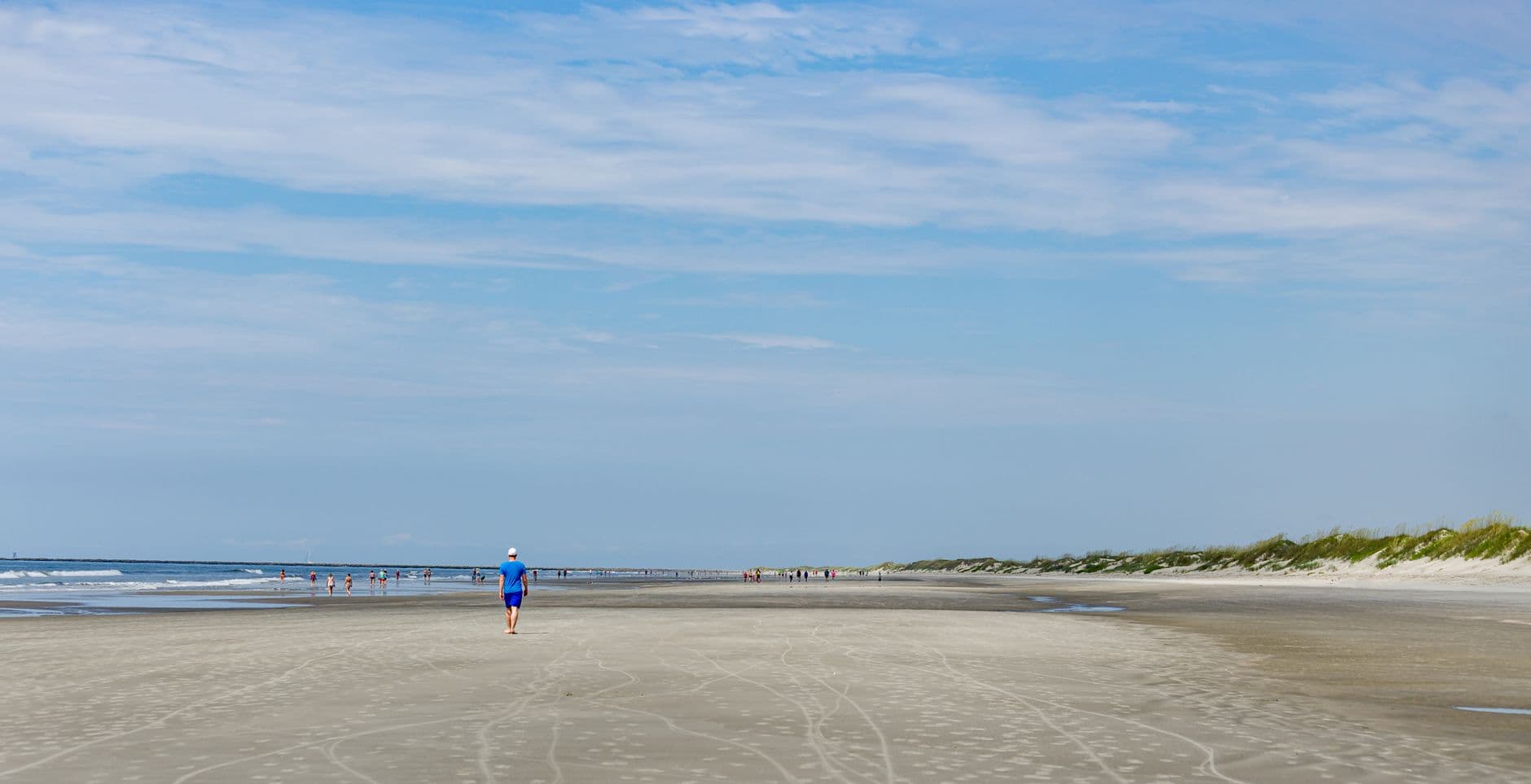
Here the horizon never quite settles β€” dunes shift, tides erase footprints, and lighthouses keep watch over a coastline that has swallowed more ships than anyone can count. This is a trip for the solo traveler who wants long stretches of quiet, salt-cracked skin, and just enough conversation over a plate of fried flounder to remind you why you came alone in the first place.

At a Glance

Climate & Weather
Summer (July–August) runs warm and humid, 80–81Β°F, ideal for swimming but crowded with tourists chasing the same weather. Pack breathable, quick-dry clothing, a wide-brim hat, reef-safe sunscreen, and a light rain shell β€” afternoon pop-up storms are common. Bring sturdy sandals for dune climbs and lighthouse cobblestones.
Getting Around
A car is essential β€” NC Highway 12 links Nags Head, Hatteras, and the Ocracoke ferry terminal, though it's a slow, winding drive, especially in summer traffic. Ocracoke Island itself is small and walkable or bikeable once you arrive; leave the car near your lodging and explore the village on foot.
Budget
Expect to spend roughly $80–130/day on food and activities as a solo traveler β€” lighthouse climbs and museum admissions are modest ($8–10 each), but seafood dinners and ferry-adjacent convenience add up.
Safety
The Outer Banks are generally very safe for solo travelers, but ocean conditions demand respect β€” ask lifeguards or locals about rip currents before swimming, and never swim alone at dusk or in rough surf. Hurricane season (August–October) means checking forecasts before and during your trip. Ocracoke's wild ponies are photogenic but should be observed from a distance and never fed.
Connectivity
Cell coverage is solid in Nags Head and Kill Devil Hills, patchier around Cape Hatteras, and noticeably weaker on Ocracoke Island β€” download offline maps and let someone know your rough plans before the ferry crossing.
Local Tips
Book Ocracoke ferry reservations well ahead in summer β€” walk-ons risk long waits. Start beach and lighthouse visits by 7:30–8am to beat both the heat and the crowds. Stock up on snacks and water before heading to Hatteras or Ocracoke, where options thin out fast once you're past the main village strip.

Highlights

  • Climb the dune at Jockey's Ridge before the morning heat sets in
  • Stand where the Wright Flyer first left the ground at Kitty Hawk
  • Watch the black-and-white spiral of Cape Hatteras Lighthouse against storm clouds
  • Catch the ferry to car-free Ocracoke and spot wild ponies grazing in the marsh
  • Climb 200 years of spiral stairs inside the Ocracoke Lighthouse
  • Solo-friendly seafood counters and dockside spots made for striking up conversation
  • Sunset light over the Pamlico Sound with almost no one else around

Day-by-Day Plan

Arrival & orientation

Day 1: First Light and First Flight

A gentle half-day easing into the rhythm of the Outer Banks with two iconic, low-exertion stops and roughly 2 miles of walking.

Wear
Light breathable clothing, closed-toe walking shoes for dune sand, sunglasses, and a hat β€” the sun reflects hard off both sand and monument granite.
Budget
$60–90 (admission fees, casual lunch, dinner)
9:00 AM - 10:30 AM
Wright Brothers NM Β· morning Β· 90 min Β· Nags Head & Kill Devil Hills

Arrive by 9am and the grounds are nearly empty β€” just you, the wind, and the granite monument catching early light on the dune crest. The visitor center's exhibits on Orville and Wilbur's obsessive tinkering are engaging enough to slow your pace, and the First Flight boulder marker feels almost anticlimactic in its modesty given what happened there. This is an easy, low-stakes way to start a solo trip: flat paths, frequent benches, and no pressure to rush.

Wright Brothers NM
Tom Fournier / pexels (Pexels License)
Shoot the granite monument from the dune base looking up β€” the sky dominates and gives the shot scale.
Fully wheelchair accessible with flat paved paths and frequent benches.
75 min drive β€” A long, hypnotic drive south on NC-12 with marsh on one side and ocean glimpses on the other β€” a good excuse to roll the windows down.
2:00 PM - 3:00 PM
Cape Hatteras NS Β· afternoon Β· 60 min Β· Cape Hatteras & Buxton

An easy first glimpse of the wilder Outer Banks β€” no lighthouse climb today, just the roar of Atlantic swells and that first sight of the iconic black-and-white spiral in the distance. Keep this stop light on Day 1; it's more about orientation than a full excursion, letting you gauge the drive time and terrain before tomorrow's deeper visit.

Cape Hatteras NS
Robin Anderson / pexels (Pexels License)
Late afternoon light rakes across the shoreline β€” worth a few shots even without climbing the tower.
Uneven, sandy terrain; viewing from nearby pullouts is more accessible than beach walking.
Lunch
Sam and Omie's Restaurant $$
Regional, Seafood Β· Near Cape Hatteras NS
A local institution near Cape Hatteras with counter seating that makes solo dining easy and conversation-friendly.
Dinner
Sugar Creek Restaurant $$
Seafood Β· Near Cape Hatteras NS
Waterfront seafood with a relaxed, unpretentious vibe β€” good for a solo dinner watching the sound go dark.
If it rains: The Wright Brothers visitor center is fully enclosed and can easily absorb 45+ extra minutes if weather turns; consider extending your time there rather than pushing on to Hatteras in a downpour.

Ease into the trip with sand, salt air, and the strange stillness of a place where two brothers proved flight was possible. The Wright Brothers monument grounds are quiet in the morning β€” good for slow, unhurried wandering and a few contemplative photos before the day heats up.

The drive south along NC-12 shifts the mood entirely β€” marsh grass, big sky, and your first sight of the Cape Hatteras Lighthouse rising over the dunes. Keep expectations light today; this is a preview, not the main event.

Settle into dinner near Cape Hatteras with a plate of fresh-caught seafood and the sound of the Atlantic still ringing in your ears from the day. An early night sets you up well for tomorrow's fuller lighthouse visit.

Dunes & lighthouse

Day 2: Windswept and Wide Open

A moderately active day exploring Nags Head's dune and Cape Hatteras's lighthouse in depth, with roughly 3–4 miles of walking across sand and boardwalk.

Wear
Sturdy sandals or trail shoes for dune sand, sun protection, and a light layer for wind at the lighthouse gallery deck.
Budget
$70–100 (admission, lunch, dinner, incidentals)
7:30 AM - 9:30 AM
Cape Hatteras NS Β· morning Β· 120 min Β· Cape Hatteras & Buxton

Arrive by 7:30am and the point is yours β€” just the roar of Diamond Shoals swells and the lighthouse catching first light. This is the golden hour photographers wait all day for, and by 9am the parking areas start filling. Wander the shoreline slowly; the Graveyard of the Atlantic history embedded in this coast is easy to feel even without a museum visit.

Cape Hatteras NS
Robin Anderson / pexels (Pexels License)
Shoot the lighthouse against the sunrise from the point looking northeast toward Diamond Shoals β€” the light is unbeatable before 8am.
Sandy, uneven terrain; nearby overlooks offer accessible viewing without beach walking.
75 min drive β€” Backtrack north on NC-12, the ocean flashing between dune breaks the whole way.
1:00 PM - 2:00 PM
Wright Brothers NM Β· afternoon Β· 60 min Β· Nags Head & Kill Devil Hills

A shorter return visit if you want extra photography time at Jockey's Ridge nearby, or simply a chance to revisit the monument grounds in different light β€” skip if you covered it thoroughly on Day 1 and prefer more beach time instead.

Wright Brothers NM
Tom Fournier / pexels (Pexels License)
Midday light is flat here β€” better for wide landscape shots than dramatic monument portraits.
Flat paved paths, wheelchair accessible.
Breakfast
Fat Boyz $
Ice cream, Sandwich Β· Near Cape Hatteras NS
A casual grab-and-go spot near Cape Hatteras good for a quick bite before sunrise photography.
Lunch
Dune Burger $
Burger Β· Near Cape Hatteras NS
Simple, no-frills burger counter with outdoor seating β€” easy solo lunch spot with locals mixed in.
Optional detour: Wright Brothers NM β€” After Cape Hatteras NS morning visit and before dinner
A second, quieter look at the monument grounds in different afternoon light, especially good for photographers wanting variety. Skip if: If you spent ample time there Day 1, this slot is better used for extra beach relaxation or an earlier drive to your Ocracoke ferry prep.
If it rains: Heavy rain or lightning closes lighthouse climbs and makes the Cape's open point exposed and uncomfortable; retreat to the Graveyard of the Atlantic Museum context nearby, or the Wright Brothers visitor center for sheltered exhibits.

The Cape at dawn is elemental β€” wind, spray, and that towering black-and-white spiral standing against a sky just turning pink. Give yourself real time here; the golden hour photography window is short but extraordinary, and by mid-morning the crowds arrive in earnest.

The pace slows considerably after lunch. A return to Nags Head offers a change of scenery and softer light, or simply more time to rest before tomorrow's ferry crossing to Ocracoke β€” a good day to listen to your energy level.

Keep dinner casual and early tonight; tomorrow's ferry departure means an earlier start, and the working-waterfront spots near Hatteras close down by 9 or so in true island rhythm.

Ferry & ponies

Day 3: Crossing to the Edge of the Map

A full transition day: ferry crossing to Ocracoke Island followed by an easy, low-exertion exploration of the lighthouse and pony habitat, roughly 2 miles of walking.

Wear
Layers for the ferry deck (wind and spray), comfortable walking shoes, and a hat β€” Ocracoke offers little shade.
Budget
$50–80 (ferry is typically free or low-cost for passengers, lodging separate, meals and incidentals)
150 min ferry β€” The Cedar Island ferry cuts across open sound water for two and a half hours β€” bring a book, watch for dolphins, and feel the mainland recede behind you.
12:00 PM - 1:00 PM
Ocracoke Island (ponies, lighthouse) Β· midday Β· 60 min Β· Ocracoke Island

Stepping off the ferry onto Ocracoke feels like arriving somewhere the calendar forgot. The wild ponies graze in a fenced marsh pasture near the road β€” approach quietly, keep your distance, and let the strange thrill of seeing them settle in. This is a good stop to simply slow down after the ferry crossing; there's no rush here, and the island's whole rhythm invites it.

Ocracoke Island (ponies, lighthouse)
Dottie Di Liddo / pexels (Pexels License)
Late morning light on the marsh grass makes for good wide shots of ponies grazing at a respectful distance.
Ground-level viewing of ponies is accessible; uneven marsh edges limit closer wheelchair access.
15 min walk β€” A short walk through the village past weathered cottages and fig trees leaning over picket fences.
3:00 PM - 4:00 PM
Ocracoke Lighthouse Β· afternoon Β· 60 min Β· Ocracoke Island

The climb inside is tight, worn smooth by two centuries of keepers' boots, and the payoff at the top is a 360-degree horizon of marsh, sound, and distant surf. Solo travelers often find themselves chatting with fellow climbers on the stairwell β€” a small, easy social moment in an otherwise solitary day. Arrive after 3pm and the midday crowd has thinned considerably.

Ocracoke Lighthouse
Photo by Mark Stebnicki on Pexels
The gallery deck facing southwest catches beautiful late-afternoon light β€” a strong option if you skip full sunset and want dinner time instead.
Spiral stairs are not accessible; ground-level viewing available for those unable to climb.
Optional detour: Ocracoke Island (ponies, lighthouse) β€” After Ocracoke Lighthouse climb and before dinner
A second, quieter pony-spotting pass at golden hour when the light softens and crowds thin further. Skip if: If you're tired from the ferry crossing and lighthouse climb, this can easily be swapped for early rest instead.
If it rains: Heavy rain or lightning closes the lighthouse tower; the keeper's cottage museum and village shops offer sheltered alternatives, and light rain still allows for pony-spotting from the road.

The morning belongs entirely to the ferry β€” two and a half hours of open sound water, salt spray on the deck rail, and the odd sensation of watching the mainland shrink to a thin line behind you. It's a rare stretch of forced stillness, good for reading or simply staring at the horizon.

Ocracoke reveals itself slowly: wild ponies in the marsh, a village that feels decades removed from the mainland's bustle, and a lighthouse climb that rewards patience with a sweeping view. The pace here is deliberately unhurried β€” let it be.

Dining options on Ocracoke aren't listed in our sources for this stop, so plan your evening meal around the village center rather than any specific venue β€” ask locally for the current favorite, as small operations here shift season to season.

Island solitude

Day 4: The Loneliest Light

A quiet, low-exertion day centered on Ocracoke's lighthouse grounds and open exploration time, roughly 2–3 miles of walking with plenty of rest built in.

Wear
Breathable layers, sun hat, and comfortable shoes for village wandering β€” the island's flat terrain makes for easy walking.
Budget
$50–75 (meals, incidentals; lighthouse admission if not covered previous day)
7:30 AM - 8:30 AM
Ocracoke Lighthouse Β· morning Β· 60 min Β· Ocracoke Island

Return at 7:30am for a completely different lighthouse β€” empty grounds, low golden light raking across the tower, and a stillness that summer afternoons never offer. If you climbed yesterday, use this visit for photography and quiet reflection instead of another ascent; the exterior alone rewards an early return.

Ocracoke Lighthouse
Photo by Mark Stebnicki on Pexels
Sunrise light on the tower's east face is dramatic and largely crowd-free before 8am.
Ground-level viewing accessible; tower climb remains stairs-only.
15 min walk β€” Backtrack through the village, past the same fig trees and cottages, now warming in mid-morning sun.
10:30 AM - 11:30 AM
Ocracoke Island (ponies, lighthouse) Β· midday Β· 60 min Β· Ocracoke Island

A second, more leisurely pony-watching session, ideally paired with a walk toward the beach access points nearby. This is the day to simply slow all the way down β€” sit in the marsh grass wind, watch the ponies graze, and let the island's isolation sink in fully.

Ocracoke Island (ponies, lighthouse)
Dottie Di Liddo / pexels (Pexels License)
Midday sun is harsh for portraits but good for wide landscape shots capturing the scale of the marsh.
Ground-level viewing accessible; uneven marsh edges limit closer approach.
Optional detour: Ocracoke Lighthouse β€” After midday pony-watching and before evening rest
A third visit at golden hour offers yet another lighting condition for photographers who want the full range. Skip if: Most travelers will find two lighthouse visits sufficient β€” better to use this time for unstructured beach relaxation instead.
If it rains: Rain closes the tower climb but the village remains walkable in light rain; use downtime for the keeper's cottage museum or simply rest at lodging until skies clear.

An early return to the lighthouse grounds rewards you with soft light and total quiet β€” no lines, no crowds, just the tower and the marsh waking up around you. This is the kind of morning that solo travel is built for.

Keep the afternoon deliberately unstructured. Ocracoke doesn't reward rushing, and a slow walk toward the beach or simply sitting with a book near the harbor fits the island's unhurried pulse better than another scheduled stop.

Dining specifics for this stretch of the island aren't in our sources, so treat this evening as an opportunity to ask fellow travelers or your lodging host for their current favorite β€” small seasonal spots come and go here, and locals usually know best.

Departure & farewell

Day 5: Last Light, Last Ferry

A lighter final day balancing one last lighthouse or pony visit with the return ferry crossing, roughly 1–2 miles of walking.

Wear
Comfortable travel clothes and a light layer for the ferry deck; pack sunscreen for one final stretch of exposure.
Budget
$40–60 (final meals, incidentals)
8:00 AM - 9:00 AM
Ocracoke Island (ponies, lighthouse) Β· morning Β· 60 min Β· Ocracoke Island

A final, quiet farewell to the ponies before the ferry departs β€” early light, cool air, and the marsh at its most peaceful. This is a good moment for reflection on a trip built around solitude and wide horizons, and a gentle way to close the loop before the long crossing back.

Ocracoke Island (ponies, lighthouse)
Dottie Di Liddo / pexels (Pexels License)
Early morning fog often hangs over the marsh β€” atmospheric and worth a few extra minutes with the camera.
Ground-level viewing accessible; marsh edges remain uneven.
Optional detour: Ocracoke Lighthouse β€” After final pony visit and before ferry departure
One last exterior photo of the tower in soft morning light before leaving the island. Skip if: If your ferry timing is tight, skip this to avoid rushing the crossing check-in.
If it rains: Light rain doesn't prevent pony-spotting from the road; heavy rain or lightning means heading straight to the ferry terminal and using the covered waiting area instead.

The island offers one last quiet morning β€” ponies in the mist, the marsh grass bending in a light breeze, and the sense of a trip that rewarded slowness over spectacle. Take your time here; the ferry terminal isn't far.

The return ferry crossing mirrors the arrival β€” two and a half hours of open water, time to sort through photographs, and the gradual reappearance of the mainland's tree line on the horizon.

With departure logistics dominating the day, keep the evening simple and flexible; specific dining options for this closing stretch aren't in our sources, so plan around whatever's convenient near your route home rather than a fixed reservation.

Want to tweak this trip?

Our AI planner can customize this itinerary to your exact dates, interests, and travel style.

Customize This Itinerary
Good to Know

Restaurant details (hours, menus, availability) change frequently. Check current hours before visiting, especially in seasonal destinations.

Dietary compatibility tags are general guidance. If you have severe allergies, confirm directly with the restaurant.

Travel tips are general guidance, not professional safety advice. Check government advisories for latest information.

All prices are approximate and may vary seasonally.

We use cookies to improve your experience and analyze site usage. Essential cookies are always active. You can customize your preferences or accept all cookies. Cookie Policy