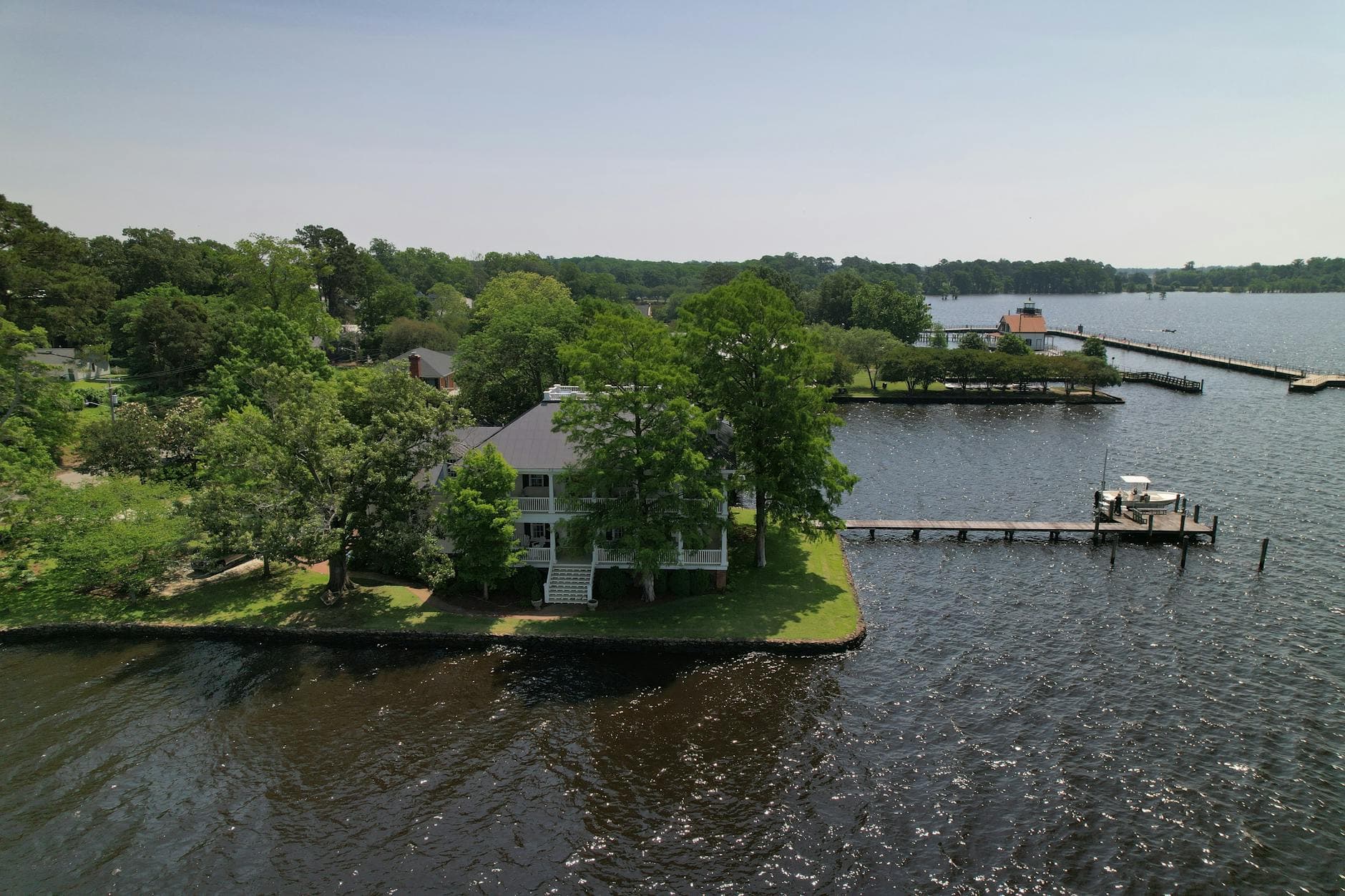
Outer Banks (Nags Head, Ocracoke, Hatteras), North Carolina
4-Day Itinerary for Teen Families
“Wind, Wings, and Wild Ponies: 4 Days on the Outer Banks”
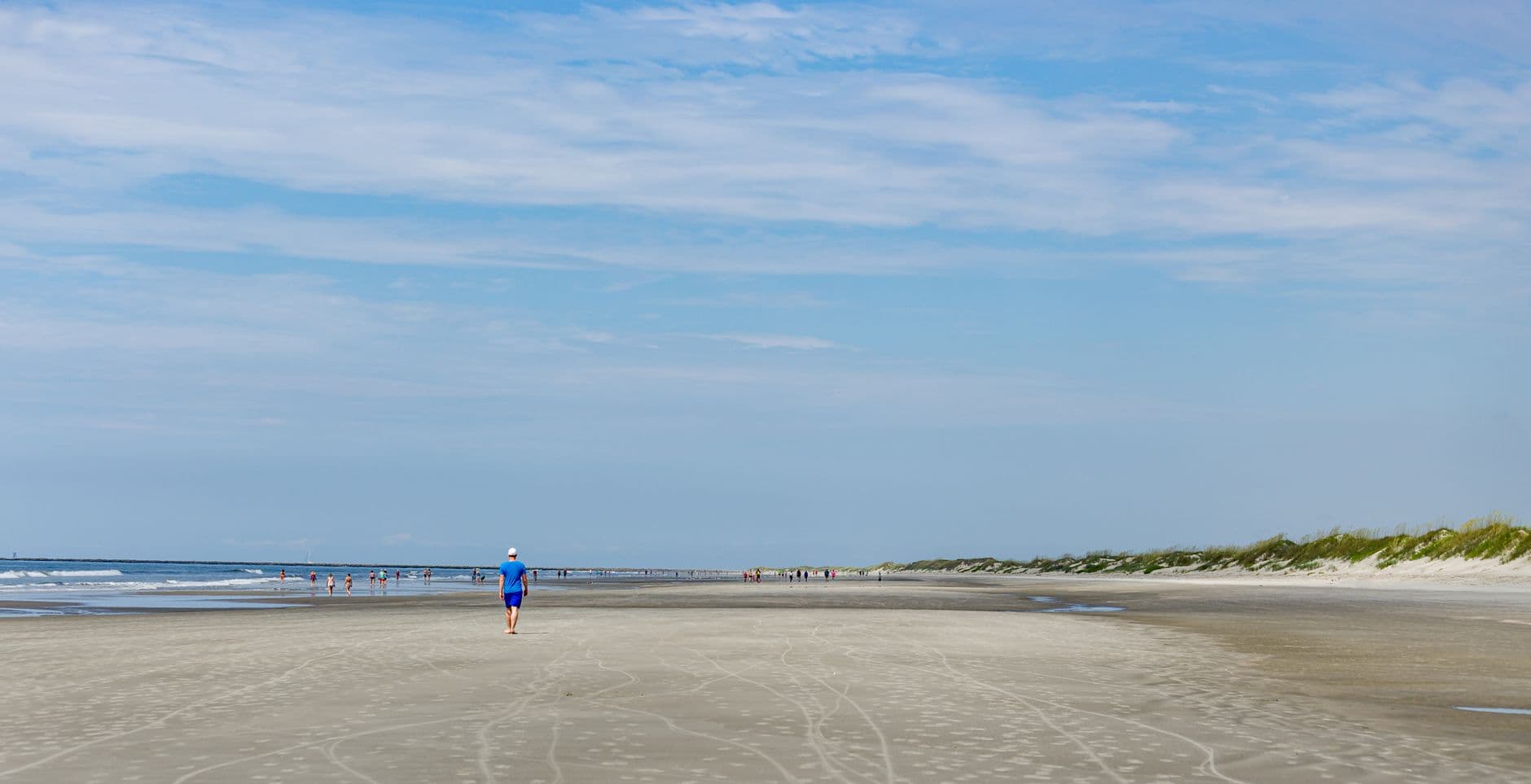
Salt wind, endless dune, and a horizon that never quite sits still — the Outer Banks is a place where history and wilderness share the same sandy shoulder. This four-day route threads from the energetic beach towns of Nags Head down through the lonesome dunes of Hatteras to the ferry-only hush of Ocracoke, built for families navigating that particular teenage sweet spot between wanting adventure and wanting to be left alone with their phone for twenty minutes.
At a Glance
Highlights
- Stand where the Wright Flyer first left the ground at Kitty Hawk
- Climb the spiral stairs of two working lighthouses
- Spot wild ponies grazing wild and unbothered on Ocracoke
- Watch storm light rake across the Graveyard of the Atlantic
- Chase golden hour across ever-shifting dunes and shoreline
- Ride the free ferry into one of the East Coast's most remote villages
- Dig into fresh-caught flounder at unpretentious dockside spots
Day-by-Day Plan
Day 1: Landing in Sand and Sky: Nags Head Arrival
A gentle first day easing into the coast with one major historic stop and free beach time, roughly 2 miles of walking total.
Arrive by 9am and the dune-top monument still holds the quiet of early morning — just gulls, wind, and the long shadow of granite stretching over the exact spot where the impossible first happened. Teens who think they've seen this story in a textbook tend to go quiet at the scale of the boulder markers tracing each flight's actual distance, especially the shockingly short first hop. The visitor center's engaging exhibits are worth 45 minutes on their own if wind or a light drizzle pushes everyone indoors.

The first morning moves slow and deliberate — everyone's still shaking off travel, so the plan leans into one meaningful stop rather than a packed schedule. The dune-top monument at Wright Brothers NM catches the low sun beautifully before 9:30am, and the open grounds give restless teens room to wander without straying far.
Afternoon opens up for unstructured beach time near Nags Head — no fixed itinerary stop, just sand, wind, and the chance to let the trip's pace settle in naturally. This is a good window for teens to claim a little autonomy, whether that's boogie boarding, a walk along the shoreline, or simply reading somewhere with a view.
Dinner stays casual and close to the hotel — burgers over fine dining tonight, since everyone's still adjusting. Expect an early night; the coast's rhythm rewards early mornings, and tomorrow's drive south deserves rested drivers.
Day 2: Where the Atlantic Turns Fierce: Cape Hatteras
A moderate-energy day centered on the dramatic Cape Hatteras seashore, with roughly 3 miles of walking across uneven, sandy terrain.
The drive south on Highway 12 threads through maritime forest before the land narrows dramatically, and the first glimpse of the black-and-white striped lighthouse against churning Atlantic swells tends to silence even the most screen-absorbed teenager. Arrive before 10am and the point feels almost private — salt spray in the air, the roar of Diamond Shoals surf, and that particular haunted-beautiful quality of a coastline that has swallowed hundreds of ships. Budget extra time if anyone wants context from the nearby Graveyard of the Atlantic Museum.

The morning belongs to the wild edge of the seashore — a place where the ocean feels genuinely dangerous and beautiful in equal measure. The lighthouse anchors the view, but it's the roar of the surf and the scale of the open Atlantic that tends to leave the strongest impression on teens who've mostly seen calmer beaches.
After a seafood lunch near the water, the afternoon opens up for exploring the beach itself or wandering into Buxton's quieter, more local-feeling streets — a good contrast to the bustle of Nags Head. This is a lower-key stretch, intentionally, since the morning's wind and walking add up quickly.
Dinner tonight stays simple and close by, with the day's salt-air exhaustion setting in early. The pace here is slower than up north — expect quieter streets, earlier closing times, and a dinner that winds down well before 9pm.
Day 3: Ferry Crossing to the Edge of the World: Ocracoke
A full day centered on the ferry crossing and Ocracoke's lighthouse and pony-watching, with about 2.5 miles of walking on soft, uneven ground.
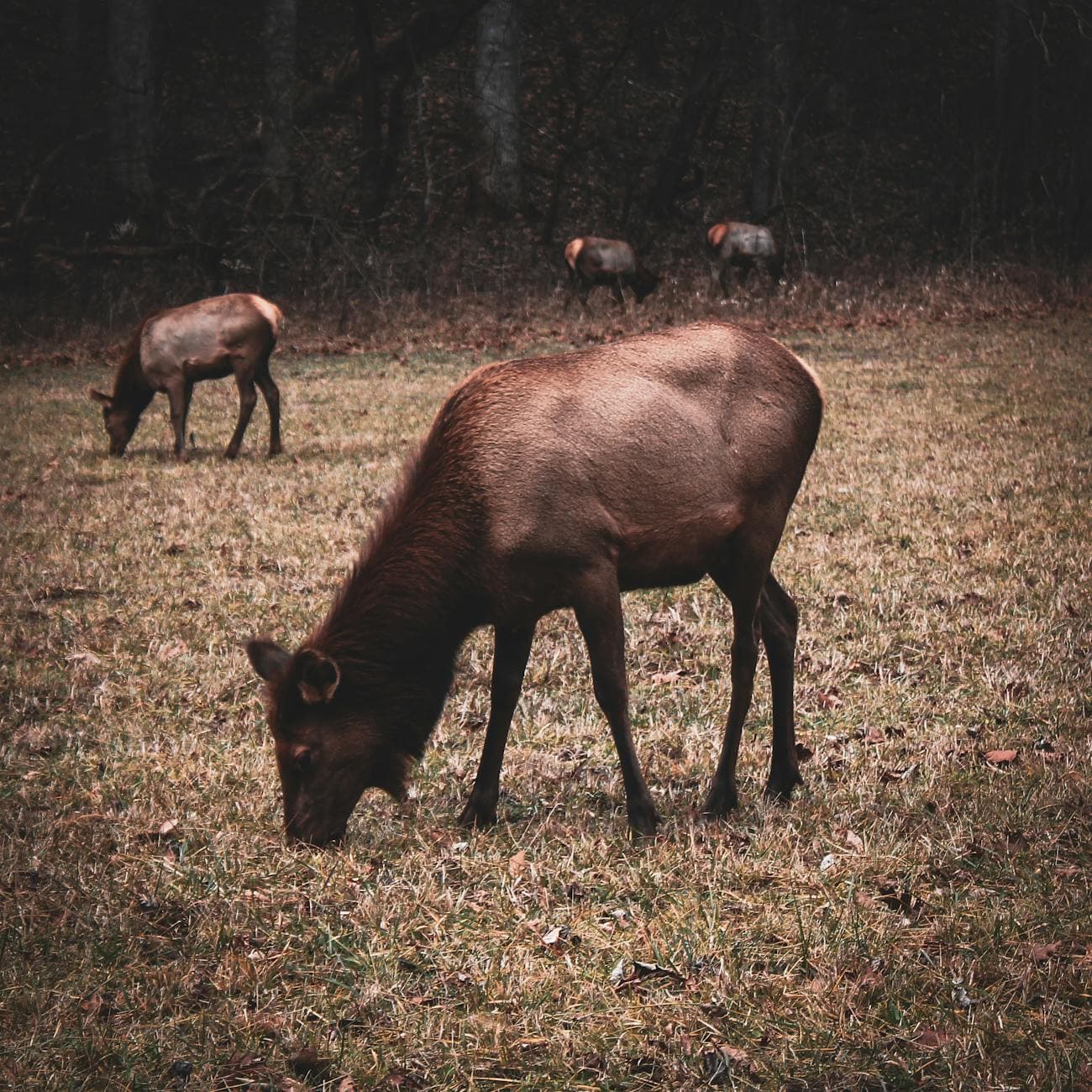
The free ferry from Hatteras Village takes about an hour, and it's an experience in itself — dolphins sometimes trail the wake, and the mainland disappearing behind you sets the tone for an island that feels genuinely apart from everything else on this trip. On the island, wild ponies graze in fenced pastures near the road, tossing their manes in the wind, utterly indifferent to onlookers. Kids and teens alike tend to linger here longer than planned, so build in slack.

A short walk from the village center brings you to the squat white tower — smaller and more intimate than Cape Hatteras's dramatic stripes, but no less storied at over 200 years old. The spiral stairs are worn smooth by two centuries of keepers, and the 360-degree view from the top stretches across marsh, sound, and the tight cluster of the village below. Arrive right after lunch and crowds thin out noticeably compared to summer visitors.

The day begins with the ferry crossing itself — a slow, salty hour that feels like leaving the mainland behind entirely. Wild ponies greet arrival on the island, grazing in their marshy pasture with a kind of unbothered dignity that tends to fascinate teens more than expected.
After pony-watching, the short walk into the village leads to the lighthouse, where the climb up worn wooden stairs rewards with a sweeping view over the sound. Ocracoke's timeless, slightly bohemian village center — bike racks, small shops, fig trees — is worth a slow wander afterward, since the island's whole appeal lies in its unhurried pace.
Options for a sit-down dinner on the island are limited on this itinerary's source list — plan around what's open in the village center or pack a light picnic to enjoy near the harbor, watching the light change over the sound before the return ferry or overnight stay.
Day 4: Last Light on the Sound
A relaxed final day balancing a return ferry crossing with open beach time and departure logistics, roughly 1.5 miles of walking.
A final early-morning pass by the pony pasture before the return ferry rewards with soft light and near-total solitude — most visitors aren't up yet, and the ponies are often more active grazing in the cool morning air. It's a quiet, unhurried way to say goodbye to the island's strangest and most memorable residents before the crossing back to the mainland.
The final morning stays gentle and unhurried — one last look at the ponies in the cool, quiet light before packing up for the ferry crossing back toward the mainland. It's less an activity than a farewell, and the slower pace suits everyone after three days of driving, climbing, and salt air.
After the ferry docks back at Hatteras Village, the rest of the day flexes around departure timing — a last stretch of beach time, a final walk along the shoreline, or simply the long, scenic drive back north retracing Highway 12 with the ocean catching the afternoon light one more time.
Evening winds down with the practical rhythms of departure — repacking, a final casual bite wherever the road allows, and the particular quiet of a trip that's ending not with a bang but with the long, flat hush of dunes receding in the rearview mirror.
Want to tweak this trip?
Our AI planner can customize this itinerary to your exact dates, interests, and travel style.
Customize This ItineraryRestaurant details (hours, menus, availability) change frequently, especially in shoulder season. Check current hours before visiting.
Dietary compatibility tags are general guidance. If you have severe allergies, confirm directly with the restaurant.
Travel tips are general guidance, not professional safety advice. Check government advisories and local conditions, especially rip current warnings, before visiting.
All prices are approximate and may vary seasonally.
Attractions in This Itinerary
More Itineraries for Outer Banks (Nags Head, Ocracoke, Hatteras)
Explore North Carolina