Outer Banks (Nags Head, Ocracoke, Hatteras), North Carolina
2-Day Itinerary for Solo Traveler
“Sand, Sky, and Solitary Beacons: 2 Days on the Outer Banks”
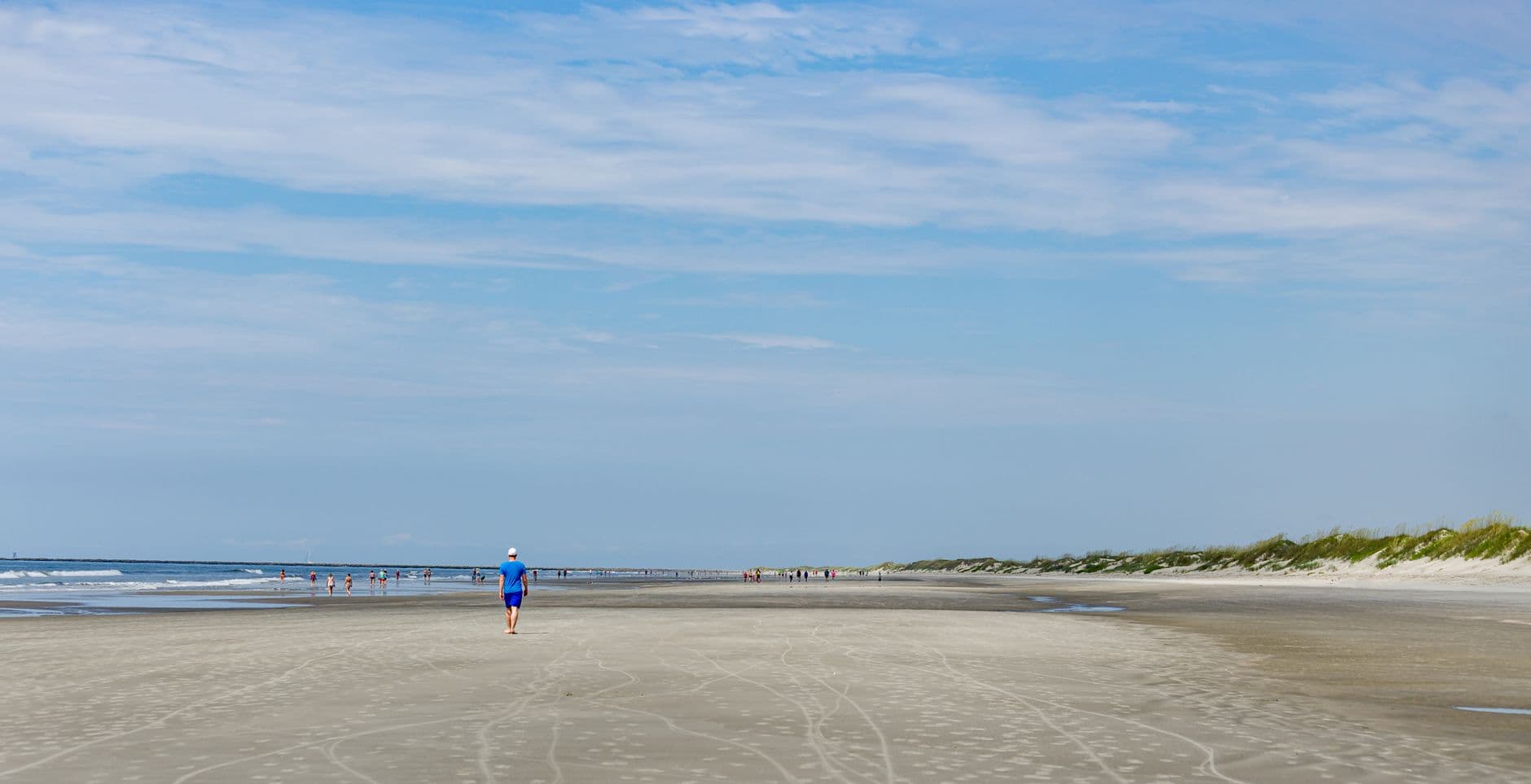
The wind here never really stops — it just changes its mind about direction. Across two days you'll climb a mountain of sand still warm from the Wright Brothers' first calculations, stand beneath a lighthouse built to warn ships off the Atlantic's most dangerous shoals, and catch a ferry to an island where wild ponies outnumber the traffic lights.
At a Glance
Highlights
- Sunrise dunes at Jockey's Ridge before the sand turns to a griddle
- Standing on the exact patch of grass where humans first flew
- The black-and-white spiral of Cape Hatteras Lighthouse against storm-streaked sky
- A slow ferry crossing to car-free Ocracoke Island
- Wild ponies grazing in salt marsh at golden hour
- Climbing 200-year-old lighthouse stairs worn smooth by keepers' boots
- Fresh flounder and hushpuppies at a weathered dockside table
Day-by-Day Plan
Day 1: First Flight and Rising Sand
An easy first day centered in Nags Head and Kill Devil Hills — about 2 miles of walking total, low cognitive load, built around history and a golden-hour dune climb.
Arrive right at opening and the grounds are nearly silent — just wind combing through the grass and the low granite monument catching first light on the hill above. Walk the flight path markers on the field below, each stone noting how far those first fragile hops carried the Wright Flyer, and let the scale of the achievement sink in against the enormous, empty sky. By 10am tour buses start arriving; before that, it's just you, the wind, and the ghosts of two bicycle mechanics who changed everything.

Ten minutes down the road rises the East Coast's tallest natural sand dune system — a rippling, wind-carved landscape that looks more Sahara than Carolina coast. The climb is steeper than it looks and the sand radiates heat fast in summer, so this is a late-morning push before the true heat sets in; from the crest, the view sweeps from the Atlantic on one side to the Currituck Sound on the other. Bare feet sink into warm sand between the tufts of dune grass, and there's a strange, private stillness up top even with other hikers scattered across the slopes.

The day opens quiet and reverent at the Wright Brothers National Memorial, where empty fields and a rising granite monument set a contemplative, unhurried tone — exactly the low-key start a first day on the road calls for.
By late morning the pace shifts toward physical: the sandy climb up Jockey's Ridge trades quiet reflection for open-air exertion and sweeping coastal views, best tackled before the sand turns to a griddle in peak afternoon sun. Afterward, ease into a slow seafood lunch and let the rest of the afternoon stay loose — a nap, a swim, or simply watching the tide from a porch.
Dinner leans toward the sound side, where the light turns amber over calm water and a plate of fresh-caught flounder feels like the right way to close a gentle first day. Wind down early; tomorrow's ferry crossing calls for a rested start.
Day 2: Lighthouse Light and Island Silence
A fuller day covering roughly 3 miles of walking across two clusters — Cape Hatteras in the morning, then a ferry crossing to the quiet, car-free solitude of Ocracoke Island by afternoon.
Arrive early and the Cape feels almost primeval — Atlantic swells roll in with a low, constant roar against the narrow spit of sand, and the striped lighthouse stands sentinel against a sky still soft with morning haze. This stretch of coast has swallowed more ships than almost anywhere on the Eastern Seaboard, and standing at the point looking toward Diamond Shoals, that history feels close and physical. By 10am beachgoers and lighthouse-climb lines will thicken; before that, the point is yours.

The ferry ride south drops you into a different rhythm entirely — no chain stores, no traffic lights, just sandy lanes and salt marsh where wild ponies graze in loose bands, their manes lifting in the same wind that's followed you the whole way down the coast. Watch for them near the fenced pony pens along the road into the village; they're descendants of Spanish mustangs and utterly indifferent to your presence, which is exactly the point — observe, don't approach. The pace here is markedly slower than anywhere else on this trip, and that's worth savoring rather than rushing.

The oldest operating lighthouse in North Carolina rises from a quiet residential lane, its short white tower almost modest compared to Hatteras's stripes — but the intimacy is the point. Boots echo on stairs worn smooth by two centuries of keepers, and the horizon at the top blazes gold as the sun angles toward the sound. This is the kind of solitary, unhurried stop that rewards a solo traveler willing to linger past when the tour groups have moved on to dinner.

The day begins at Cape Hatteras in the hush of early light, the lighthouse's stripes stark against a still-quiet sky and the Atlantic's roar setting a steady, elemental rhythm for the hours ahead.
A long scenic drive and a slow ferry crossing mark the transition from Hatteras's dramatic wildness to Ocracoke's hushed, car-free calm — the pace visibly drops the moment tires roll off the ferry ramp, and the pony-dotted marshes make that shift feel earned.
Evening on Ocracoke closes the loop with a short, easy climb up the island's own lighthouse, its modest scale and golden-hour light offering a quieter, more intimate counterpoint to the morning's dramatic coastline — dinner afterward is simple and unhurried, matching the island's timeless, unbothered mood.
Want to tweak this trip?
Our AI planner can customize this itinerary to your exact dates, interests, and travel style.
Customize This ItineraryRestaurant details (hours, menus, availability) change frequently. Check current hours before visiting, especially in seasonal destinations.
Dietary compatibility tags are general guidance. If you have severe allergies, confirm directly with the restaurant.
Travel tips are general guidance, not professional safety advice. Check government advisories for latest information.
All prices are approximate and may vary seasonally.
Attractions in This Itinerary
More Itineraries for Outer Banks (Nags Head, Ocracoke, Hatteras)
Explore North Carolina