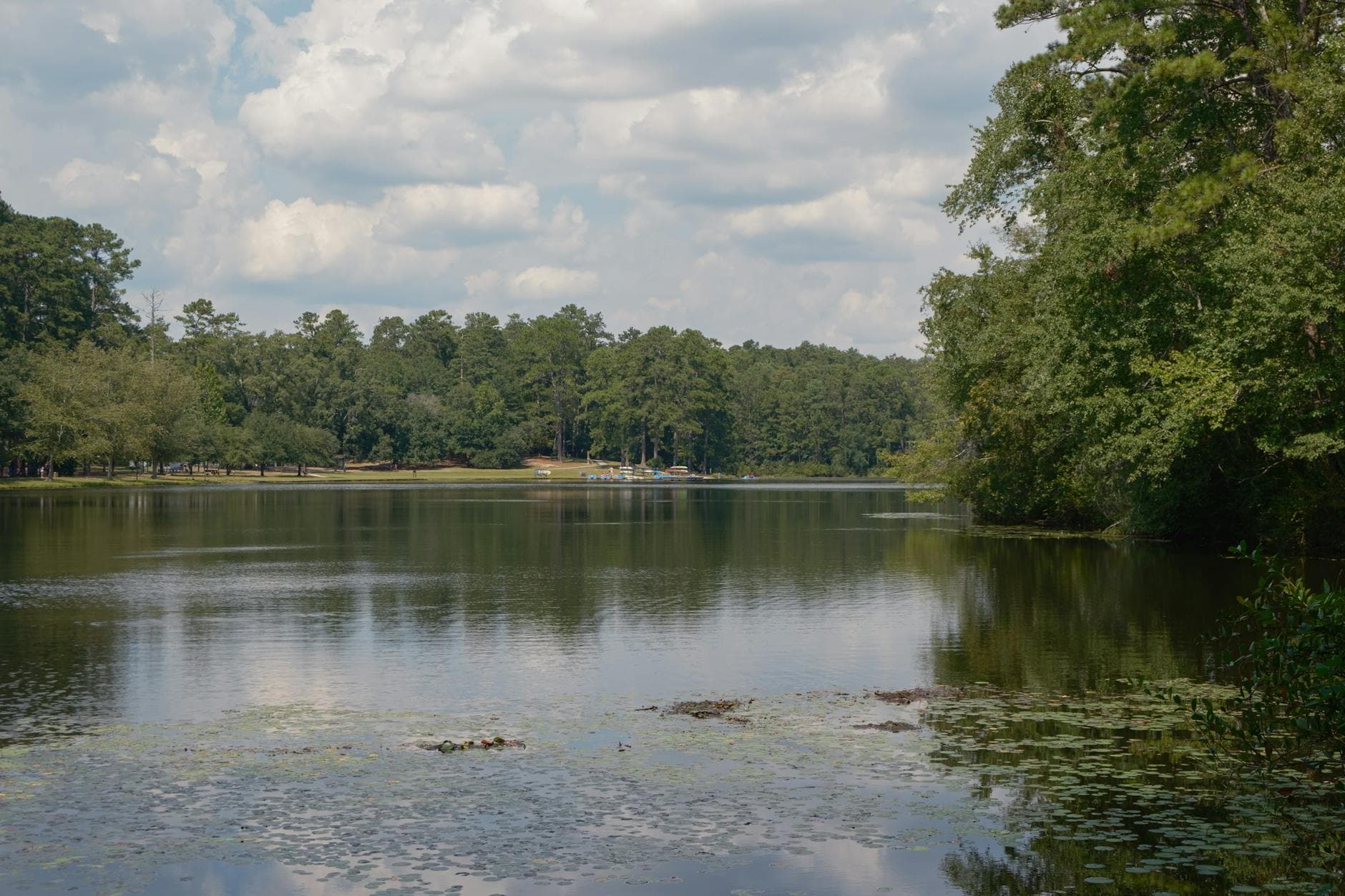
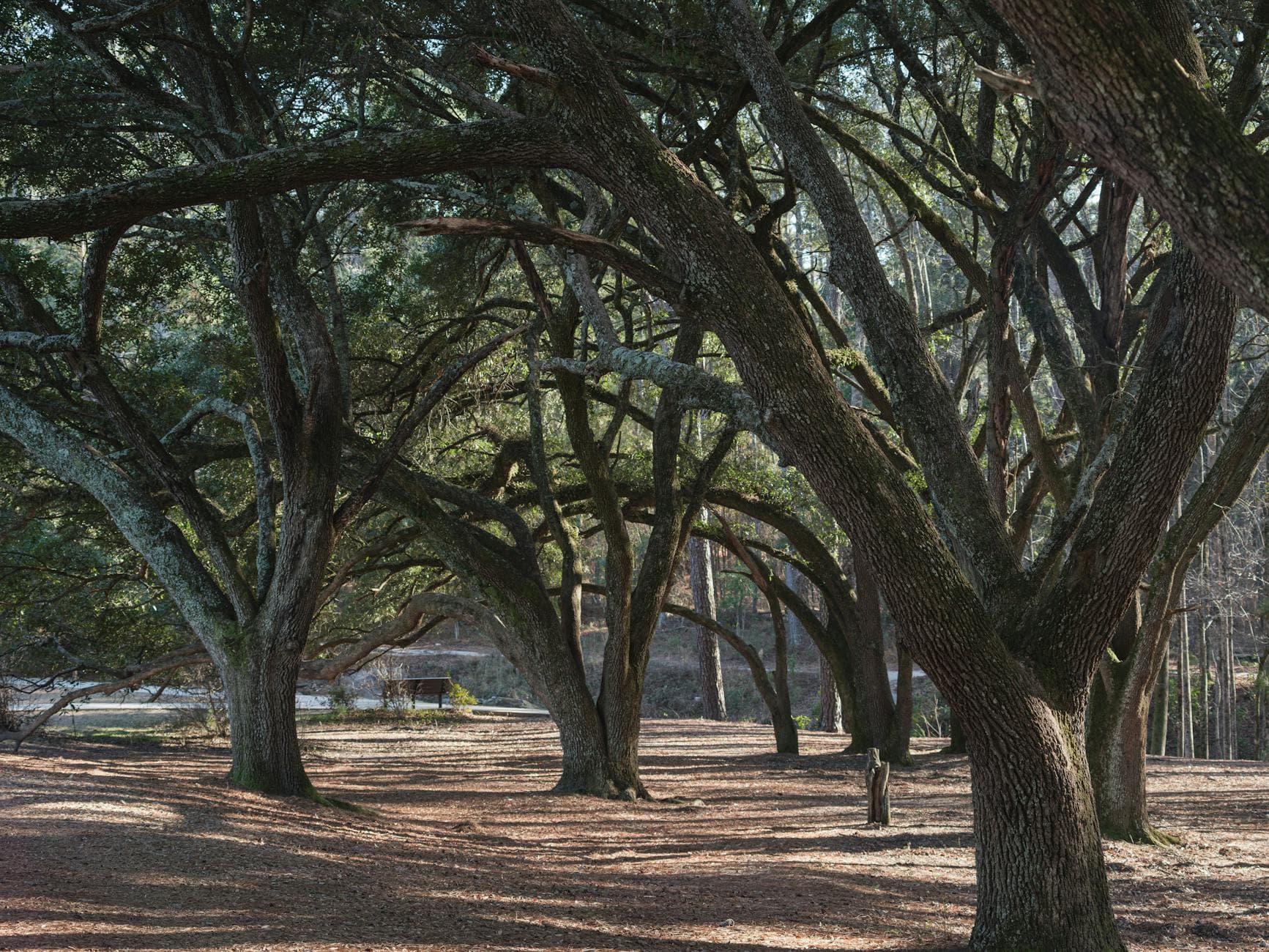
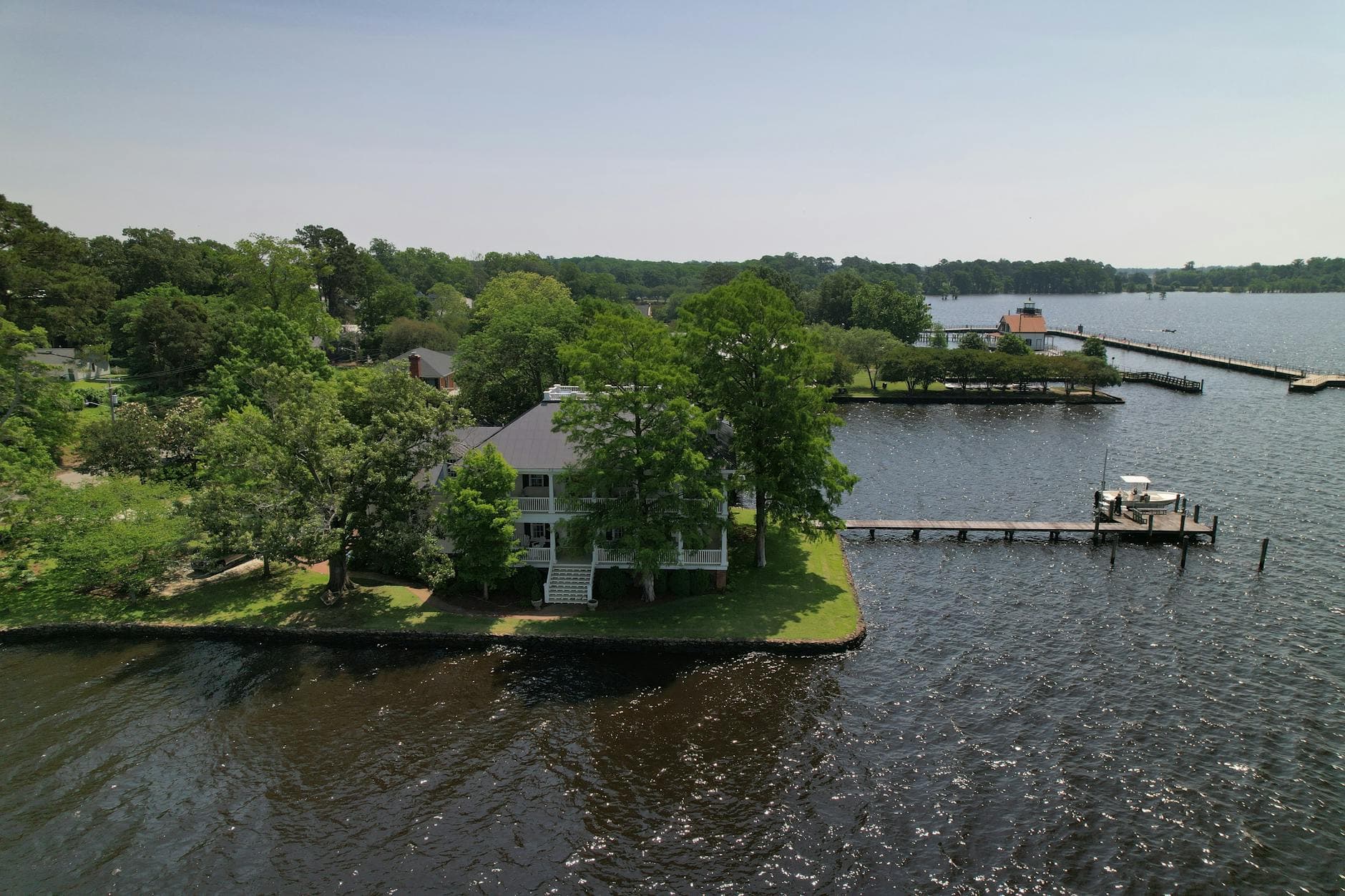
3 DaysActive Retirees4 Stops

Outer Banks (Nags Head, Ocracoke, Hatteras), North Carolina

3-Day Itinerary for Active Retirees

Wind, Wings, and Wild Ponies: 3 Days Along the Outer Banks

Wind, Wings, and Wild Ponies: 3 Days Along the Outer Banks

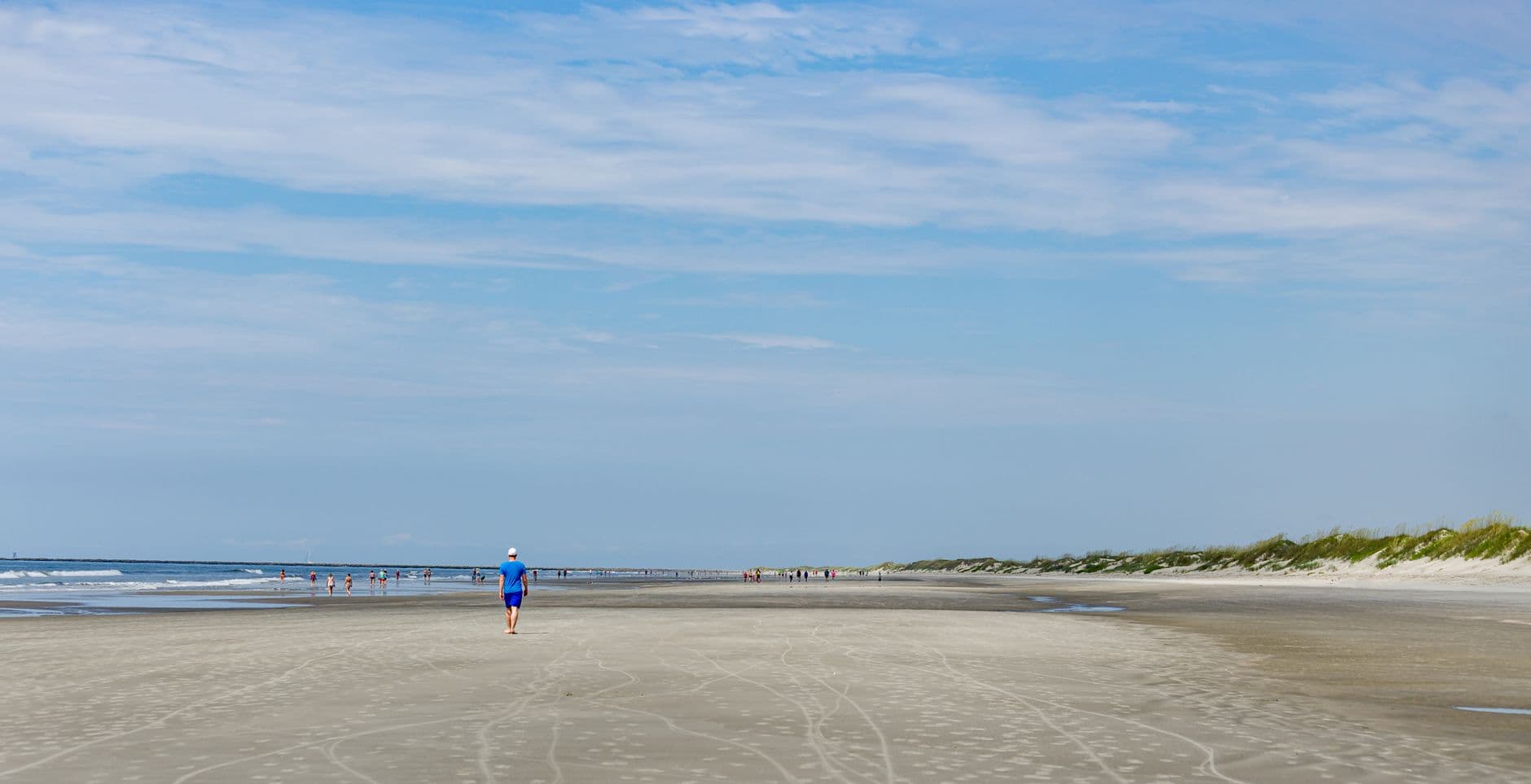
Here the land is barely land at all — a slender ribbon of sand between two restless waters, where history lifts off from dunes and lighthouses still keep faithful watch. This is a trip paced to the tides: unhurried mornings, long lunches, and skies that hold their light late into a summer evening.

At a Glance

Climate & Weather
Summer days run warm and humid, typically 80–81°F with high humidity and long daylight hours — pack breathable layers, a wide-brimmed hat, reef-safe sunscreen, and a light windbreaker for breezy points and ferry crossings. Afternoon thunderstorms are possible; a packable rain shell is worth carrying.
Getting Around
A car is essential for Nags Head and Cape Hatteras (NC-12 is scenic but slow-moving in summer); Ocracoke Village itself is walkable and golf-cart friendly once you arrive by ferry. Book ferry reservations well ahead for peak season.
Budget
Plan roughly $90–130 per person per day covering seafood dining, lighthouse admission (where applicable), and incidental costs like ferry fees or parking.
Safety
The Outer Banks are very safe for visitors, but ocean currents can be strong — always check with lifeguards or locals before swimming and heed rip current flags. Hurricane season begins ramping up in August, so keep an eye on forecasts. On Ocracoke, wild ponies should be admired from a respectful distance and never fed.
Connectivity
Cell coverage is reliable in Nags Head and Buxton but can weaken in stretches of the National Seashore and on Ocracoke, especially away from the village center. Most lodging and restaurants offer WiFi.
Local Tips
Arrive at popular sites before 9am to beat both heat and crowds; restaurants often stop dinner service by 8:30–9pm, so aim for early seatings; stock up on water and snacks before heading to Hatteras or Ocracoke, where options thin out.

Highlights

  • Standing where the Wright Brothers first left the ground at Kitty Hawk
  • Climbing (or simply admiring) the candy-striped Cape Hatteras Lighthouse
  • A ferry crossing to car-free, timeless Ocracoke Island
  • Spotting wild ponies grazing in salt marsh at golden hour
  • Sunset dinners of fresh-caught flounder and shrimp
  • Wide, flat paths and benches suited to a relaxed island pace

Day-by-Day Plan

Arrival & Flight History

Day 1: First Light at Kitty Hawk

A gentle orientation day with one significant stop, under a mile of easy flat walking, and an early dinner to settle into island time.

Wear
Breathable cottons, comfortable walking shoes, a hat, and sunscreen — the dune paths offer little shade.
Budget
$60–90 per person including lunch, dinner, and museum admission
8:00 AM - 9:30 AM
Wright Brothers NM · morning · 90 min · Nags Head & Kill Devil Hills

Arrive by 8am and the granite monument atop the dune catches the low morning sun almost alone — by mid-morning, tour buses fill the lot. The visitor center's exhibits on the Wright brothers' methodical genius pair beautifully with the outdoor walk to the flight markers, where the wind still seems to carry a hint of that first, impossible lift. Benches are frequent along the paved paths, making this an easy, contemplative morning for unhurried exploring.

Wright Brothers NM
Tom Fournier / pexels (Pexels License)
The granite monument at dune crest glows warmest in early morning light, before 9am.
Fully paved, flat paths with frequent benches; wheelchair accessible throughout.
Lunch
Sam and Omie's Restaurant $$
Regional, Seafood · Near Nags Head & Kill Devil Hills
A local institution since the 1930s serving simple, honest seafood in a no-frills dining room — order the crab cakes and settle in.
Dinner
Sugar Creek Restaurant $$
Seafood · Near Nags Head & Kill Devil Hills
Waterfront views over the sound and a menu built around the day's catch — reserve an early table around 5:30–6pm to enjoy the sunset without a wait.
If it rains: The Wright Brothers visitor center is fully enclosed with rich exhibits — plan to spend 45+ minutes indoors here if rain moves in, saving outdoor monument viewing for a drier moment.

The day begins gently at Kitty Hawk, where the story of powered flight is told not with spectacle but with quiet reverence — a windswept dune, a granite marker, and the same salt air that once tested two bicycle mechanics' faith in the impossible. Arriving early rewards you with near-solitude and soft light, plus the comfort of frequent benches along fully paved paths.

With the morning's history absorbed, the afternoon opens up for rest — settle into lodging, stroll the beach at your own pace, or simply watch the Atlantic from a porch chair as the heat of the day peaks.

As the light softens, head to a waterfront table for a relaxed, early seafood dinner. This is the rhythm of the islands: eat well, eat early, and let the evening unwind slowly toward a good night's sleep.

Coastal Wonder

Day 2: The Lighthouse and the Long Horizon

A moderate day centered on Cape Hatteras's dramatic seascape, with about 1.5 miles of walking on uneven but manageable terrain.

Wear
Sturdy walking shoes (sandy, uneven paths), sun protection, and a light jacket for wind at the point.
Budget
$70–100 per person including lunch and dinner
75 min driveA scenic hour-plus drive south on NC-12, marshland giving way to open dunes and glimpses of the sound on one side, ocean on the other.
9:00 AM - 10:30 AM
Cape Hatteras NS · morning · 90 min · Cape Hatteras & Buxton

By mid-morning the wind off the Atlantic carries the tang of kelp and the low roar of swells breaking against Diamond Shoals, a stretch of water so treacherous it earned the nickname Graveyard of the Atlantic. The lighthouse's black-and-white spiral stands like a sentinel against the horizon — arriving by 9am means fewer crowds and softer light for photos before the midday sun flattens the scene. Paths here are sandy and uneven in places, so a slower pace and sturdy shoes serve well.

Cape Hatteras NS
Robin Anderson / pexels (Pexels License)
Photograph the lighthouse against approaching storm clouds from the south, or catch reflection pools at low tide.
Uneven, sandy terrain; accessible viewing is possible from the vehicle or nearby paved overlooks for those preferring not to walk the full point.
Lunch
Dune Burger $
Burger · Near Cape Hatteras & Buxton
A simple, satisfying stop for a casual burger after a morning in the wind — nothing fussy, just good and quick.
Dinner
Sam and Omie's Restaurant $$
Regional, Seafood · Near Nags Head & Kill Devil Hills
Note: this is the same beloved seafood spot from Day 1 in Nags Head — worth returning to only if you're staying nearby; otherwise inquire locally about Buxton-area seafood for tonight.
Optional detour: Fat BoyzAfter Cape Hatteras NS and before dinner
A relaxed ice cream or sandwich stop is a pleasant, low-key way to cool down after a windy morning at the point. Skip if: Skip if you've had a substantial lunch already or want to head back before the afternoon heat peaks.
If it rains: If rain or lightning rolls in, shelter at the Graveyard of the Atlantic Museum or the lighthouse visitor center, both offering maritime history and context in a covered setting.

The morning belongs to the Cape itself — a place where the ocean seems to argue with the shore, and the lighthouse stands unmoved by centuries of storms. Early arrival means the point is nearly yours alone, the light gentle enough for unhurried photographs and quiet contemplation of the shipwreck coast below.

After the wind and drama of the Cape, the afternoon calls for a slower gear — a casual lunch, then time to rest before the evening's plans. The pace here favors long pauses over rushed sightseeing.

As the sun begins its descent, settle in for a comfortable seafood dinner, ideally with an early reservation to avoid the evening rush and to make the most of the mellow after-dinner light.

Island Escape

Day 3: Across the Water to Ocracoke

A full but leisurely day involving a ferry crossing, gentle lighthouse viewing, and pony-spotting, with roughly 1 mile of easy walking.

Wear
Comfortable layers for the ferry breeze, sun hat, closed-toe shoes for the lighthouse grounds, and a light rain shell just in case.
Budget
$80–110 per person including ferry-adjacent costs, lunch, and dinner
150 min ferryA slow, scenic crossing from Hatteras to Ocracoke — bring a book or simply watch gulls trail the wake and dolphins occasionally surface alongside.
10:00 AM - 11:00 AM
Ocracoke Island (ponies, lighthouse) · morning · 60 min · Ocracoke Island

Stepping off the ferry onto Ocracoke feels like arriving somewhere time forgot — salt-tanged air, wooden boardwalks that creak underfoot, and if you're fortunate, a glimpse of wild manes tossing in the marsh grass beyond the dunes. Morning arrivals beat the midday crowd that gathers between 10am and 3pm, and the ponies are best viewed quietly from a respectful distance — never approach or feed them.

Ocracoke Island (ponies, lighthouse)
Dottie Di Liddo / pexels (Pexels License)
Capture wild ponies in the distant marsh near the base of the lighthouse grounds, ideally in soft morning light.
Uneven, sandy terrain around pony viewing areas; ground-level viewing is manageable but not fully wheelchair accessible.
10 min walkA short, flat walk along a sandy village path, shaded intermittently by live oaks.
11:15 AM - 12:00 PM
Ocracoke Lighthouse · midday · 45 min · Ocracoke Island

A short stroll brings you to America's oldest operating lighthouse on the Outer Banks, its whitewashed tower rising modestly above the maritime forest. Climbing isn't required to appreciate it — standing at the base with the keeper's cottage framed behind offers a lovely, low-effort photograph, and the 200-year-old stones underfoot carry their own quiet history.

Ocracoke Lighthouse
Photo by Mark Stebnicki on Pexels
Frame the tower against the sky from ground level, or capture the keeper's cottage in foreground for a classic composition.
Ground-level viewing is accessible; the internal stair climb is not wheelchair accessible and involves a steep, narrow spiral.
Optional detour: Ocracoke LighthouseAfter pony-spotting and before returning to the ferry
A gentle, low-energy stop that rounds out the island's history without requiring the stair climb. Skip if: If time is short or energy is low after the ferry crossing, ground-level photos from a distance capture much of the charm without the extra stop.
If it rains: In light rain, pony-spotting remains viable and often quite atmospheric; in heavier rain or lightning, shelter in the village shops or a keeper's cottage museum exhibit rather than attempting the lighthouse stairs.

The ferry crossing itself becomes part of the day's rhythm — a slow, breezy passage that eases you into Ocracoke's unhurried spirit. Arriving mid-morning, the island's wild ponies and weathered lighthouse grounds offer a gentle, low-exertion adventure suited perfectly to a relaxed pace.

Note: meal options in the immediate Ocracoke Village area aren't detailed in our sources — consider asking your lodging host or ferry staff for current recommendations, as the village's small eateries and seasonal stands often shift year to year. The afternoon is best spent wandering the car-free village at leisure or simply resting before the return crossing.

As the ferry carries you back across the sound, the light turns long and golden over the water — a quiet, reflective close to a trip spent chasing wind, wings, and the wild edges of the Atlantic coast.

Want to tweak this trip?

Our AI planner can customize this itinerary to your exact dates, interests, and travel style.

Customize This Itinerary
Good to Know

Restaurant details (hours, menus, availability) change frequently. Check current hours before visiting, especially in seasonal destinations.

Dietary compatibility tags are general guidance. If you have severe allergies, confirm directly with the restaurant.

Travel tips are general guidance, not professional safety advice. Check government advisories for latest information.

All prices are approximate and may vary seasonally.

We use cookies to improve your experience and analyze site usage. Essential cookies are always active. You can customize your preferences or accept all cookies. Cookie Policy