Salmon River (Salmon, Challis), Idaho
2-Day Itinerary for Solo Traveler
“Frozen River, Quiet Ghosts: Two Winter Days on the River of No Return”

In winter, the River of No Return earns its name twice over — snow seals the canyon roads into silence, and the ghost towns along Yankee Fork stand even more abandoned, their windows frosted and doorways drifted with snow. This is solo travel at its most elemental: cold air, long shadows, and a frontier town that still remembers your name at the diner counter.
At a Glance
Highlights
- Frost-rimmed cabins at Land of Yankee Fork with nobody else around
- Sacajawea Interpretive Center's quiet riverside exhibits
- Solo-friendly counter seats at Salmon's local diners
- Snow-draped mining ruins photographed in low winter light
- Early mountain sunsets that turn the canyon walls copper
- Self-sufficient small-town rhythm — ideal for slow, reflective travel
Day-by-Day Plan
Day 1: Arrival & the Sacajawea Riverside
A light orientation day focused on Salmon's walkable town center and the riverside interpretive center, with minimal walking (under 2 miles) to ease into the cold and altitude.
Cool mountain air settles over the grounds as you step inside to a hush broken only by the distant murmur of the half-frozen Salmon River. The interpretive panels trace Sacagawea's journey with quiet dignity, and in winter you'll likely have the galleries to yourself — arrive right at opening and the stillness feels almost reverent. It's a gentle, low-energy way to ease into the trip after a long drive.

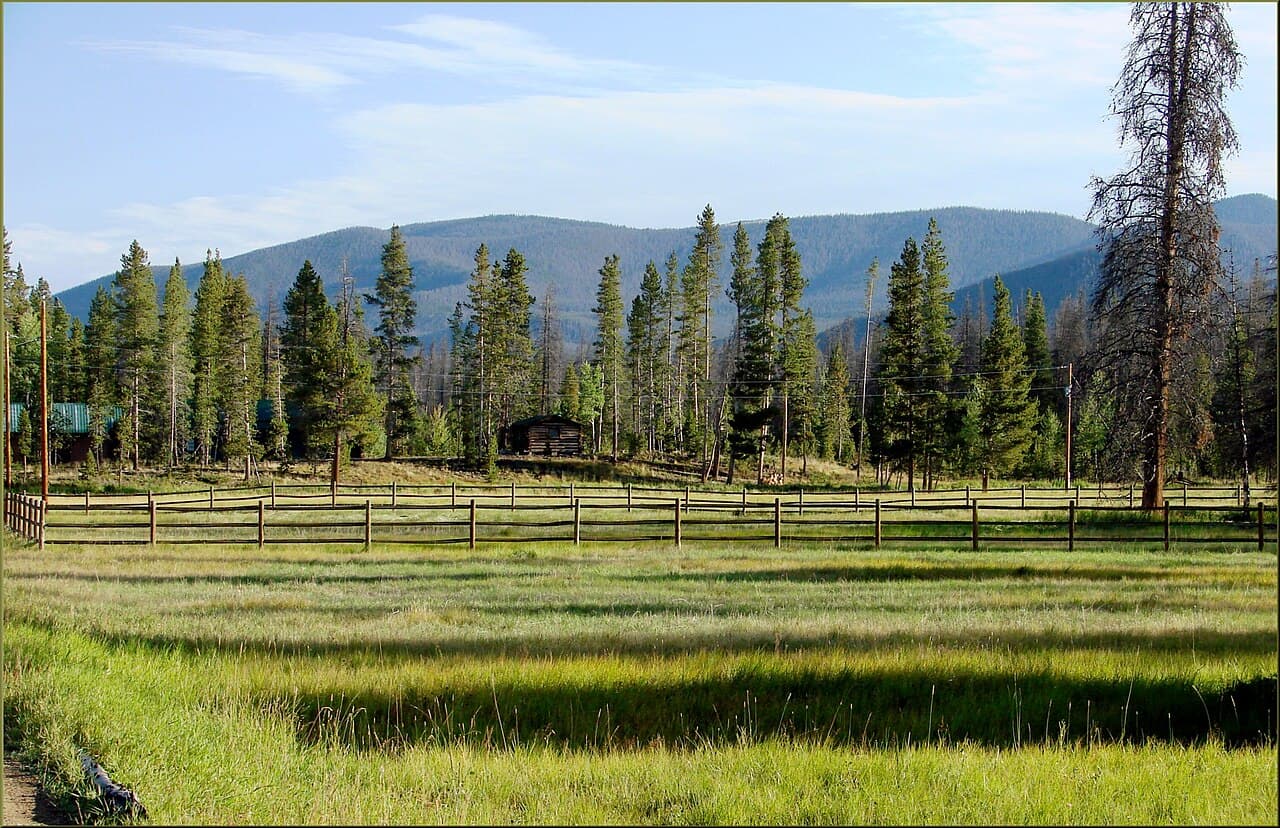
The drive south reveals a valley gone silent and white, and the ghost towns themselves feel suspended in time — weathered cabin facades dusted with snow, mining structures standing stark against the ridgeline. In winter, you'll likely be the only visitor picking your way along the paths, breath fogging in the cold as you peer into empty doorways. Go at a relaxed pace; ice can make footing tricky, so trekking poles or sturdy boots help here.
Ease into the trip with a short, low-effort visit to the Sacajawea Interpretive Center, where the cold hush of the Salmon River valley and the quiet dignity of the exhibits make for a gentle first outing after travel. Flat paths and frequent benches mean there's no pressure to rush — this is about orientation, not exertion.
The pace shifts outdoors as you drive south into the Yankee Fork valley, trading interior calm for the stark beauty of snow-covered ghost towns. Weathered cabins and old mining structures stand in near-total silence, and the solitude here in winter is profound — a solo traveler's dream for unhurried, reflective wandering.
Head back into Salmon as the early winter dusk settles over the valley, and plan to wind down with a simple dinner before shops and diners close for the night around 8-9 PM — small-town rhythm means an early, restful end to day one.
Day 2: Whitewater Canyon in Winter Light
A half-day focused on experiencing the Salmon River's dramatic winter canyon scenery from accessible viewpoints, paired with a slower afternoon of photography and reflection; total walking under 3 miles.
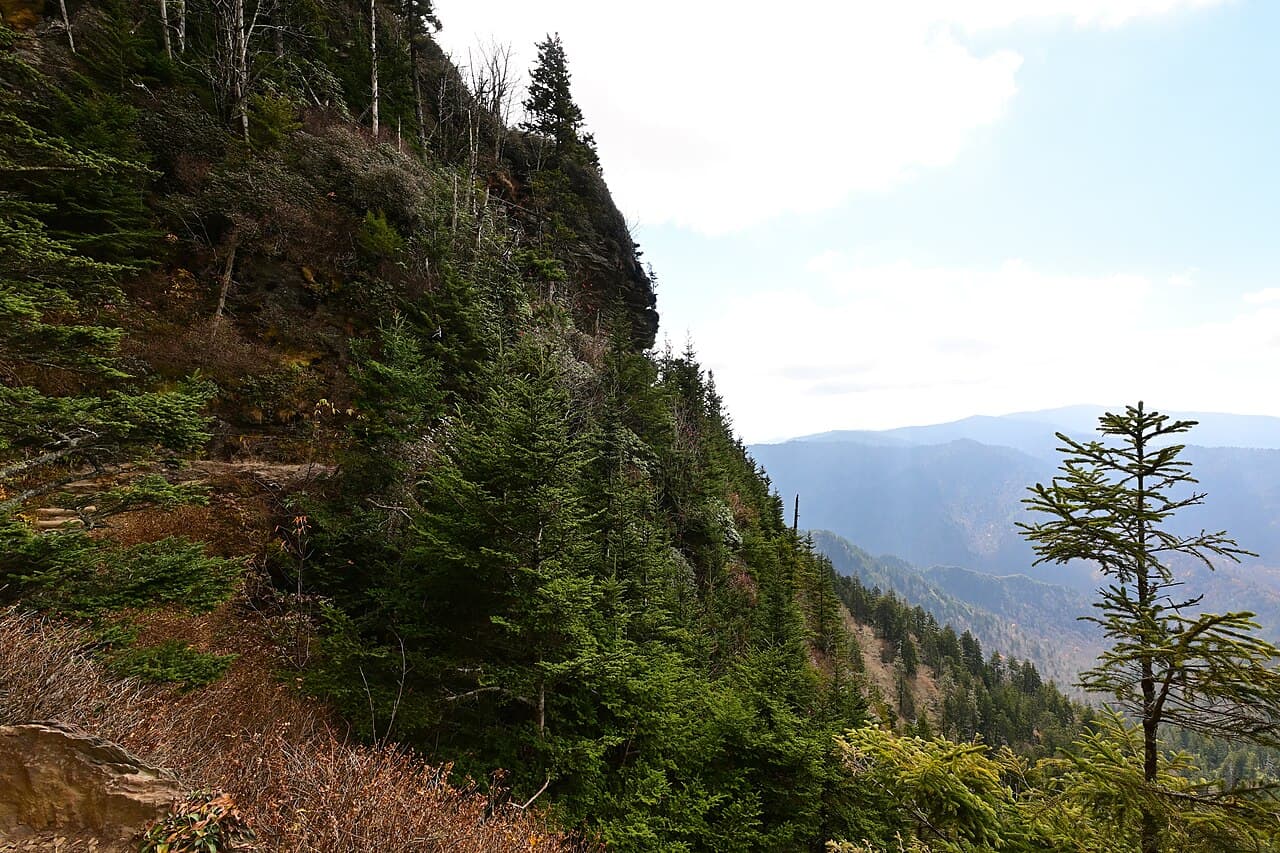
Winter transforms the Salmon River from a whitewater playground into something quieter and more austere — rafting trips aren't running this time of year, but the canyon itself is worth the visit on its own terms. Arrive early, around 9 AM, and you'll have pull-outs and viewpoints entirely to yourself, the roar of the current muffled by ice along the banks and the cold air carrying the mineral scent of snowmelt. This is a moment for quiet observation rather than adrenaline — bring a thermos of coffee and take in the scale of the canyon walls rising around you.

The day centers on the Salmon River itself, not for rafting — winter conditions mean outfitters are offline — but for the stark, cold beauty of the canyon in its quietest season. Standing at a riverside pullout with coffee in hand, the roar of moving water against ice-crusted banks feels like a privilege reserved for those willing to brave the cold and arrive early.
With the morning's main activity complete, the afternoon opens up for a slower pace — wandering Salmon's compact town center, warming up in a local shop or diner, and letting the short winter daylight guide a relaxed, low-key second half of the day.
As the sun dips below the ridgeline well before 6 PM, settle into the town's early rhythm with a simple, hearty dinner at a counter or communal table where conversation with locals — often river guides or ranchers — comes easily. Wind down early; this small-town pace rewards an unhurried, well-rested close to the trip.
Want to tweak this trip?
Our AI planner can customize this itinerary to your exact dates, interests, and travel style.
Customize This ItineraryRestaurant details (hours, menus, availability) change frequently, especially in small winter-season towns. Check current hours before visiting.
Dietary compatibility tags are general guidance. If you have severe allergies, confirm directly with the restaurant.
Travel tips are general guidance, not professional safety advice. Check road conditions and government advisories before winter travel in this region.
All prices are approximate and may vary seasonally.
Attractions in This Itinerary
More Itineraries for Salmon River (Salmon, Challis)
Explore Idaho