2 DaysTeen Families3 Stops

Salmon River (Salmon, Challis), Idaho

2-Day Itinerary for Teen Families

β€œRiver of No Return: A Winter Family Weekend in Salmon”

River of No Return: A Winter Family Weekend in Salmon

Snow settles on the weathered boards of Yankee Fork's ghost towns like a held breath, and the Salmon River runs dark and swollen against white banks. This is winter in Idaho's wildest valley β€” no crowds, no noise, just frontier history and a river that never stops moving.

At a Glance

Climate & Weather
Winter here is serious cold β€” expect below-freezing temperatures, icy roads, and short daylight (sunset as early as 5pm). Pack insulated layers, waterproof boots, hats, gloves, and hand warmers; dress in thermal base layers with a windproof outer shell for any time outdoors.
Getting Around
A rental car with good winter tires (or 4WD) is essential β€” distances between Salmon and Challis sites run 20-60 minutes on quiet, occasionally icy highways. There is no public transit in this region.
Budget
Budget roughly $70-110/day per family for meals and modest activity costs β€” winter here is light on paid attractions and heavy on scenic, free exploration.
Safety
Roads to Yankee Fork and Challis can ice over fast β€” check Idaho 511 road conditions before departing, carry an emergency kit, and let someone know your route. Cell service is spotty throughout the valley, so download offline maps in advance. Wildlife is dormant and rarely an issue in winter, but sudden weather shifts in the mountains are the real hazard.
Connectivity
Expect weak to no cell signal outside town centers; Salmon and Challis proper have basic WiFi at lodges and cafes, but don't count on connectivity once you're near Yankee Fork or the river canyon.
Local Tips
Arrive at outdoor sites by mid-morning since winter light fades fast and roads are safer before any afternoon freeze sets in; most restaurants close by 8-9pm so plan dinner early; bring your own snacks for stretches between towns since dining options thin out considerably in winter.

Highlights

  • Snow-dusted ghost towns with wildflowers long buried under frost
  • Sacajawea Interpretive Center's quiet tribute beside a frozen-edged river
  • Canyon pullovers where the Salmon roars even in deep winter
  • Empty roads and whole historic sites to yourselves
  • Hearty frontier meals in towns that still know your name
  • Teen-friendly photo ops against stark mountain light
  • A true off-season wilderness experience few visitors ever see

Day-by-Day Plan

History & quiet wilderness

Day 1: Ghost Towns Under Snow

A gentle orientation day covering roughly 2 miles of walking, mixing an easy riverside history stop with a moderate-energy ghost town exploration in cold, clear air.

Wear
Insulated waterproof boots, thermal layers, wool socks, hats and gloves, and a windproof jacket β€” footing can be icy and wind off the canyon bites.
Budget
$60-90 for the family (meals plus minor site donations)
9:00 AM - 9:45 AM
Sacajawea Interpretive Center Β· morning Β· 45 min Β· Salmon River Valley & Ghost Towns

Arrive by 9am and the center is nearly silent, your family's footsteps the only sound against the cool mountain air drifting in from the river. Interpretive panels trace Sacagawea's journey with quiet dignity, an easy, low-energy way to ease into the trip before tackling anything more physical. Teens tend to engage more than expected here β€” the story of a young Shoshone woman navigating an unknown continent resonates, especially framed against the real river visible just beyond the windows.

Sacajawea Interpretive Center
Wolfrom, Anna / wikimedia (Public domain)
Shoot the interpretive signage with the frozen river as backdrop mid-morning, when soft winter light avoids harsh shadows.
Fully wheelchair accessible with flat paths and frequent benches β€” a comfortable stop for the whole family regardless of mobility.
45 min drive β€” A quiet highway drive south with the Salmon River tracing the road's edge, mountains closing in tighter the farther you go
10:30 AM - 12:30 PM
Land of Yankee Fork (ghost towns) Β· midday Β· 120 min Β· Salmon River Valley & Ghost Towns

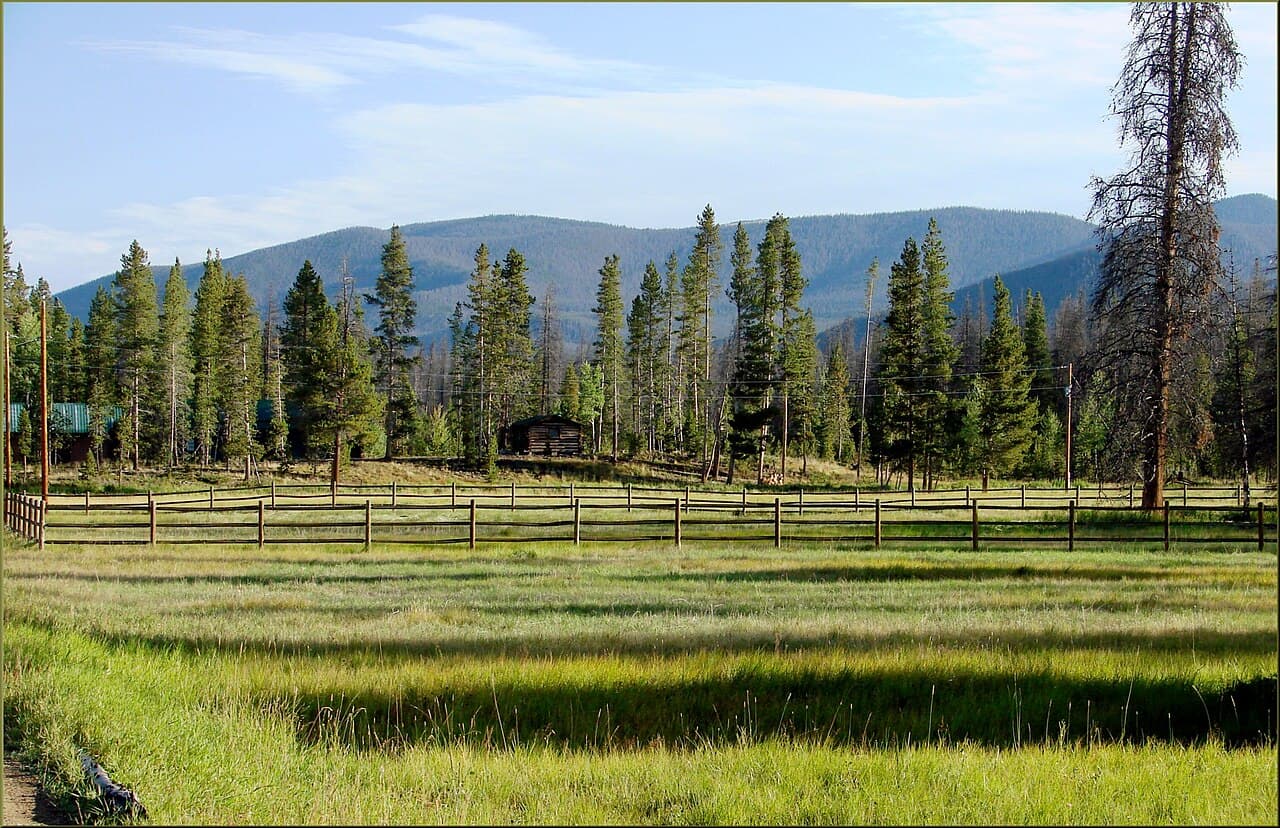
The drive out delivers you into a hushed, high-desert basin where old mining cabins stand half-buried in snowdrifts, wood silvered and split by a century of winters. Give the family 75-120 minutes to wander β€” teens can range ahead a little on the open paths for their own exploring while parents linger over the old structures. The silence out here is total apart from wind through dead grass, and the cold adds a stark beauty absent in summer photos; wildflowers are gone, but the bones of this ghost town feel more honest under snow.

Land of Yankee Fork (ghost towns)
Waters, William Elkanah, b. 1833 / wikimedia (Public domain)
Golden hour is early in winter β€” aim for 2:30-3:00pm light raking across the cabin facades for the richest contrast and shadow.
Trails are uneven, unpaved, and often icy or snow-covered in winter β€” not wheelchair accessible, and sturdy waterproof boots are essential.
Optional detour: Custer Museum β€” Between Sacajawea Interpretive Center and Land of Yankee Fork
A small indoor museum offering historical context on the mining era, useful if temperatures drop further or legs need a break from cold exposure. Skip if: Winter hours may be limited or seasonal closure possible, so skip if time is tight and prioritize the outdoor ghost town light before it fades.
If it rains: If snow or weather worsens, the ghost towns remain viewable but trails turn treacherous β€” pivot to the Custer Museum's small indoor exhibits for a warm, informative alternative, or shorten the Yankee Fork visit and extend time at the Sacajawea Interpretive Center instead.

The day opens gently, easing the family into the trip with a low-key stop at the Sacajawea Interpretive Center, where quiet exhibits and river views require little physical effort after a day of travel.

The pace shifts into the open cold of Yankee Fork's ghost towns, a wider, more active stop where teens can wander at their own distance and parents take in the frozen frontier scenery at their own speed.

With daylight fading early in winter, head back into Salmon or Challis to settle in for the evening β€” plan dinner around whatever is open locally, as options are limited this time of year, and an early night suits the next day's longer outdoor stretch.

Wild river & open sky

Day 2: Canyon Light on the River of No Return

A moderate-energy day built around the Salmon River canyon, covering light walking (under 2 miles) with extended time taking in the whitewater scenery from accessible viewpoints.

Wear
Heavy winter layers, waterproof outer shell, insulated gloves, and sturdy boots with good traction β€” canyon winds are sharp even on clear days.
Budget
$50-80 for the family (meals and incidental costs; river rafting itself is not operable in winter conditions)
40 min drive β€” Back north along the river road, canyon walls narrowing and the Salmon's winter flow visible in flashes between stands of pine
9:30 AM - 11:00 AM
Salmon River (rafting) Β· morning Β· 90 min Β· Salmon River Whitewater

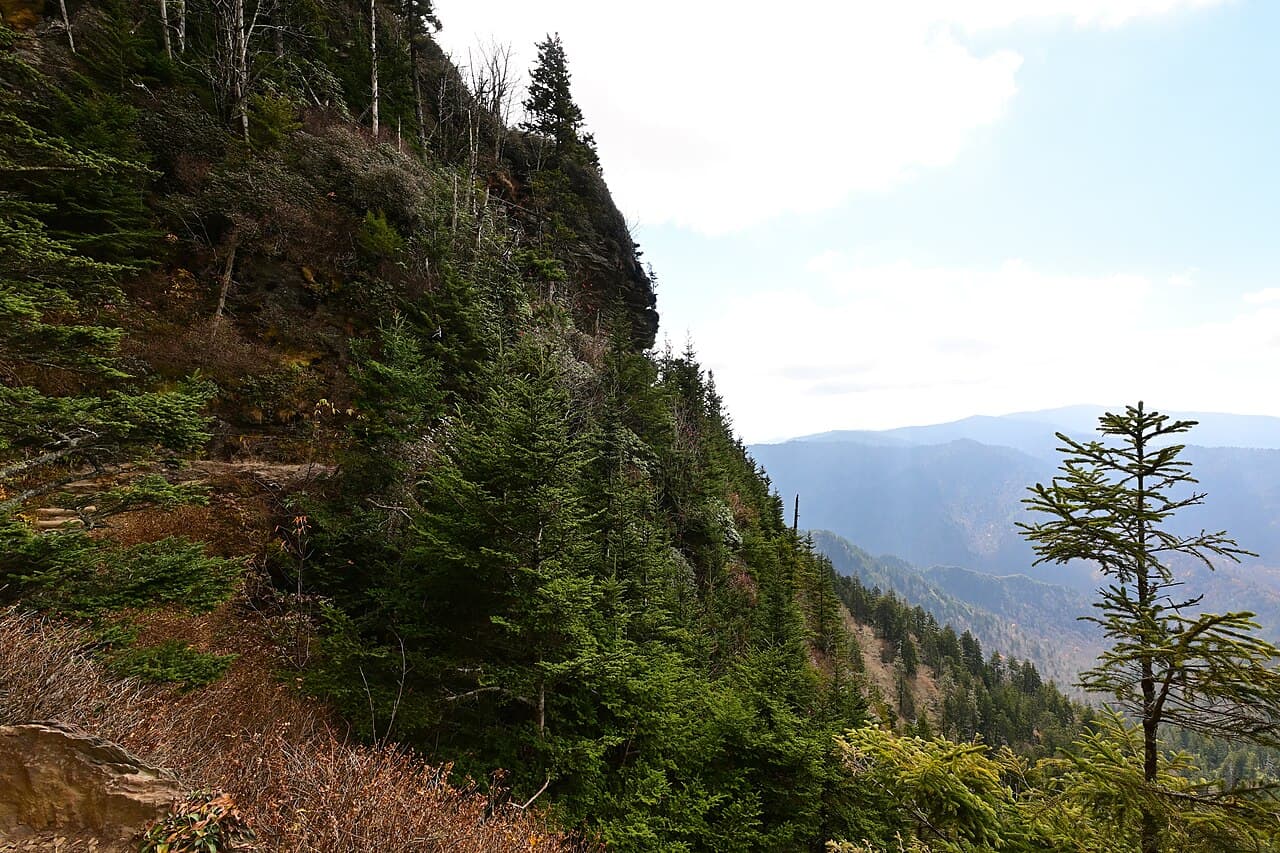
Winter rules out rafting itself, but the canyon overlooks along this stretch of the Salmon still deliver the destination's signature drama β€” dark water churning between snow-capped walls, the roar carrying further in cold, still air than it ever does in summer's crowded rafting season. Arrive by 9:30am for an empty pullover and the kind of raw, undeveloped scenery that photographs best without a single other visitor in frame. Teens who crave adventure in summer will still find the sheer scale and sound of the river compelling even from solid ground.

Salmon River (rafting)
Bureau of Land Management Oregon and Washington from Portland, America / wikimedia (Public domain)
Midmorning sun lights the water's surface directly β€” look for a pullover where the canyon walls frame the rapids for genuine depth in the shot.
Viewpoints along the road are accessible by car with short walks to overlooks; full riverside access is uneven and not wheelchair friendly, and swimming or rafting is not recommended or offered in winter conditions.
Optional detour: Sacajawea Interpretive Center β€” After Salmon River canyon viewpoints, before departure
A second, shorter pass through the center offers a warm, low-effort wind-down stop if the family wants one more indoor activity before heading out. Skip if: Skip if you covered this thoroughly on Day 1 and prefer to maximize remaining canyon or town time instead.
If it rains: Rafting and river access are weather-dependent even for viewing; if snow intensifies, retreat to town and revisit the Sacajawea Interpretive Center's indoor exhibits as a safe, warm fallback for the remainder of the morning.

The day's centerpiece is the Salmon River itself β€” not rafted in winter, but viewed from quiet canyon pullovers where the water's power and the mountains' scale take center stage, a dramatic, low-crowd payoff for the whole family.

With the canyon's main viewpoints covered by late morning, the afternoon opens up for flexible town time in Salmon or Challis β€” a chance for teens to wander independently through small-town streets while parents decompress, with options for a relaxed, unstructured close to the trip.

Wrap the weekend with an early dinner given winter's short daylight and small-town rhythms β€” most local restaurants wind down by 8-9pm, so plan to eat and settle in well before then, letting the quiet of the valley close out the trip on its own unhurried terms.

Want to tweak this trip?

Our AI planner can customize this itinerary to your exact dates, interests, and travel style.

Customize This Itinerary
Good to Know

Restaurant details (hours, menus, availability) change frequently, especially in winter when small-town establishments may have reduced or seasonal hours. Check current hours before visiting.

Dietary compatibility tags are general guidance. If you have severe allergies, confirm directly with any restaurant before ordering.

Travel tips are general guidance, not professional safety advice. Check road conditions via Idaho 511 and government advisories for the latest winter travel information.

All prices are approximate and may vary seasonally.

We use cookies to improve your experience and analyze site usage. Essential cookies are always active. You can customize your preferences or accept all cookies. Cookie Policy