Salmon River (Salmon, Challis), Idaho
3-Day Itinerary for Solo Traveler
“River of No Return: Three Days Solo in Salmon Country”

The Salmon River doesn't announce itself gently — it arrives as a roar in the canyon, a cold spray on sun-warmed skin, and a silence afterward that only wild places produce. This is frontier country where ghost towns still lean into the wind and the river has never once been dammed, and three days alone here means earning that solitude on your own schedule.
At a Glance
Highlights
- Class III–IV whitewater on an undammed wilderness river
- Wandering the bone-quiet streets of a real mining ghost town
- Sunset light on weathered cabin facades at Yankee Fork
- Riverside interpretive walk honoring Sacagawea's legacy
- Small-town diner conversations that turn to river conditions and mountain trails
- Early-morning solitude before the summer rafting crowds arrive
Day-by-Day Plan
Day 1: Arrival & the River's First Introduction
A light settling-in day covering roughly 2 miles of easy walking, focused on cultural orientation at the Sacajawea Interpretive Center before easing into Salmon's small-town rhythm.
Ease into the trip here — cool mountain air, the murmur of the Salmon River nearby, and interpretive panels tracing Sacagawea's extraordinary role in the expedition that first mapped this wild country. It's a low-key, flat, fully accessible start, ideal for a solo traveler still finding their bearings after a long drive in. Arrive by 9am and you'll likely have the riverside pathway to yourself before the day's tour groups filter through.

Settle into Salmon slowly. The Sacajawea Interpretive Center offers a gentle, flat introduction to the region's layered history — cool air off the river, quiet exhibit halls, and frequent benches if the drive in has left you road-weary. This is the day to orient rather than conquer; let the pace be unhurried.
Spend the afternoon wandering Salmon's compact, walkable downtown at your own rhythm — browsing outfitter shops, getting a feel for the town's dawn-to-dusk river-guide culture, and scouting where tomorrow's rafting trip will depart from. Small-town Idaho reveals itself in conversation, so don't hesitate to ask a shopkeeper about river conditions; it's practically the local pastime.
Dinner in Salmon winds down early, so eat by 8pm. Look for a counter or bar-seating spot where solo diners are the norm and conversation drifts naturally toward tomorrow's weather and river levels — a good low-key way to ease into the trip's solitude without feeling isolated. Turn in early; outfitters run on dawn schedules.
Day 2: Into the Whitewater
The trip's high-intensity centerpiece — a half-day Class III–IV rafting expedition covering the Salmon River cluster, with minimal additional walking beyond the put-in and take-out.
This is the day's centerpiece and the reason to come to Salmon in the first place — cold spray hitting sun-warmed shoulders, the deep echo of rapids bouncing off canyon walls, and the physical thrill of paddling a river that's never known a dam. Book with a licensed outfitter in advance; July and August mornings fill fastest, and an early departure means calmer water and fewer rafts crowding the best rapids. Solo travelers are routinely paired into group boats here, making this one of the trip's best built-in social opportunities — shared adrenaline tends to break the ice fast.

Rise early and get to the put-in with time to spare — the river doesn't wait, and the calmest water and best light belong to the first boats out. Four hours of Class III–IV whitewater will test nerve and muscle alike, framed by the kind of canyon scale that makes conversation unnecessary; the river does the talking.
After hauling out, expect a satisfying exhaustion — equal parts adrenaline comedown and sun fatigue. Keep the afternoon deliberately light: dry off, rehydrate, and let the body recover rather than stacking another high-output activity on top of the rafting trip.
Dinner tonight should be simple and filling — this is frontier diner territory, where hearty plates and local hospitality are the norm. Expect the conversation at the counter to turn, as it always does here, to today's river levels and tomorrow's weather; it's an easy, low-pressure way for a solo traveler to feel part of the town's rhythm before an early night.
Day 3: Ghost Towns & the Long Idaho Light
A moderate day exploring the Land of Yankee Fork ghost towns, covering roughly 2–3 miles of uneven walking across historic sites with ample photography time.
Step into Idaho's gilded past, where nature is slowly, patiently reclaiming the frontier — dry pine-scented air, the creak of century-old wood, wildflowers pushing up through cabin floorboards. Arrive by 9am and the ghost town is essentially yours; by midday, summer weekend traffic picks up and the silence that makes this place special gets harder to find. For a solo traveler, this unhurried wandering through abandoned mining structures rewards patience and curiosity over a packed schedule.
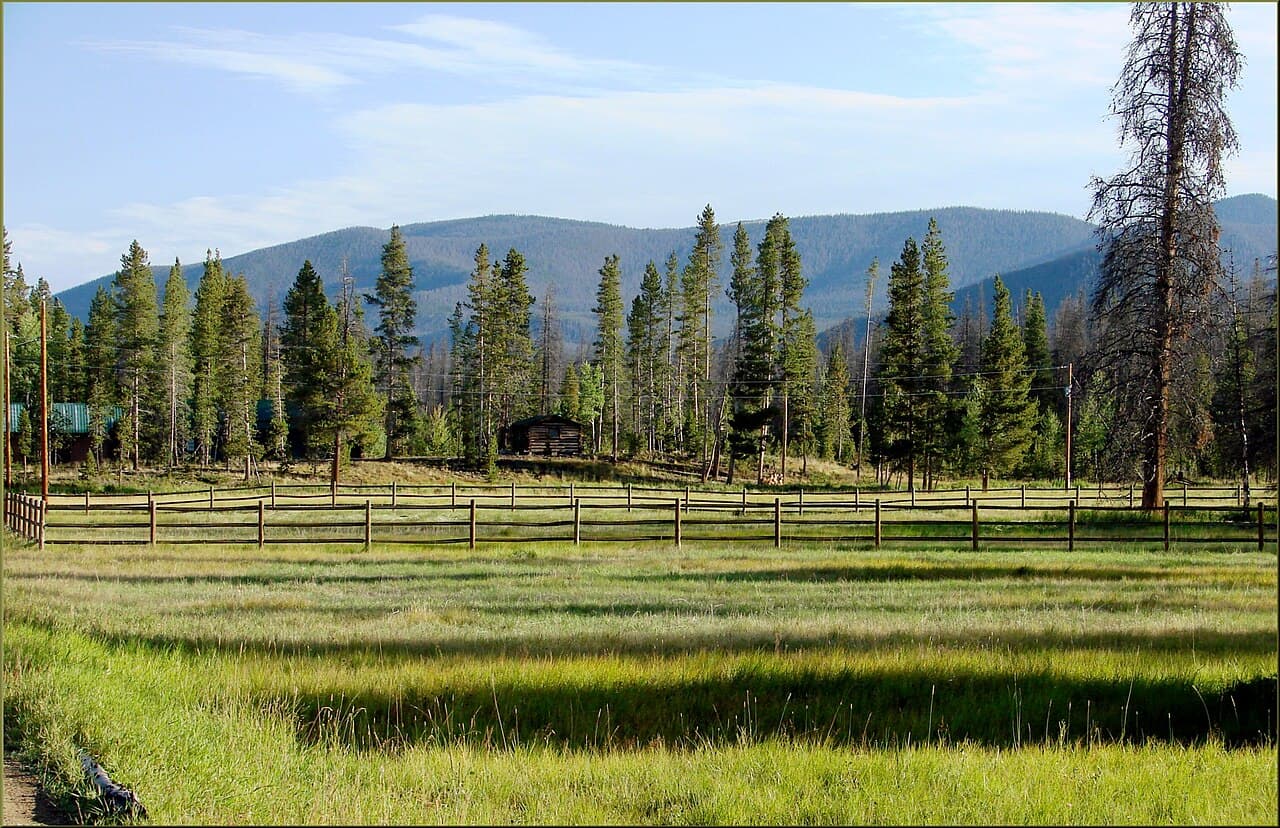
Give the morning fully to Yankee Fork. Wander at your own pace through weathered cabins and old mining structures, the kind of quiet that makes solo travel feel like a gift rather than a compromise. The uneven ground and lack of shade reward an early start — both for comfort and for having the place nearly to yourself.
As the day warms, ease the pace — this is a good afternoon for a slower return drive toward Salmon or Challis, with room to pull over at scenic ridgeline viewpoints along ID-75. Let the morning's history sink in rather than rushing toward another anchor stop; the day's rhythm should feel loose and reflective.
Close the trip with an unhurried dinner back in town, the kind of place where the server already knows the regulars and doesn't mind a solo traveler lingering at the counter. Let the evening wind down early, in step with the town's own rhythm — a quiet, fitting end to three days spent at the edge of true wilderness.
Want to tweak this trip?
Our AI planner can customize this itinerary to your exact dates, interests, and travel style.
Customize This ItineraryRestaurant details such as hours, menus, and availability change frequently, especially in small seasonal towns — check current hours before visiting.
Dietary compatibility tags are general guidance only; confirm directly with restaurants if you have severe allergies or restrictions.
These tips are general guidance, not professional safety advice — river conditions, weather, and wildlife activity can change quickly, so check current local and outfitter advisories.
All prices are approximate estimates and may vary seasonally or by outfitter.
Attractions in This Itinerary
More Itineraries for Salmon River (Salmon, Challis)
Explore Idaho