3 DaysSolo Traveler7 Stops

Chicago area (near suburbs), Illinois

3-Day Itinerary for Solo Traveler

Bloom, Bark & Blowing Sand: 3 Days Beyond the Loop

Bloom, Bark & Blowing Sand: 3 Days Beyond the Loop

Beyond the skyline, the Chicago area unfolds into something quieter — glass conservatories fogged with tropical heat, prairie boardwalks humming with returning birdsong, and dunes that rise gold against a restless lake. This is a trip for wandering alone at your own rhythm, camera in hand, coffee in the other.

At a Glance

Climate & Weather
Spring in the Chicago area means mild days (50–65°F), cool mornings, and unpredictable rain showers. Pack a lightweight rain jacket, layers, and sturdy shoes — dune trails and garden paths can get muddy after storms.
Getting Around
A rental car is strongly recommended — this itinerary spans suburbs and lakeshore that are not well connected by transit. Ride-shares work within suburban downtowns but are unreliable near the dunes and arboretum.
Budget
Budget roughly $60–90/day for a solo traveler covering garden/park admission, casual meals, and coffee stops — more if adding a sit-down dinner.
Safety
The suburbs and gardens are very low-risk for solo travelers; standard awareness applies in parking lots and after dark. At Indiana Dunes, respect posted lake current warnings and avoid climbing wet dune faces — footing can be unstable, especially solo.
Connectivity
Cell coverage is strong throughout the suburbs and at Morton Arboretum and the Botanic Garden; expect spotty signal in pockets of Indiana Dunes, especially near the shoreline and wooded trails.
Local Tips
Arrive at outdoor attractions before 9:30am to beat weekend crowds and get the best light for photos. Many cultural spots close Mondays, so this itinerary is timed for Tuesday–Sunday visits. Solo travelers should ask staff at garden cafés about communal seating — it's a natural way to strike up conversation with fellow visitors.

Highlights

  • Sunrise-quiet boardwalks through the Chicago Botanic Garden's nine islands
  • Tropical humidity and Beaux-Arts glass at Garfield Park Conservatory
  • 1,700 acres of prairie and woodland at Morton Arboretum
  • Wind-carved dune climbs over Lake Michigan at Indiana Dunes
  • Solo-friendly cafés and communal tables for easy conversation
  • Spring wildflowers and low shoulder-season crowds
  • Golden hour over shifting sand and water at Mount Baldy's ridge

Day-by-Day Plan

Arrival & tropical calm

Day 1: Glasshouse Green: Easing Into the Suburbs

A gentle, low-mileage day (under 2 miles walking) centered on the humid stillness of Garfield Park Conservatory — ideal for shaking off travel fatigue.

Wear
Light layers; the conservatory is warm and humid, so dress for temperature swings between indoor greenhouse heat and cooler spring air outside.
Budget
$40–55 (free conservatory admission, café lunch, coffee)
9:30 AM - 11:00 AM
Garfield Park Conservatory · morning · 90 min · Western Suburbs Arboretum

Step through the doors and the air changes instantly — warm, thick, and green, like walking into a held breath of summer in the middle of spring. Palms arch overhead under the Beaux-Arts glass dome, mist systems hiss softly, and the quiet is broken only by dripping water and the occasional shutter click. Arrive at opening for near-solitude among the ferns before weekend crowds trickle in.

Garfield Park Conservatory
Photo by Jeffrey Diehl on Pexels
Shoot straight up in the Palm House around 10am, when soft morning light filters through the glass geometry overhead.
Fully wheelchair accessible with flat, paved paths throughout.
2 min walkA short stroll between conservatory rooms, sunlight shifting through glass panels overhead.
11:00 AM - 11:30 AM
Garfield Park Conservatory · midday · 30 min · Western Suburbs Arboretum

Linger a little longer in the Fern House, where ornate ironwork frames deep green fronds — a quiet corner for unhurried photography or simply sitting on a bench and letting the humidity settle into your shoulders after a travel day.

Garfield Park Conservatory
Photo by Jeffrey Diehl on Pexels
The Fern House's diffused light works well any time of day — no harsh shadows to fight.
Benches are frequent throughout for rest breaks.
Lunch
Momentum Coffee $
Cafe/Coffee · Near Garfield Park Conservatory
A relaxed counter-service spot near the conservatory, good for a light bite and easing into solo travel pacing.
Inspiration Kitchens $$
Local · Near Garfield Park Conservatory
A community-rooted kitchen serving comforting local fare — communal tables make it easy to strike up conversation.
Dinner
Semaphore Cafe $
Cafe/Coffee · Near Garfield Park Conservatory
Low-key evening option near the conservatory for a simple, unfussy meal after a light first day.
Lakeside Bar $$
Local · Near Garfield Park Conservatory
Casual bar seating — a good spot for solo diners to settle in with a drink and watch the evening unwind.
If it rains: Garfield Park Conservatory is entirely indoors — no backup needed; it's the ideal rainy-day activity itself.

Ease into the trip slowly. The conservatory's warm, jungle-thick air is a gentle contrast to whatever weather greeted you outside, and the low-key crowds of a weekday morning mean you can wander the Palm House and Fern House without jostling for space. This is a day for settling in, not sightseeing hard.

Keep the pace unhurried — a second pass through the conservatory's quieter corners, a coffee at a nearby café, and time to simply exist in a new place without an agenda. Solo travelers especially benefit from this kind of soft-landing day.

Dinner nearby is casual and low-pressure — bar seating at a local spot works well for solo diners who want the option of conversation without the commitment of a group setting. Turn in early; tomorrow's pace picks up.

Woodland & prairie immersion

Day 2: Prairie Light: A Day Among Ancient Trees

A moderate-energy day at Morton Arboretum covering roughly 3–4 miles of walking across trails, prairie, and garden collections.

Wear
Sturdy walking shoes, a light rain jacket, and layers — gravel paths can be uneven and spring weather shifts quickly.
Budget
$50–70 (arboretum admission, café meals)
35 min driveA straightforward suburban drive west, traffic thinning as you leave the city grid behind for tree-lined roads.
8:30 AM - 10:30 AM
Morton Arboretum · morning · 120 min · Western Suburbs Arboretum

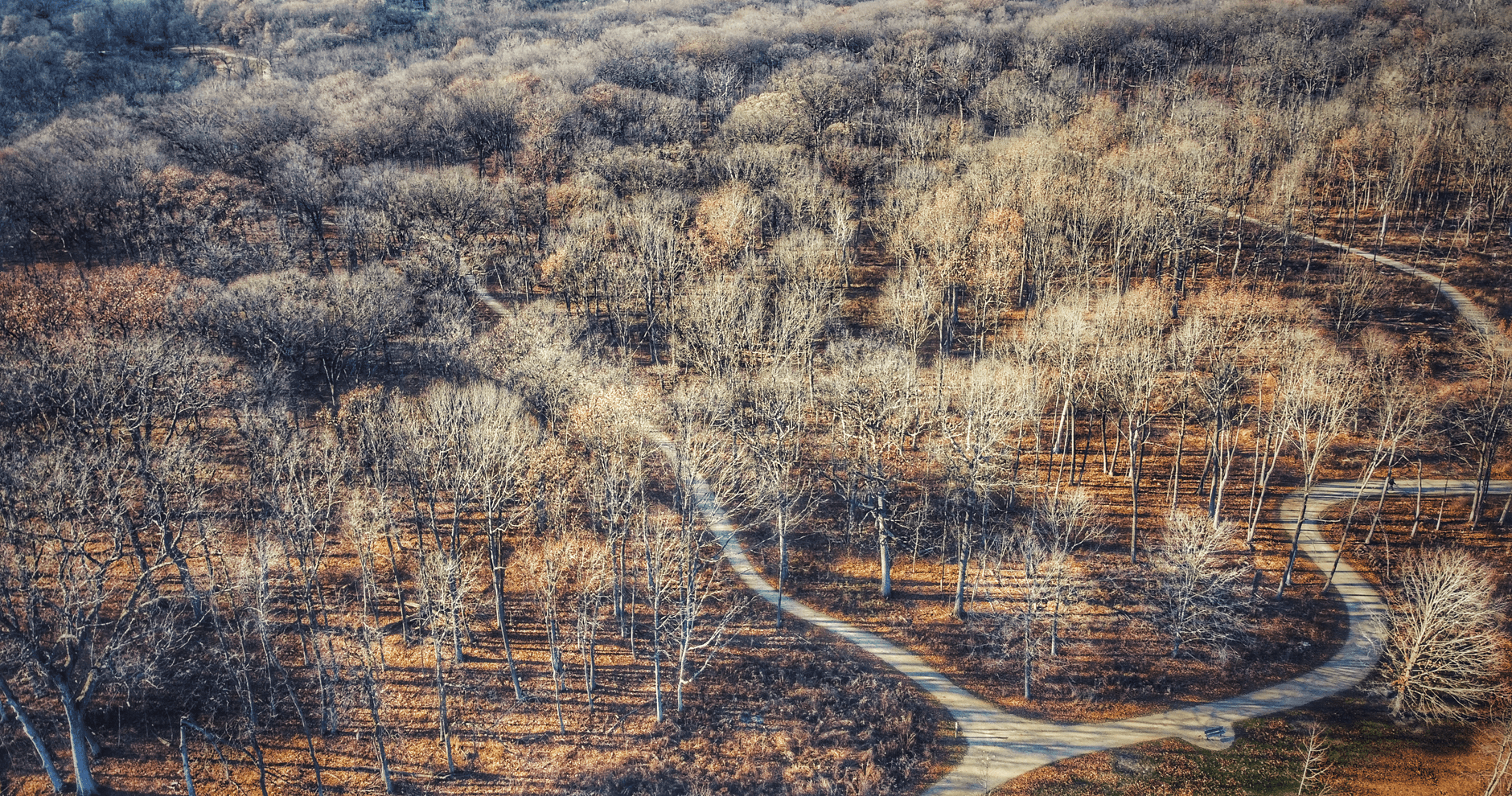
Arrive at opening and the arboretum belongs almost entirely to you — dappled light falling through towering oaks, gravel crunching underfoot, birdsong rolling across the Schulenberg Prairie. By 9am, the quiet is profound; by mid-morning, weekend visitors and families begin arriving. This early window is when the light and the solitude are both at their best.

Morton Arboretum
United States. Department of Agriculture. Office of Public Affairs (1989- ) / wikimedia (Public domain)
The Schulenberg Prairie glows gold at sunrise — worth the early wake-up if photography is a priority.
Main paths are paved and wheelchair accessible; some woodland trails are gravel and uneven.
15 min walkA scenic walk along the main path, tree canopy shifting from oak groves to more ornamental plantings.
10:30 AM - 12:30 PM
Morton Arboretum · midday · 120 min · Western Suburbs Arboretum

Continue deeper into the collection toward the Japanese Garden area, where architectural framing and still water create a meditative pause in the middle of the visit. The 1,700 acres reward unhurried wandering — pick a loop, follow the crunch of the trail, and let the woodland thin into open prairie and back again.

Morton Arboretum
United States. Department of Agriculture. Office of Public Affairs (1989- ) / wikimedia (Public domain)
The Japanese Garden's architectural framing works best in soft midday light filtered through tree cover.
Benches are frequent along main routes for rest.
Lunch
Ginkgo Cafe $
Cafe/Coffee · At Morton Arboretum
Quick, casual counter service inside the arboretum — ideal for refueling between trail loops without leaving the grounds.
Ginkgo Restaurant $$
Local · At Morton Arboretum
A sit-down option with arboretum views, better for a slower lunch if you want to rest your feet mid-visit.
Optional detour: Chicago Botanic GardenAfter Morton Arboretum's afternoon session and before dinner
If energy allows, a brief evening visit to the Botanic Garden's Japanese Garden island offers a serene sunset close to the day. Skip if: Two garden-heavy destinations in one day can feel repetitive — better saved for Day 3's dedicated visit.
If it rains: If heavy rain sets in, retreat to the Arboretum's visitor center and library for indoor exhibits, or reschedule outdoor trail walking for a clearer window later in the day.

The arboretum at opening is a hushed, cathedral-like space — towering trees, gravel paths, and the kind of quiet that makes solo travel feel like a gift rather than a compromise. Take the early hours slowly; this is prime light for photography and the trails are nearly empty.

As the morning gives way to midday, the pace shifts toward the Japanese Garden's stillness and a relaxed lunch at the on-site café. The crowd builds gradually through the afternoon, but the sheer scale of the property means it rarely feels crowded.

Head back toward your suburb base for a low-key dinner — after a few miles of walking, an easy, unhurried meal is the right note to end on. Save energy for tomorrow's dune climb.

Lakeshore adventure

Day 3: Dune Light: Wind, Sand, and Lake Michigan's Edge

An active outdoor day at Indiana Dunes covering 3-5 miles of trail and beach walking, best paired with an early start to beat both crowds and afternoon winds.

Wear
Layered clothing, windproof jacket, sturdy hiking shoes (sand-ready), and sunglasses; conditions shift quickly near the lake.
Budget
$45–65 (park entrance, casual meals — pack snacks as dining options near the trailhead are limited)
80 min driveA longer drive southeast out of the suburbs — consider a coffee stop partway to break up the trip, as this exceeds the usual 60-minute hop between stops.
8:00 AM - 10:30 AM
Indiana Dunes NP (East) · morning · 150 min · Indiana Dunes Gateway

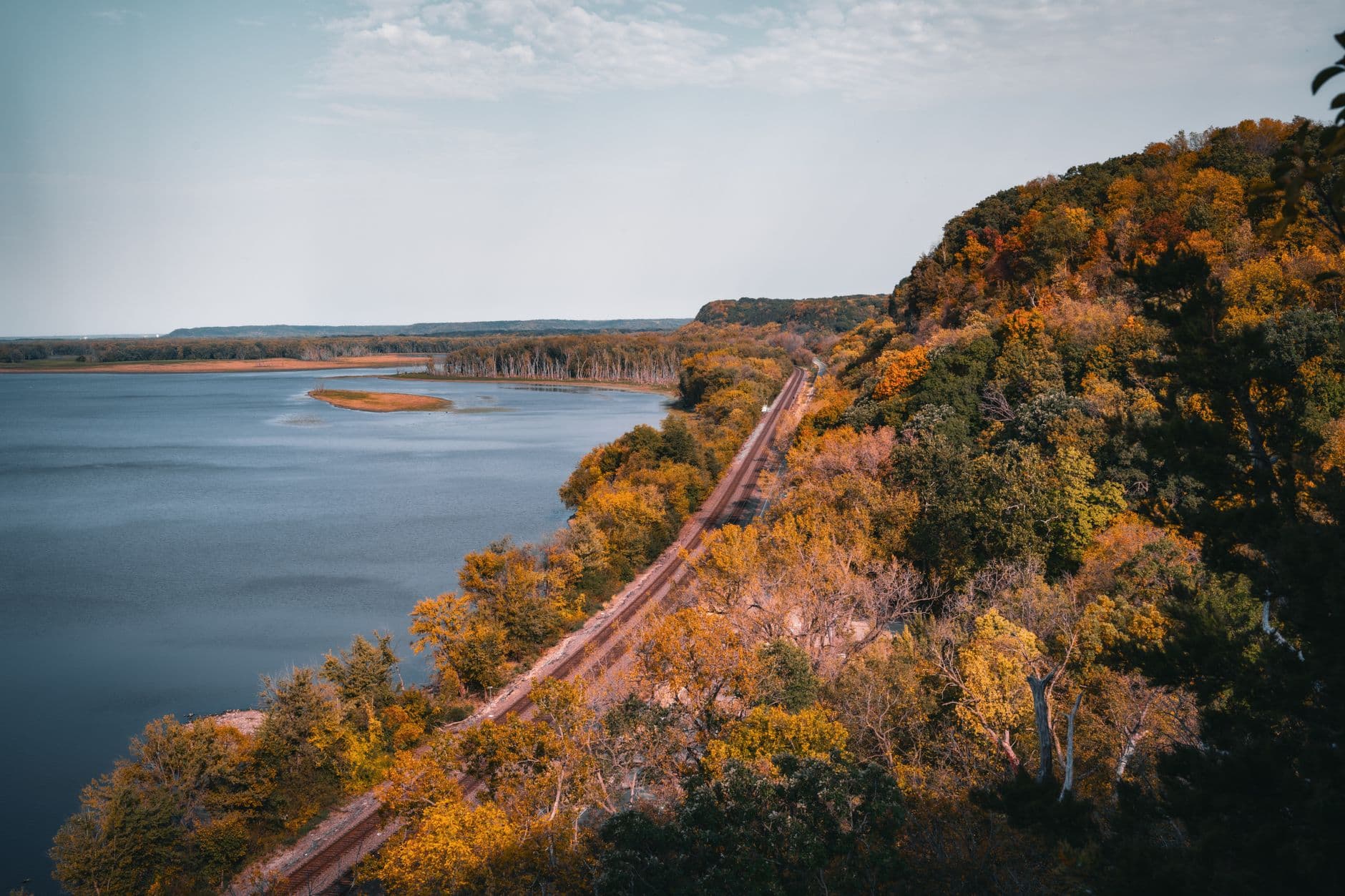
Arrive by 8am and the dunes are nearly silent — just wind through beach grass and waves rolling steadily onto the shore. Climb toward the Ridge of Mount Jackson for a panoramic view of shifting gold-and-rust dunes against deep blue water; by mid-morning the trailhead parking fills and the solitude thins considerably. This is rugged, moderate-energy terrain — take it slow in soft sand.

Indiana Dunes NP (East)
U.S. National Naval Medical Center / wikimedia (Public domain)
Shoot the dune ridge in early morning sidelight, when shadows carve deep texture into the sand.
Trails are unpaved and uneven — not wheelchair accessible; sturdy footwear is essential.
20 min walkA descent from ridge to wetland, sand giving way to boardwalk planks underfoot.
10:30 AM - 12:30 PM
Indiana Dunes NP (East) · midday · 120 min · Indiana Dunes Gateway

Descend toward the wetland boardwalk, where the terrain softens and reflections ripple across still water — a good contrast to the strenuous dune climb. Watch for returning waterfowl and early spring wildflowers along the boardwalk edges; this stretch is flat and far gentler on tired legs.

Indiana Dunes NP (East)
U.S. National Naval Medical Center / wikimedia (Public domain)
The wetland boardwalk mirrors the sky beautifully around midday when the water is calm.
Boardwalk sections are more level, though still not fully wheelchair accessible.
Optional detour: Indiana Dunes NP (East)Between the morning dune climb and the wetland boardwalk
A stop at the indoor visitor center offers restrooms, maps, and a break from wind if conditions turn harsh. Skip if: Skip if weather is clear and energy is high — better to spend the time on trail while light and crowds are favorable.
If it rains: If rain moves in, trails become muddy and dune climbing is discouraged — retreat to the indoor visitor center for exhibits, or reschedule the dune hike for a clearer day and treat this as a scenic drive along the shoreline instead.

The dunes at dawn feel elemental — wind-carved slopes rising steeply from the lake, the kind of landscape that rewards effort with sweeping, uninterrupted views. Solo hikers should stick to marked trails and let a park ranger or fellow visitor know their rough plan for the morning, especially before summiting the ridge.

After the climb, the wetland boardwalk offers a welcome change of pace — flat, quiet, and rich with early spring birdlife. Since dining options directly at the trailhead are limited, plan to eat in nearby Chesterton or pack snacks and water for the day.

With sand still in your shoes, wind down back toward the suburbs — this is a day best closed early, legs tired and camera roll full, marking a fitting, wide-open finish to three days that moved from glasshouse humidity to open lakeshore wind.

Want to tweak this trip?

Our AI planner can customize this itinerary to your exact dates, interests, and travel style.

Customize This Itinerary
Good to Know

Restaurant details (hours, menus, availability) change frequently. Check current hours before visiting, especially in seasonal destinations.

Dietary compatibility tags are general guidance. If you have severe allergies, confirm directly with the restaurant.

Travel tips are general guidance, not professional safety advice. Check government advisories for latest information.

All prices are approximate and may vary seasonally.
We use cookies to improve your experience and analyze site usage. Essential cookies are always active. You can customize your preferences or accept all cookies. Cookie Policy