Chicago area (near suburbs), Illinois
5-Day Itinerary for Solo Traveler
“Gardens, Glass, and Dunes: Five Days Through Chicagoland's Quiet Wild Side”
Beyond the Loop's skyline, Chicagoland unfolds into quieter textures — dew-heavy prairie grasses, glass conservatory domes fogged with tropical heat, and dunes that rise like held breath against Lake Michigan's gray-blue horizon. This is a spring week for the solo traveler who wants space to wander, benches to rest on, and just enough structure to never feel lost.
At a Glance
Highlights
- Sunrise light through the Chicago Botanic Garden's Japanese Garden islands
- Tropical humidity and Beaux-Arts ironwork at Garfield Park Conservatory
- 1,700 acres of trees and prairie restoration at Morton Arboretum
- Wind-carved dunes and Lake Michigan surf at Indiana Dunes National Park
- Quiet weekday mornings with almost no crowds at every major stop
- Food hall and café counters built for solo dining and easy conversation
- A slow, layered spring week — no two outdoor-heavy days back to back
What do 5 days in Chicago area (near suburbs) look like for solo travelers?
9 stops across 5 days, about 18 hours of sightseeing in all. The rest is yours for long lunches and unplanned detours.
| Day | Stop | Area | Suggested time | Typical visit |
|---|---|---|---|---|
| Day 1 | Chicago Botanic Garden | North Shore Gardens | 9:00 AM - 11:30 AM | 2 hr 30 min |
| Day 1 | Chicago Botanic Garden | North Shore Gardens | 11:30 AM - 1:00 PM | 1 hr 30 min |
| Day 2 | Morton Arboretum | Western Suburbs Arboretum | 8:30 AM - 11:00 AM | 2 hr 30 min |
| Day 2 | Morton Arboretum | Western Suburbs Arboretum | 11:00 AM - 12:30 PM | 1 hr 30 min |
| Day 3 | Garfield Park Conservatory | Western Suburbs Arboretum | 9:00 AM - 10:30 AM | 1 hr 30 min |
| Day 3 | Garfield Park Conservatory | Western Suburbs Arboretum | 10:30 AM - 12:00 PM | 1 hr 30 min |
| Day 4 | Indiana Dunes National Park (East) | Indiana Dunes Gateway | 8:00 AM - 10:30 AM | 2 hr 30 min |
| Day 4 | Indiana Dunes National Park (East) | Indiana Dunes Gateway | 10:30 AM - 1:00 PM | 2 hr 30 min |
| Day 5 | Chicago Botanic Garden | North Shore Gardens | 9:00 AM - 11:00 AM | 2 hr |
Each day opens as a route in Google Maps; the map file drops every stop into Google My Maps or an offline map app.
Day-by-Day Plan
Day 1: Settling In: First Light Among the Islands
A gentle half-day easing into the trip with a slow loop through the Chicago Botanic Garden, roughly 2 miles of flat, paved walking.
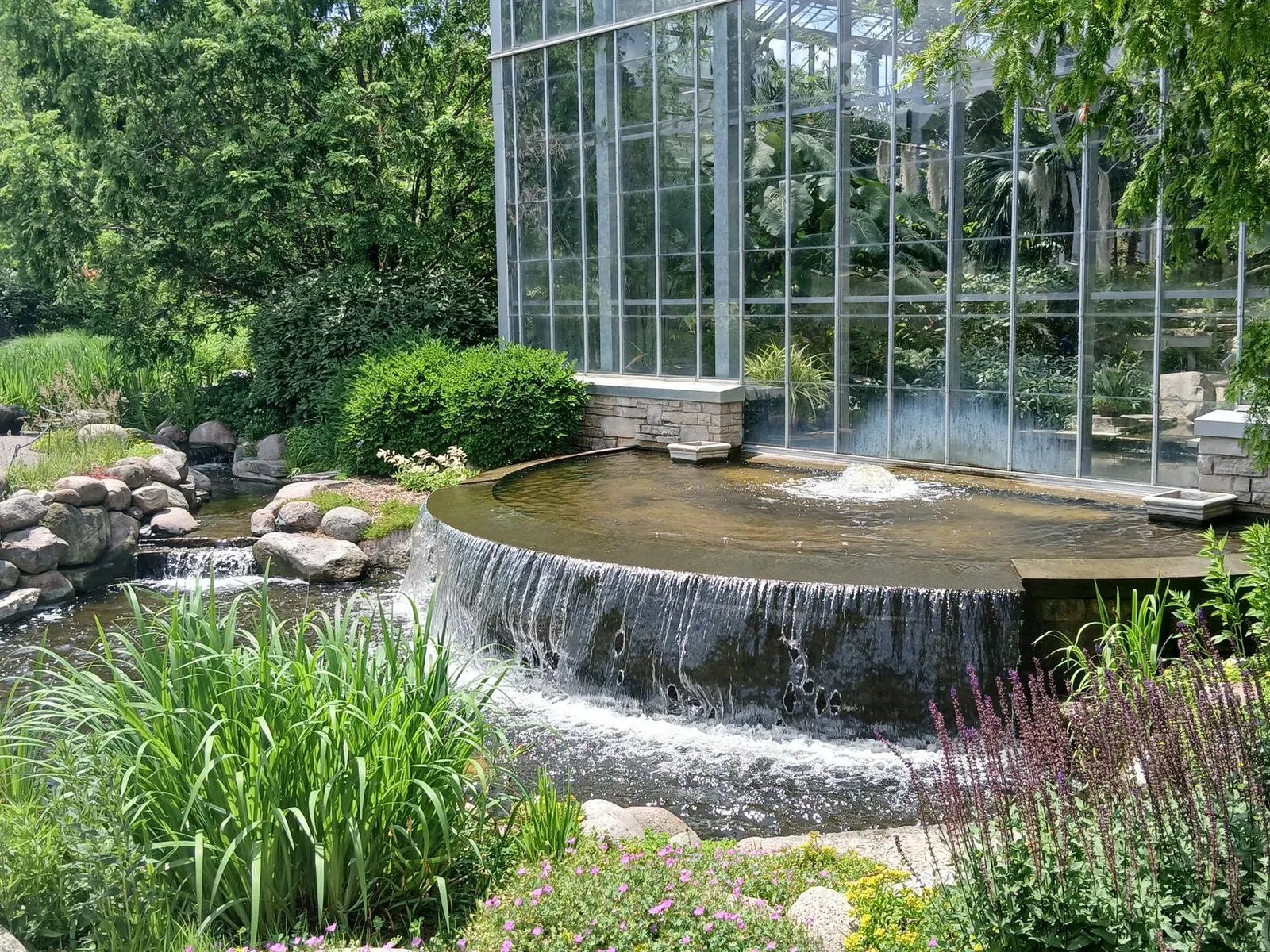
Arrive by 9am and the nine islands feel like they belong to you alone — mist still clinging to the lagoons, the Skokie River murmuring somewhere past the prairie grasses. This is the easiest possible first stop after travel: flat paths, frequent benches, and no itinerary pressure. Let the boardwalks lead you from formal perennial beds into looser, wilder woodland without rushing.
Rather than rushing to a second site on arrival day, linger in a different garden zone — the Barbara Brown Nature Reserve boardwalk offers a wilder, prairie-backed contrast to the manicured beds you walked earlier. It's a good spot to simply sit, breathe, and let jet lag settle before reengaging with the week ahead.
Ease into the trip with the Chicago Botanic Garden at its quietest, just after opening. The air is cool and green-scented, boardwalks nearly empty, and the pace entirely yours to set — no rushing, just slow absorption of nine islands of curated and wild landscape.
Rather than adding a new site, stay within the same cluster and let the day unfold slowly — a second loop through a different garden zone, a long lunch at the café, and time to simply sit by the lagoons as travel fatigue fades.
Dinner stays simple and close by at the Rose Terrace Beer Garden, where shared tables make solo dining comfortable and the mood is relaxed rather than performative — a gentle close to day one.
Day 2: Deep Green: A Full Day Among Ancient Trees
A moderate full day exploring Morton Arboretum's 1,700 acres, roughly 3–4 miles of gravel and paved walking.
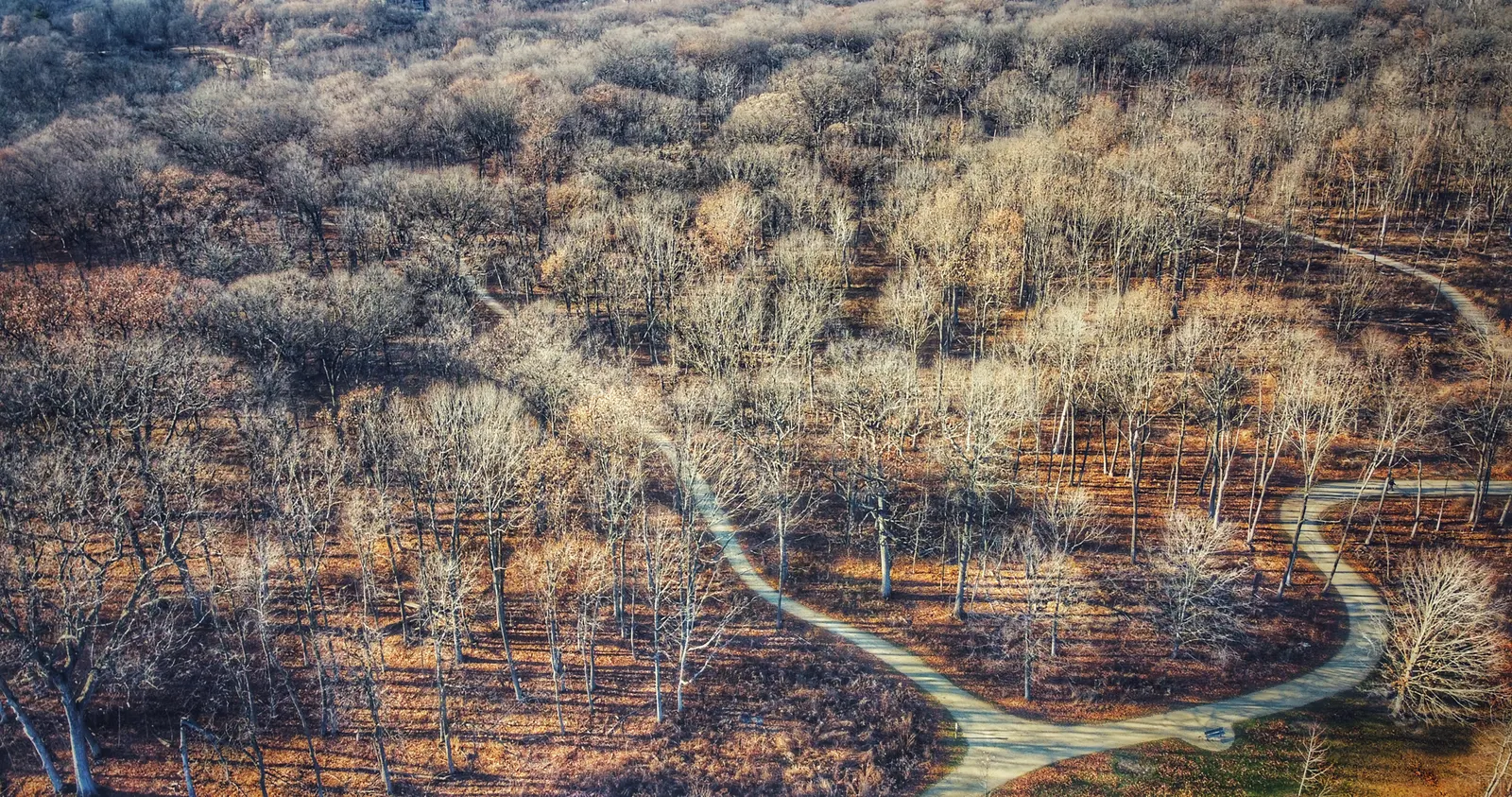
Arrive at 8:30am and the Schulenberg Prairie is still catching low sun, dew clinging to new spring growth, nearly empty of other visitors. Begin at the visitor center overlook to orient yourself across the vast collection, then wander into the oak groves where dappled light and birdsong set an unhurried rhythm — this is a full morning's worth of wandering, no need to rush between zones.

Continue deeper into the collection toward the Japanese Garden area, where architectural framing and quieter pathways offer a contemplative midday pause. The crowd builds slowly through the late morning, but this zone tends to stay calmer than the main visitor center loop.
Morton Arboretum unfolds slowly across 1,700 acres, and an early start rewards you with near-solitude on the Schulenberg Prairie as low sun catches new spring growth. The walk shifts from open prairie to dappled oak groves, the scale of the place settling in gradually rather than all at once.
Midday shifts toward the quieter, more contemplative Japanese Garden section — a change of pace within the same cluster rather than a jump to something new. Lunch at Ginkgo Cafe offers an easy, unhurried break with shared tables good for casual conversation.
With a full day of walking behind you, keep the evening low-key — return to your suburb base for a relaxed dinner, letting the sensory richness of the arboretum settle before tomorrow's shift to glass and tropical heat.
Day 3: Glasshouse Warmth: Garfield Park's Tropical Hush
A lighter, mostly indoor day centered on Garfield Park Conservatory, under a mile of walking — a deliberate pace-down after two nature-heavy days.
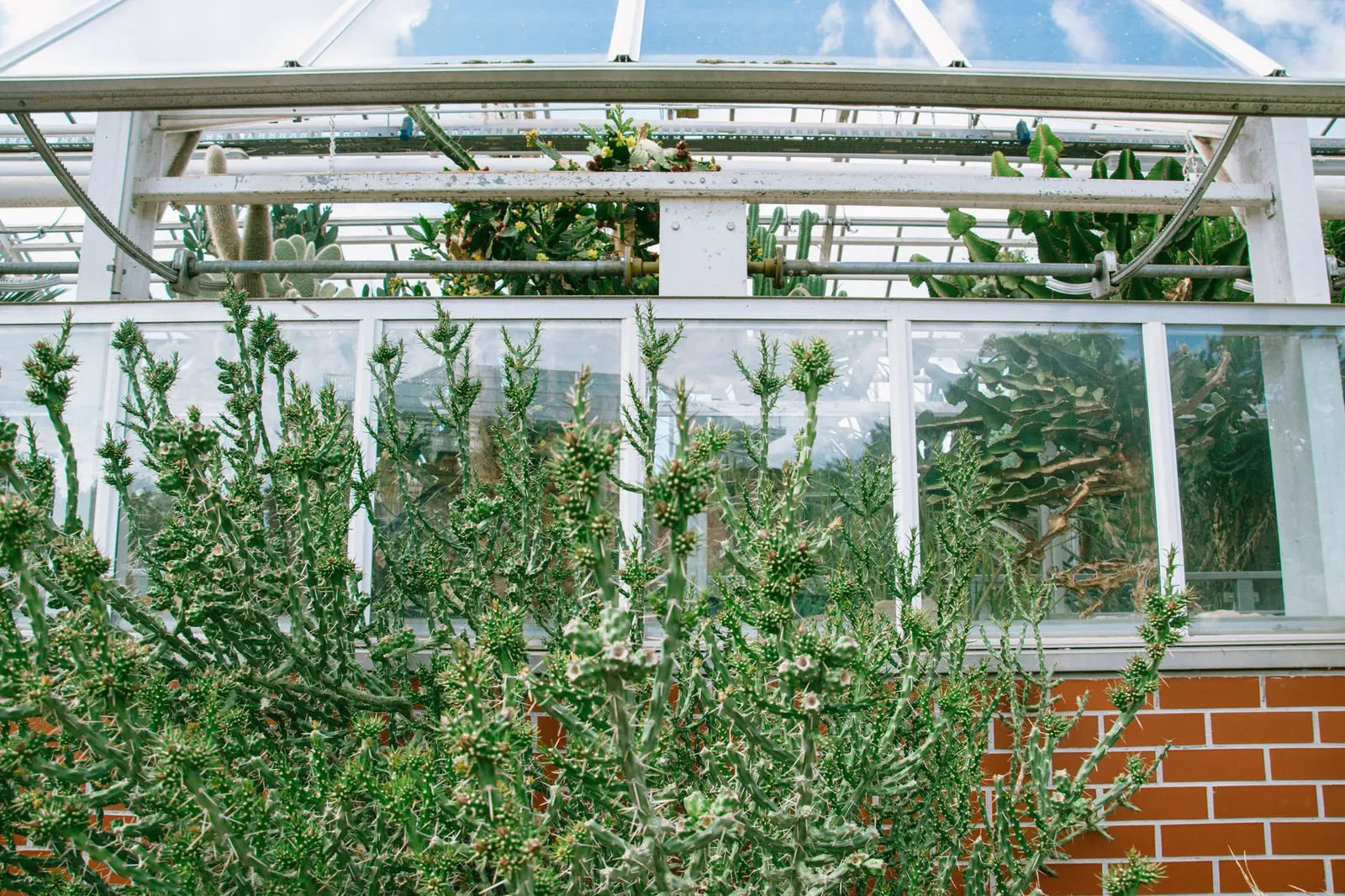
Arrive by 9am while the Palm House is still quiet, warm humid air settling over you like a held breath after the cool outdoor morning. Look straight up in the central dome — towering palms frame geometric ironwork against glass, one of the conservatory's signature views. This Beaux-Arts palace is an easy, unhurried counterpoint to the open-air scale of the last two days.
Move into the Fern House for a cooler, deeply green contrast to the Palm House's heat — ornate ironwork peeks through dense foliage, and the hush here feels almost sanctuary-like. If a seasonal orchid installation is running, it's worth the slow wander under the directional spotlighting.
Garfield Park Conservatory offers a completely different sensory register from the last two days — warm, humid, and intimate rather than vast and open-air. Arrive early to have the Palm House's soaring dome nearly to yourself before the midday crowd of families and photographers builds.
The pace stays gentle through midday, moving room to room — Fern House after Palm House — each with its own temperature and light. This is the lightest day of the trip by design, a deliberate rest between two more physically demanding outdoor days.
Dinner nearby at Lakeside Bar offers easy, shared-table company if you're craving conversation, or Semaphore Cafe for something quieter — either way, an early night makes sense before tomorrow's dune trek.
Day 4: Wind, Sand, and Water: A Day at the Dunes
A moderately strenuous full day at Indiana Dunes National Park, with 4–5 miles of sandy and uneven trail walking.
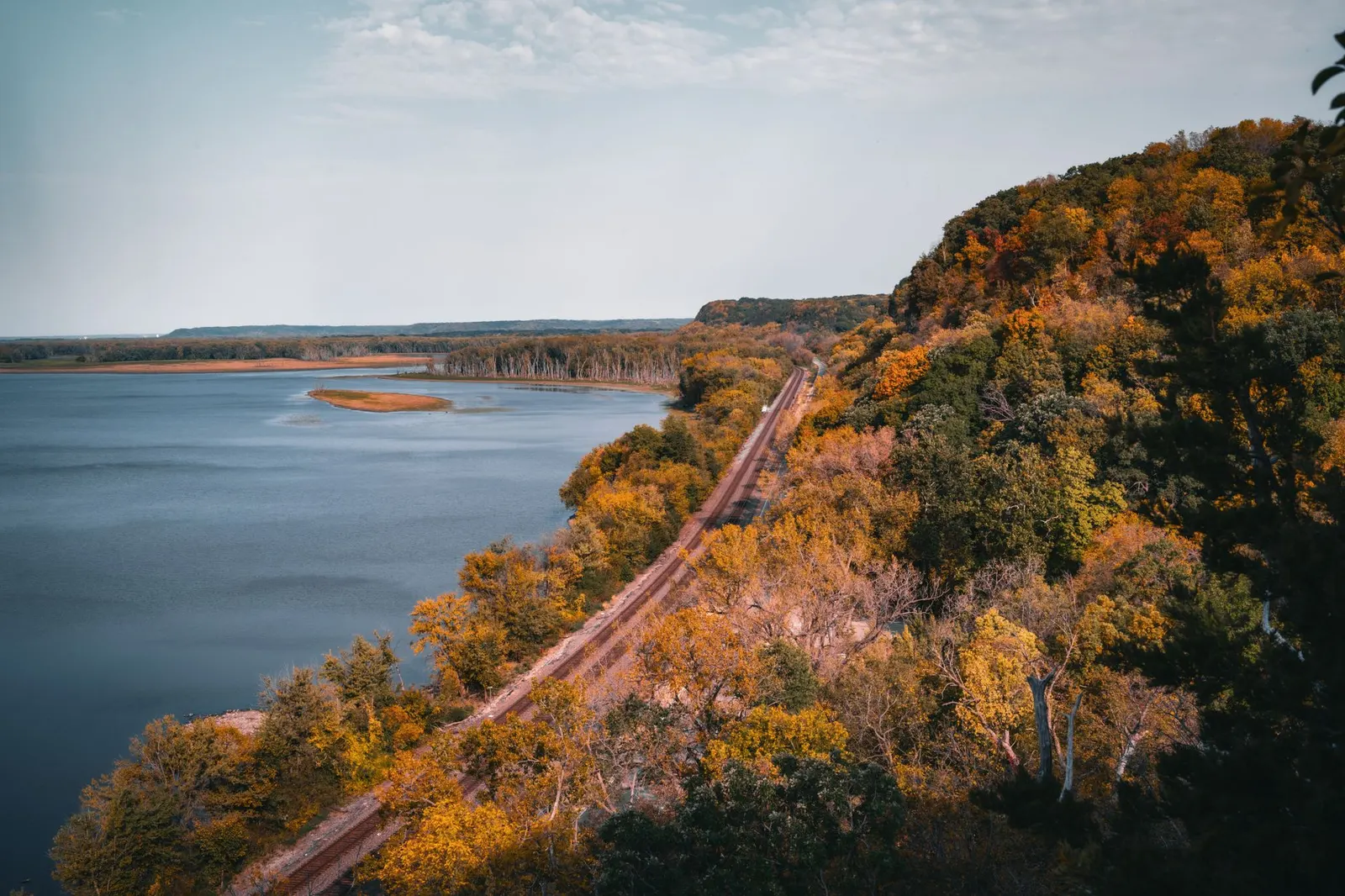
Arrive by 8am for a rare solitude at the dunes — weekday mornings especially mean you might have long stretches of shoreline entirely to yourself. The climb up Mount Jackson rewards with a panoramic view where layers of dune shift between gold and rust against startlingly blue Lake Michigan water. Feel the fine sand underfoot, wind off the lake carrying a salt tang rare this far inland.

Shift from dune climbing to the gentler wetland boardwalk, where reflections in still water and glimpses of wildlife offer a change of intensity after the morning's exertion. This is a good stretch to slow down, rest legs, and simply watch beach grasses bend in the wind.
The dunes arrive with scale and drama entirely different from the week's gardens — towering sand, open sky, and the ceaseless sound of Lake Michigan's surf. An early arrival means long solitary stretches of shoreline before weekend crowds (even midweek, a few other early hikers) begin to appear.
After the exertion of the dune climb, the wetland boardwalk offers welcome flatness and a slower rhythm — reflections, wildlife, and the chance to simply sit with sore legs and watch the wind move through beach grass.
Dining options directly at the dunes are limited — plan to eat in nearby Chesterton or Valparaiso rather than expecting trailside options, and consider packing snacks for the day itself. A quiet, early dinner and rest are well earned after a physically demanding day.
Day 5: Slow Mornings and Soft Goodbyes
A light half-day closing loop back at the Chicago Botanic Garden for unfinished corners, under 2 miles of easy walking before departure.
Return for one last unhurried loop, this time seeking out whatever you missed — perhaps the Perennial Garden in full bloom if the timing's right, or simply a bench by the lagoon to sit with coffee and let the week settle. This bookend visit mirrors day one, a gentle close rather than a new adventure.
The trip closes where it began, at the Chicago Botanic Garden, but the mood is different now — familiar rather than new, a chance to notice details missed on day one. Coffee from Garden View Café in hand, the lagoons and boardwalks offer one last slow wander before the week wraps up.
With travel ahead, keep the remaining hours unstructured — a final stroll, a last photo at the Japanese Garden island, or simply sitting with the week's accumulated sensory memory: tropical humidity, dune wind, prairie birdsong.
No evening activities planned — this is a departure day, and the light half-day morning leaves ample buffer for travel logistics without rushing the goodbye.
Planning the nights, too?
Compare places to stay around Chicago area (near suburbs), or browse tours and tickets to slot between the stops above.
Itinara may earn a commission when you book through these links, at no extra cost to you.
Want to tweak this trip?
Our AI planner can customize this itinerary to your exact dates, interests, and travel style.
Customize This ItineraryRestaurant details (hours, menus, availability) change frequently. Check current hours before visiting, especially in seasonal destinations.
Dietary compatibility tags are general guidance. If you have severe allergies, confirm directly with the restaurant.
Travel tips are general guidance, not professional safety advice. Check government advisories for latest information.
All prices are approximate and may vary seasonally.