Maine Highlands, Maine
2-Day Itinerary for Solo Traveler
“Granite Silence: Two Days Beneath Katahdin”
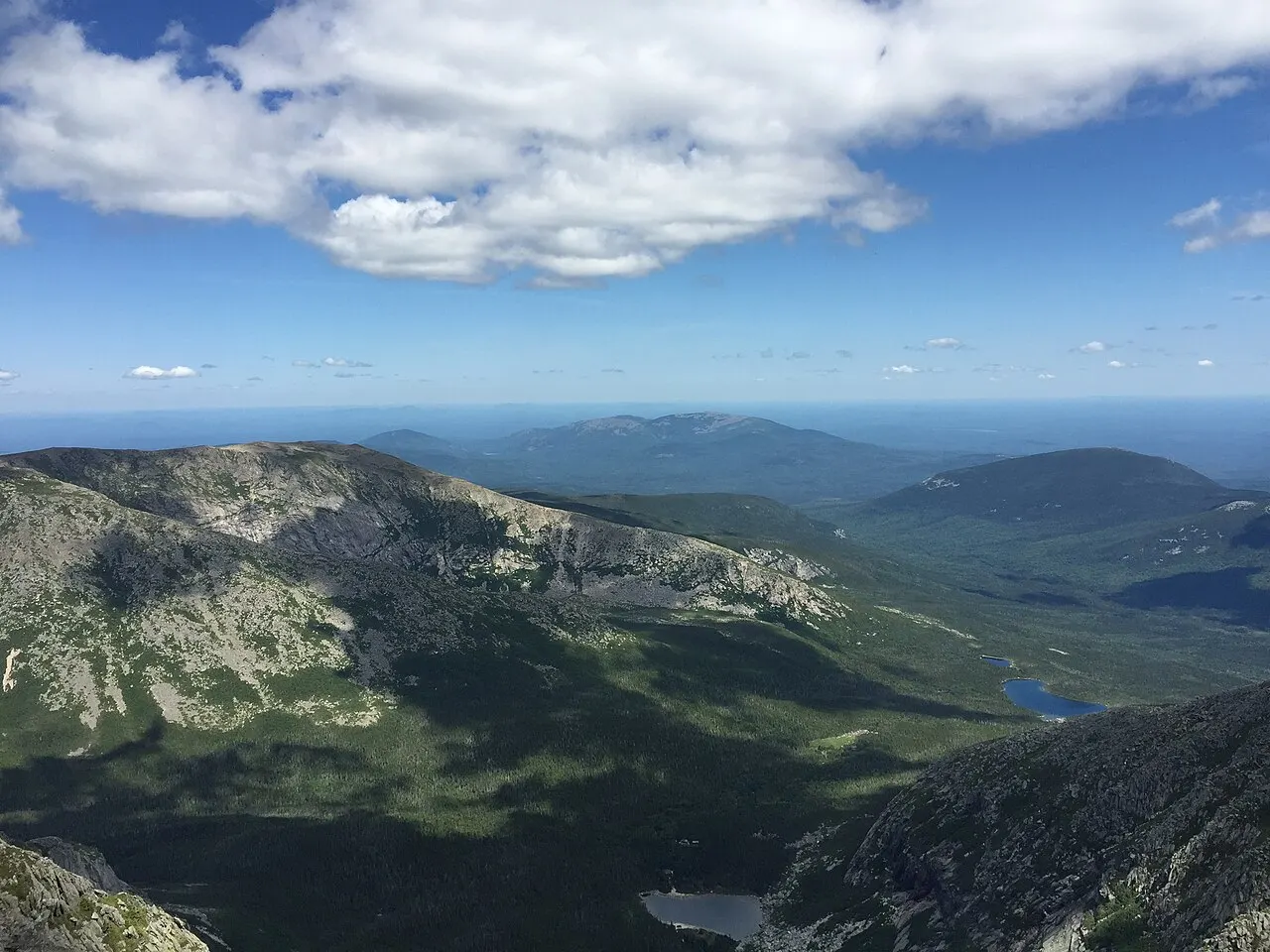
Spring in the Maine Highlands arrives slow and wary, snowmelt still running cold off Katahdin's shoulders while loons test the thawing ponds below. This is a landscape that rewards patience and solitude in equal measure — two days to walk its edges, breathe its resin-scented air, and understand why Thoreau never quite left.
At a Glance
Highlights
- Sunrise stillness at Sandy Stream Pond with moose often grazing the shallows
- Granite ridgeline views of Katahdin without the summer crowds
- Wind-carved alpine air at tree line, even from a short approach
- Spring wildflowers pushing through thawing forest floor
- Solo-friendly pacing with built-in flexibility for rest and reflection
- Rain-day scenic drives through 200,000 acres of protected wilderness
What do 2 days in Maine Highlands look like for solo travelers?
6 stops across 2 days, about 18 hours of sightseeing in all. The rest is yours for long lunches and unplanned detours.
| Day | Stop | Area | Suggested time | Typical visit |
|---|---|---|---|---|
| Day 1 | Baxter State Park | Katahdin Summit & Baxter State Park | 7:00 AM - 11:00 AM | 4 hr |
| Day 1 | Baxter State Park | Katahdin Summit & Baxter State Park | 11:15 AM - 1:00 PM | 1 hr 45 min |
| Day 1 | Katahdin | Katahdin Summit & Baxter State Park | 1:30 PM - 4:30 PM | 3 hr |
| Day 2 | Katahdin | Katahdin Summit & Baxter State Park | 6:30 AM - 11:00 AM | 4 hr 30 min |
| Day 2 | Baxter State Park | Katahdin Summit & Baxter State Park | 11:30 AM - 1:30 PM | 2 hr |
| Day 2 | Baxter State Park | Katahdin Summit & Baxter State Park | 2:00 PM - 5:00 PM | 3 hr |
Each day opens as a route in Google Maps; the map file drops every stop into Google My Maps or an offline map app.
Day-by-Day Plan
Day 1: First Light on the Pond Trails
A lighter orientation day easing into Baxter State Park's rhythm with a scenic drive and an easy pond-side walk, roughly 2–3 miles of flat terrain.
Enter the park gate as early as you can — by 7am the air still carries the night's cold, and the gravel road unspools through birch and spruce with almost no one else on it. This first morning is about orientation: a slow scenic drive punctuated by short pullovers, taking in the scale of 200,000 acres before committing to any single trail. Solo travelers will appreciate the unhurried pace — there's no itinerary pressure here, just forest, distant peaks, and the occasional moose track in the mud.
Shift from driving to walking at Sandy Stream Pond, where the water lies glassy enough in spring to mirror Katahdin's lower slopes. Moose frequent these shallows at dawn and dusk, so midday is quieter for people but still worth lingering — the sound of wind through reeds and the occasional loon call make this an easy, contemplative stretch. The path is flat and short, ideal for resting legs before the afternoon's more deliberate hike.
Rather than attempting a summit push on day one, use the afternoon to hike partway up one of Katahdin's lower approach trails — far enough to feel the terrain shift from hardwood forest to spruce to the first bare granite, without pushing into exposed alpine zone. The air noticeably sharpens and quiets as you climb; tree roots give way to stone, and the first real views open through gaps in the canopy. This is a taste of the mountain's scale, not the full commitment — appropriate pacing for an arrival day.
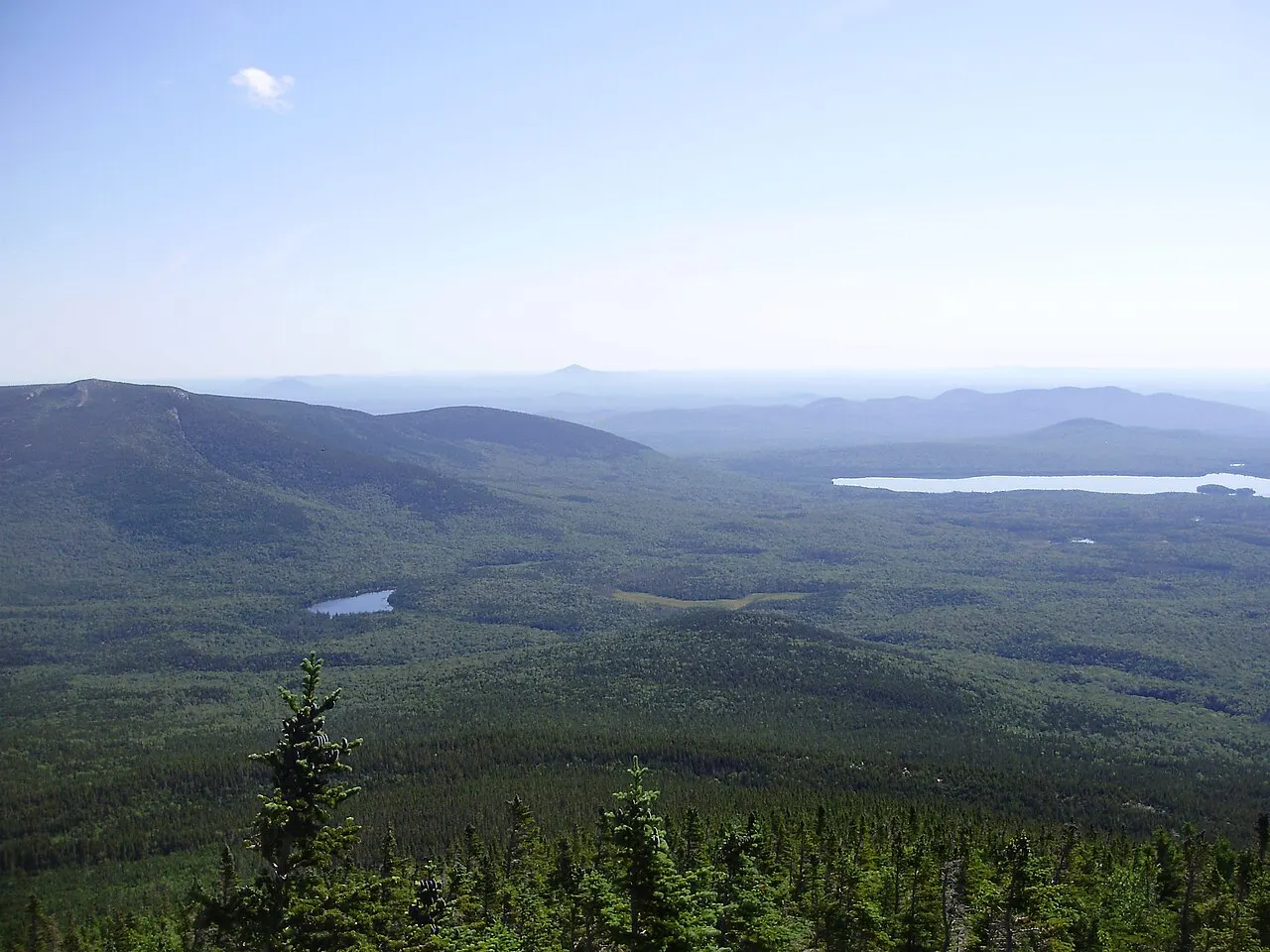
The park gate opens to cold, clean air and a gravel road that feels like it belongs to no one else. This first morning is deliberately unhurried — a scenic drive through birch and spruce, pulling over wherever the light or the quiet asks you to stop, easing into the scale of Baxter State Park before any serious hiking begins.
After the stillness of Sandy Stream Pond, the pace shifts upward — literally — as you start up one of Katahdin's lower approach trails. The forest changes character with every few hundred feet of elevation, hardwood giving way to spruce and then to exposed granite, though today's goal is simply to feel that transition, not to summit.
With daylight fading early in spring, head back toward Millinocket or your chosen lodging well before dark — park roads are unlit and wildlife crossings are common at dusk. Keep the evening quiet and low-key, resting up for tomorrow's longer push toward the alpine zone.
Day 2: Toward the Tree Line
A more demanding day centered on Katahdin's approach trails and a return to Baxter's ponds for a slower-paced finish, totaling roughly 5–6 miles.
Start before the sun fully clears the ridgeline — arrive at the trailhead by 6:30am and you'll likely have it to yourself, the only sounds your boots on packed earth and distant birdsong waking up the forest. Push further up the approach trail than yesterday, watching the tree cover thin and the first true alpine wind arrive — a reminder of why this mountain commands such respect. Given spring conditions, plan to turn back before true tree line unless trail conditions and weather are confirmed stable; the goal is proximity to the alpine zone, not necessarily reaching it.
Descend into the gentler terrain around Kidney Pond, where the mood shifts from mountain tension to lakeside calm. Spring wildflowers edge the shoreline path, and the water often lies still enough by late morning to hold a near-perfect reflection of the peaks you just descended from. This is a natural decompression point after the morning's exertion — an easy, flat walk that lets tired legs recover.
Close the trip with a slower exploration of the park's broader trail network or a return visit to Sandy Stream Pond at a different hour — late afternoon often brings different wildlife activity than the morning did. This final stretch is less about covering ground and more about absorbing the silence Baxter is famous for, a fitting, unhurried farewell to the wilderness before heading back toward town.
Darkness still clings to the trailhead parking area at 6:30am, boots crunching on frost-hardened dirt as the forest slowly wakes around you. The climb up Katahdin's lower approach trail is quiet and solitary, tree cover thinning with every few hundred feet until the wind itself starts to carry an alpine edge — a clear signal of how seriously this mountain should be taken, especially solo and especially in spring.
The descent brings a welcome change of pace and mood, trading granite and wind for the hush of Kidney Pond's shoreline, where wildflowers are just beginning to push through last year's leaf litter. The rest of the afternoon settles into a gentler rhythm — flatter trails, calmer water, and the kind of quiet that makes solo travel in this landscape feel less like isolation and more like companionship with the place itself.
As the two-day visit winds down, there's time for one last unhurried walk before the light fades and the park's evening chill sets in fully. Head out of the park before dark given the unlit roads and active wildlife, carrying with you the particular stillness that only a place this large and this quiet can offer.
Planning the nights, too?
Compare places to stay around Maine Highlands, or browse tours and tickets to slot between the stops above.
Itinara may earn a commission when you book through these links, at no extra cost to you.
Want to tweak this trip?
Our AI planner can customize this itinerary to your exact dates, interests, and travel style.
Customize This ItineraryRestaurant details (hours, menus, availability) change frequently. Check current hours before visiting, especially in seasonal destinations.
Dietary compatibility tags are general guidance. If you have severe allergies, confirm directly with the restaurant.
Travel tips are general guidance, not professional safety advice. Check government advisories for latest information.
All prices are approximate and may vary seasonally.