Boston Metro, Massachusetts
2-Day Itinerary for Teen Families
“Cobblestones & Candlelight: Two Days on Boston's Freedom Trail”

The red brick line underfoot doesn't care if you're fourteen or forty — it just keeps pulling you forward, past steeples and burying grounds and the smell of fresh cannoli drifting out of North End doorways. This is Boston in spring: wildflowers pushing up through Common lawns, a rain jacket folded in every bag, and two full days to walk straight through 350 years of history without ever feeling like a textbook.
At a Glance
Highlights
- Trace the actual red-brick Freedom Trail from Boston Common to the North End
- Stand inside Paul Revere's 300-year-old home where the floorboards still creak
- Throw tea into Boston Harbor (virtually) at the interactive Tea Party Museum
- Wander Quincy Market's cobblestone plaza for street performers and snack crawling
- Hunt golden-hour photos of Old North Church's steeple down narrow Hanover Street
- Build in teen autonomy time to browse North End bakeries solo
- Spring crowds are gentler than summer — more room to breathe between sites
Day-by-Day Plan
Day 1: Common Ground: Easing Into Revolutionary Boston
A gentle 2-mile walking introduction through Boston Common and the civic heart of the Freedom Trail, paced slow enough to settle jet lag and sore travel legs.
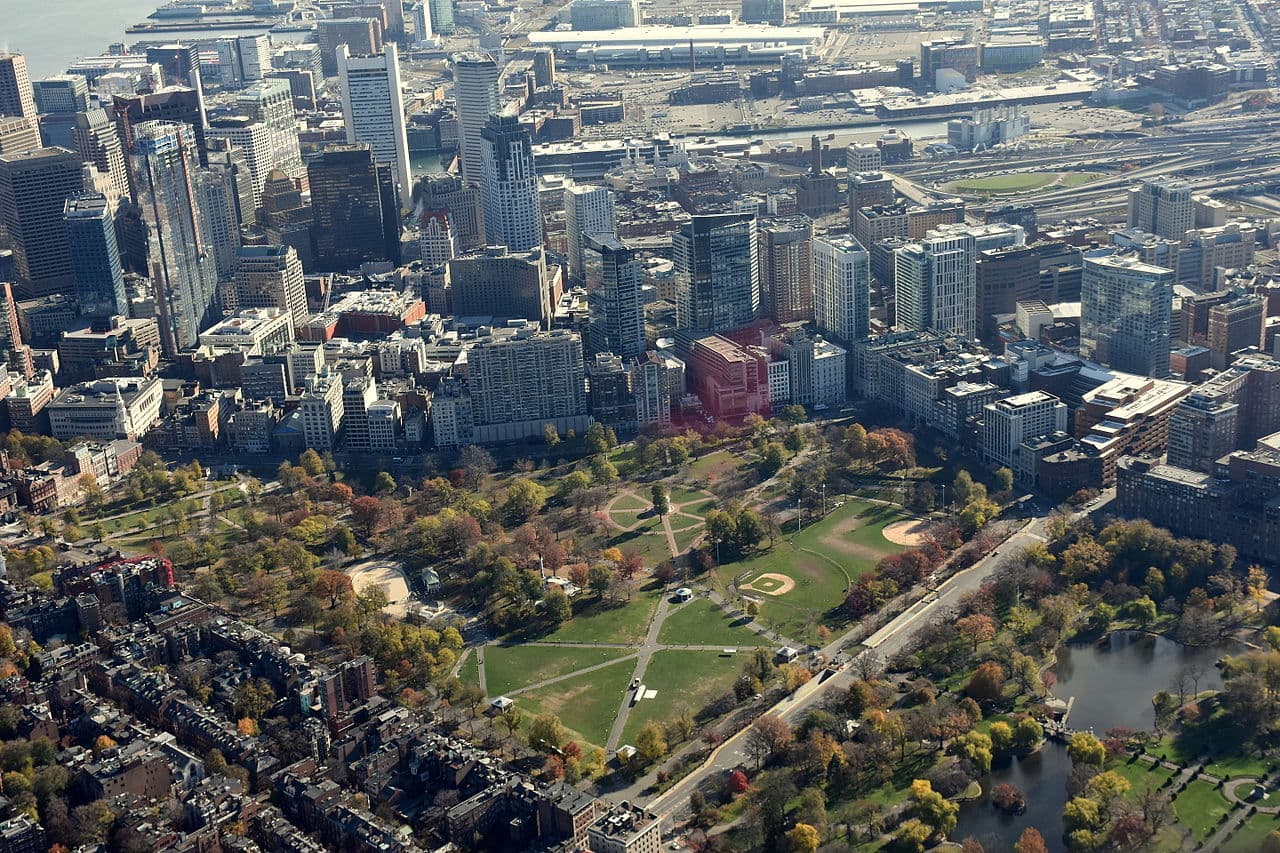
Start here, where 400 years of Boston history is folded into ancient elms and dappled lawns still damp with spring dew. Arrive by 9am and the paths are nearly empty — just the squeak of an early stroller wheel and birdsong instead of crowds — before tour groups flood in by mid-morning. Let teens wander the Central Burying Ground's tilted headstones while parents catch their breath on one of the park's many benches; this is the softest possible landing into the trip.
Pick up the literal red brick line from the Common and let it guide you — no map needed, just follow the path beneath your feet past the State House, Granary Burying Ground, and King's Chapel. Church bells drift over the sound of footsteps on brick, and the slower family pace here (expect 2 to 2.5 hours, not the brisk 90-minute version) means time to actually read the plaques and let teens ask questions instead of rushing past them. This midday stretch stays mostly outdoors, so if drizzle starts, it's still walkable in light rain.

The trail spills you out into cobblestone chaos in the best way — street performers, vendor stalls, and the echo of footsteps bouncing off Greek Revival columns. This is where teens get a taste of autonomy: let them peel off to explore stalls or grab a snack while parents linger under the colonnade. It's lively without being overwhelming on a spring weekday, and the covered market passages double as a built-in rain shelter if the weather turns.

The day opens gently in Boston Common, where spring sun filters through still-bare or newly budding elms and the only real activity is a few early joggers and the rustle of stroller wheels on paved paths. This is intentionally slow — a chance to let jet lag settle and legs stretch after travel, with plenty of benches for parents and open lawn for teens to shake off the stiffness of transit.
Energy picks up gradually as the red brick trail leads the family past the State House and into the lively chaos of Faneuil Hall and Quincy Market, where street performers and vendor stalls give teens a taste of independence — a chance to wander a stall or two solo while parents watch from the colonnade's shade.
Dinner stays low-key and close to the Common, easing into the evening without overextending day one; an early night sets the family up well for tomorrow's deeper dive into the North End's narrower, more atmospheric streets.
Day 2: North End Mornings & Harbor Adventure
A richer 2.5-mile day through the North End's cobblestone alleys and down to the harbor, balancing quiet historic interiors with the hands-on thrill of the Tea Party Museum.
Arrive right at opening and the narrow rooms are still quiet — just the protest of old floorboards underfoot and diamond-pane windows filtering soft morning light. Boston's oldest building feels genuinely lived-in, with uneven plaster walls and timber darkened by three centuries; by 10am tour groups thicken, so this early slot is worth protecting. Teens tend to engage more than expected once they realize Revere's midnight ride started from this exact house.

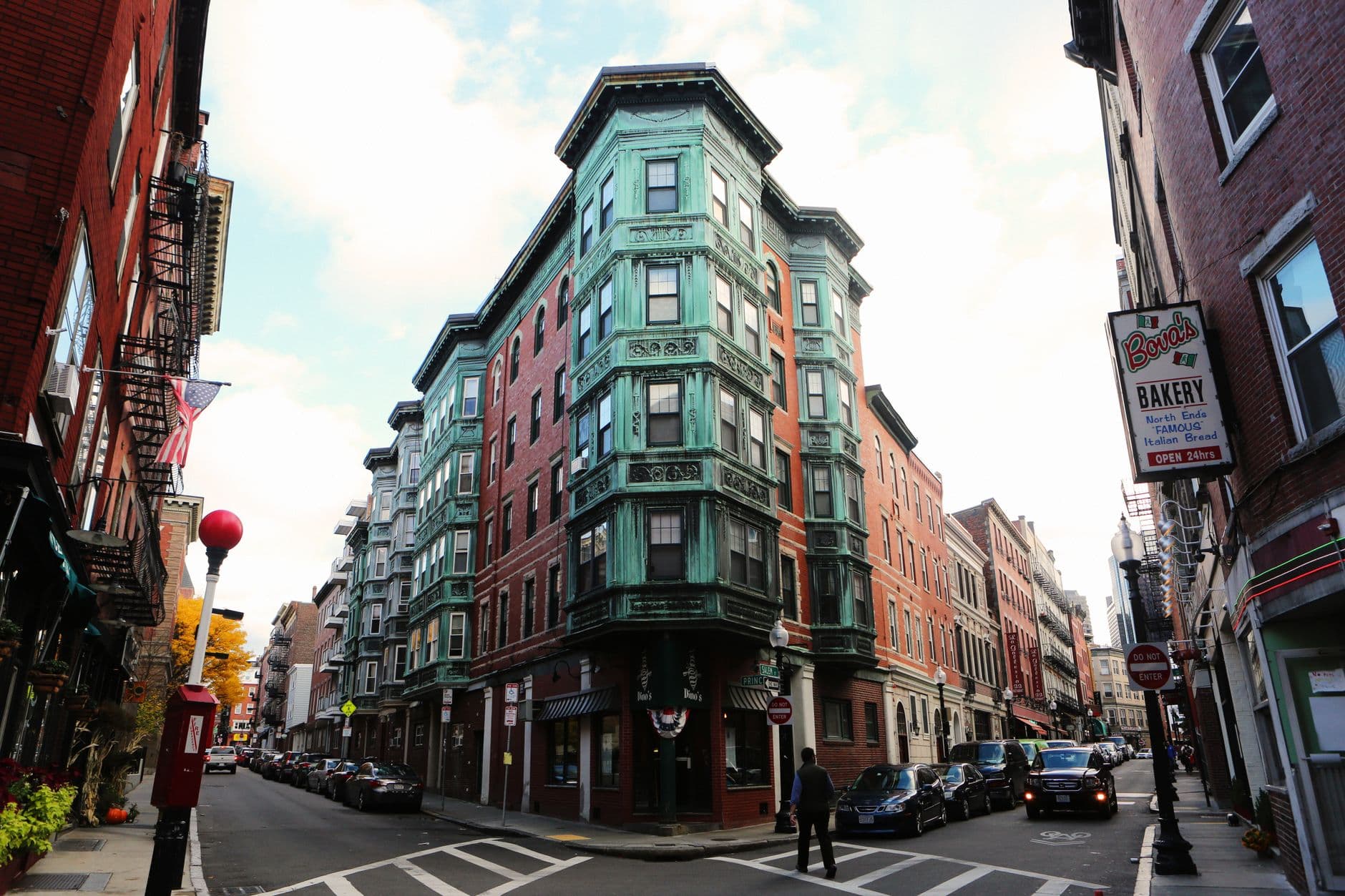
This is the neighborhood to wander without an agenda — narrow alleys perfumed with espresso and fresh pastry, 300-year-old brick walls draped in spring ivy, church bells marking time overhead. Give teens 20–30 minutes of true autonomy here to explore a bakery or shop on their own while parents linger over coffee; it's compact and safe enough to allow real independence. The cobblestones are uneven, so pace is naturally slower, but that's the point — this is a neighborhood built for lingering, not checking boxes.
The afternoon shifts gears entirely — this is the interactive, high-energy counterpoint to the morning's quiet history, and it's built for exactly this demographic. Costumed interpreters bring 1773 to life, teens get to physically throw tea off the ship replica, and the rooftop deck over Fort Point Channel offers a genuine harbor-breeze payoff after a morning of walking. It's fully indoors where it counts, so even a rainy afternoon doesn't dent the experience.
The North End wakes up slowly, and arriving at Paul Revere House right at opening means near-empty rooms and soft light through antique glass — a quiet, almost intimate start before the neighborhood's alleys fill with the smell of fresh-baked pastry and the day's foot traffic.
The pace flips after lunch: a walk south toward the harbor trades cobblestones for open waterfront air, and the Tea Party Museum's interactive energy gives teens a hands-on, physical outlet after a morning of quieter historic interiors — exactly the kind of contrast that keeps a family day from feeling flat.
Dinner circles back to the North End's trattorias, where red-sauce classics and a lively dining room make for a satisfying close to two days of walking through Boston's revolutionary bones — tired legs, full stomachs, and a trail well-earned.
Want to tweak this trip?
Our AI planner can customize this itinerary to your exact dates, interests, and travel style.
Customize This ItineraryRestaurant details (hours, menus, availability) change frequently. Check current hours before visiting, especially in seasonal destinations.
Dietary compatibility tags are general guidance. If you have severe allergies, confirm directly with the restaurant.
Travel tips are general guidance, not professional safety advice. Check government advisories for latest information.
All prices are approximate and may vary seasonally.