Plymouth, Massachusetts
3-Day Itinerary for Teen Families
“Rock, Rope & Rising Tide: 3 Days in Plymouth”

Plymouth in spring smells like salt and wet granite, with wildflowers pushing up around 400-year-old gravestones. This is a town where teens can touch a boulder that changed a continent's course, then argue with a costumed interpreter about 17th-century politics an hour later.
At a Glance
Highlights
- Touch the actual 1620 landing point at Plymouth Rock before the tour buses arrive
- Duck through the creaking gun deck of a full-scale Mayflower replica
- Talk first-person history with Wampanoag and English colonial interpreters at Plimoth Patuxet
- Watch a working waterwheel grind grain the old way at Jenney Grist Mill
- Catch sunset light spilling over the harbor from Cole's Hill
- Wander slate headstones of Pilgrim founders at Burial Hill
- Reload on lobster rolls and chowder along the working waterfront
Day-by-Day Plan
Day 1: First Steps on the Waterfront
A gentle, low-mileage day (about 1.5 miles of walking) centered entirely on the Plymouth Waterfront Historic Core, easing into the trip with iconic, easy-access sights.
Arrive before the crowds and the rock sits alone behind its portico, salt air drifting up from the harbor and gulls wheeling overhead. Let the teens run fingers along the worn granite and read the carved '1620' up close — by 9am this spot is shoulder-to-shoulder, so the early visit is the whole trick.
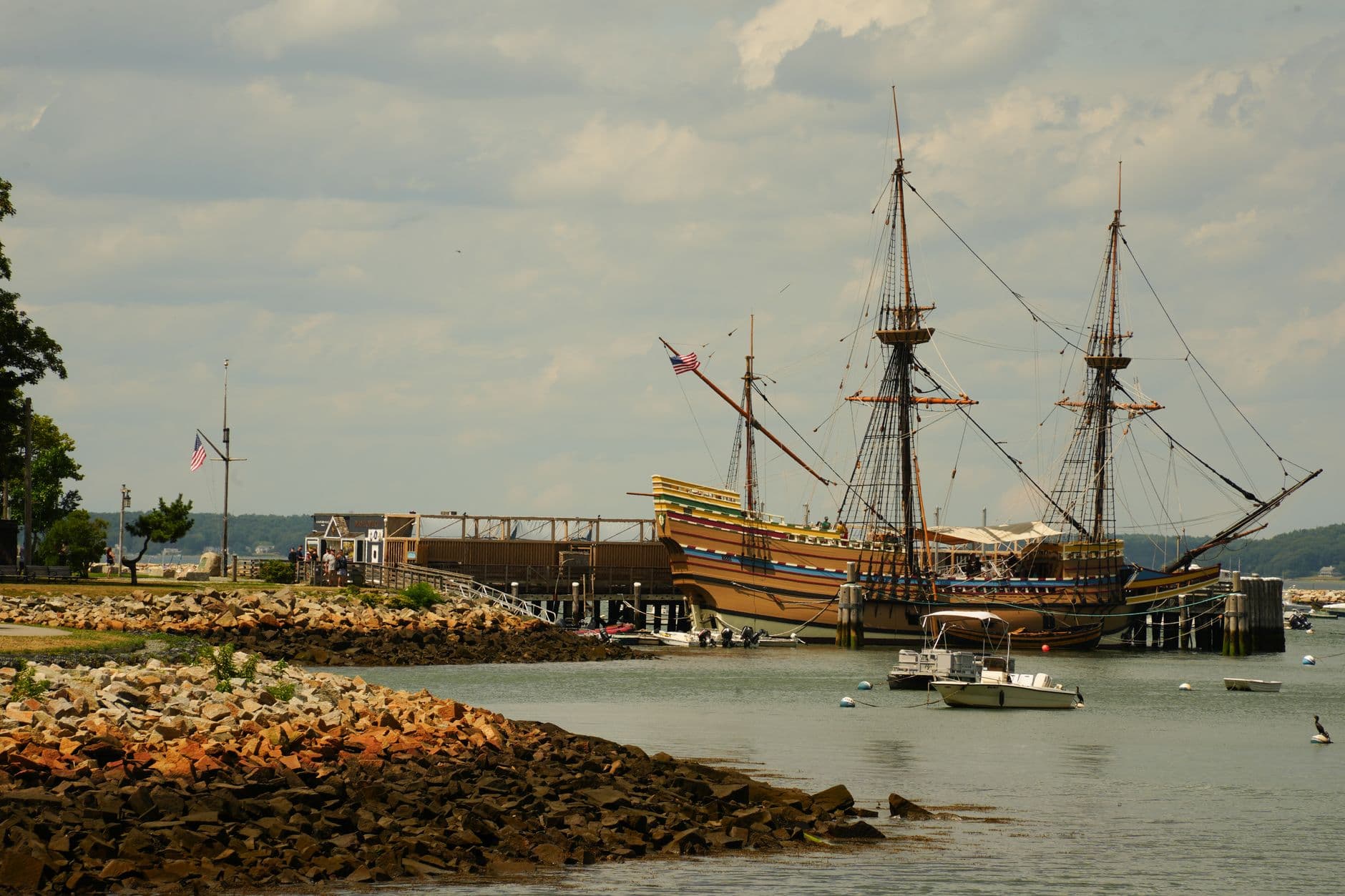
Step aboard the full-scale replica and the deck creaks underfoot as costumed guides describe the 66-day crossing in first person. Teens will want to duck into the cramped gun deck and narrow passageways — genuinely claustrophobic in a way photos don't capture — while parents linger over the rigging details on the open deck.
Climb the short rise above the rock as the harbor catches the late light, gulls circling against a pink-gold sky. This is also a place to pause and talk with teens about the Wampanoag perspective on 1620 — informational plaques here honor the Indigenous nations who called this land home long before the Mayflower arrived.
The day opens gently at Plymouth Rock, arriving early enough that the boulder sits nearly alone behind its columned portico, salt air still cool off the water. From there it's a short harborside walk to the Mayflower II, where the ship's timbers creak underfoot and costumed guides spin tales of the 1620 crossing — the tight gun deck below is the highlight for most teens.
After a relaxed seafood lunch on the waterfront, the pace stays easy — this is still an arrival day, so there's room to linger over chowder or wander the harborwalk before the next stop. Energy naturally dips a bit here, which is by design; no rush, no zigzagging.
As the light turns gold, the short climb up Cole's Hill rewards with sweeping harbor views and a chance to talk through the day's history with a different, Indigenous-centered lens. Dinner follows at a waterfront table, watching the last boats come in before winding down for the night.
Day 2: Grain, Ghosts, and Grand History
A moderate day (roughly 2 miles walking) split between the immersive Plimoth Patuxet grounds and the quieter Jenney Grist Mill, with a cemetery detour for atmosphere.
Wood smoke drifts across the grounds as interpreters in the English colonial village describe daily 17th-century life in unbroken first person, while the Wampanoag Homesite nearby offers a starkly different, deeply respectful counter-narrative told by Native staff in modern voice. Arrive right at opening to beat the tour groups — teens tend to engage more here than expected, especially when they can ask interpreters pointed questions.

Moss-covered slate headstones lean at odd angles under old oaks, many bearing names straight out of the morning's history lesson — a quiet, slightly eerie counterpoint to the lively reenactments at Plimoth Patuxet. It's a short visit, but a good one for grounding the day's stories in real, tangible ground.
The rhythmic thud of the waterwheel and the earthy smell of fresh-milled grain make this a nice change of pace from the more crowded morning stops — a smaller, quieter slice of colonial life that teens who liked the mechanical side of the Mayflower will appreciate. It's a shorter visit, good for an afternoon when energy is starting to flag.

The morning belongs entirely to Plimoth Patuxet, where wood smoke and cooking fires set the scene for interpreters who never break character — a living-history experience that rewards curious teens who like to ask questions. Arriving at opening keeps the paths and homesites relatively uncrowded before school groups and tour buses fill in later.
After lunch, the pace shifts to something quieter: a walk through Burial Hill's slate headstones connects the morning's stories to real names in the ground, before the mechanical hum of Jenney Grist Mill offers a hands-on, sensory change of pace with its working waterwheel.
Dinner at a harborside table caps a history-dense day, with views of the water settling into evening light — a good moment to let the day's stories sink in before heading back to rest.
Day 3: Last Light on the Harbor
A relaxed final day (about 1 mile walking) revisiting favorite waterfront spots with room for souvenir shopping and one last harbor sunset.
A second, more relaxed visit to the rock lets teens who wanted a photo without the crowds finally get one, and offers a moment to reflect on the trip's arc before heading into the last full day. The rock looks different in different light — worth the short return trip.
A daytime visit here feels different from the earlier sunset trip — clearer views out to the harbor mouth and a chance to read the Indigenous history plaques without rushing. It's a good spot for teens to have a bit of autonomy, wandering the terrace at their own pace while parents rest on a bench.
A shorter return visit focused on any details missed the first time — the rigging, the cramped crew quarters, the smell of old rope and timber — makes a fitting last major stop, especially for teens who want one more look at the ship before leaving town.
The final day opens with a quieter return to Plymouth Rock, letting the trip's central image settle in one more time before a relaxed climb up Cole's Hill for daylight harbor views and a bit of independent wandering for the teens.
After a favorite lobster roll lunch, one last visit to the Mayflower II rounds out the historical thread of the trip, giving everyone a final chance to explore the ship's details at an unhurried pace.
A final dinner at a familiar waterfront table closes the trip gently, with the harbor settling into evening light — a fitting, unhurried farewell to Plymouth before heading home.
Want to tweak this trip?
Our AI planner can customize this itinerary to your exact dates, interests, and travel style.
Customize This ItineraryRestaurant details (hours, menus, availability) change frequently. Check current hours before visiting, especially in seasonal destinations.
Dietary compatibility tags are general guidance. If you have severe allergies, confirm directly with the restaurant.
Travel tips are general guidance, not professional safety advice. Check government advisories for latest information.
All prices are approximate and may vary seasonally.