2 DaysSolo Traveler6 Stops

Itasca State Park (Fall), Minnesota

2-Day Itinerary for Solo Traveler

β€œWhere the River Begins: Two Days Alone at Itasca”

Where the River Begins: Two Days Alone at Itasca

Before it becomes the river that shapes a continent, the Mississippi is just a whisper crossing a sandbar you can straddle in three steps. Spring at Itasca means wildflowers pushing through last year's leaf litter, mist rising off Lake Itasca in the cool morning air, and trails that belong almost entirely to whoever's willing to start early.

At a Glance

Climate & Weather
Spring at Itasca means mild but changeable weather β€” expect daytime highs in the 50sΒ°F (10-15Β°C), cold mornings near freezing, and a real chance of rain showers rolling through without much warning. Wildflowers are emerging and the forest floor is greening, but pack real layers: a waterproof shell, a warm mid-layer, and sturdy waterproof boots for muddy trail sections.
Getting Around
A car is essential β€” the park's clusters are spread along Wilderness Drive and the park road system, and there's no public transit within Itasca. Roads are paved but narrow with limited pull-outs, so drive slowly and use designated turnouts for photos.
Budget
Budget roughly $60-90/day for a solo traveler covering a vehicle park permit, coffee and simple meals (many dining options are outside the park in Park Rapids or Bemidji), and incidental trail snacks.
Safety
Solo travelers should stick to marked trails and let someone know your rough plan and return time, especially before longer forest walks. Black bears are active in spring, so store any food in your vehicle and stay alert; moose are also present and should be given wide berth. Cell coverage is patchy inside the park, so download offline maps and carry a paper map as backup.
Connectivity
Cell service is unreliable to nonexistent in much of the park interior; the Visitor Center and lodge area have the most reliable signal. Download maps, trail info, and any offline entertainment before you arrive.
Local Tips
Spring shoulder season means shorter facility hours and fewer staffed services β€” call ahead to confirm the Visitor Center's daily hours before building your day around it. Trails will be muddier than in summer, so waterproof boots aren't optional. Because you're solo, mornings on the headwaters and lake trails offer genuine solitude β€” arrive before 9am and the whole place can feel like it's yours alone.

Highlights

  • Straddle the exact spot where the Mississippi River begins its 2,300-mile journey
  • Walk the Schoolcraft Trail through old-growth pine with almost no one else around
  • Watch mist lift off Lake Itasca from the loop trail's north shore overlook
  • Duck into the Visitor Center's dioramas when spring showers roll through
  • Catch spring wildflowers blooming beneath birch and maple canopy on Wilderness Drive
  • Solo-friendly pacing with flexible timing and built-in rain contingencies
  • Quiet, shoulder-season solitude before summer crowds arrive

Day-by-Day Plan

Orientation & Headwaters

Day 1: Arrival at the Source

A gentle first day centered on the Mississippi Headwaters cluster β€” about 3 miles of easy walking, low-to-moderate energy, built for settling into the park's rhythm.

Wear
Waterproof jacket, warm layers underneath, sturdy waterproof boots or shoes, a hat β€” mornings will be cold and a spring shower is likely at some point.
Budget
$40-60 (park permit, simple meals, coffee)
9:00 AM - 10:00 AM
Itasca State Park Visitor Center Β· morning Β· 60 min Β· Mississippi Headwaters

Start here rather than at the water β€” the dioramas and watershed maps give you a mental map of what you're about to stand inside. It's a good low-effort way to ease into the park after a long drive, with natural light spilling through windows onto forest-facing glass. Arrive right at opening and you'll likely have the exhibits to yourself before the first tour buses roll in.
Itasca State Park Visitor Center
Photo by Kanishk Gabel on Pexels
The watershed map installation photographs well with the morning light coming through the east-facing windows.
Fully wheelchair accessible with flat paths and frequent benches β€” a comfortable, low-energy start to the day.
10 min walk β€” A short walk along the lakeshore path, the visitor center's murmur fading behind you as the trees close in
10:15 AM - 11:15 AM
Mississippi Headwaters Β· morning Β· 60 min Β· Mississippi Headwaters

This is the moment the whole trip is built around: a shallow rock crossing where you can literally step across the river that will eventually carve through ten states. In spring, snowmelt keeps the flow a bit livelier than in fall, and the birch along the shoreline are just beginning to leaf out. Arriving before 11am means avoiding the worst of the midday foot traffic β€” solo travelers especially will appreciate the quiet window to actually stand still and take it in.

Mississippi Headwaters
United States. Army. Corps of Engineers. St. Paul District / wikimedia (Public domain)
Shoot the marker from the north shore looking east for the classic reflected-water composition; best light is before 10am.
Path to the water's edge is uneven and unpaved in sections β€” not fully wheelchair accessible.
8 min drive β€” A short hop along the park road, windows cracked to let in the cold, clean forest air
12:30 PM - 2:00 PM
Itasca Lake Loop Trail & Scenic Overlook Β· afternoon Β· 90 min Β· Wilderness Drive & Old Growth Forest

After a simple lunch break, ease into the afternoon with a shortened stretch of the lake loop rather than the full trail β€” enough to reach the north shore overlook without overtaxing a first day. Spring wildflowers are starting to dot the understory, and the lake often sits glass-still in early afternoon light before any wind picks up. This is a good spot for quiet reflection, and other solo hikers are common enough that a nod and a comment about the view isn't unusual.

Itasca Lake Loop Trail & Scenic Overlook
Photo by Virooshan Theva on Pexels
The north shore overlook is the strongest composition here β€” go for reflected trees on the water rather than wide landscape shots.
Trail surface is uneven with exposed roots; not recommended for those needing flat, stable footing.
Lunch
Caribou Coffee $
Cafe/Coffee Β· Near Wilderness Drive
A reliable, low-key stop for coffee and a light bite before an afternoon walk β€” good for solo travelers who just want something quick and warm.
Dinner
DQ Grill & Chill $
Ice cream, burger, chicken Β· Near Wilderness Drive
Simple, unfussy comfort food after a day of walking β€” casual counter service that's easy and low-pressure for solo dining.
Optional detour: Schoolcraft Trail β€” After Itasca Lake Loop Trail and before dinner
If energy allows, a short detour onto Schoolcraft Trail offers a taste of old-growth forest without committing to the full loop. Skip if: Skip if legs are already tired from travel day and the lake loop β€” better saved fresh for Day 2.
If it rains: If rain moves in, retreat to the Itasca State Park Visitor Center β€” it's fully indoor, weatherproof, and the dioramas and exhibits reward a longer, slower look than a sunny day would allow.

The day opens gently at the Visitor Center, a warm, hushed space to get oriented before stepping outside into the cold spring air. From there it's a short walk to the Headwaters themselves β€” the actual, physical start of the Mississippi River, marked by little more than a line of stones across shallow water. Arriving before the late-morning crowds means a rare stretch of near-total quiet at one of the park's most visited spots.

After a simple lunch, the pace shifts to a shortened walk along the Itasca Lake Loop, just far enough to reach the north shore overlook where the lake often sits perfectly still. Spring wildflowers are beginning to show along the trail edges, and the forest smells of damp earth and new growth. It's an easy, contemplative afternoon β€” not a full hike, just enough movement to feel settled into the park's rhythm.

Dinner is kept simple and low-key at DQ Grill & Chill, comfort food after a day that mixed driving, walking, and quiet standing at the river's edge. With the park's early darkness and cold evening air, there's little reason to linger outside after dinner β€” an early night sets up a stronger, more energetic second day.

Forest & Lakeshore

Day 2: Deep Woods, Wide Water

A more active day through the Wilderness Drive and Old Growth Forest cluster with a return to the lake loop β€” roughly 5-6 miles total, moderate energy throughout.

Wear
Waterproof boots (trail will be muddy from spring conditions), layered clothing for temperature swings between shaded forest and open overlooks, rain shell packed regardless of forecast.
Budget
$45-65 (meals, coffee, incidental snacks)
8:00 AM - 9:30 AM
Wilderness Drive Β· morning Β· 90 min Β· Wilderness Drive & Old Growth Forest

Start the day with the scenic drive itself while the light is still low and golden and most other visitors haven't left their lodging yet. In spring the forest canopy is a mix of bare branches and fresh green, letting more light filter through than you'd get in summer or fall β€” the effect is almost cathedral-like, columns of light through the trunks. Take the turnouts slowly; this is a drive best done without a destination in mind.
Wilderness Drive
Committee on Resources / wikimedia (Public domain)
West-facing overlooks catch soft morning light through the canopy β€” better here in the early hours than at midday.
Drive itself is accessible by car with limited accessible pull-outs; not a walking-heavy stop.
10 min drive β€” A quiet backroad connector, gravel crunching underneath, forest closing in tighter as you go
9:45 AM - 11:15 AM
Schoolcraft Trail Β· midday Β· 90 min Β· Wilderness Drive & Old Growth Forest

This is the day's centerpiece: a walk through genuine old-growth forest, moss thick underfoot and the air sharp with pine and wet earth. Named for the explorer who charted this region, the trail rewards an early, unhurried pace β€” birdsong carries further in the cool morning stillness, and there's a real chance of having long stretches entirely to yourself. Solo hikers should stick to the marked route and keep an eye out for muddy or root-heavy sections underfoot.

Schoolcraft Trail
Photo by Tom Fisk on Pexels
The loop junction where birch and aspen brighten the understory is the strongest shot β€” best around mid-morning light.
Uneven terrain with exposed roots and mud in spring; not recommended for those with mobility concerns.
12 min drive β€” Back along the park road, past the same stretch of forest now lit differently by midday sun
1:00 PM - 3:00 PM
Itasca Lake Loop Trail & Scenic Overlook Β· afternoon Β· 120 min Β· Wilderness Drive & Old Growth Forest

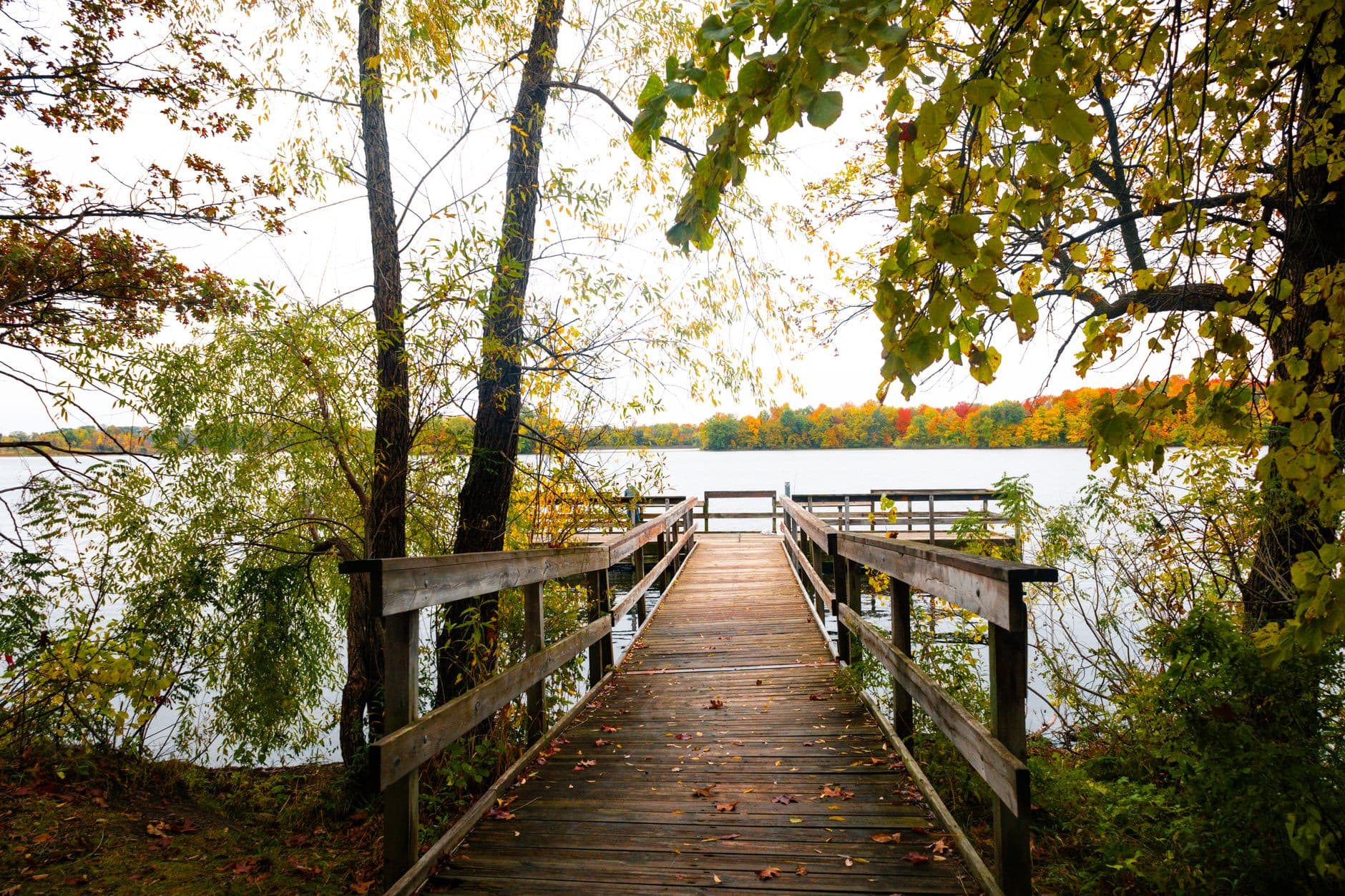
Return to the lake loop for a longer, more complete walk than yesterday's shortened version, this time pushing toward the eastern peninsula viewpoint. The lake in spring afternoon light takes on a different character than the morning β€” brighter, more reflective, occasionally rippled by a light breeze carrying the calls of returning loons. This is the trip's best opportunity for a longer, meditative solo walk, with benches sparse but plentiful enough to rest and simply watch the water.

Itasca Lake Loop Trail & Scenic Overlook
Photo by Virooshan Theva on Pexels
The eastern peninsula viewpoint is best saved for late afternoon if your schedule allows β€” richer light and longer shadows across the water.
Trail surface uneven throughout; benches are sparse, so pace rest stops accordingly.
Breakfast
Caribou Coffee $
Cafe/Coffee Β· Near Wilderness Drive
Quick, dependable coffee and a light breakfast before an active morning on the trail.
Lunch
Jersey Mike's Subs $
Sandwich Β· Near Wilderness Drive
Fast, satisfying, and easy to grab between the morning trail and the afternoon lake walk β€” good trailside fuel.
Dinner
Sake Sushi $$
Sushi Β· Near Wilderness Drive
A change of pace from the day's trail food β€” counter and communal-style seating make it easy for a solo diner to settle in without feeling out of place.
Optional detour: Mississippi Headwaters β€” After Itasca Lake Loop Trail and before dinner
A second visit at golden hour offers dramatically different light and far fewer people than the morning crowds. Skip if: Skip if energy is low after a full day of hiking β€” the headwaters will still be memorable from Day 1's visit.
If it rains: If rain sets in, shift the day's order and spend the wetter hours back at the Itasca State Park Visitor Center, saving Schoolcraft Trail and the lake loop for a drier window later β€” the trail becomes slick and muddy in heavy rain, so caution and flexible timing matter more than sticking to a rigid schedule.

The day begins with an unhurried drive along Wilderness Drive while the light is still low, columns of sun breaking through half-leafed spring canopy. From there, the Schoolcraft Trail delivers the day's most immersive stretch β€” moss-softened footfalls, the sharp smell of pine, and long quiet stretches broken only by birdsong. It's the kind of walk best done slowly, with plenty of stops to actually notice the forest rather than push through it.

After refueling with a quick lunch, the pace shifts toward the lake β€” a longer version of yesterday's loop, pushing out toward the eastern peninsula for a different angle on the water. Afternoon light changes the mood entirely, brighter and more open than the morning's stillness, and there's real space here for the kind of unhurried, reflective walking that solo travel makes easy.

Dinner closes the trip on a slightly different note β€” sushi rather than trail food, with counter seating that makes solo dining comfortable and even sociable if conversation strikes up. With the day's walking done and legs pleasantly tired, it's a good, calm way to wind down before an early night ahead of departure.

Want to tweak this trip?

Our AI planner can customize this itinerary to your exact dates, interests, and travel style.

Customize This Itinerary
Good to Know

Restaurant details (hours, menus, availability) change frequently. Check current hours before visiting, especially in seasonal destinations.

Dietary compatibility tags are general guidance. If you have severe allergies, confirm directly with the restaurant.

Travel tips are general guidance, not professional safety advice. Check government advisories for latest information.

All prices are approximate and may vary seasonally.
We use cookies to improve your experience and analyze site usage. Essential cookies are always active. You can customize your preferences or accept all cookies. Cookie Policy