3 DaysSolo Traveler6 Stops

Itasca State Park (Fall), Minnesota

3-Day Itinerary for Solo Traveler

β€œWhere the River Begins: Three Days Alone with the Mississippi”

Where the River Begins: Three Days Alone with the Mississippi

At Lake Itasca, the Mississippi River begins as a stream you could step across, threading out from still water into a continent-spanning journey. In spring the park wakes slowly β€” mist over the lake, wildflowers pushing through last year's leaf litter, and trails quiet enough that the loons feel like your only company.

At a Glance

Climate & Weather
Spring in northern Minnesota is unpredictable: expect mild days near 55-60Β°F, chilly mornings close to freezing, and a real chance of rain. Wildflowers are emerging and the forest canopy is still filling in, letting more light reach the trails than in summer. Pack waterproof layers, a warm hat for early mornings, and broken-in hiking boots β€” trails can be muddy after rain.
Getting Around
A car is essential β€” the park's clusters are miles apart and public transit doesn't reach here. Wilderness Drive and the park road network connect all major sites; expect gravel sections and occasional muddy pull-outs in spring. Plan for slower-than-expected drive times on unpaved stretches.
Budget
Budget roughly $60-90/day for a solo traveler covering meals, coffee, and minor park fees β€” lodging is separate. Park entrance/vehicle permits are inexpensive but required; dining options are limited inside the park, so factor in a supply run in Park Rapids or Bemidji.
Safety
This is a low-crime, low-hassle destination, but it's remote β€” cell coverage is patchy and help can be far away. Solo travelers should tell someone their trail plan, carry a paper map as backup, store food properly against black bears, and keep sensible distance from any wildlife, especially moose during spring calving season. Trails can be muddy and slippery in spring rain, so pace yourself on uneven terrain.
Connectivity
Cell service is unreliable to nonexistent inside the park, improving somewhat near the Visitor Center and lodge. Download offline maps before arrival and let someone know your rough itinerary each day.
Local Tips
Arrive at trailheads before 9am to have them essentially to yourself β€” spring shoulder season means light crowds, but locals and photographers still cluster mid-morning. Ask lodge staff about the previous night's wildlife sightings β€” solo travelers often get pulled into informal trail-buddy groups this way. Pack a thermos; spring mornings are colder than the daytime forecast suggests.

Highlights

  • Wade across the literal source of the Mississippi River
  • Sunrise solitude at the Headwaters before tour groups arrive
  • Old-growth red pines older than the state of Minnesota
  • Wildflower-lined forest trails with almost no other hikers
  • Wilderness Drive's shoulder-season hush, just you and the birdsong
  • Lake Itasca reflections doubling the spring canopy
  • Evenings built around lodge dining and easy conversation

Day-by-Day Plan

Orientation & the Headwaters

Day 1: Arrival and the Sacred Source

A gentle first day easing into the park's rhythm, anchored by sunrise stillness at the Mississippi's source and an unhurried visitor center visit; roughly 2 miles of easy walking.

Wear
Waterproof jacket, warm layers for cold morning air, sturdy waterproof boots for potentially muddy lakeshore paths, and a hat β€” mornings can be near freezing even as afternoons warm.
Budget
$45-60 (park vehicle permit, coffee, lunch, dinner)
7:30 AM - 8:30 AM
Mississippi Headwaters Β· morning Β· 60 min Β· Mississippi Headwaters β€” Sacred source, crystalline moment

Arrive while the lake is still holding its breath β€” before 8am, the crowds haven't arrived and the water lies mirror-flat, catching the first gold light through birch and maple. This is the actual birthplace of the Mississippi River: a shallow, rock-lined outlet where you can step across the entire river in a few strides. For a solo traveler, this quiet window is a rare gift β€” take your time, wade in if you dare, and let the scale of the moment settle before day-trippers show up.

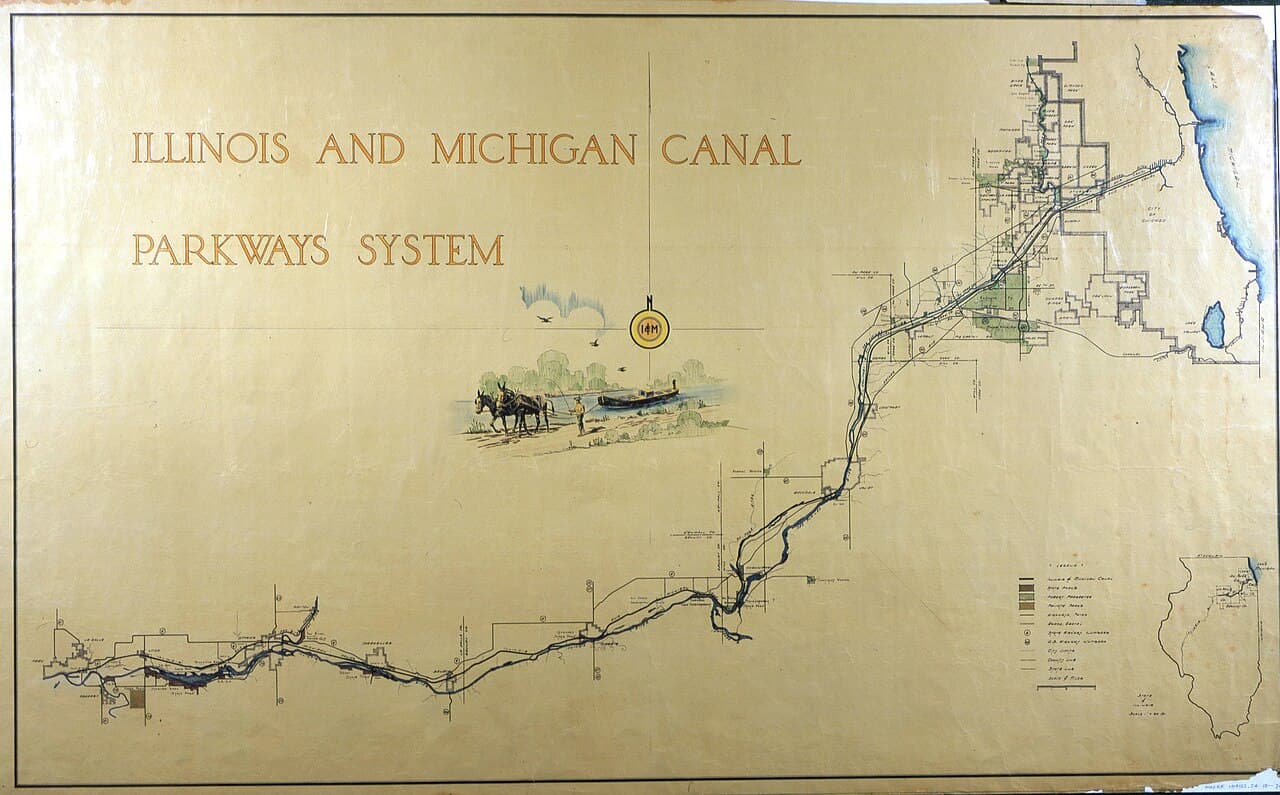
Mississippi Headwaters
United States. Army. Corps of Engineers. St. Paul District / wikimedia (Public domain)
Shoot the historic marker just after sunrise when the light is low and warm, and the outlet stream glows against dark morning water.
Path to the water's edge is uneven and unpaved; benches are sparse, so budget extra time if mobility is a concern.
10 min walk β€” A short walk along the lakeshore path, the morning mist still lifting off the water beside you.
9:00 AM - 10:00 AM
Itasca State Park Visitor Center Β· midday Β· 60 min Β· Mississippi Headwaters β€” Sacred source, crystalline moment

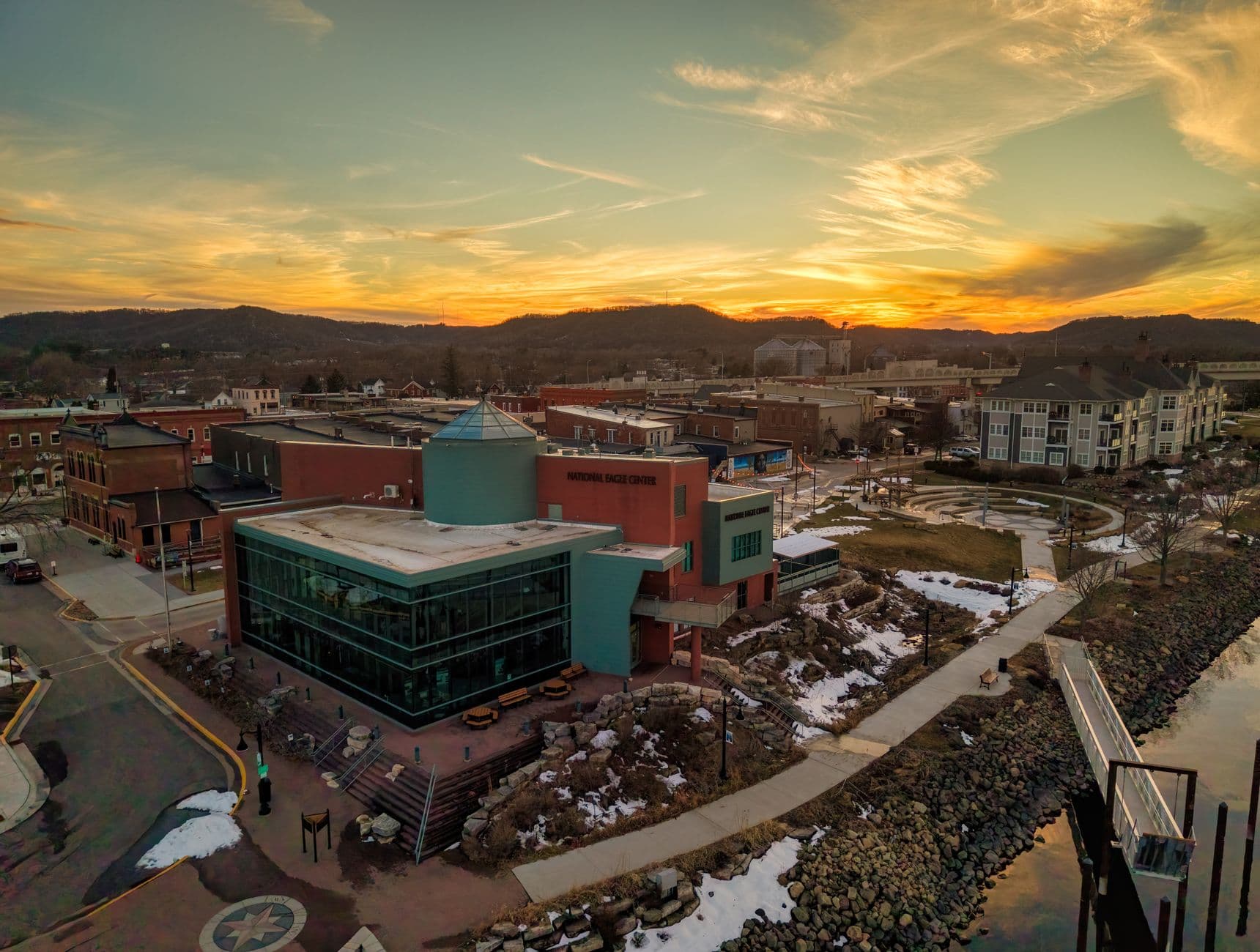
After the emotional high of the Headwaters, step into the hushed, climate-controlled calm of the Visitor Center. The watershed map installation makes tangible just how far that trickle of water is about to travel, and the wildlife dioramas are a good primer before you head into the forest clusters this afternoon. It's also a smart place to chat with rangers about current trail conditions β€” useful intel for a solo hiker planning routes.
Itasca State Park Visitor Center
Photo by Kanishk Gabel on Pexels
Interior light is best for detail shots of the dioramas mid-morning, when natural light spills through the windows without harsh glare.
Fully wheelchair accessible with flat paths and frequent benches β€” the most accessible stop in the park.
Lunch
Caribou Coffee $
Cafe/Coffee Β· Near Wilderness Drive
A reliable, low-key spot for a light lunch and strong coffee before an afternoon of driving and easing into the park's pace.
Dinner
DQ Grill & Chill $
Ice cream, burger, chicken Β· Near Wilderness Drive
Simple, unfussy comfort food β€” a good low-key first dinner after a day of travel, with casual counter seating that's easy for solo diners.
If it rains: The Visitor Center is fully indoor and weatherproof β€” if rain rolls in early, simply flip the order and start there before walking to the Headwaters once showers pass.

The first morning is about easing in, not conquering the park. Arrive at the Headwaters while the lake still holds its overnight stillness, watch the Mississippi take its first steps as a river you can straddle, and let the scale of that quietly sink in before anyone else arrives.

By midday, shift into a lower gear at the Visitor Center β€” a cool, unhurried space to absorb the park's geology and history, and to gather trail intel from rangers for the busier days ahead. This is also a good moment to check cell signal one last time and message someone your plan for tomorrow.

Keep dinner simple and early; a quick, comfortable meal at DQ Grill & Chill sets a relaxed tone before an early night. Jet lag or travel fatigue is real on day one β€” the forest will still be there in the morning, brighter-eyed.

Deep Forest & Historic Trails

Day 2: Cathedral Light in the Old Growth

A fuller day exploring Wilderness Drive and the Schoolcraft Trail through ancient red pine stands, covering roughly 4-5 miles of moderate walking.

Wear
Layered clothing for temperature swings between shaded forest and open drive pull-outs, waterproof boots for potentially muddy trail sections, and a rain shell given spring's unpredictable showers.
Budget
$50-70 (lunch, snacks, coffee)
15 min drive β€” A short morning drive from the lodge area, windows cracked to let in the cool pine-scented air.
7:30 AM - 9:00 AM
Wilderness Drive Β· morning Β· 90 min Β· Wilderness Drive & Old Growth Forest β€” Deep woods, cathedral silence

Start early β€” by 7:30am the gravel road is yours alone, gravel crunching under tires as the boreal forest closes in on both sides. Spring hasn't fully leafed out yet, so more light filters through the canopy than you'd get in summer, illuminating fresh green undergrowth and early wildflowers. Pull over at the overlooks; the cathedral hush here is a genuinely different quiet than the Headwaters β€” older, deeper, more solitary.

Wilderness Drive
Committee on Resources / wikimedia (Public domain)
West-facing overlooks catch soft morning light through the canopy; look for shafts of light penetrating the hairpin curves.
Pull-outs are limited and unpaved; not ideal for wheelchair users, though short stops from the car are possible at several overlooks.
10 min drive β€” A quick hop further along Wilderness Drive to the trailhead, the road narrowing as the forest thickens.
9:30 AM - 11:00 AM
Schoolcraft Trail Β· midday Β· 90 min Β· Wilderness Drive & Old Growth Forest β€” Deep woods, cathedral silence

Lace up for a walk through some of the oldest pines in Minnesota, moss and pine needles muffling your footsteps as spring birdsong fills the canopy overhead. This trail rewards a slower solo pace β€” pause at the interpretive signage about Henry Schoolcraft's 1832 expedition, and watch for early spring wildflowers pushing up along the understory. Weekday mornings like this one are the quietest window before any weekend hikers arrive.

Schoolcraft Trail
Photo by Tom Fisk on Pexels
The loop junction where birch and aspen brighten the understory works best around mid-morning when light angles through the canopy.
Uneven terrain with roots and no accessible sections β€” not recommended for those with mobility limitations.
15 min drive β€” A short scenic drive back toward the lake, the forest opening up gradually to reveal glimpses of water through the trees.
1:30 PM - 3:30 PM
Itasca Lake Loop Trail & Scenic Overlook Β· afternoon Β· 120 min Β· Wilderness Drive & Old Growth Forest β€” Deep woods, cathedral silence

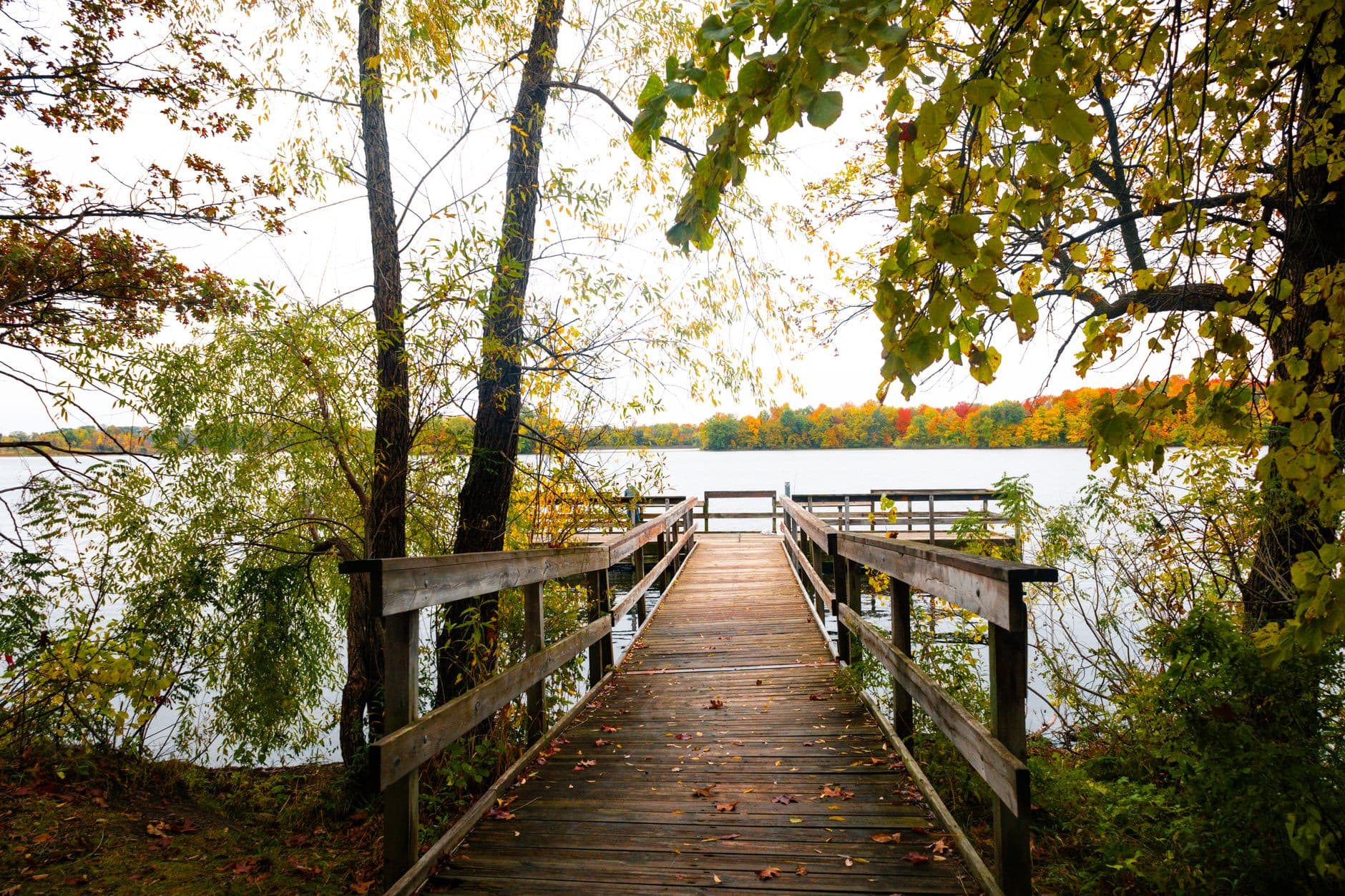
Spend the afternoon on the lake loop, where spring's still water mirrors the greening canopy and the occasional loon call breaks the silence. This is one of the best stops for a solo traveler seeking genuine solitude β€” the trail's quieter stretches invite unhurried reflection, and there's ample time here for photography without anyone waiting on you. The eastern peninsula viewpoint is worth the extra few minutes of walking for the open water views.

Itasca Lake Loop Trail & Scenic Overlook
Photo by Virooshan Theva on Pexels
Late afternoon light around 3-4pm hits the eastern peninsula viewpoint beautifully, doubling the canopy in the water's reflection.
Uneven, unpaved trail with sparse benches β€” allow extra time and consider trekking poles on wet sections.
Lunch
Sake Sushi $$
Sushi Β· Near Wilderness Drive
An unexpected but welcome contrast to trail food β€” fresh, light, and a good change of pace between two forest hikes.
Dinner
Jersey Mike's Subs $
Sandwich Β· Near Wilderness Drive
Fast, dependable, and easy for a solo diner who wants something quick after a long day on foot.
Optional detour: Wilderness Drive β€” After Schoolcraft Trail and before Itasca Lake Loop Trail
A second slow pass through Wilderness Drive at midday offers different light and a chance to spot wildlife more active in warmer hours. Skip if: If you've already driven it that morning, the return may feel repetitive β€” better to bank the extra time at the Lake Loop instead.
If it rains: If steady rain sets in, Wilderness Drive remains passable and offers moody, atmospheric beauty in mist β€” treat it as a scenic drive rather than a hiking day, and save Schoolcraft Trail and the Lake Loop for drier conditions, retreating instead to the Visitor Center if rain intensifies.

The day opens with an early, near-empty drive through Wilderness Drive, gravel crunching underfoot as the road disappears into cathedral-quiet stands of ancient red pine. From there, the Schoolcraft Trail offers a slower, more intimate walk through the same old-growth forest, tracing footsteps first mapped by 19th-century explorers.

After a change-of-pace lunch, the afternoon shifts toward water and stillness at the Itasca Lake Loop Trail. The pace slows further here β€” this is a stop built for lingering, photographing reflections, and simply sitting with the quiet, a rare luxury of shoulder-season solo travel.

Dinner is quick and unfussy, giving you a full evening to rest tired legs, review the day's photos, and prepare for the return to the Headwaters cluster tomorrow for a final, quieter farewell to the park.

Reflection & Departure

Day 3: Return to the Source

A lighter closing day revisiting the Headwaters at a different hour and giving space for the Visitor Center's exhibits before departure, roughly 1.5 miles of easy walking.

Wear
Layered clothing for variable spring weather, waterproof jacket in case of showers, and comfortable shoes for a relaxed final walk.
Budget
$40-55 (breakfast, coffee, lunch)
7:00 AM - 8:00 AM
Mississippi Headwaters Β· morning Β· 60 min Β· Mississippi Headwaters β€” Sacred source, crystalline moment

Return to the Headwaters one more time, now with the familiarity of a place you've come to know rather than a first impression β€” the light will be different, the water perhaps rippled instead of still, and the experience deepens on a second visit. This early hour is again the best chance for solitude before any tour groups arrive, and it's a fitting, quiet bookend to the trip.

Mississippi Headwaters
United States. Army. Corps of Engineers. St. Paul District / wikimedia (Public domain)
Try the north shoreline this time, facing east, for a sunrise composition different from your first visit.
Uneven, unpaved lakeshore path; sparse benches, so pace accordingly.
10 min walk β€” A final unhurried walk along the lakeshore, taking in the view one last time.
8:30 AM - 9:30 AM
Itasca State Park Visitor Center Β· midday Β· 60 min Β· Mississippi Headwaters β€” Sacred source, crystalline moment

Spend a final unhurried hour among the exhibits you may have rushed on day one, perhaps chatting with a ranger or fellow traveler about trail highlights β€” a good, low-pressure social touchpoint before a long solo drive home. It's also your last reliable spot for stronger cell signal before departure.

Itasca State Park Visitor Center
Photo by Kanishk Gabel on Pexels
Morning light through the windows again offers the best conditions for interior detail shots.
Fully wheelchair accessible with flat paths and frequent benches.
Breakfast
Caribou Coffee $
Cafe/Coffee Β· Near Wilderness Drive
A warming coffee and light bite before the morning's final walk β€” good communal counter seating for solo travelers.
Lunch
Jersey Mike's Subs $
Sandwich Β· Near Wilderness Drive
A quick, easy option to grab on the way out of the park for the drive home.
Optional detour: Wilderness Drive β€” After Itasca State Park Visitor Center and before departure
One last slow drive through the old-growth forest offers a final look at the park's cathedral quiet before hitting the highway. Skip if: If you're on a tight departure schedule or have already seen it twice, prioritize the drive to the airport instead.
If it rains: If rain returns for this final morning, the Visitor Center absorbs the whole visit comfortably β€” spend extra time there and treat the Headwaters as optional depending on conditions.

The final morning circles back to where the trip began β€” the Headwaters at first light, quieter and more personal the second time around, water and forest wearing slightly different colors than they did on arrival.

There's no rush today; a final hour at the Visitor Center offers a soft landing before the drive south, time to reflect on three days spent largely in solitude among ancient pines and still water.

With travel ahead, keep the close of the trip simple β€” a quick lunch on the way out, cell signal reconnecting somewhere past the park boundary, and the quiet certainty that the Mississippi is still back there, just beginning its long journey.

Want to tweak this trip?

Our AI planner can customize this itinerary to your exact dates, interests, and travel style.

Customize This Itinerary
Good to Know

Restaurant details (hours, menus, availability) change frequently. Check current hours before visiting, especially in seasonal destinations.

Dietary compatibility tags are general guidance. If you have severe allergies, confirm directly with the restaurant.

Travel tips are general guidance, not professional safety advice. Check government advisories for latest information.

All prices are approximate and may vary seasonally.
We use cookies to improve your experience and analyze site usage. Essential cookies are always active. You can customize your preferences or accept all cookies. Cookie Policy