2 DaysSolo Traveler5 Stops

Bozeman area, Montana

2-Day Itinerary for Solo Traveler

ā€œTrout Streams & Terraces: Two Days Solo in Bozeman Countryā€

Trout Streams & Terraces: Two Days Solo in Bozeman Country

The Bridgers wear their first snow dusting by October while the valley floor still holds gold in the cottonwoods — this is Bozeman's quietest, most photogenic season. Solo travelers get the added gift of thinning crowds: boardwalks that were shoulder-to-shoulder in July stand nearly empty, and bartenders on Main Street have time to actually talk.

At a Glance

Climate & Weather
Fall in Bozeman means cooling days (40s-60s°F) and cold mornings/evenings near freezing; foliage peaks in late September to early October along river corridors. Pack real layers — a warm base layer, fleece or wool mid-layer, waterproof shell, and a hat and gloves for early mornings and Yellowstone's higher elevations. Snow is possible by late October, especially in the mountains.
Getting Around
A rental car is essential — Bozeman itself is walkable, but Paradise Valley and Yellowstone require driving. Downtown parking is easy and free in fall's lower season. Roads to Gardiner and within Yellowstone are paved but can see early snow; carry an ice scraper and check conditions.
Budget
Budget roughly $90-140/day for a solo traveler covering meals, museum admission, and incidentals — Bozeman's food scene leans a bit upscale but bar seating and brewpub fare keep costs reasonable.
Safety
Very safe for solo travelers with standard awareness. Carry bear spray and make noise on any trail (including short walks near rivers), especially at dawn/dusk in fall when bears are actively foraging before winter. Let someone know your hiking plans if venturing beyond boardwalks, and check Yellowstone road/weather conditions before the Gardiner day trip since fall storms can close passes with little notice.
Connectivity
Solid cell coverage in downtown Bozeman and along main highways; expect dead zones in Paradise Valley backroads and much of Yellowstone's interior. Download offline maps before heading south.
Local Tips
Arrive at popular spots (Museum of the Rockies, Mammoth boardwalks) right at opening — fall crowds are light but tour groups still cluster mid-morning. Farmers markets wind down by early October, so check ahead. Many Main Street kitchens close by 10pm, so plan dinner reservations or bar seating before 9.

Highlights

  • Face-to-face with a T-Rex skull at the Museum of the Rockies
  • Golden cottonwoods along the Gallatin River in fall light
  • Historic Main Street brick sidewalks and brewery patios at dusk
  • Steam rising off Mammoth Hot Springs against frosted pines
  • A full-day expedition to Yellowstone's North Entrance
  • Solo-friendly bar seating and communal tables for easy conversation

Day-by-Day Plan

Arrival & Orientation

Day 1: Settling Into the Valley: River, Bones, and Brick Streets

A gentle first day covering roughly 3-4 miles on foot, mixing an easy riverside wander with an indoor museum stop and an evening on Main Street — light enough to shake off travel fatigue.

Wear
Layered fleece or wool sweater under a waterproof shell, sturdy walking shoes with some tread for uneven riverbank ground, and a warm hat for cooling evening temperatures.
Budget
$70-100 (museum admission, lunch, dinner, drinks)
9:00 AM - 11:00 AM
Gallatin River Ā· morning Ā· 120 min Ā· Downtown Bozeman & Gallatin Valley

Start slow: the Gallatin runs turquoise and cold here, snowmelt-fed even in fall, with cottonwoods along the banks turning gold and dropping leaves onto the current. Arrive by 9am and you'll likely have entire pullouts to yourself — the fly-fishing crowds that clog banks in summer have thinned to almost nothing. Stand on the smooth granite rocks, listen to the water work over stones, and let the cold air and pine smell reset your internal clock after travel.

Gallatin River
United States. Soil Conservation Service Montana. Dept. of Natural Resources and Conservation. Gallatin Conservation District / wikimedia (Public domain)
Shoot river bends from the Highway 191 pullouts mid-morning when light rakes low across the water — fall foliage along the banks adds warm color contrast to the cold blue current.
Roadside viewing areas are accessible, but riverbank paths are uneven and unpaved — stick to pullouts if mobility is a concern.
20 min drive — A quick drive back toward town, mountains receding in the rearview as valley ranchland gives way to Bozeman's outskirts.
11:45 AM - 2:45 PM
Museum of the Rockies Ā· midday Ā· 180 min Ā· Downtown Bozeman & Gallatin Valley

A short drive back into town lands you at one of the best dinosaur collections in the country — the T-Rex gallery alone is worth the trip, skeletons looming under vaulted light in a hush that feels almost reverent. As a solo traveler this is an easy, no-pressure stop: wander at your own pace, linger at exhibits that interest you, skip the rest. Weekday early afternoons in fall are notably quiet compared to summer's family crowds.

Museum of the Rockies
Photo by Andrew Patrick Photo on Pexels
The T-Rex Gallery atrium is best photographed from the lower level looking up, when overhead lighting backlights the skeleton dramatically.
Fully wheelchair accessible with flat paths and frequent benches throughout.
10 min walk — An easy walk from the museum parking area into downtown, the Bridger Range catching the day's last light ahead of you.
5:30 PM - 7:30 PM
Main Street & Downtown Bozeman Historic District Ā· evening Ā· 120 min Ā· Downtown Bozeman & Gallatin Valley

As afternoon light softens, Main Street comes alive — Victorian brick facades glow amber, gallery windows spill warm light onto sidewalks, and brewery patios fill with the low hum of conversation. This is prime solo-traveler territory: duck into a brewpub, grab bar seating, and strike up conversation with locals nursing pints after work. Fall evenings cool quickly, so a jacket is welcome as you wander storefronts and alley murals before dinner.

Main Street & Downtown Bozeman Historic District
Photo by Kurt Hudspeth on Pexels
Face west down Main Street around 6:30-7pm for sunset light silhouetting the Bridger Range beyond the storefronts.
Flat, wheelchair-accessible sidewalks throughout with frequent benches for rest.
If it rains: Shift the river visit shorter and spend extra time inside the Museum of the Rockies — it's fully indoor and unaffected by weather. Downtown's galleries and brewpubs also make a cozy rainy-evening retreat.

The day opens gently along the Gallatin River, where cold, clear water rushes over granite in a canyon still dressed in fall gold. Solo mornings here mean solitude — no fishing crowds, no noise beyond water and wind, just space to breathe after arrival.

Midday shifts indoors to the Museum of the Rockies, where towering dinosaur skeletons and hushed galleries offer an easy, low-pressure way to spend a few unhurried hours without needing to coordinate with anyone else's pace.

Evening belongs to Main Street — brick sidewalks, gallery light, and brewpub patios humming with conversation. It's an easy place to sit at a bar, order a local beer, and let the day's travel fatigue dissolve into Bozeman's easygoing frontier energy.

National Park Day Trip

Day 2: North Gate Expedition: Steam, Stone, and the Yellowstone River

A full, active day trip covering significant driving distance and roughly 2-3 miles of walking on boardwalks and overlooks, with high scenic and photographic payoff.

Wear
Full layering system — insulated jacket, wool hat and gloves for cold mornings at higher elevation, waterproof boots for boardwalks that may be damp or icy, and sunglasses for bright midday thermal glare.
Budget
$60-90 (park entrance fee, gas, lunch, dinner)
7:30 AM - 9:00 AM
Paradise Valley Ā· morning Ā· 90 min Ā· Paradise Valley

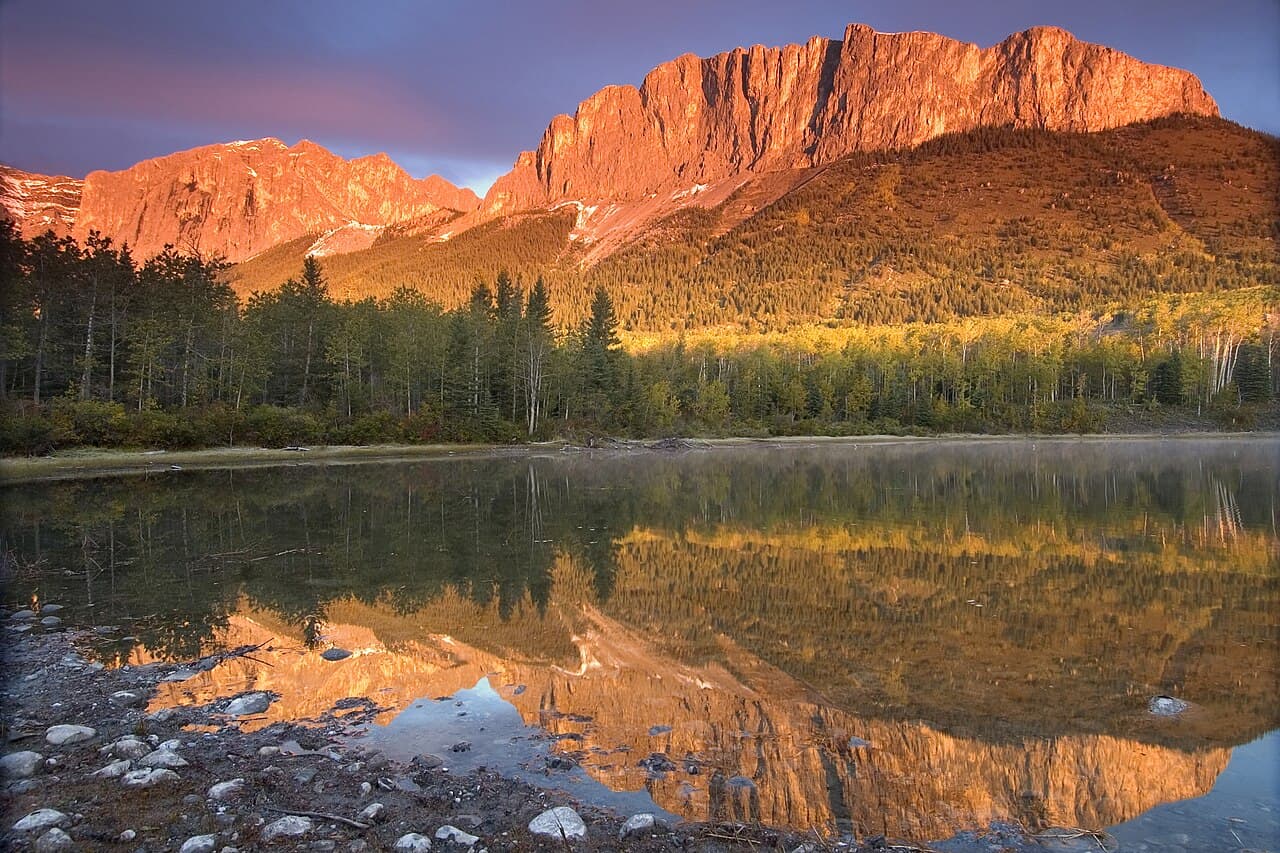
Leave Bozeman before sunrise and let Paradise Valley unfold as the midpoint scenic stop it deserves to be — the Yellowstone River threading through sage flats with the Absaroka Range rising sharp and snow-dusted beyond. Arrive at the Highway 89 pullouts by 7:30am for near-total solitude; the light here in early fall morning is soft and cold, perfect for photography without another soul in the frame.
Paradise Valley
Unknown / wikimedia (Public domain)
Pull over between Livingston and Yankee Jim Canyon for wide shots of the valley floor — early morning light rakes low across the sage, throwing long shadows toward the river.
Viewing is roadside and mostly accessible, though the terrain immediately off pullouts is uneven and unpaved.
45 min drive — A winding drive down Highway 89 into Yankee Jim Canyon and on to Gardiner, granite walls closing in before the park's stone arch entrance appears.
9:45 AM - 4:00 PM
Yellowstone NP (North Entrance via Gardiner) Ā· midday Ā· 375 min Ā· Yellowstone North Gate (Gardiner Gateway)

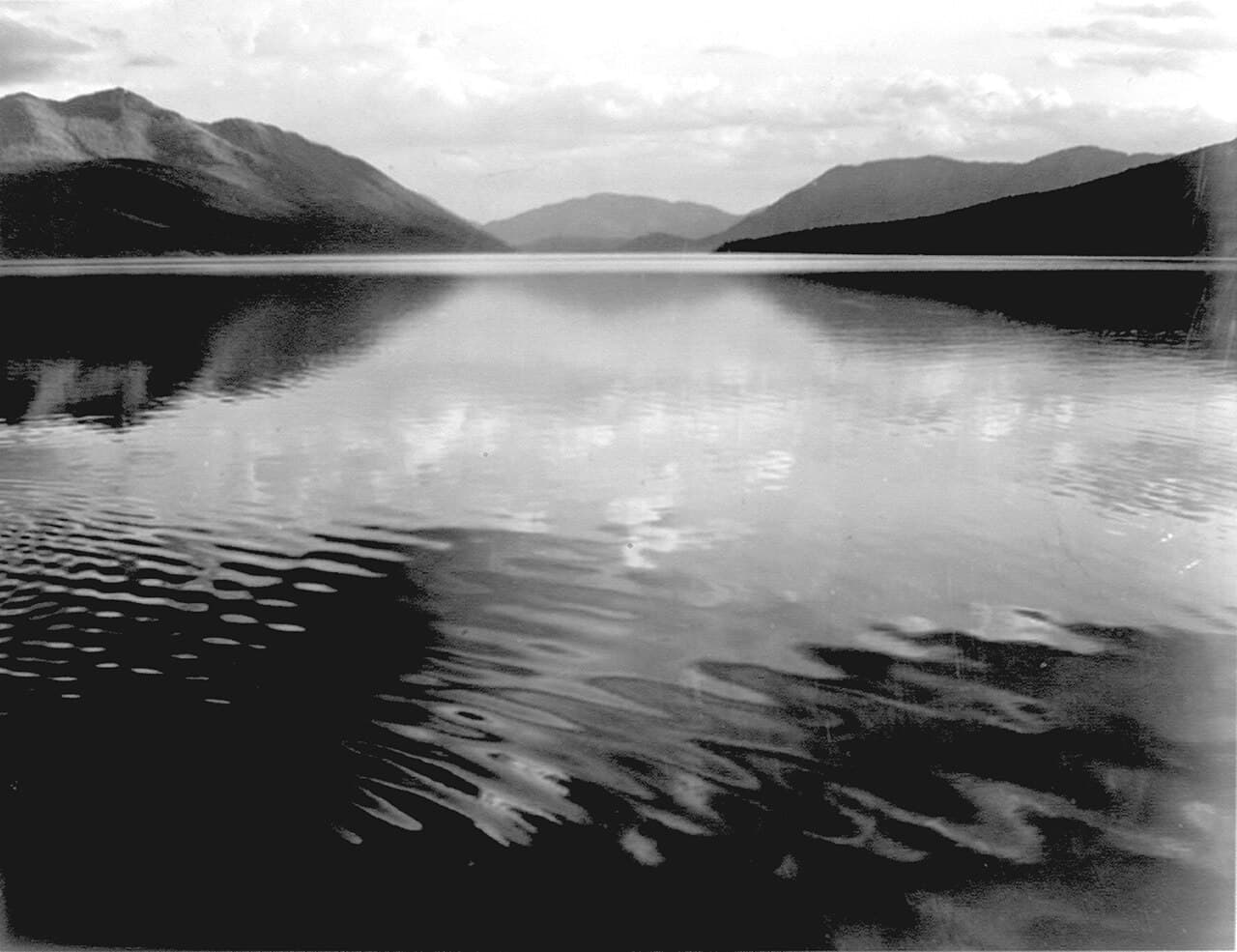
Continue south to Gardiner and cross into Yellowstone's North Entrance, where the terraced white-and-orange travertine of Mammoth Hot Springs steams against dark pine — the smell of sulfur and warm earth arriving well before the view does. Fall means dramatically thinner crowds than summer's gridlock; arriving before 10am gives you long stretches of boardwalk in near-solitude, and wildlife (elk, sometimes bison) are more visible as they move lower with the cooling weather. Budget the bulk of your day here: walk the boardwalks at Mammoth, then continue toward Lamar Valley if time and road conditions allow for a chance at wolf or bison sightings in the golden late-afternoon light.
Yellowstone NP (North Entrance via Gardiner)
Northern Pacific Railway Company / wikimedia (Public domain)
Shoot the Mammoth terraces mid-morning for saturated color in the travertine, and if you push on to Lamar Valley, aim for the hour before sunset when low light silhouettes any grazing wildlife.
Mammoth's boardwalks are wheelchair accessible with frequent benches; further trails into Lamar Valley are not paved and require more mobility.
Optional detour: Beehive Basin Trail — Not used today — noted as an alternate full-day option in place of the Yellowstone trip
One of the most photogenic alpine hikes near Bozeman, with turquoise lakes and dramatic peaks for those craving an intense solo hiking day instead of a park drive. Skip if: Skip if you've allotted this day to Yellowstone — attempting both in one trip overextends the day and duplicates high-exertion hiking energy.
If it rains: Most of Yellowstone's boardwalks and roads remain open in rain, and the thermal features stay dramatic under wet skies — pack a rain shell and expect reduced wildlife visibility rather than a lost day.

Early departure carries you south through a valley still holding fall color, the Yellowstone River glinting beside the road and the Absarokas catching first light — a scenic warm-up before the geothermal drama ahead.

The bulk of the day unfolds inside Yellowstone's North Entrance, where steaming terraces, cooling air, and thinning fall crowds combine for a rare kind of solitude at one of the park's most iconic features, with a chance to push toward Lamar Valley for wildlife as the afternoon light lengthens.

The drive back to Bozeman arrives with the day's exertion settled into your legs and a memory card full of steam, stone, and sage-colored valley light — an early dinner and quiet evening are the natural close to a demanding, rewarding day.

Want to tweak this trip?

Our AI planner can customize this itinerary to your exact dates, interests, and travel style.

Customize This Itinerary
Good to Know

Restaurant details (hours, menus, availability) change frequently. Check current hours before visiting, especially in seasonal destinations.

Dietary compatibility tags are general guidance. If you have severe allergies, confirm directly with the restaurant.

Travel tips are general guidance, not professional safety advice. Check government advisories for latest information.

All prices are approximate and may vary seasonally.
We use cookies to improve your experience and analyze site usage. Essential cookies are always active. You can customize your preferences or accept all cookies. Cookie Policy