Little Bighorn Battlefield, Montana
2-Day Itinerary for Solo Traveler
“Grass, Wind, and Memory: Two Days at Little Bighorn”

The wind never really stops here—it moves through the bluestem grass the way it must have on June 25, 1876, carrying the same hush over Last Stand Hill. This is a trip for slow walking and long silences, best taken alone, where wildflowers push up between marble headstones and the sky feels large enough to hold every story the land still tells.
At a Glance
Highlights
- Sunrise at Last Stand Hill with almost no one else on the ridge
- Tracing both Native American and U.S. Army accounts inside the Visitor Center museum
- Standing at the Indian Memorial as spring grass ripples around stone and bronze
- Walking the contested ridge of the Reno-Benteen Battlefield Trail above the Little Bighorn River
- Wildflowers blooming across the battlefield's rolling plains in spring light
- A solemn, reflective pace suited to solo travel and quiet contemplation
What do 2 days in Little Bighorn Battlefield look like for solo travelers?
5 stops across 2 days, about 8 hours of sightseeing in all. The rest is yours for long lunches and unplanned detours.
| Day | Stop | Area | Suggested time | Typical visit |
|---|---|---|---|---|
| Day 1 | Little Bighorn Battlefield National Monument Visitor Center | Battlefield Core | 8:00 AM - 10:00 AM | 2 hr |
| Day 1 | Last Stand Hill | Battlefield Core | 10:15 AM - 11:45 AM | 1 hr 30 min |
| Day 1 | Indian Memorial | Battlefield Core | 12:15 PM - 1:00 PM | 45 min |
| Day 2 | Custer Battlefield | Battlefield Core | 8:00 AM - 10:00 AM | 2 hr |
| Day 2 | Reno-Benteen Battlefield Trail | Battlefield Core | 10:30 AM - 12:00 PM | 1 hr 30 min |
Each day opens as a route in Google Maps; the map file drops every stop into Google My Maps or an offline map app.
Day-by-Day Plan
Day 1: Arrival and First Light on Last Stand Hill
A gentle first day—about 2 miles of walking total—spent orienting at the Visitor Center before a quiet, contemplative visit to Last Stand Hill and the Indian Memorial.
Start here before the day fills in—arrive at opening and the exhibit halls are hushed enough to actually sit with the stories, told from both the U.S. Army and Native American perspectives. The museum doesn't rush you toward conclusions; it lays out maps, photographs, and firsthand accounts and lets the weight settle. For a solo traveler, this is the best possible orientation: unhurried, text-rich, and emotionally honest about what happened on this ground.
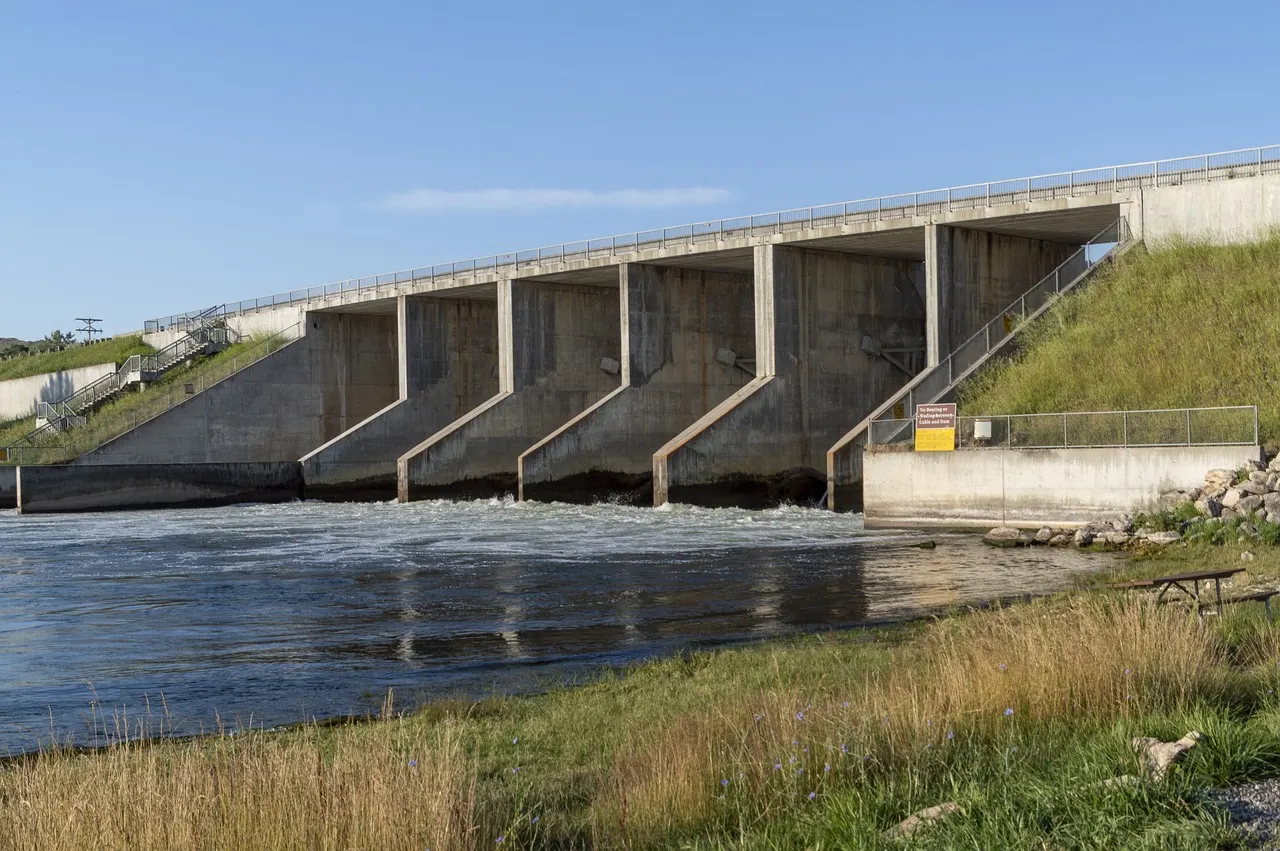
Walk up from the Visitor Center and the hill opens into sweeping grassland dotted with white marble markers—each one placed where a soldier fell. The wind rarely stops moving through the grass, and there's a stillness here that rewards slow, solitary pacing rather than conversation. By late morning a few more visitors arrive, but the paved paths mean you can always find a quiet pocket to simply stand and look toward the river valley below.
A short walk from Last Stand Hill brings you to the Indian Memorial, honoring the Cheyenne, Lakota, and other warriors who fought here. Spring grass grows thick around the stone base, and the site asks for quiet—this is as much a place of mourning as Last Stand Hill, told from the other side of the story. Standing here alone, reading the names and accounts, often lands harder than the museum exhibits did an hour earlier.
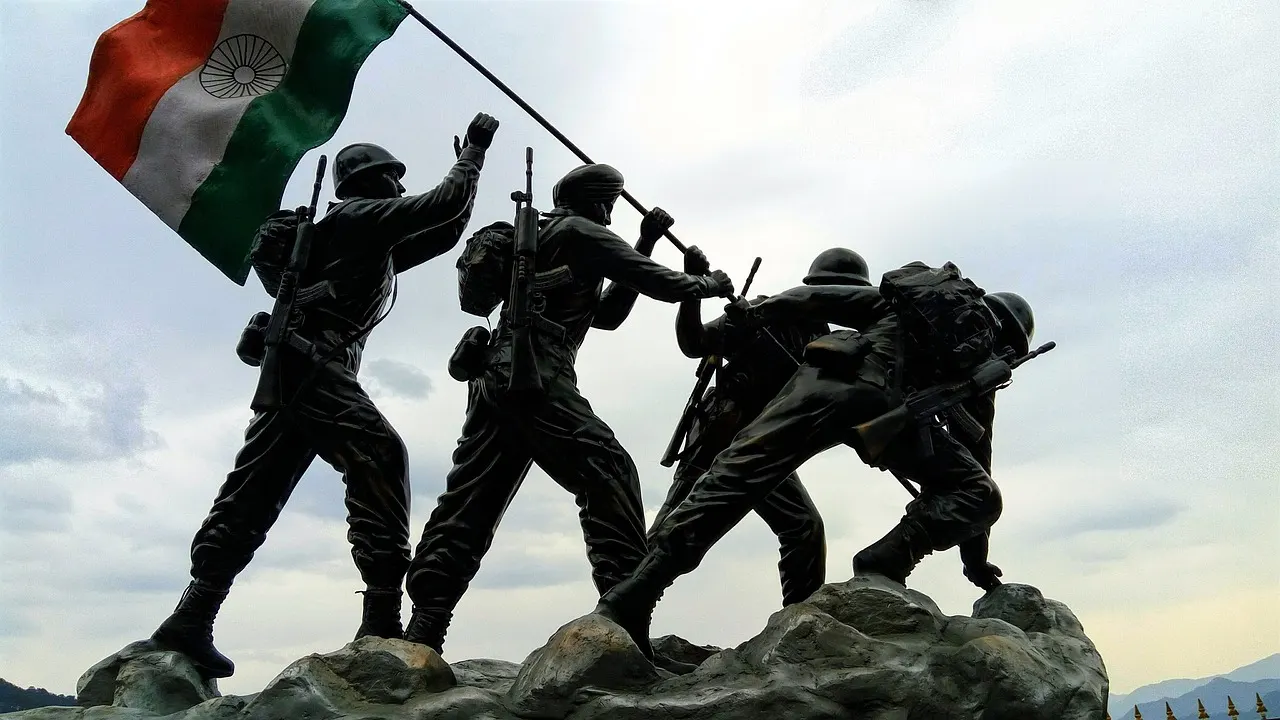
Begin at the Visitor Center while the parking lot is still half-empty and the exhibit halls feel almost private. Take your time moving through the displays—there's no rush, and the dual perspectives on the battle deserve unhurried attention before you step outside into the place itself.
From the museum, the pace shifts outdoors: Last Stand Hill's open grassland and scattered markers invite slow, solitary walking, while the short walk over to the Indian Memorial adds a second, equally important layer to the day's story. Both sites stay light on crowds through midday in spring's shoulder season, so there's room to linger.
With the day's heavier emotional work behind you, head back toward Hardin or Crow Agency for a simple dinner before local businesses close early. Let the evening be quiet—journal, review photos, or just sit with what the day surfaced; this is not a destination that asks you to rush toward the next thing.
Day 2: The Ridge Above the River
A moderately active day—around 3 miles of walking—centered on the Reno-Benteen Battlefield Trail, with a return to Custer Battlefield for deeper historical context.
Return here early, before the mid-morning crowds thicken, to walk the ground where the two sides first clashed along the river. The audio guide works well solo, letting you move at your own pace and linger wherever a detail catches you—the smell of dry sage, the sound of wind through grass, the strange quiet of a battlefield that's been silent for nearly 150 years. For a second visit, focus on the areas you skipped yesterday, like the Monument Grove.
Drive the park road out to the Reno-Benteen site and set out on the trail along the ridge, where soldiers held their position above a bend in the Little Bighorn River. This is the most physically active stretch of the trip—uneven ground, modest elevation change—but also the most solitary, since fewer visitors make the drive out this far. Bronze plaques worn smooth by years of hands mark key positions; take your time reading them against the panoramic valley view.
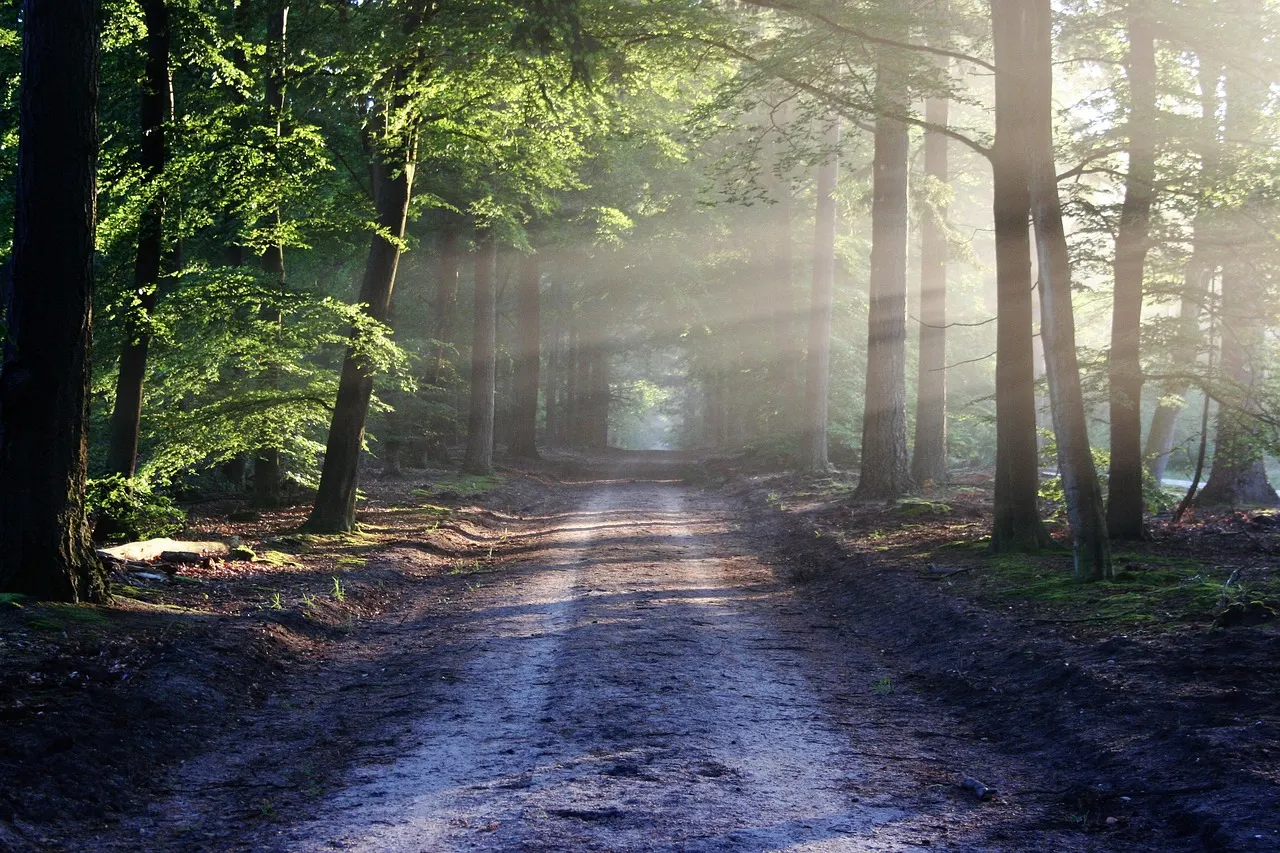
Head back to Custer Battlefield for a second pass while the morning is still cool and the audio guide can be absorbed without rushing. Moving solo and at your own rhythm, this is the moment to sit with details you glossed over the day before—the Monument Grove, in particular, rewards unhurried attention.
The drive out to Reno-Benteen shifts the day's pace entirely—open park road, wide views, and then boots on uneven trail ground above the river. This is the most physically engaged stretch of the trip, and also the quietest, since most visitors never make it this far from the main battlefield.
Wind down with an early dinner before local options close, then let the evening settle—there's little to do after dark here, and that's the point. A quiet night under a wide Montana sky is a fitting close to two days spent walking through one of the country's most solemn landscapes.
Planning the nights, too?
Compare places to stay around Little Bighorn Battlefield, or browse tours and tickets to slot between the stops above.
Itinara may earn a commission when you book through these links, at no extra cost to you.
Want to tweak this trip?
Our AI planner can customize this itinerary to your exact dates, interests, and travel style.
Customize This ItineraryRestaurant details (hours, menus, availability) change frequently. Check current hours before visiting, especially in seasonal destinations.
Dietary compatibility tags are general guidance. If you have severe allergies, confirm directly with the restaurant.
Travel tips are general guidance, not professional safety advice. Check government advisories for latest information.
All prices are approximate and may vary seasonally.