Seeley-Swan Valley, Montana
3-Day Itinerary for Solo Traveler
“Loon Calls & Low Light: Three Days Alone in the Seeley-Swan Valley”
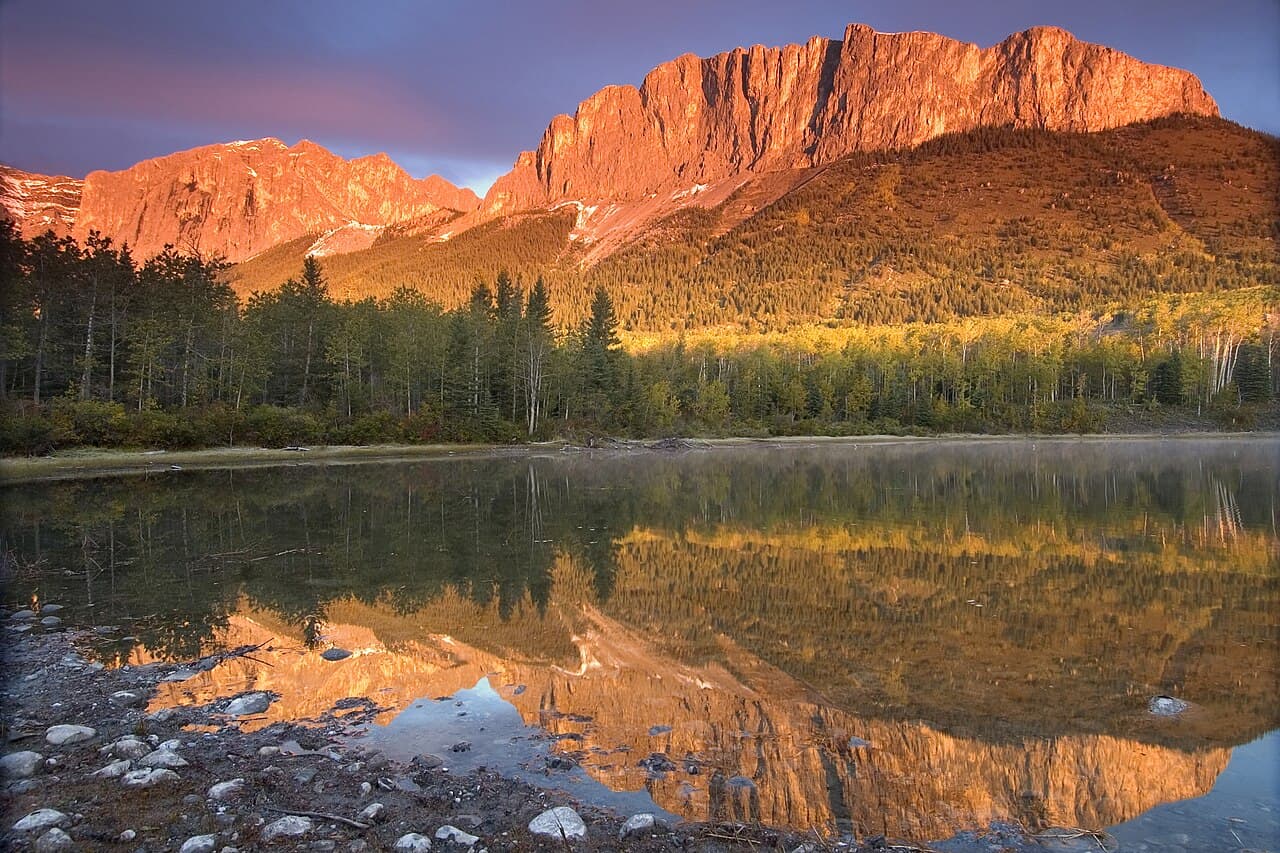
Fall strips the Seeley-Swan Valley down to its essentials: cold-edged mornings, larch gone gold against black-green fir, and lakes so still they seem to be holding their breath. This is a valley built for solitude, and autumn — with its thinning crowds and early dusk — is when it shows you that best.
At a Glance
Highlights
- Sunrise paddling light on Seeley Lake with no one else on the water
- The four-mile pilgrimage to Morrell Falls through gold-larch forest
- Clearwater River's canyon roar and cold spray on an empty afternoon
- Holland Lake's wild southern quiet beneath the Swan Range
- Loon calls at dusk from a rocky, unpeopled shoreline
- Early-morning solo hiking with the valley entirely to yourself
Day-by-Day Plan
Day 1: Arrival & First Light on Seeley Lake
A gentle orientation day with one lake visit and one moderate hike, totaling roughly 5-6 miles of walking at an easy pace.
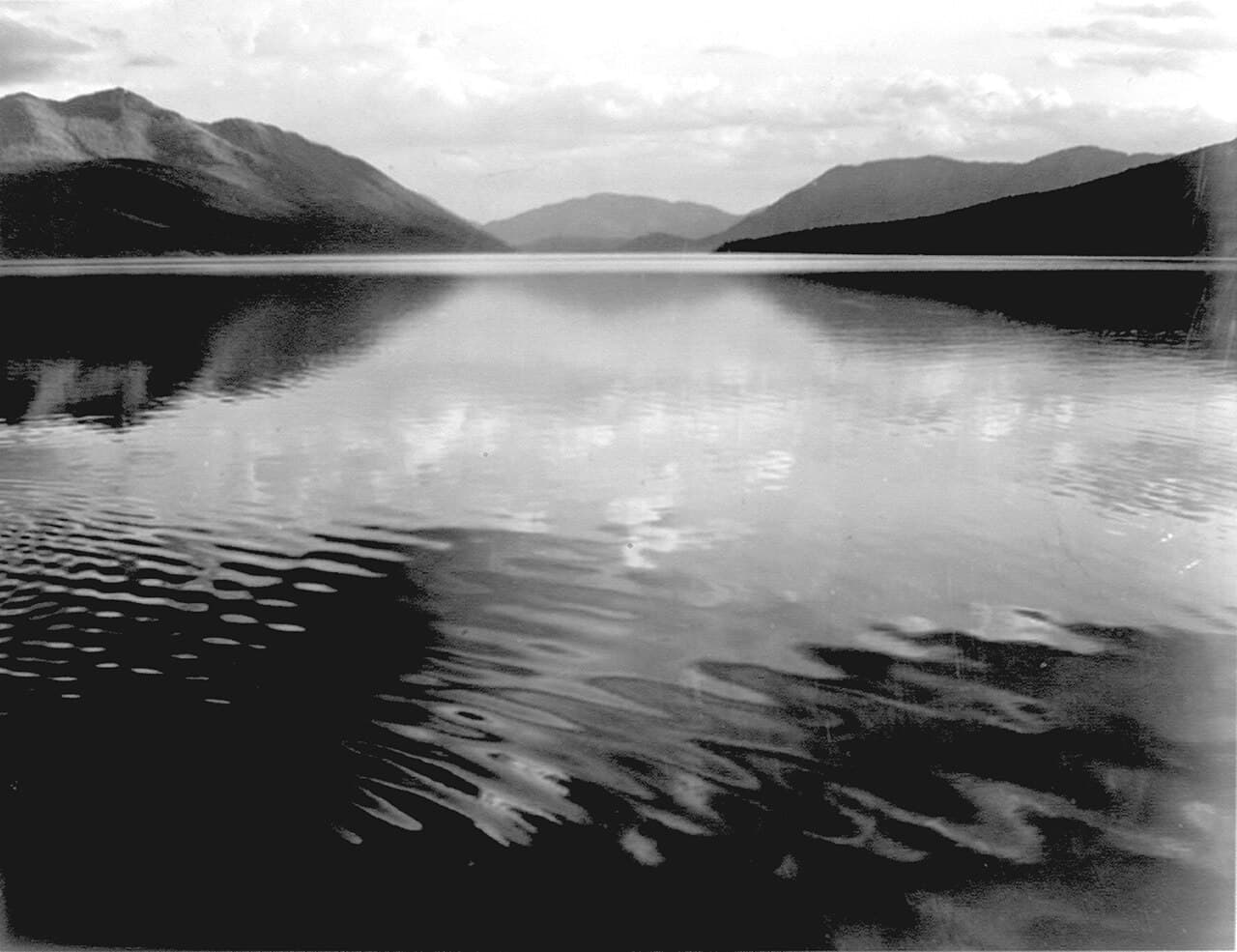
Arrive when the mist is still lifting off the water and the Mission Mountains are just resolving out of the haze — this is the valley's quietest, most honest hour. The air smells of ponderosa pine and cold water; a loon may call somewhere out on the glass-still surface. As a solo traveler, this is an easy, unhurried first stop — no itinerary pressure, just orientation and quiet.

The trail to Morrell Falls is a slow build — towering Douglas firs, dappled light, the sound of your own boots on duff — until the roar of falling water starts to bleed through the trees. In fall, the understory has gone amber and rust, and the crowds that clog this trail in July are simply gone. Arriving by mid-morning still gets you well ahead of any weekend traffic, and solo hikers should make noise periodically — this is bear country in active fall foraging season.
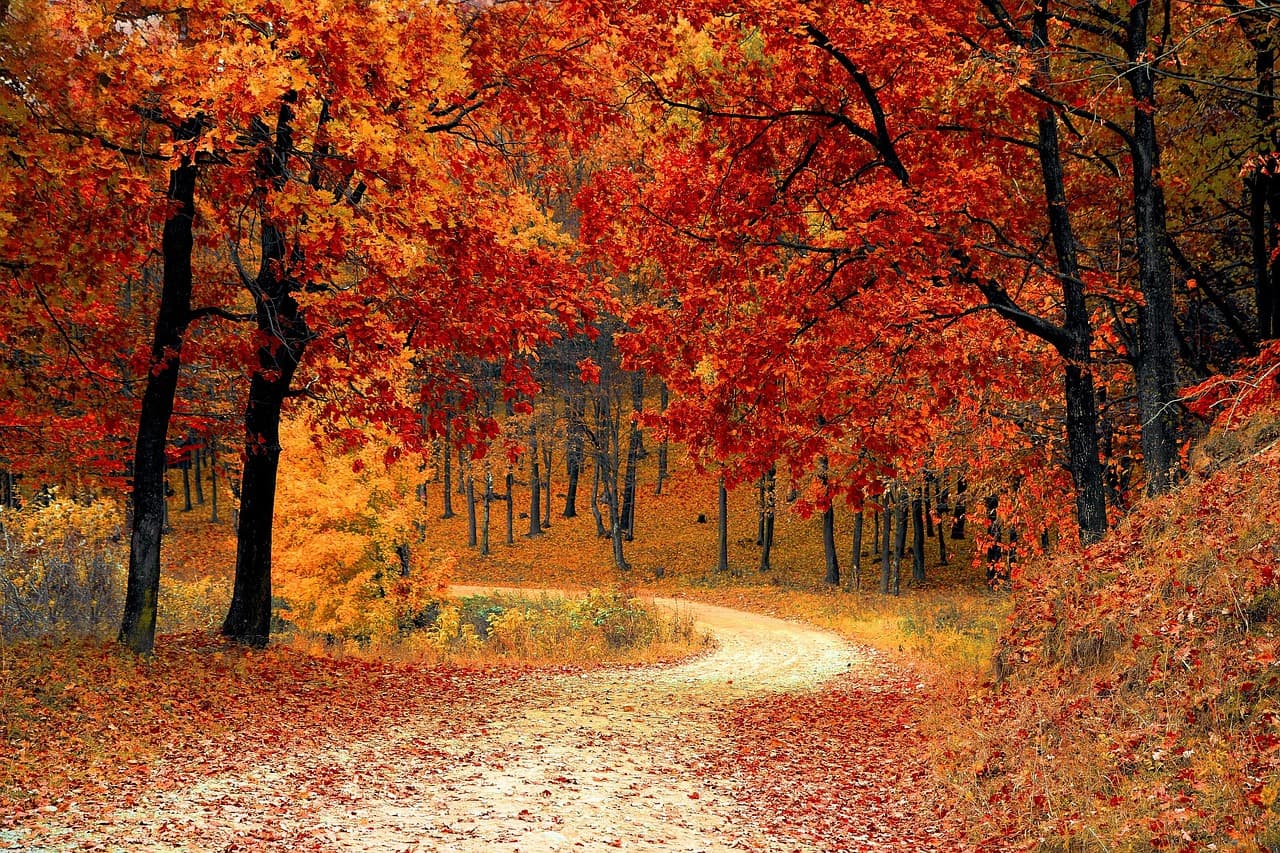
Morning belongs to the lake — arrive early enough to catch the mist still hanging over the water and the mountains just emerging from haze. There's no rush here; this is an arrival day, meant for slow orientation rather than ambition. Let the cold air and quiet set the pace for the rest of the trip.
By late morning, shift into motion with the hike to Morrell Falls. The forest closes in, gold larch needles scattered across the trail, and the growing roar of water pulls you forward. It's a moderate four-mile round trip — enough exertion to feel earned, but nothing that should exhaust a first day.
With no confirmed dining options in this cluster, plan to eat based on what's available in Seeley Lake's small town center or from provisions brought along — it's wise to ask locally about current offerings, since services here shift seasonally and fall hours often run short. Spend the last light back near the lake if you can, watching the alpenglow fade off the peaks before the valley goes fully dark and cold.
Day 2: River Roar and Canyon Quiet
A single-cluster day centered on the Clearwater River, with moderate walking (around 3-4 miles) and generous time for photography and quiet reflection.
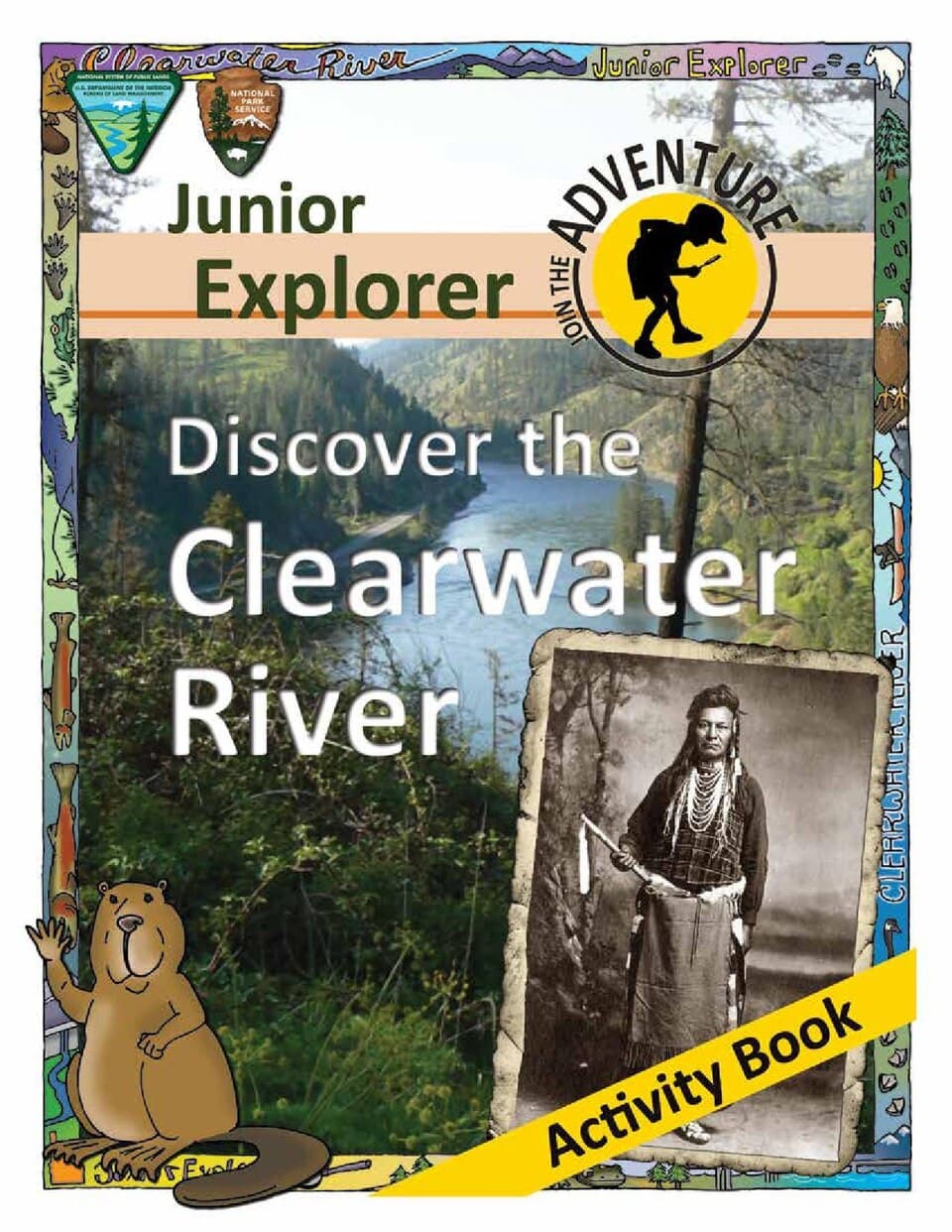
Arrive early and the river corridor is yours alone — cold spray drifting off the rapids, the smell of wet stone and pine, and the sound of water churning over boulders that have sat there since long before anyone paddled through. This stretch carries real historical weight — Lewis and Clark's route passed near here — but in fall it's simply wild and empty, ideal for a solo traveler who wants unbroken quiet.
Return to a different stretch of the same river corridor in the afternoon light — the mood shifts entirely as the sun climbs higher and the water turns a sharper, clearer blue-green. Walk upstream toward the confluence vista where a tributary joins the main channel; it's a good spot to sit, eat a packed lunch, and simply listen. Solo travelers should note this area sees occasional anglers but otherwise stays remarkably empty, even in peak fall color.
The river greets you first with sound before sight — a low roar rising through the trees as you approach. Cold spray and the smell of wet pine set an immersive, meditative tone for the morning, ideal for a solo traveler seeking a slower kind of adventure than a summit hike.
The afternoon shifts you to a quieter stretch upstream, walking gravel bars toward the confluence vista. The pace slows further here — this is a day built around presence rather than distance covered, well-suited to a solo traveler in no rush.
As with the previous evening, dining options directly in this cluster aren't confirmed, so plan your meal around whatever is available back toward Seeley Lake or from packed provisions — check current offerings locally, since fall often brings reduced hours. Use the early dusk to your advantage and settle in before dark; the valley's shorter fall days reward an early wind-down.
Day 3: Wild Quiet at Holland Lake
A half-day-plus visit to the remote Holland Lake cluster, with light-to-moderate walking (2-3 miles) and one relaxed dining opportunity — a fitting, unhurried close to the trip.
Holland Lake feels like the valley's furthest, quietest edge — arrive early and the eastern beach is yours, with loon calls carrying across water so still it looks poured rather than settled. The Swan Range rises directly behind it, snow already dusting the high peaks by fall, and the whole scene has a hushed, self-contained quality that rewards slow observation over ambitious mileage. This is an ideal spot for a solo traveler to simply sit, walk the shoreline, and let the morning stretch out.

Morning at Holland Lake is the valley distilled to its essence — remote, still, and entirely without pretense. Walk the rocky shoreline slowly, watch for loons, and let this final morning run at whatever pace feels right; there's no itinerary pressure left to keep.
As the morning eases into early afternoon, make your way to Holland Lake Lodge for a lunch that doubles as this trip's best chance for easy, low-stakes conversation — bar seating and communal tables make it simple to chat with other travelers or locals passing through.
With Holland Lake's remoteness and the valley's early-closing rhythm in mind, plan to begin the drive back north well before dark — Highway 83 is straightforward in fall, but wildlife activity increases at dusk. Let the trip close quietly, the lake and mountains fading in the rearview, the valley's particular kind of solitude already something to carry home.
Want to tweak this trip?
Our AI planner can customize this itinerary to your exact dates, interests, and travel style.
Customize This ItineraryRestaurant details (hours, menus, availability) change frequently, especially in this seasonal, rural valley. Check current hours before visiting, particularly in fall when many services reduce or close.
Dietary compatibility tags are general guidance. If you have severe allergies, confirm directly with the restaurant or lodge kitchen.
Travel tips are general guidance, not professional safety advice. Check current Montana road and wildlife advisories, especially regarding bear activity and Highway 83 conditions.
All prices are approximate and may vary seasonally.