Seeley-Swan Valley, Montana
4-Day Itinerary for Solo Traveler
“Still Water, Quiet Trails: 4 Days Alone in the Seeley-Swan Valley”
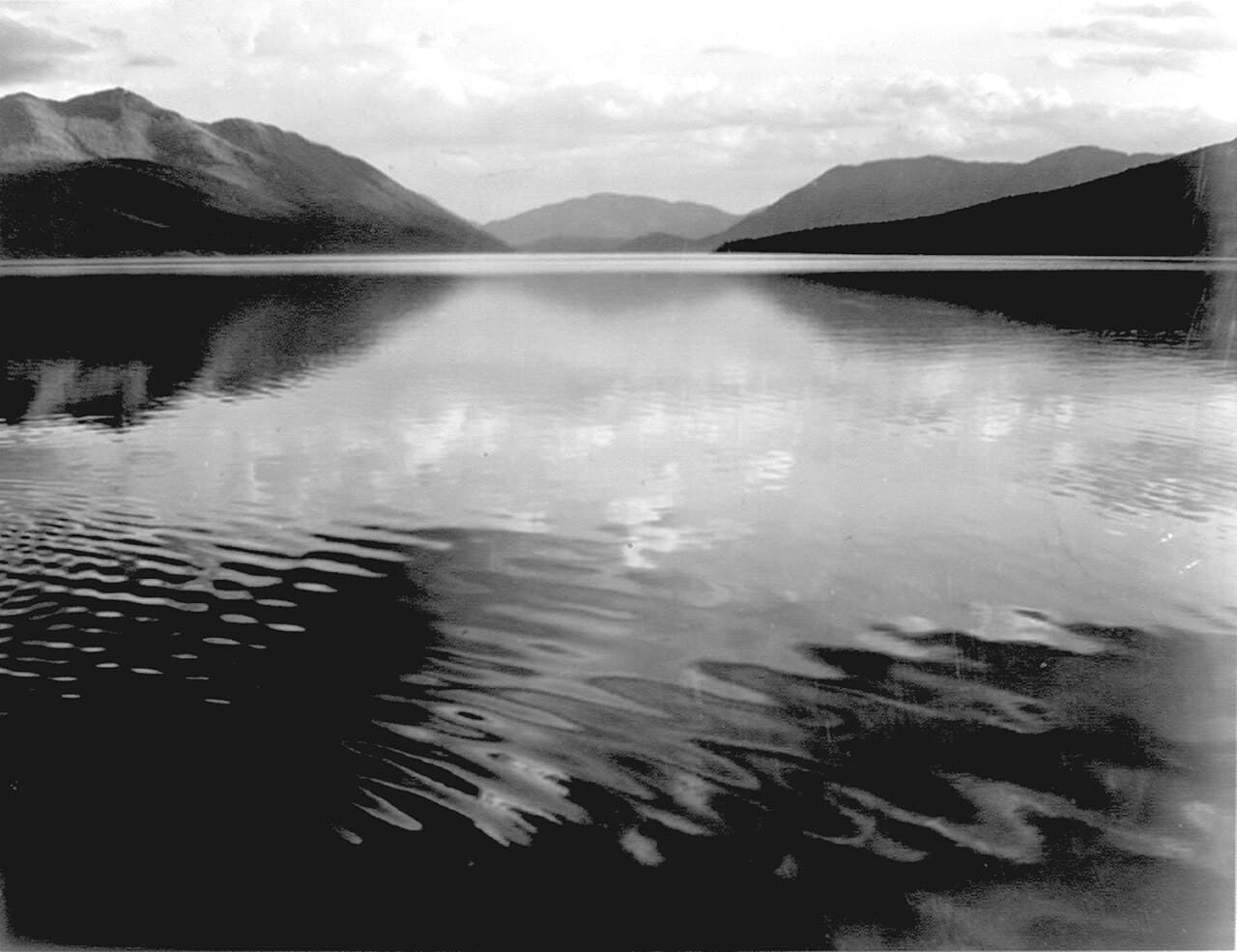
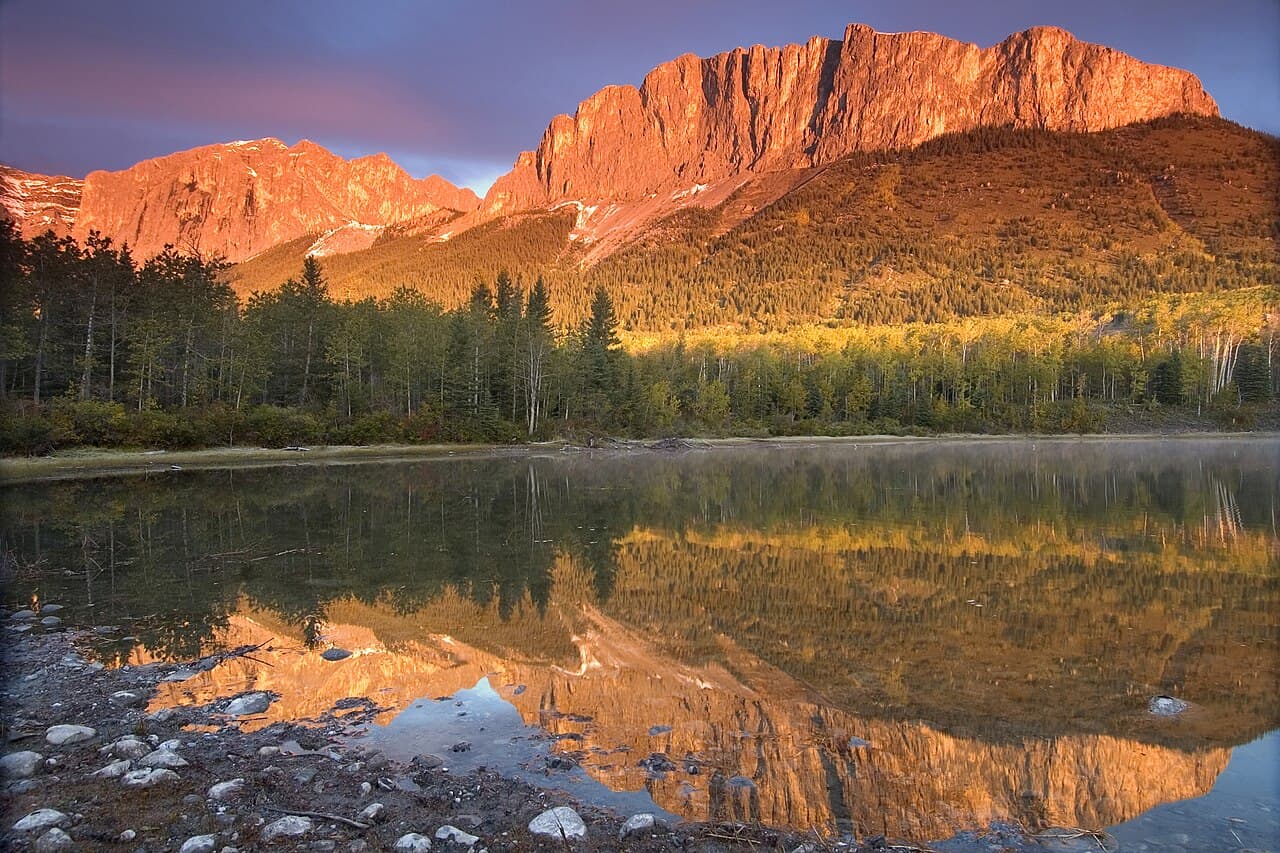
The fog sits low on Seeley Lake until the sun clears the ridgeline, and for a window of maybe ninety minutes, the whole valley belongs to whoever's awake to see it. This is a trip built for that window — for solitude that doesn't feel lonely, for trails that reward patience, and for evenings spent lakeside with nothing on the agenda but the sound of water settling.
At a Glance
Highlights
- Sunrise solitude on Seeley Lake's north shore before anyone else stirs
- The four-mile pilgrimage to Morrell Falls through fall-gold larch
- Clearwater River's cold spray and Lewis-and-Clark-era quiet
- A full day at remote Holland Lake, backed by the Swan Range
- Fall foliage turning the understory copper and rust along every trail
- Early, honest small-town rhythm — breakfast by 7, lights out by 9
Day-by-Day Plan
Day 1: Arrival and First Light on the Water
A low-key arrival day centered on Seeley Lake itself — about 2 miles of easy walking, low physical exertion, designed to let travel fatigue settle before the valley's bigger trails tomorrow.
After the drive up Highway 83, this is where the valley introduces itself: cool air off the water, the Mission Mountains laid out in a long gray-blue line, and a silence that takes a minute to adjust to after the road noise. Walk the south shore meadow pullouts for the full lake reflection, especially if the wind has died down by late afternoon. This is a gentle re-entry — no itinerary pressure, just the chance to let your nervous system catch up with where you actually are.

Day one begins in transit — the long, scenic haul up Highway 83 from Missoula, windows down for the last stretch as the forest closes in and the first lake glimpses appear through the trees.
By mid-afternoon you're parked at Seeley Lake's shoreline, shoes off the pavement and onto pine duff, doing nothing more ambitious than looking. The Mission Mountains hold the last of the day's light while the lake stays flat and cool underfoot-adjacent. This is intentionally unstructured — let jet-lag or road fatigue dictate the pace.
Dinner is simple and early, in keeping with the valley's rhythm — most services here wind down well before 8pm. Settle into your cabin or lodge with the windows cracked; if you're lucky, a loon call carries across the water as the light fully fades by early evening.
Day 2: The Falls and the Forest Floor
A full hiking day centered on the Morrell Falls Trail — roughly 4-5 miles round trip through larch and fir, moderate exertion, with the lake as bookend.
Arrive by 7:30am and the trail is nearly yours — just boots on duff, the occasional jay call, and increasingly, as you climb, the distant hush of falling water. In fall the understory turns copper and gold against the dark green of the Douglas firs, and the 4-mile round trip to the falls feels less like exercise and more like a slow unspooling of quiet. The payoff is a genuine mountain waterfall with mist that catches the morning light — budget extra time here if you brought a camera, since this is the kind of place that resists being photographed quickly.
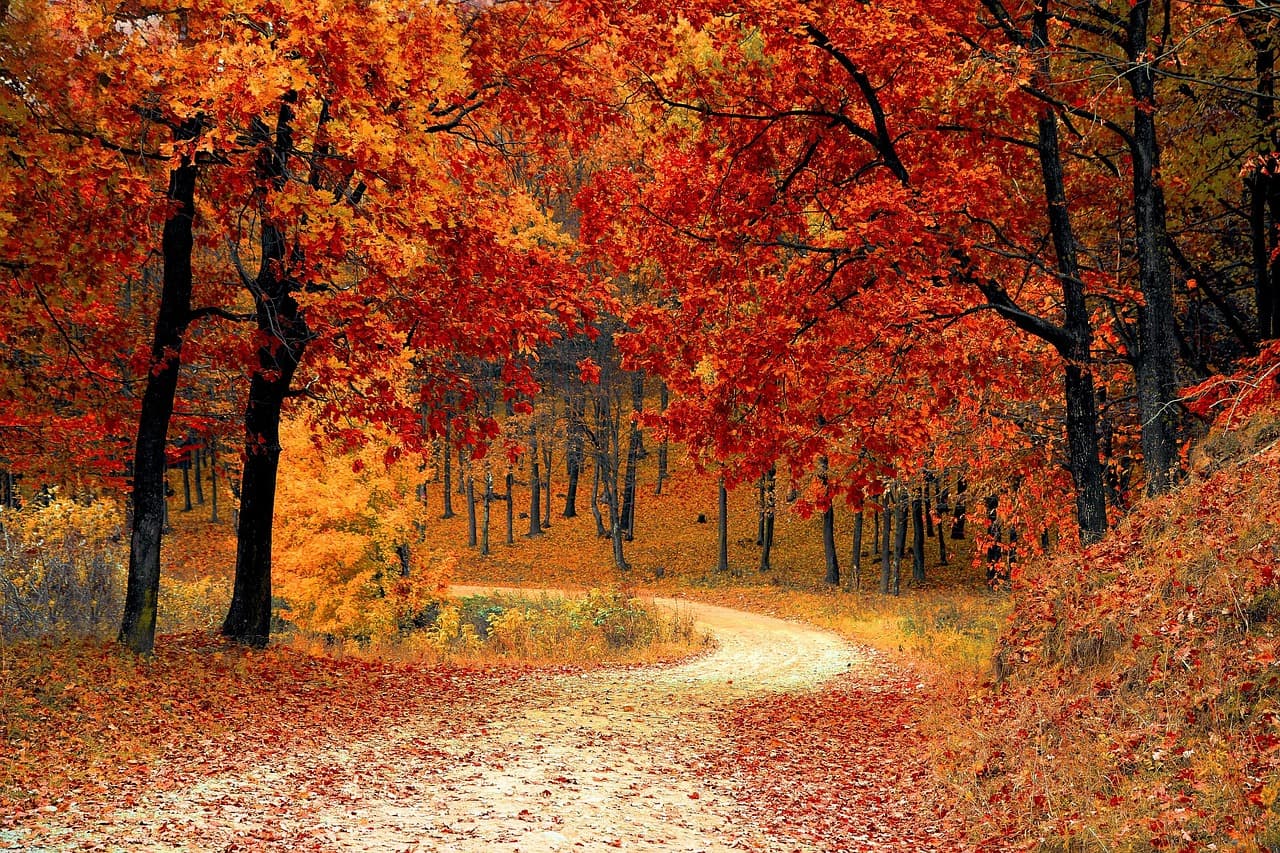
After a hiking day, the lake in early evening is the right kind of low-key — the north shore inlet catches the day's last light against the Mission Mountains, and the water's stillness after a day of trail noise feels earned rather than passive. This is a good spot to simply sit; bring a book, a journal, or nothing at all.
The day starts in near-darkness at the trailhead, the kind of early that rewards you directly — by the time most visitors are having coffee, you're already deep in fall-colored forest with the falls' distant roar growing steadily louder. The four miles pass slower than expected, not from difficulty but from the temptation to keep stopping and looking.
Back at the trailhead by early afternoon, tired in the good way, there's room to rest before the evening's second act. This is a day with real physical output, so give yourself the midday slack to recover — a slow lunch, a nap, or simply sitting with sore legs up.
Evening returns you to Seeley Lake's edge, but changed — the water now reads as reward rather than introduction. Dinner stays simple and early given the valley's closing hours, and the night ends quiet, legs tired, stars increasingly visible as the sky fully darkens.
Day 3: River Days
A moderate day centered on the Clearwater River corridor — about 2-3 miles of walking along riparian terrain, lower exertion than Day 2, with deliberate space for photography and rest.
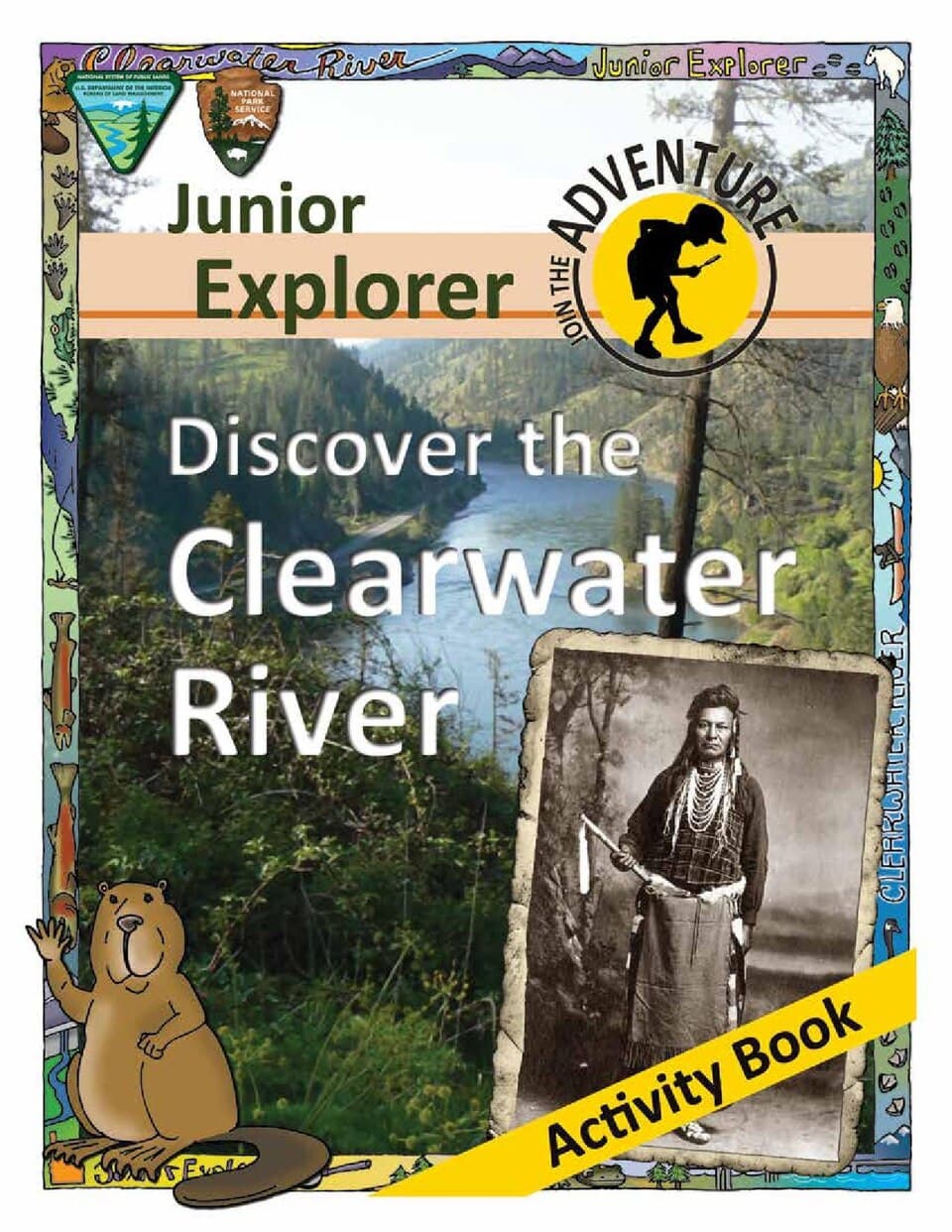
Arrive early and the river corridor is yours alone except for the occasional local angler working a quiet bend. The water here churns clear over ancient boulders, cold enough to mist your face if you get close, and the whole scene carries a faint historical charge — this is water Lewis and Clark's party once navigated. It's a gentler landscape than yesterday's falls trail, better suited to slow observation than hard mileage.
Rather than moving to a new location, spend the late morning working further along the corridor toward the confluence vista, where a tributary meets the main channel. The sound changes here — louder, more layered — and it's a good spot to sit with lunch and simply listen before heading back.
The river corridor feels more intimate than the lakes — narrower, closer, the sound of water a constant low roar rather than a gentle lap. Early light picks out the spray above the boulders, and for a solo traveler, this is the kind of place that rewards sitting still as much as moving through it.
Rather than packing in a second cluster, the afternoon stays loose — a slow lunch by the water, maybe a nap in the car with the windows cracked, maybe nothing at all. Fall's shorter days mean afternoon light fades faster than it feels like it should, so plan to be back on the road toward Seeley Lake by mid-afternoon.
Evening is unstructured and recovery-focused after two days of trail mileage — a simple dinner, an early night, and the valley's usual hush settling in well before 9pm.
Day 4: Holland Lake and the Long Quiet
A full day trip south to Holland Lake — the valley's most remote cluster — with roughly 3-4 miles of walking, before the return drive out; moderate exertion balanced against travel logistics.
The drive south to Holland Lake feels like entering a different, wilder register of the valley — fewer cabins, more forest, and a lake that stays genuinely quiet even by this valley's standards. Arrive by 8am for the eastern beach's sunrise vantage before any weekend traffic arrives, and take the north trail overlook for a view across the water toward the Swan Range's jagged summits. Loon calls carry easily across the stillness here; this is arguably the most solitary few hours of the whole trip.

After lunch, a slower second visit to the lake's rocky shoreline near the campground rounds out the day — less about covering ground, more about sitting with the place before the long drive back. The light shifts through early afternoon, the peaks going from sharp to slightly hazy as clouds build, a good reminder to keep an eye on weather given the valley's fast-changing fall conditions.
The drive south to Holland Lake is its own kind of ritual — the valley narrowing, the forest thickening, cell signal dropping away entirely. By the time you reach the eastern beach at sunrise, the lake feels like the valley's most honest version of itself: cold, clear, and entirely indifferent to being admired, which is exactly the point.
Lunch at Holland Lake Lodge offers the trip's warmest social texture — communal tables, the low hum of other travelers' conversations, a good place to trade trail notes before an afternoon spent slowly working back down to the shoreline. The light softens through early afternoon as clouds begin building over the Swan Range, a fitting visual close to four days spent largely alone with Montana's quietest corner.
Depending on flight or departure timing, the evening is given over to the drive back toward Missoula or onward — Highway 83 retracing itself in reverse, the lakes and trails of the last four days receding steadily in the rearview mirror, the valley already feeling like somewhere you'll want to return to before you've even left it.
Want to tweak this trip?
Our AI planner can customize this itinerary to your exact dates, interests, and travel style.
Customize This ItineraryRestaurant details (hours, menus, availability) change frequently, especially in small seasonal communities like this one. Check current hours before visiting.
Dietary compatibility tags are general guidance. If you have severe allergies, confirm directly with the restaurant.
Travel tips are general guidance, not professional safety advice. Check current Highway 83 conditions and local wildlife advisories before visiting.
All prices are approximate and may vary seasonally.