2 DaysActive Retirees3 Stops

Pine Barrens (East/Central), New Jersey

2-Day Itinerary for Active Retirees

ā€œSandy Roads & Still Water: Two Slow Days in the Pine Barrensā€

Sandy Roads & Still Water: Two Slow Days in the Pine Barrens

Here the pines close ranks overhead and the roads turn to soft sand, and something in the pace of your own footsteps slows to match. Spring lays a green haze of new growth over the cedar swamps and brings the year's gentlest light to Batsto's old brick and still water — this is a landscape built for lingering, not conquering.

At a Glance

Climate & Weather
Spring in the Pine Barrens brings mild days (50s–60s°F), cool mornings, and the season's characteristic pop-up showers. Wildflowers and skunk cabbage emerge in the boggy lowlands. Pack breathable layers, a packable rain jacket, and closed-toe shoes with good tread for sandy, sometimes damp paths.
Getting Around
A rental car is essential — there is no public transit within the Barrens. Distances between clusters can run 30–45 minutes on two-lane roads, so plan for unhurried driving with windows down and pull-offs for photos. Parking at Batsto and Wharton is flat and close to the main attractions.
Budget
Plan roughly $60–90 per person per day for meals and modest activity fees (parking permits, small museum donations) — dining out here leans toward casual, honest food rather than fine dining.
Safety
This is a very low-risk destination for visitors. Stay on marked, maintained paths — the forest is dense and disorienting off-trail. Copperheads are present but rarely seen and avoid contact; watch where you place hands and feet near log piles or rock edges. Sudden spring downpours can turn sandy forest roads soft, so stick to paved lots and maintained routes rather than backcountry driving.
Connectivity
Cell service is spotty to nonexistent in the deep forest interior and improves noticeably near Batsto Village and the perimeter towns like Hammonton. Download offline maps before setting out for the day.
Local Tips
Arrive at Batsto by mid-morning on a weekday to have the mansion facade nearly to yourself before tour groups arrive. Bring your own picnic, as dining options thin out quickly once you're inside forest boundaries. Insect repellent is worth packing even in spring, as boggy areas warm quickly on sunny afternoons.

Highlights

  • Wander the restored 18th-century ironworks village of Batsto at a golden-hour hush
  • Trace Batsto Lake's mirrored surface on flat, bench-lined paths
  • Breathe in cedar and wild cranberry along Wharton State Forest's accessible overlooks
  • Spot early wildflowers and returning songbirds in the spring understory
  • Slow, contemplative pace with no rushing and frequent rest stops
  • Farm-fresh cranberry fare in nearby Hammonton
  • Quiet, uncrowded weekday mornings before the shoulder-season crowds arrive

Day-by-Day Plan

Arrival & History

Day 1: Settling Into Batsto's Quiet Century

A gentle half-day introduction to the Pine Barrens centered entirely on Batsto Village's flat, accessible paths — under 1.5 miles of walking total.

Wear
Layered clothing with a light waterproof jacket, comfortable walking shoes, and a sun hat for open lake-view areas.
Budget
$45–65 per person (parking, light lunch, small museum donation)
9:30 AM - 11:30 AM
Batsto Village Ā· morning Ā· 120 min Ā· Batsto Historic Village & Lake

Arrive by 9:30 and the village belongs almost entirely to you — gravel paths crunching underfoot, the mansion's weathered facade catching soft morning light through the pines. Inside, cool hallways carry the hush of two centuries, while outside the old blast furnace and millrace sit quiet against birdsong. The flat, well-benched layout makes this an easy, unhurried morning of discovery rather than a forced march.
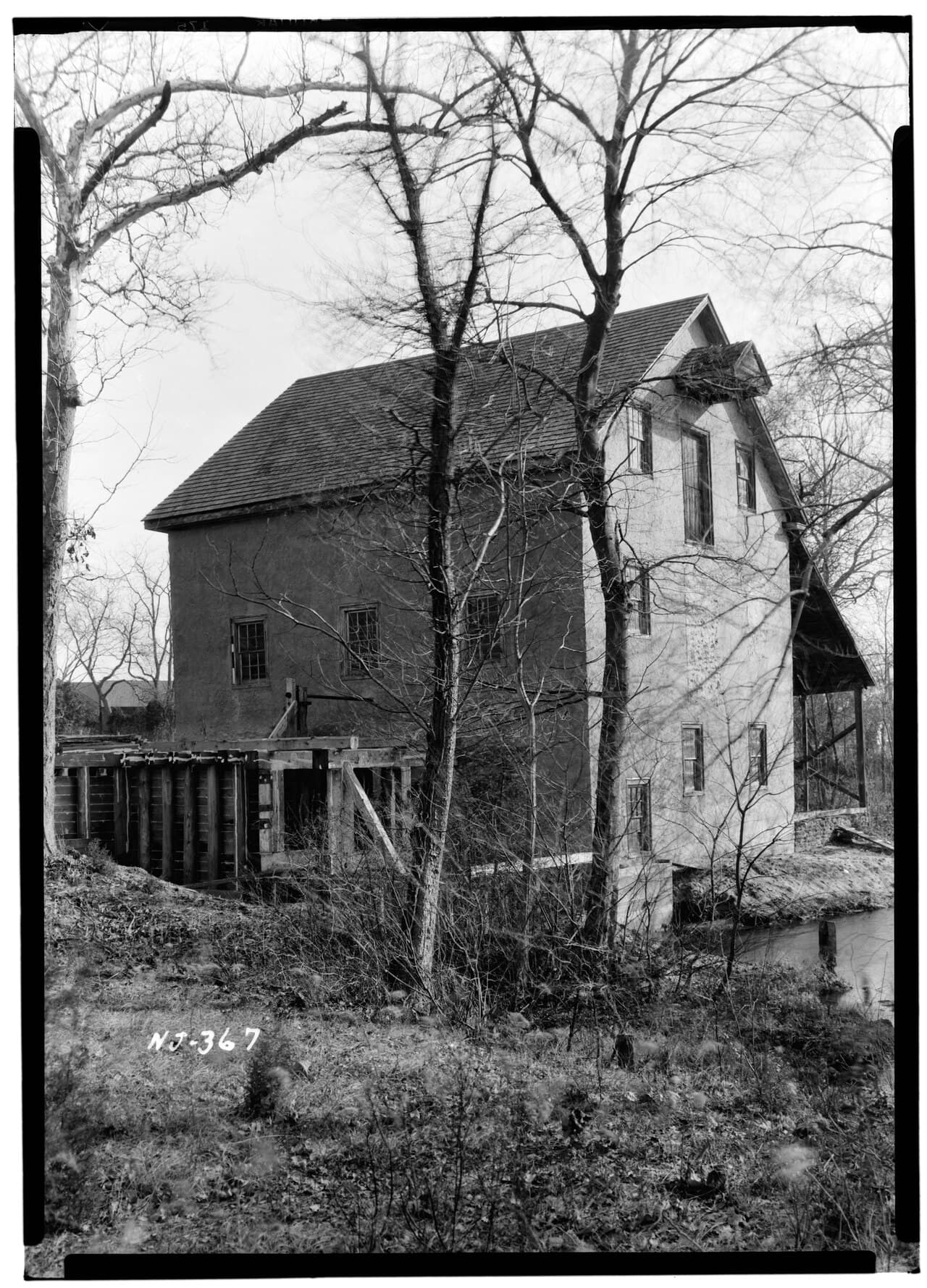
Batsto Village
Unknown / wikimedia (Public domain)
Photograph the mansion's front facade before 10:30am, when the low eastern light is softest and crowds haven't yet arrived.
Wheelchair accessible with flat paths throughout the village center and frequent benches for resting between buildings.
If it rains: Batsto's mansion interior and covered porches stay fully dry — a light rain even enhances the mossy, atmospheric feel of the village, making this an ideal rainy-day plan without alteration.

The day opens gently at Batsto Village, where sandy paths and restored 18th-century buildings set an unhurried tone. Arriving before mid-morning means the mansion, the millrace, and the quiet village green are yours to explore without crowds, the cool interior air a pleasant contrast to the warming spring sun outside.

With the morning's history absorbed, the early afternoon is left open for a slow lunch and quiet rest — pack a picnic to enjoy lakeside on one of the village's frequent benches, watching light shift over Batsto Lake's still surface.

Settle into your lodging near Batsto or Hammonton for an early, easy evening. This is not a region for nightlife — let the day close with the sound of spring peepers and the soft dark of a place with very little light pollution.

Wilderness & Wildflowers

Day 2: Forest Light and Still Water

A relaxed full day within Wharton State Forest, combining an early scenic loop with an accessible afternoon overlook — approximately 2 miles of flat-to-moderate walking.

Wear
Waterproof hiking shoes, a packable rain layer, insect repellent, and a brimmed hat for open bog areas.
Budget
$50–75 per person (parking/day-use fee, lunch, incidentals)
15 min drive — A short, quiet drive deeper into the forest along a two-lane road lined with pitch pine — windows down, the air noticeably cooler and resin-scented.
8:30 AM - 11:30 AM
Wharton State Forest Ā· morning Ā· 180 min Ā· Wharton State Forest Interior

Arrive by 8:30am and the forest is at its most alive — hawks calling overhead, dark cedar-tinted water lying still along the loop trail, spring wildflowers just beginning to push through the sandy soil. This is best approached as a scenic drive with short walks at overlooks rather than a strenuous hike, keeping pace gentle and rest stops frequent.

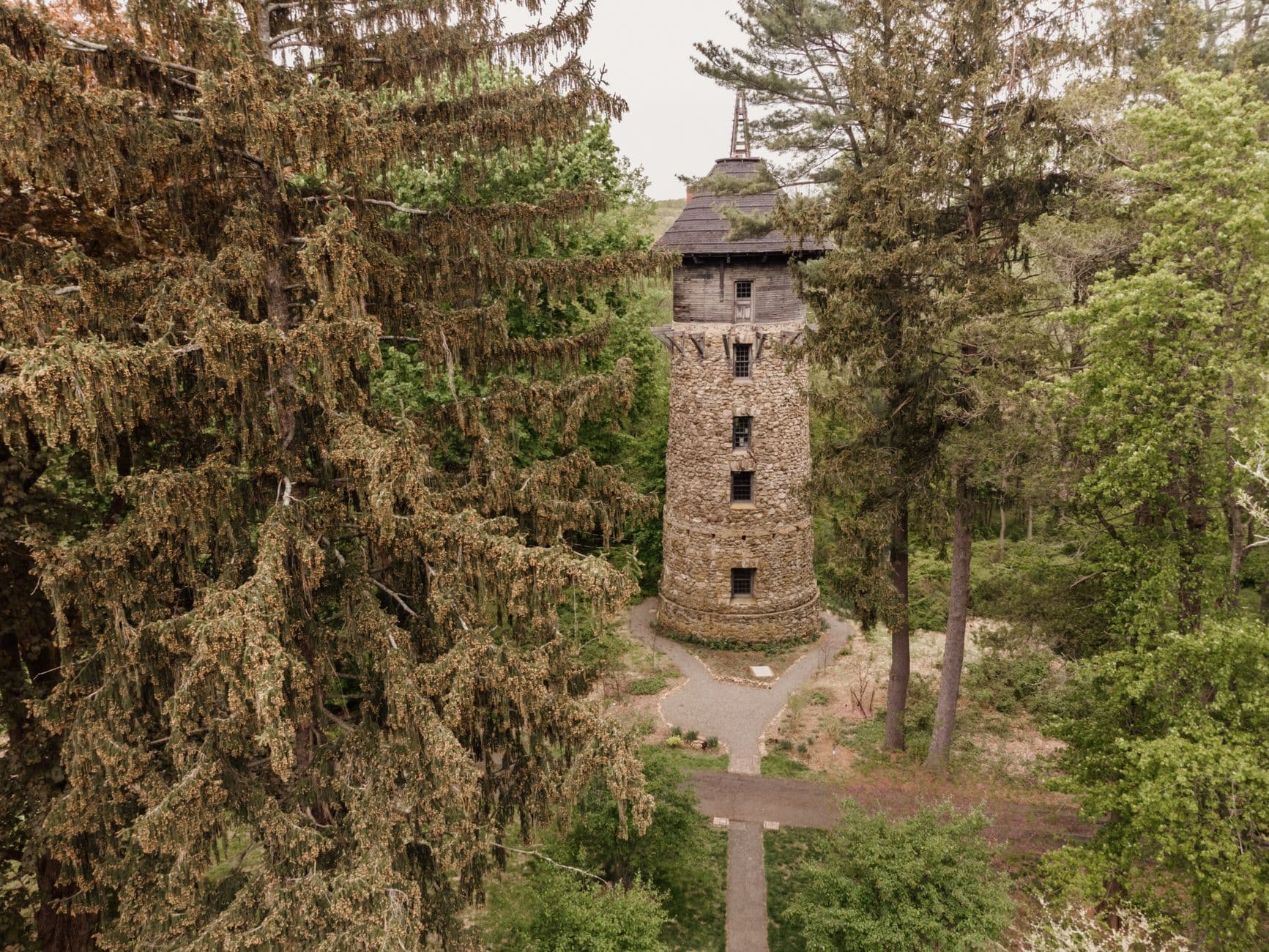
Wharton State Forest
Famartin / wikimedia (CC BY-SA 4.0)
Photograph the misty cedar swamps along Godfrey Bridge Road in the early morning hour for the softest, most atmospheric light.
Paved overlooks near Batsto offer accessible viewing; deeper trail sections are uneven sand and not wheelchair-friendly, so plan to view most of the loop from designated pullouts.
10 min drive — A brief drive along the same sandy-edged road, passing a cranberry bog just beginning to show spring green at its margins.
1:30 PM - 3:00 PM
Wharton State Forest Ā· afternoon Ā· 90 min Ā· Wharton State Forest Interior

After a restful midday break, return to a different stretch of the forest for a lighter afternoon walk near the Mullica River overlooks — the light here turns golden and low by mid-afternoon, catching the water's dark surface and the twisted silhouettes of cedar. Benches are sparse in this cluster, so plan rest stops at the car if legs tire.

Wharton State Forest
Famartin / wikimedia (CC BY-SA 4.0)
Mullica River overlooks photograph best in the two hours before sunset, when the water catches warm light between the cedars.
Terrain here is uneven and not wheelchair accessible; suitable for those comfortable with short, unpaved walks and uneven footing.
Optional detour: Ong's Hat Historic Site — After the morning Wharton State Forest loop and before the afternoon Mullica River stop
A hauntingly quiet detour into an overgrown ghost-town site, appealing to those drawn to atmospheric history and near-total solitude. Skip if: The uneven, root-strewn terrain and complete lack of benches make it a poor fit if today's walking budget is already stretched, or if rain has left the ground soft.
If it rains: If rain moves in, retreat to Batsto Village's indoor museum buildings within the same general area, or simply enjoy a slow scenic drive through the forest from the comfort of the car — heavy rain makes Wharton's trails muddy and best avoided on foot.

Morning begins early and unhurried, with the forest's cooler air and quieter light making the first hour the most rewarding. A gentle loop drive punctuated by short walks at scenic pullouts keeps the pace easy while still delivering the hush and scale that make Wharton feel genuinely wild.

After a relaxed midday pause, the afternoon shifts toward the Mullica River's quieter overlooks, where the light turns warm and low. This is a shorter, lighter walk than the morning's loop, deliberately paced to avoid fatigue and to let the golden hour do the work.

As the light fades, head back toward Hammonton or your lodging for a calm, unhurried dinner — the Barrens themselves go quiet after sunset, and the evening is best spent reflecting on the day's stillness rather than seeking out entertainment.

Want to tweak this trip?

Our AI planner can customize this itinerary to your exact dates, interests, and travel style.

Customize This Itinerary
Good to Know

Restaurant details (hours, menus, availability) change frequently. Check current hours before visiting, especially in seasonal destinations.

Dietary compatibility tags are general guidance. If you have severe allergies, confirm directly with the restaurant.

Travel tips are general guidance, not professional safety advice. Check government advisories for latest information.

All prices are approximate and may vary seasonally.
We use cookies to improve your experience and analyze site usage. Essential cookies are always active. You can customize your preferences or accept all cookies. Cookie Policy