3 DaysSolo Traveler7 Stops

Pine Barrens (East/Central), New Jersey

3-Day Itinerary for Solo Traveler

Sandy Roads & Still Water: 3 Days Alone in the Pine Barrens

Sandy Roads & Still Water: 3 Days Alone in the Pine Barrens

Somewhere past the last strip mall, the road turns to sand and the pines close in overhead like a held breath. This is a landscape built for solitude — dark cedar water, crumbling foundations swallowed by moss, and a silence so complete you can hear your own footsteps change the forest. Spring here means wildflowers pushing through sand, mist rising off the bogs, and just enough shoulder-season quiet to make the whole place feel like yours.

At a Glance

Climate & Weather
Spring days run mild (50–65°F) with cool mornings and a real chance of afternoon showers; nights can dip into the 40s. Pack waterproof layers, a warm base layer for dawn starts, and sturdy trail shoes that can handle sand and mud. Insect repellent is non-negotiable even in spring — mosquitoes wake up early here.
Getting Around
A rental car is essential — there is no public transit within the Barrens, and many interior roads are unpaved sand tracks that require a confident driver (avoid low-clearance cars after heavy rain). Distances between clusters run 20–40 minutes; fill your gas tank before heading into the interior, as stations thin out fast.
Budget
Budget roughly $45–70/day for a solo traveler — this covers a canoe rental split with the outfitter, modest village admission fees, picnic supplies or a casual meal in Hammonton, and gas for driving between clusters.
Safety
This is very low-crime, low-hassle wilderness travel, but it's genuinely remote — cell service drops out for stretches, sandy roads can strand a car after rain, and trails aren't always well-marked. Solo travelers should tell someone their route each day, carry a paper map or offline GPS, wear bright clothing during hunting-adjacent seasons, and stay alert for (rare) copperheads sunning on trails. Always let someone know your paddling put-in and take-out times.
Connectivity
Spotty to nonexistent inside the forest interior — download offline maps before you leave Hammonton or Batsto's parking areas, and treat any signal you get as a bonus, not a given.
Local Tips
1) Arrive at Batsto before 9am on weekdays — by midday, tour buses and photographers crowd the mansion facade. 2) Solo paddlers should book Oswego River trips with an outfitter that offers shuttle service back to your car, and go on a weekday for near-total solitude on the water. 3) Bring cash for small honor-system farmstands on the way in and out — the Barrens' food culture runs on cranberries, honey, and preserves, not menus.

Highlights

  • Wander the frozen 18th-century ironworks village of Batsto at golden hour
  • Paddle the tea-dark, mirror-still Oswego River through cedar swamp
  • Search out the crumbling foundations and legends of Ong's Hat
  • Watch mist lift off Oswego Lake's cedar boardwalks at dawn
  • Picnic beside cranberry bogs in New Jersey's largest forest preserve
  • Photograph reflections of gnarled pines in still, dark water

Day-by-Day Plan

Orientation, gentle history

Day 1: Arrival & the Quiet Village

A light first day easing into the Barrens' slow rhythm with roughly 2 miles of flat walking around Batsto Village and its lake trails.

Wear
Layers for cool morning air warming into a mild afternoon, comfortable walking shoes fine for gravel and packed dirt, a light rain shell just in case.
Budget
$35–45 (village admission, picnic lunch, coffee)
9:00 AM - 11:00 AM
Batsto Village · morning · 120 min · Batsto Historic Village & Lake

Arrive as the gates open and the gravel paths are still damp with dew — the mansion's brick facade glows amber against dark pines, and for the first hour it's just you, the birdsong, and the creak of old floorboards. This is the gentlest possible introduction to the Barrens: flat paths, interpretive signage, and enough quiet corners to actually feel the weight of two centuries of iron-making history settle in.
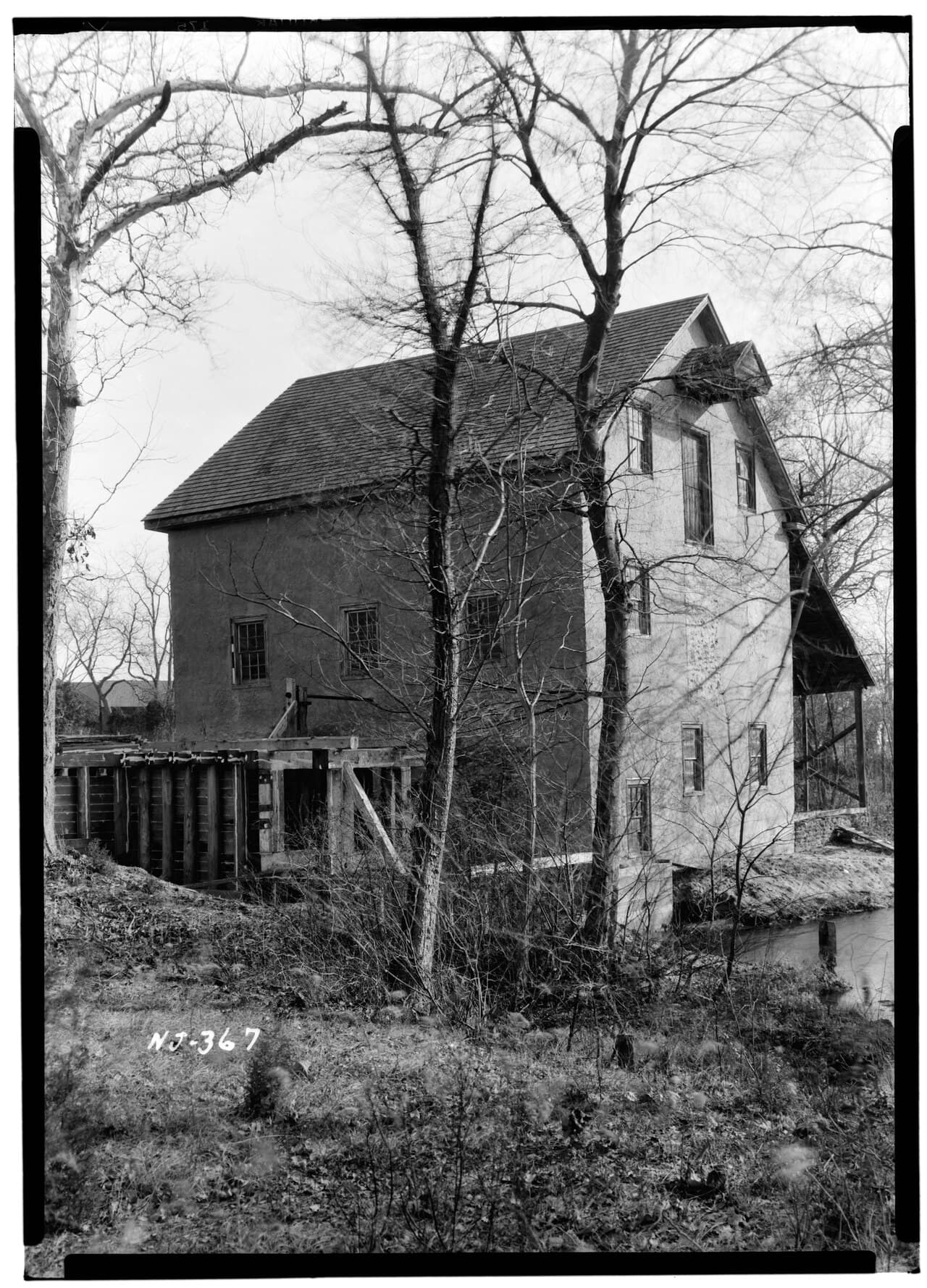
Batsto Village
Unknown / wikimedia (Public domain)
Shoot the mansion facade before 10am while the light is soft and the parking lot is still empty — by midday, tour groups fill the frame.
Fully wheelchair accessible with flat gravel paths and frequent benches throughout the village core.
10 min driveA short hop down a sandy access road, windows cracked to let in the resin-and-moss smell of the forest
12:30 PM - 2:30 PM
Wharton State Forest · afternoon · 120 min · Wharton State Forest Interior

A short scenic drive drops you at the edge of New Jersey's largest forest, where a gentle loop trail near Batsto Lake offers reflections of twisted cedars and the occasional red-tailed hawk overhead. Keep this stretch easy — a slow ramble rather than a hike — letting the sheer scale of unbroken pine sink in without pushing your legs too hard on day one.

Wharton State Forest
Famartin / wikimedia (CC BY-SA 4.0)
Batsto Lake mirrors the cedars best in the hour before sunset, but midday still offers strong reflections if the water's calm.
Loop trail near the lake has some uneven, sandy sections — not fully wheelchair accessible, but manageable with sturdy shoes.
Optional detour: Ong's Hat Historic SiteAfter Wharton State Forest and before evening rest
For solo travelers craving genuine solitude, the crumbling foundations and lost-village legend offer an eerie, photogenic detour few visitors ever find. Skip if: Skip on day one if energy is low — the site's uneven, root-strewn terrain and total lack of shade or benches make it better suited to day two once you're acclimated.
If it rains: If rain moves in, spend extra time in Batsto Village's mansion and outbuildings — most have covered porches or fully dry interiors, and light rain actually deepens the mossy, atmospheric quality of the site.

The day opens slow and deliberate at Batsto Village, arriving early enough that the gravel paths are still empty and the mansion's brick facade catches the first warm light of the morning. There's no rush here — wander the blacksmith shop, the general store, the workers' cottages, letting the hush of the place set the pace for the whole trip.

After a picnic near the lake, the pace shifts only slightly — a short drive into Wharton State Forest proper for an easy loop trail that skirts the water's edge. This is scale, not exertion: towering pines, dark reflective water, and the sense of just how much wild land surrounds this one restored village.

With no dining data mapped directly to these sites, plan to head toward Hammonton or pack a simple dinner for your lodging — the Barrens interior goes dark and quiet fast, and turning in early here feels less like missing out and more like matching the forest's own rhythm.

Paddling and lost places

Day 2: Deep Water, Deeper Quiet

The most active day of the trip, combining a 3-hour paddle on the Oswego River with an atmospheric detour to Ong's Hat, totaling light walking of under 2 miles plus time on the water.

Wear
Quick-dry layers, a warm mid-layer for the cool water reflection off the river, closed-toe water shoes, sun protection, and a dry bag for your phone and camera.
Budget
$50–65 (canoe/kayak rental, snacks, gas)
8:00 AM - 11:00 AM
Oswego River Canoe Trail · morning · 180 min · Wharton State Forest Interior

Launch early, while the river is glassy and empty — the water here runs the color of strong tea, mirroring cedar canopy so perfectly that up and down blur together. This is the single best solo experience in the whole itinerary: no conversation required, just paddle strokes, the occasional heron lifting off ahead of you, and pitcher plants crowding the banks. Outfitters offering shuttle service back to your car make this manageable without a travel partner.

Oswego River Canoe Trail
Photo by Kamshotthat on Pexels
Launch at sunrise for still-water reflections — by mid-morning, wind ripples the surface and the mirror effect disappears.
Not wheelchair accessible; requires basic paddling ability and comfort getting in/out of a canoe or kayak unassisted.
25 min driveA quiet stretch of sandy road with no other cars in sight, pines pressing close on both sides
1:00 PM - 2:30 PM
Ong's Hat Historic Site · afternoon · 90 min · Wharton State Forest Interior

After the openness of the river, the density here feels deliberate — vine-choked brick foundations half-swallowed by forest, and a silence broken only by wind through the canopy. Solo travelers tend to linger longest here; there's no crowd to hurry you along, just space to piece together the lost-village legend from crumbling clues in the undergrowth.

Ong's Hat Historic Site
Photo by Joel Zar on Pexels
Midday light filters best through the canopy here, dappling the brick ruins — avoid overcast days if photography is a priority.
Not recommended for those with mobility limitations; uneven ground, no benches, and no clear trail markers.
Optional detour: Batsto VillageAfter Ong's Hat and before evening rest
A return visit for late-afternoon light on the mansion facade offers a completely different mood than the morning crowd-free version — quieter still, golden, and reflective. Skip if: Skip if you're paddled-out and craving rest — the village rewards fresh legs and attention more than tired ones.
If it rains: Heavy rain raises river levels and current speed — postpone the Oswego paddle and instead drive the scenic loops through Wharton State Forest from the dry comfort of your car, or revisit Batsto Village's indoor museum buildings.

The day's centerpiece comes early: a solo paddle down the Oswego River while the water is at its stillest and darkest, cedar reflections doubling the forest overhead. It's contemplative, physical, and completely private — the kind of morning that makes the whole trip's remoteness feel like a gift rather than an inconvenience.

The mood shifts from open water to closed-in mystery at Ong's Hat, where the pace slows to a wander through overgrown foundations and half-legend, half-history. It's a deliberate contrast — wet openness in the morning, dry shadowed density in the afternoon — and solo travel suits both equally well.

With interior dining sparse, plan to drive toward Hammonton for dinner and evening amenities; the town's more social atmosphere — communal tables and local joints — offers a good chance to trade trail notes with other travelers after a day spent mostly in silence.

Northern forest and farewell

Day 3: Mist, Bogs, and the Long Way Home

A calmer final day exploring the northern Pinelands' cedar swamps and cranberry bog views, with roughly 2.5 miles of easy-to-moderate walking before departure.

Wear
Waterproof boots for potentially muddy swamp boardwalks, a warm layer for the cool dawn mist, and a packable rain jacket given spring's unpredictable afternoon showers.
Budget
$30–40 (breakfast supplies, gas, farmstand snacks)
40 min driveA longer drive north through changing forest character, sandy tracks giving way to slightly more traveled roads as you near the visitor center
7:30 AM - 10:30 AM
Brendan T. Byrne Forest · morning · 180 min · Brendan T. Byrne Forest & Northern Pinelands

Arrive at first light, when mist still clings to the cedar swamp boardwalks and the forest is at its most austere and beautiful — gnarled pines silhouetted against a pale sky, woodpeckers the only sound. By 7:30am you'll likely have the boardwalks entirely to yourself; by mid-morning, weekend hikers start to trickle in, especially in spring. This is the trip's best solo photography window, and its final immersive wilderness moment before the drive home.

Brendan T. Byrne Forest
Famartin / wikimedia (CC BY-SA 3.0)
Shoot the cedar swamp boardwalks in the first hour of light, when mist is thickest and the water holds a silver sheen.
Flat entry areas near the visitor center are manageable for limited mobility, but deeper trail sections are uneven and sandy.
Optional detour: Batsto VillageBefore departure, if time allows after Brendan T. Byrne Forest
One last walk through the village commons offers a bookend feeling — quiet, familiar, and a good place to reflect before the drive out. Skip if: Skip if you're tight on time for your flight or drive home — the forest morning is the stronger, more essential experience of the two.
If it rains: If rain sets in, trails become muddy and swamp-logged — stick to the shorter loops near the visitor center, which stay passable, or treat the morning as a scenic drive-through instead of a hike.

The final morning belongs entirely to mist and cedar — an early start rewards you with boardwalks wrapped in fog and a stillness that feels almost private property. It's the quietest, most meditative stop of the whole trip, fitting for a last wilderness morning before the return to pavement and traffic.

With the forest behind you, the day eases toward departure — time for a last stop at a roadside farmstand for honey or cranberry preserves, or a final unhurried walk if the schedule allows, before pointing the car back toward the highway and the ordinary world.

By evening you'll likely be back near Philadelphia or Newark, the sandy roads and dark water already feeling like a dream half-remembered — the kind of trip that lingers precisely because it asked so little and gave so much quiet in return.

Want to tweak this trip?

Our AI planner can customize this itinerary to your exact dates, interests, and travel style.

Customize This Itinerary
Good to Know

Restaurant and dining details change frequently, especially in a region with sparse, seasonal food options; confirm hours and availability before relying on any specific spot.

Dietary compatibility tags are general guidance only. If you have severe allergies, confirm directly with any vendor or restaurant before ordering.

Travel and safety tips here are general guidance, not professional advice — check current New Jersey state park advisories, weather conditions, and trail closures before you go.

All prices are approximate estimates and may vary seasonally or with rental/outfitter availability.
We use cookies to improve your experience and analyze site usage. Essential cookies are always active. You can customize your preferences or accept all cookies. Cookie Policy