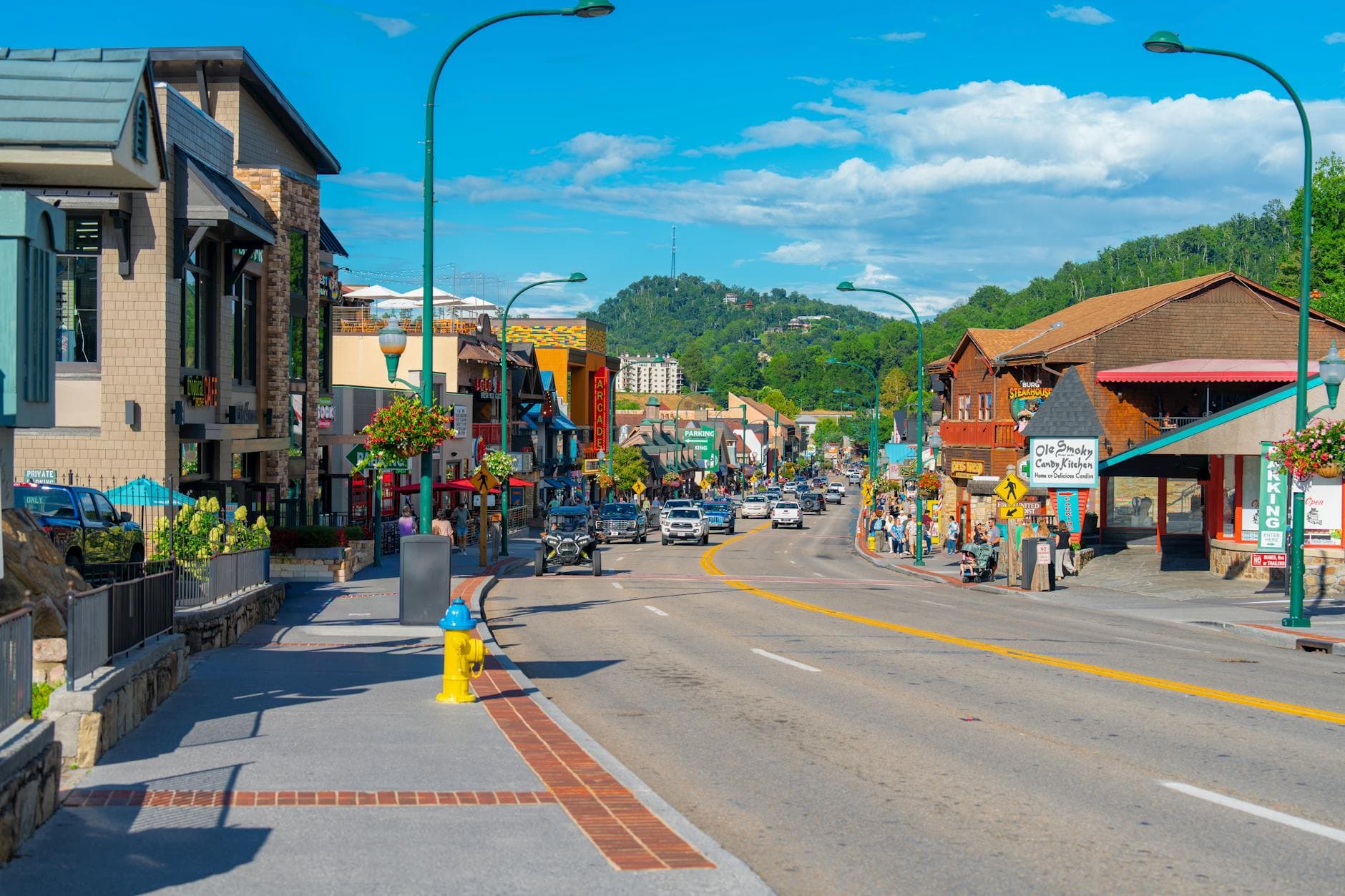
Big South Fork NRRA, Tennessee
2-Day Itinerary for Solo Traveler
“Gorge Light & Quiet Trails: 2 Days Solo in Big South Fork”
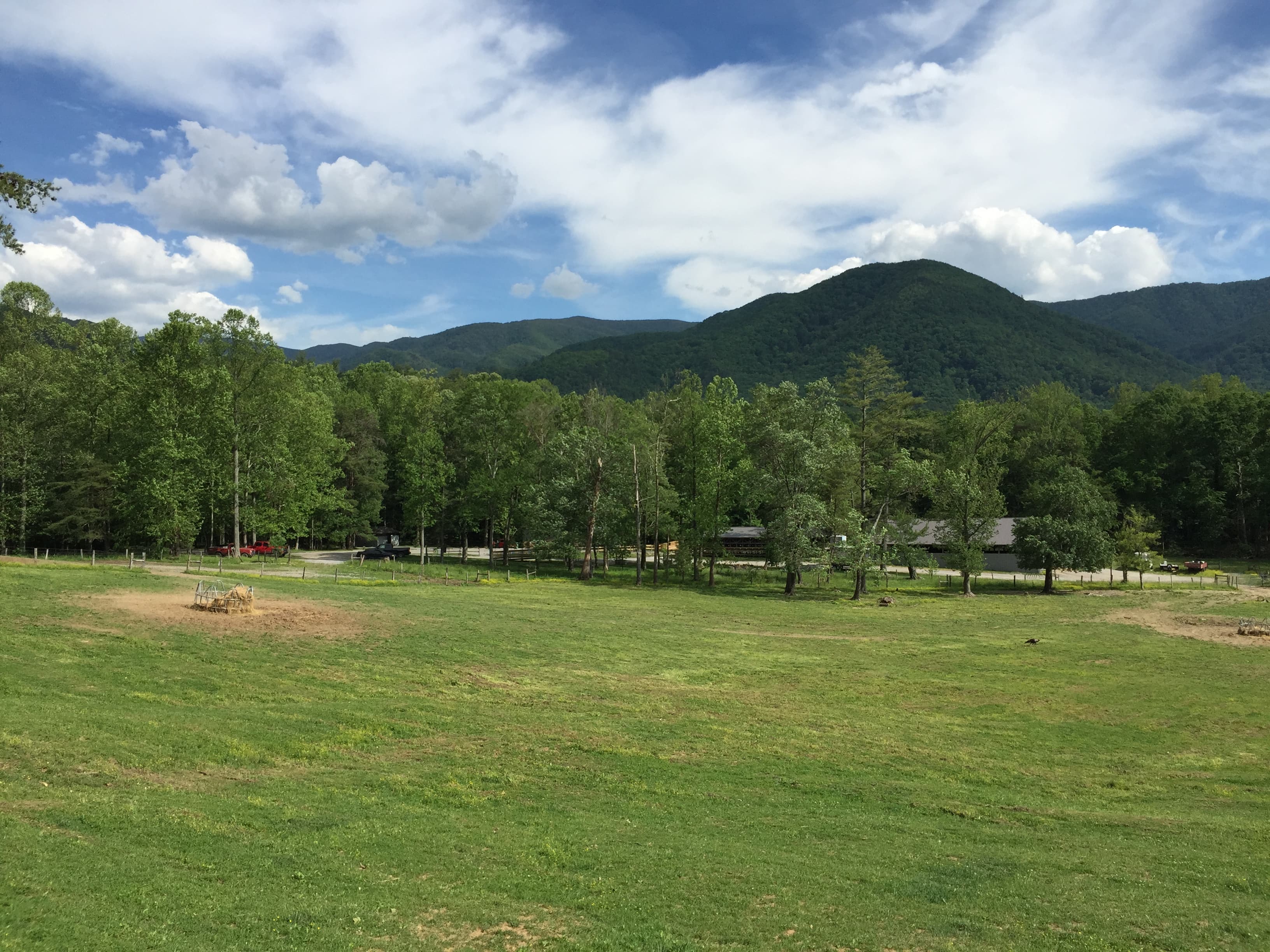
The gorge opens slowly here — mist rising off sandstone cliffs, a creek talking to itself over smooth stone, wildflowers pushing up through last year's leaf litter. This is wilderness that rewards patience and solitude, which makes it ideal territory for a traveler moving at their own pace.
At a Glance
Highlights
- Dawn light on the rust-colored cliffs above Bandy Creek
- A vintage rail journey deep into the gorge, no driving required
- Standing beneath the twin stone portals of Twin Arches before the crowds arrive
- A hemlock-sheltered waterfall most visitors never find
- Spring wildflowers carpeting the forest floor along quiet trails
- Early-morning solitude that's hard to find in peak season parks
Day-by-Day Plan
Day 1: Arrival & First Light at Bandy Creek
A lighter first day easing into the park's rhythm with a creekside walk and a scenic train ride through the gorge, totaling roughly 2.5 miles of walking at a relaxed pace.
Arrive by 8am and the creek is nearly silent except for water over stone — a gentle way to get your bearings after travel. The cool, earthy smell of the forest after overnight rain mixes with the mineral tang of the water, and towering rust-colored cliffs rise on either side like a held breath. Solo travelers will find this an easy, low-stakes first outing — the trails are short enough to feel manageable but scenic enough to feel like you've arrived somewhere wild.

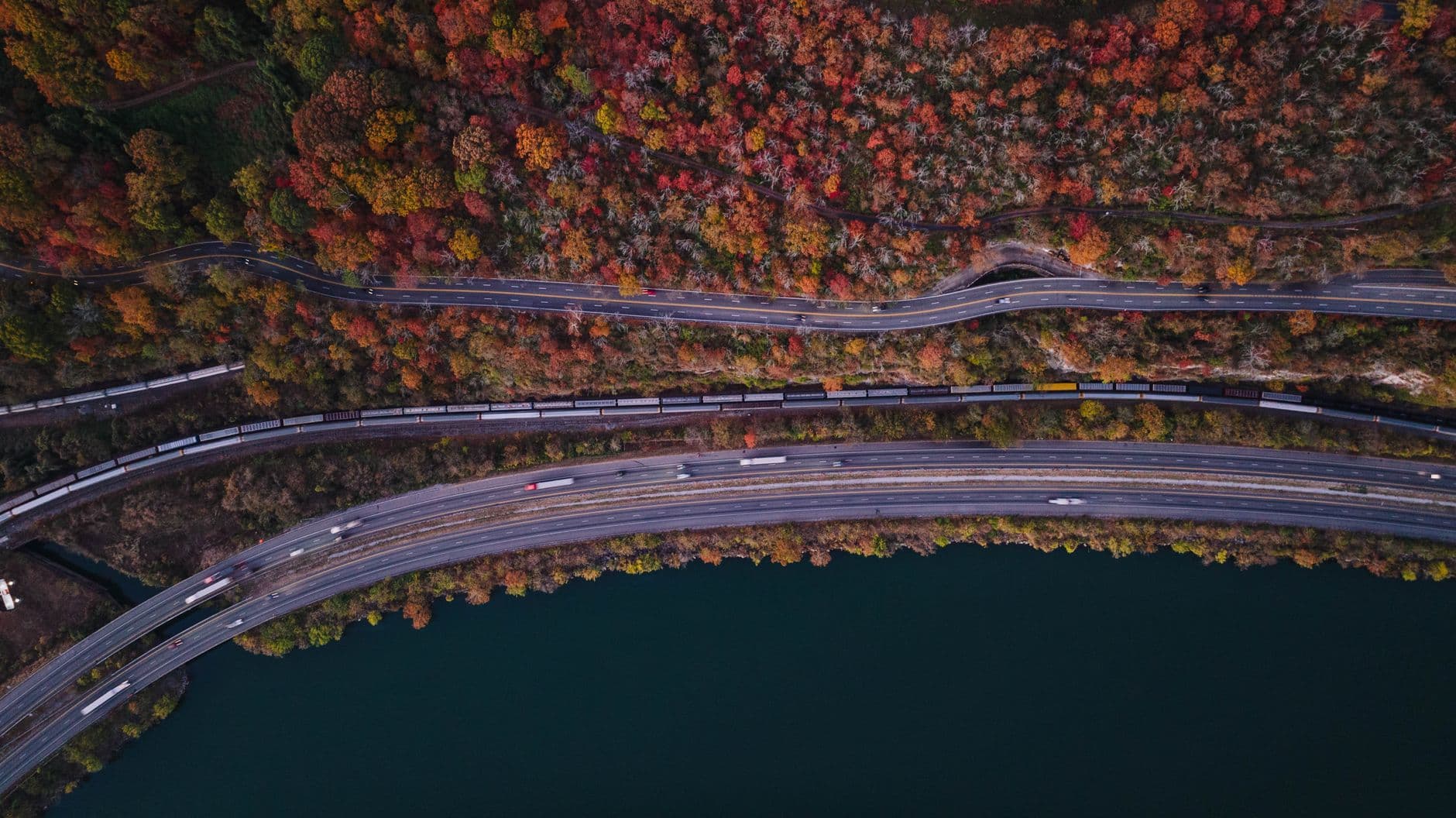
Trade hiking boots for a train seat and let the gorge come to you — the rhythmic clack of rails, diesel smoke drifting past the windows, and the vertiginous sight of the river far below through rock walls glowing amber and rust. The observation car is a natural spot to strike up conversation with fellow solo travelers, and the slower pace makes for an easy midday reset after the morning's walk. Trestle crossings reveal the canyon floor in dramatic fashion — have your camera ready.
Ease into the park with a quiet walk along Bandy Creek, where the water moves over smooth rock beneath cliffs that seem to lean in close. The air smells like rain-soaked earth, and with few other visitors around this early, it's a gentle, grounding start to the trip.
Shift gears from walking to riding as the Big South Fork Scenic Railway carries you deep into the gorge without the effort of a trail. The train's steady rhythm and sweeping canyon views make for an easy midday experience, and the open observation car is a natural place to chat with other travelers taking in the same view.
With no evening stops scheduled, use the remaining daylight to settle into your accommodation, restock water and snacks for tomorrow's longer day, and get to bed early — the gorge rewards those who rise with it.
Day 2: Twin Arches & the Hidden Waterfall
A moderate-effort day covering roughly 5-6 miles on foot through dramatic rock formations and a hemlock-shaded waterfall trail, best suited to a solo hiker's pace.
Arrive by 7:30am and you'll likely have the arches entirely to yourself — the cool shade, the smell of damp earth and moss, water trickling somewhere unseen through the rock. Standing beneath both stone portals together, rising from the forest floor, is the kind of moment that's hard to photograph fully but easy to simply stand in for a while. By 9am the moderate foot traffic picks up, especially on spring weekends, so this early window is worth the wake-up call.
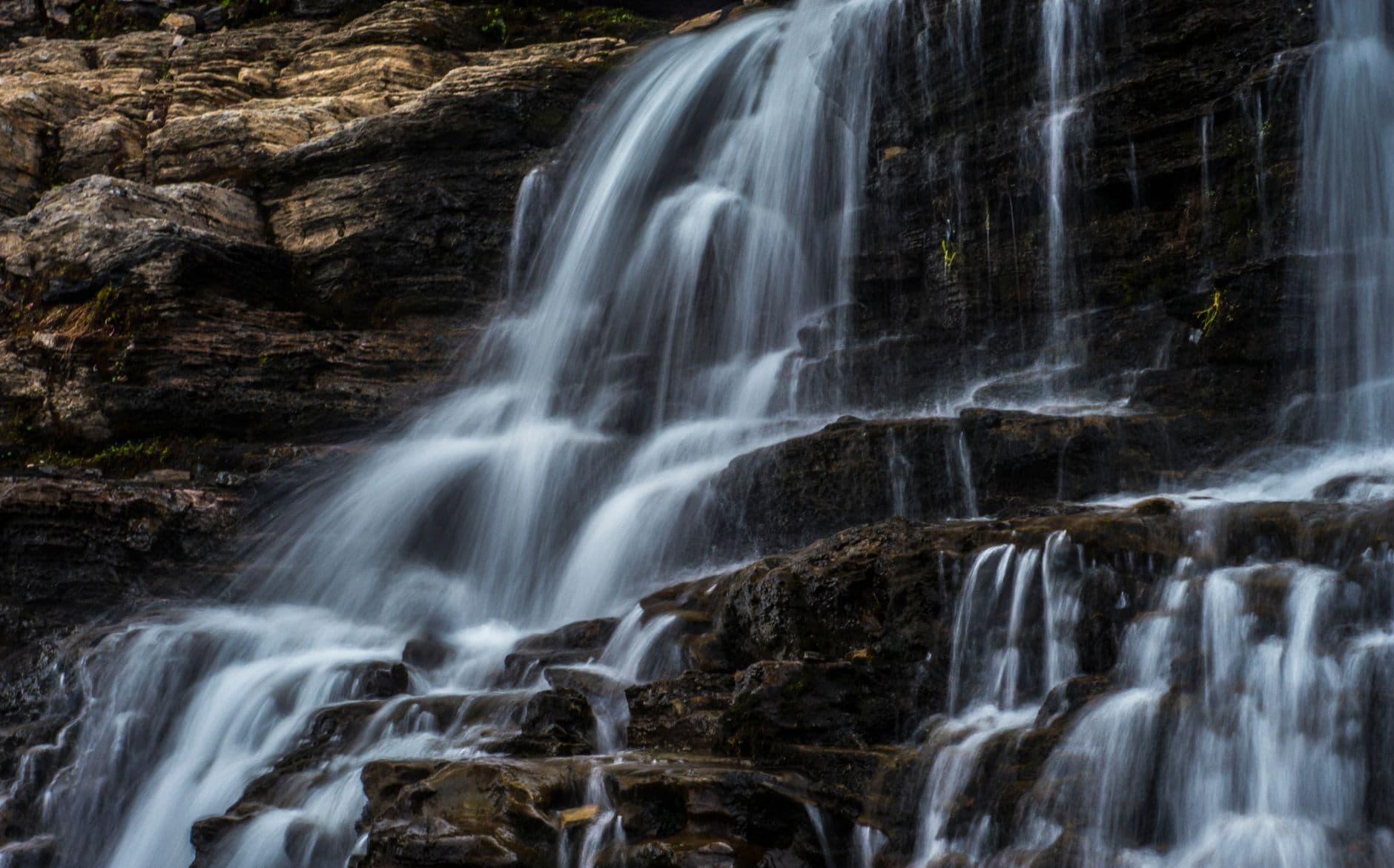
This is the day's centerpiece for solo wilderness seekers — a hemlock-sheltered waterfall sanctuary that trades the moderate crowds of the main gorge trails for near-total solitude, especially on a weekday. The thundering rush of water echoes off rock walls, cool mist settles on your skin, and the trail's damp, moss-covered stone demands careful footing but rewards with some of the park's best light, especially at the upper pool where morning sun filters through mist. Pack a trail lunch — this is remote enough that you'll want to be self-sufficient for the stretch.
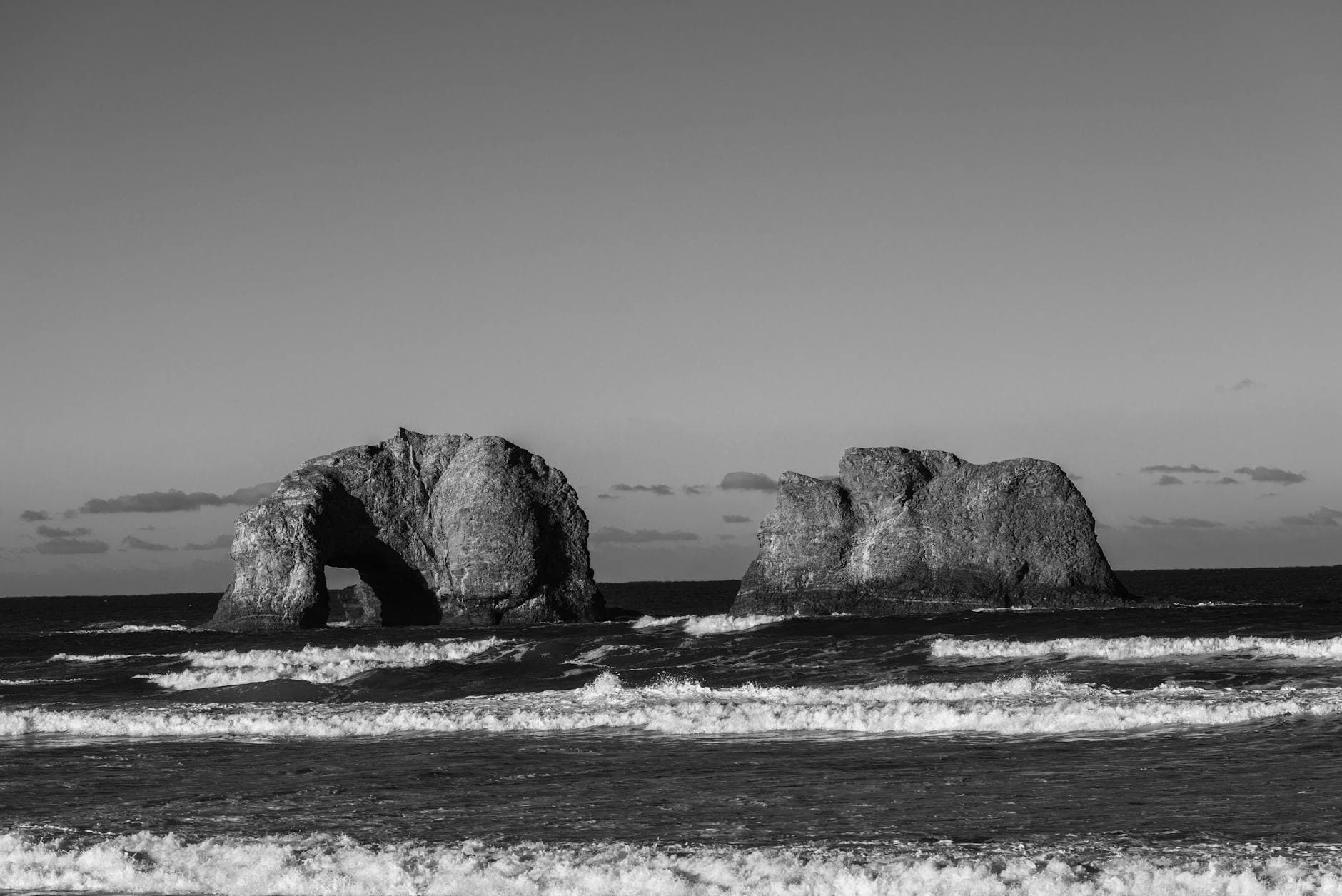
Beat the crowds to Twin Arches while the forest is still cool and quiet, the stone portals rising from the understory like something out of an old story. Few other visitors are around this early, and the trickle of unseen water and smell of damp moss make it feel like a private discovery.
The pace shifts from a short, contemplative stop to a longer, more immersive hike into Laurel Creek Gorge, where hemlocks shelter a waterfall that most park visitors never see. Pack a lunch and settle in for several hours of trail time, mist on your skin and the roar of falling water as a constant companion — one of the quietest, most rewarding stretches of the whole trip.
With the day's hiking done, head back toward lodging for a wind-down evening — tired legs and a satisfied, slightly damp kind of contentment are the markers of a good gorge day. Turn in early; the rural rhythm here means most services close by 8-9pm, and an early night sets you up well for the drive out tomorrow.
Want to tweak this trip?
Our AI planner can customize this itinerary to your exact dates, interests, and travel style.
Customize This ItineraryRestaurant and dining venue details change frequently and verified options were limited for this remote itinerary; always check current hours and availability before relying on a specific spot, and consider packing trail meals as a backup.
Dietary compatibility tags are general guidance. If you have severe allergies, confirm directly with any restaurant before dining.
Travel tips are general guidance, not professional safety advice. Check current park conditions, water levels, and weather advisories before setting out, especially solo.
All prices are approximate and may vary seasonally.