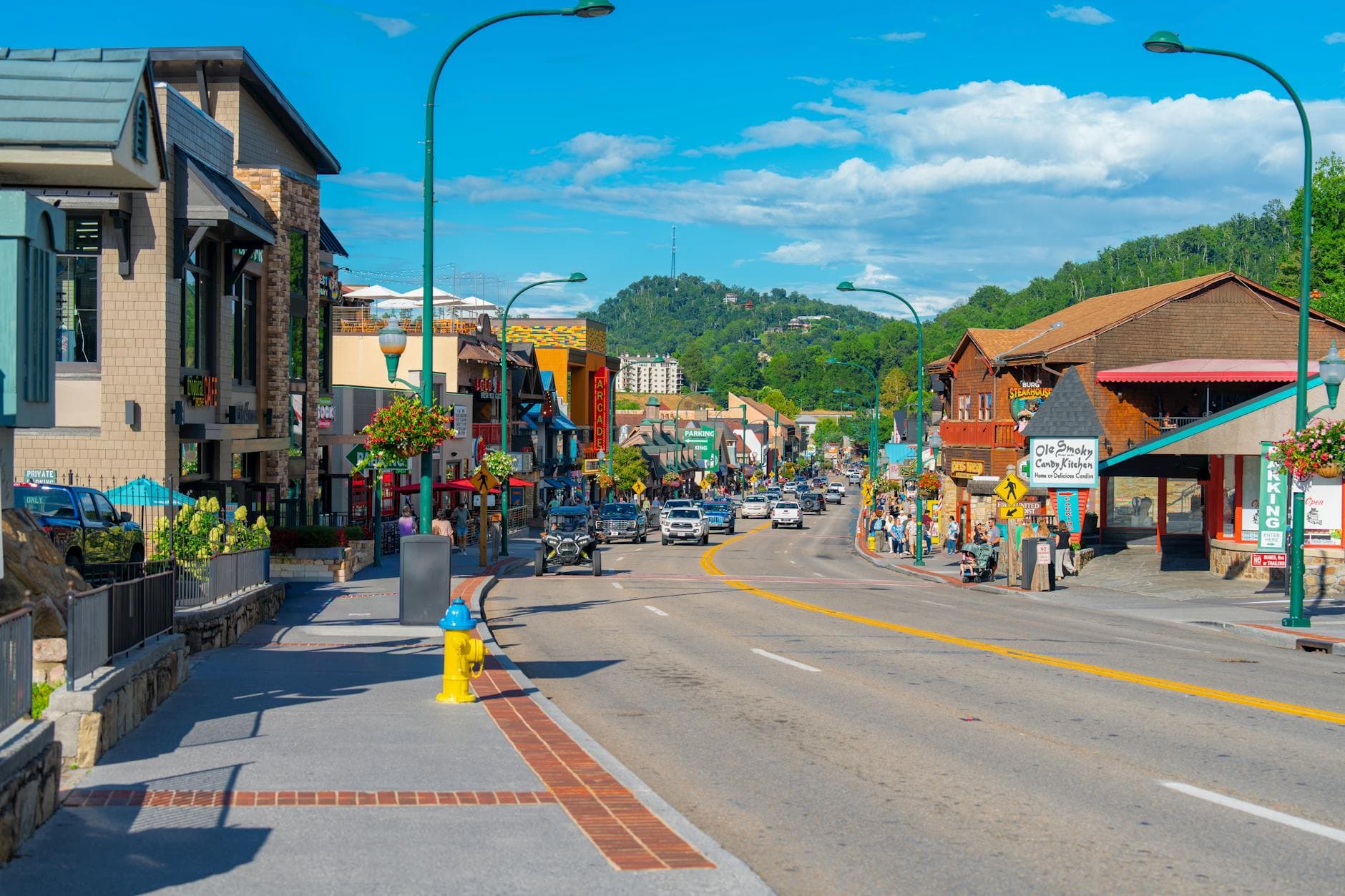
Big South Fork NRRA, Tennessee
2-Day Itinerary for Active Retirees
“Gorge Light & Quiet Trails: Two Days in Big South Fork”
Spring here arrives in layers — mist pooling in the gorge at dawn, redbud blossoms catching the light, the Big South Fork running high and loud with snowmelt. This is a landscape that rewards unhurried attention, and two days spent moving slowly through its edges will reveal more than any rushed checklist ever could.
At a Glance
Highlights
- Rust-colored cliffs rising over Bandy Creek at first light
- A nostalgic rail journey deep into the gorge with no walking required
- Twin Arches framed through spring-green hemlock
- Quiet, bench-lined overlooks away from weekend crowds
- Wildflower-dotted trailside views without strenuous elevation
- Early-morning solitude before shoulder-season crowds arrive
Day-by-Day Plan
Day 1: Settling Into the Gorge
A gentle introduction to Big South Fork's main gateway, with a scenic rail journey and a short creekside stroll — under 1.5 miles of easy walking total.
Settle into a cushioned seat as the train eases out of the station, diesel smoke curling past the windows and the rhythmic clack of rails setting an unhurried pace for the morning. The gorge opens below in layers of amber and rust sandstone, with the river threading impossibly far beneath the trestle crossings — a rewarding way to take in the canyon's scale without a single step of strenuous hiking. Arrive by 9am for the first departure and you'll find the platform calm and the observation car uncrowded; by midday, weekend traffic picks up considerably.

After lunch, a short walk brings you to the creek itself — cool water lapping over smooth stones, the earthy smell of damp forest, and cliffs rising quietly overhead. This is a gentle, low-commitment stop best suited to a slow look and a few photographs rather than deep exploration, with benches scattered near the main confluence for resting. Weekday afternoons stay noticeably quieter than weekend crowds, so a 1:30pm arrival midweek should feel peaceful.

The day begins gently, with a seat on the scenic railway as it winds into the gorge — no strenuous walking required, just the steady clack of rails and the slow reveal of sandstone walls glowing amber in the morning light. This is an ideal first encounter with the park's scale, letting you absorb the landscape's drama without expending much physical effort on arrival day.
Midday eases into a short, unhurried visit to Bandy Creek itself, where cool water and quiet cliffs offer a contemplative contrast to the train's forward motion. Keep this stop brief and restful — a chance to stretch your legs on level ground near the confluence before settling in for the evening.
With the day's main activity behind you, evening is best spent settling into lodging and resting ahead of tomorrow's slightly more active day. Given the area's quiet, early-to-bed rhythm, aim to wind down well before 8pm.
Day 2: Arches and Ancient Stone
A morning visit to the iconic Twin Arches followed by an afternoon at the historic cabin district, with roughly 2 miles of light, uneven walking.
Arrive by 8am and the twin stone portals rise from the forest in near silence, cool shade pooling beneath the overhangs and the smell of damp earth and moss thick in the air. This is a geological showpiece best enjoyed slowly — take time to look up through both arches together from the main trail, resting on the sparse benches where available. By mid-morning, weekend foot traffic picks up noticeably, so an early, unhurried visit rewards with near-total solitude.
After a midday rest, the afternoon shifts to a quieter, more contemplative pace among Depression-era stone cabins, their rough-hewn walls and deep forest setting offering a strong sense of place and history. This stop suits a slower, cultural-interest pace well — wander the cluster view near the park center, and take time with the architectural details of fireplaces and timber beams. Weekday mornings are quietest, but a midday weekday visit should still feel calm.

The morning begins with an early arrival at Twin Arches, where cool shaded stone and quiet forest set a contemplative tone well before any crowds appear. Take this slowly — there's no need to rush the short trail, and the formation rewards patient, close observation of its weathered texture and scale.
After a relaxed midday break, the pace shifts toward cultural depth at the historic cabin district, trading geological drama for a quieter, more reflective encounter with mountain history. The drive between stops is longer than usual, so treat it as part of the day's scenery rather than a rushed transition.
With two substantial stops behind you, evening calls for an early, unhurried wind-down — settle in well before the 8pm mark, in keeping with the area's quiet rural rhythm and the gentle fatigue of a full day outdoors.
Want to tweak this trip?
Our AI planner can customize this itinerary to your exact dates, interests, and travel style.
Customize This ItineraryRestaurant details, including hours and availability, change frequently in this remote area — confirm current information before planning meals around any specific venue.
Dietary compatibility information is general guidance only; travelers with severe allergies should confirm directly with any dining establishment.
Travel and safety tips here are general guidance, not professional advice — check current park conditions and government advisories before your visit.
All prices are approximate estimates and may vary seasonally or with availability.