Big South Fork NRRA, Tennessee
2-Day Itinerary for Couples
“Arches, Mist, and Amber Light: Two Days in the Big South Fork”
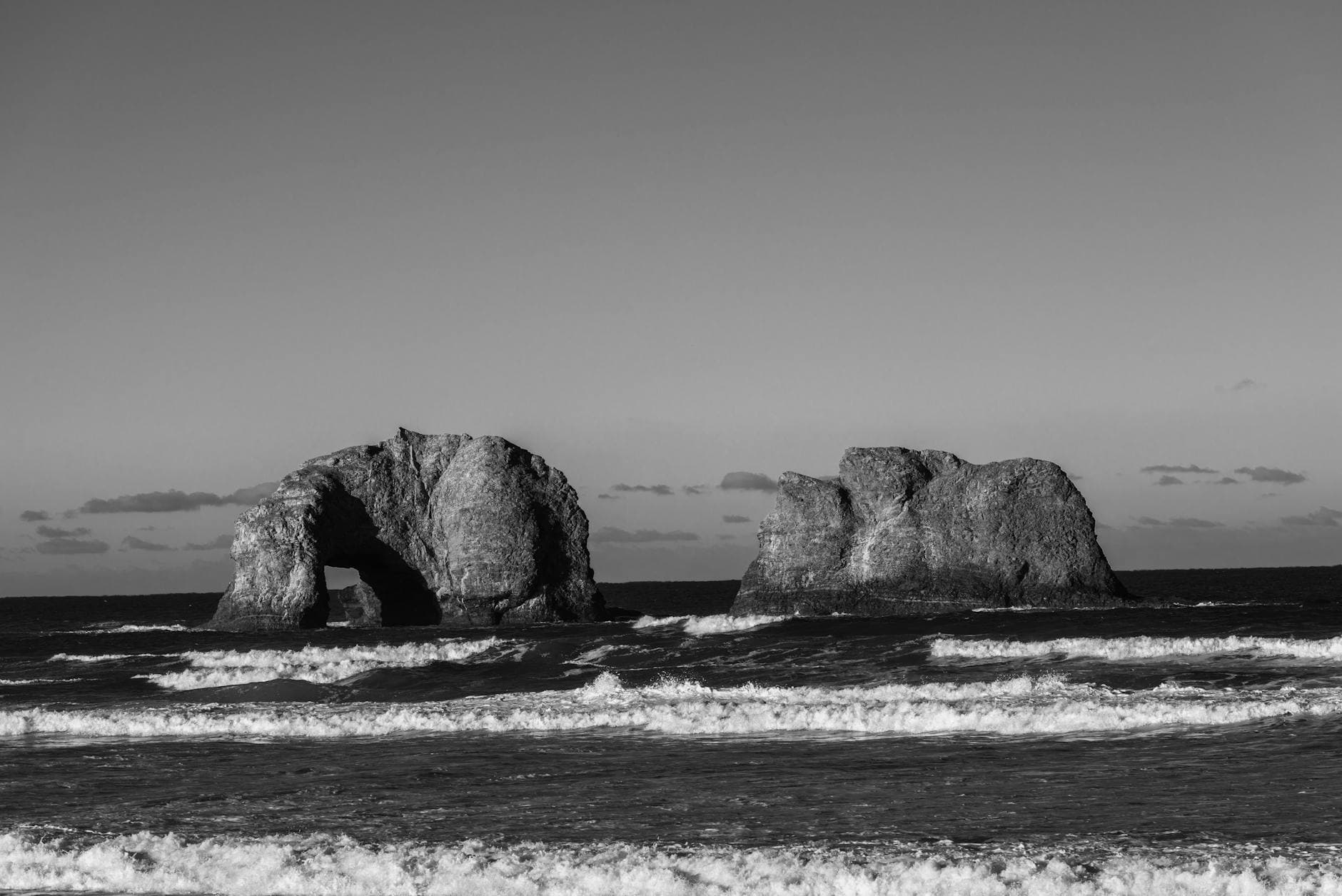
Here the gorge opens like a held breath, sandstone cliffs blushing rust in the early light while mist still clings to the hemlocks below. This is slow, sensory wandering built for two — waterfalls that drown out the world, a vintage train threading impossibly deep canyon walls, and arches old enough to have watched the forest grow up around them.
At a Glance
Highlights
- Sunrise light filtering through Twin Arches
- A vintage rail journey deep into the gorge
- Hemlock-shaded waterfall with nobody else around
- Wildflowers blooming along the canyon rim in spring
- Intimate evenings with little cell signal and a lot of sky
- A splurge afternoon aboard the Big South Fork Scenic Railway
Day-by-Day Plan
Day 1: Settling In: Creek Light and Canyon Rails
A gentle first day anchored at Bandy Creek — easy creekside wandering followed by a relaxed, scenic train ride deep into the gorge, totaling under 2 miles of walking.
Arrive while the gorge still holds its morning cool and the creek runs clear over smooth, sun-warmed boulders. Spring rain keeps the water lively and the surrounding cliffs streaked dark with moisture, the air thick with the smell of wet earth and new leaves. Early arrival — before 8:30am — means you'll likely have the main confluence to yourselves, just the two of you and the rush of water against rust-colored stone.

This is the day's splurge — settle into a window seat as the train eases out of the station and the gorge begins its slow reveal, the river a silver thread far below rock walls glowing amber and rust. Diesel smoke drifts past the open platform at the rear car, and the rhythmic clack of rails becomes its own kind of quiet. Spring mist often lingers in the lower canyon, softening the light for photos through every tunnel and trestle.
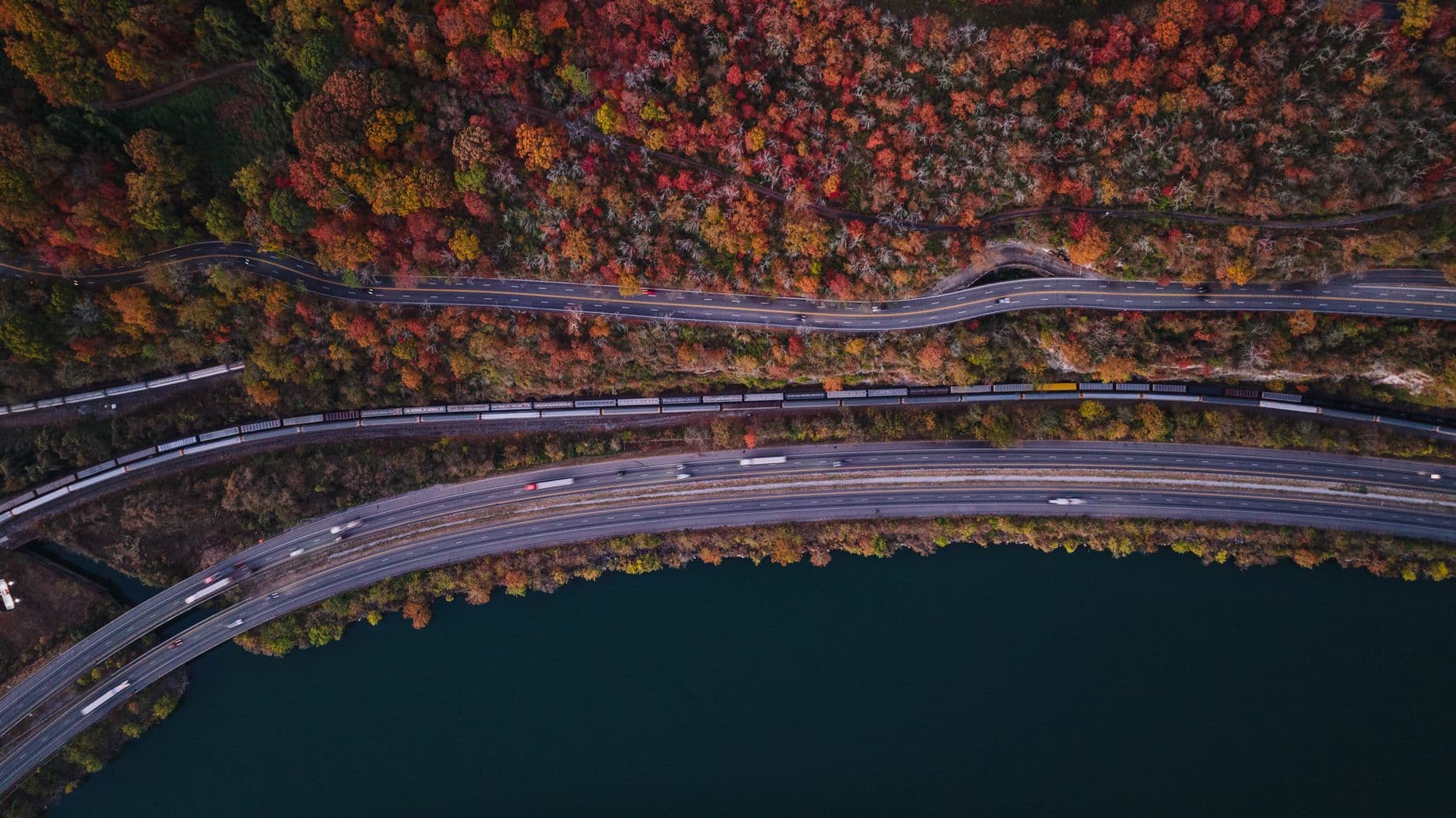
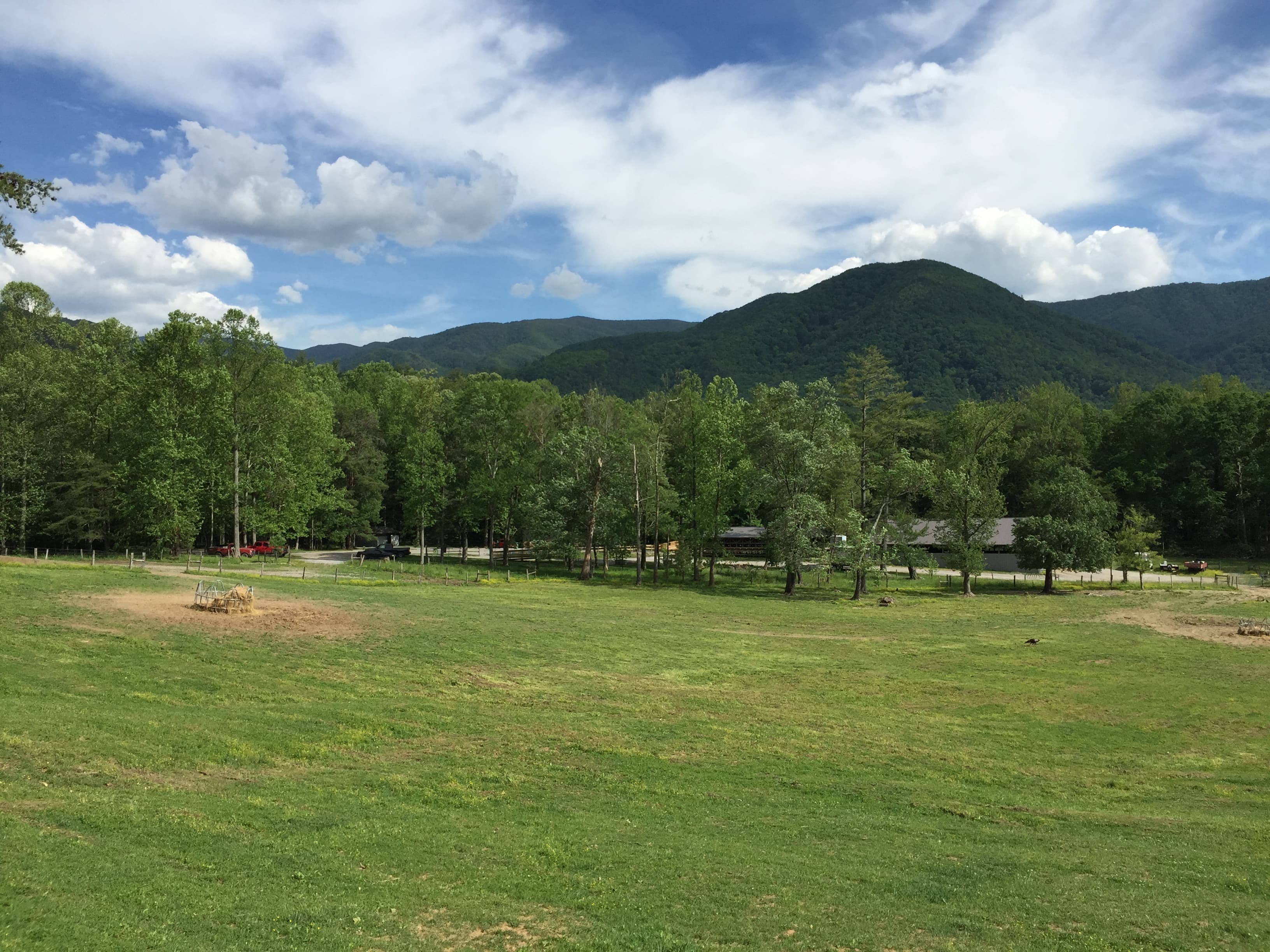
The first morning is about easing in — no alarms before dawn, no rush. Bandy Creek offers the gentlest possible introduction to the park's scale: cool water underfoot, rust-colored cliffs rising on either side, and the particular hush of a gorge before the day's visitors arrive. Spring wildflowers dot the banks, and the creek runs fuller than in summer, giving the whole scene a sense of quiet abundance.
After a short, scenic drive, the pace shifts from walking to riding — the Scenic Railway's languid pull through the canyon offers both relaxation and spectacle. It's an easy, low-impact way to see terrain that would otherwise take days of hiking to access, ideal for a first day when legs (and minds) are still adjusting to the remoteness of this place.
With no on-site dining data available near Bandy Creek or the railway, plan this evening's meal in one of the small towns surrounding the park, such as Oneida, where modest diners serve the hearty, biscuit-and-game comfort food this region is known for. Settle in early — the Appalachian rhythm here means most kitchens close by 8 or 9pm, and the quiet, star-heavy sky overhead is its own kind of reward for an early night.
Day 2: Arches, Mist, and the Sound of Falling Water
A moderately active day exploring Twin Arches at sunrise and spending the bulk of the afternoon at a secluded hemlock-shaded waterfall, totaling roughly 3.5 miles of walking.
Arrive by 7:30am and the twin stone portals are yours alone — no crowds, just cool shade, the smell of damp moss, and water trickling unseen through unseen crevices. Spring rain often leaves a faint mist drifting between the arches, lending the whole scene a soft, otherworldly quality perfect for quiet conversation or simply standing still together. By 9am, weekend foot traffic picks up noticeably, so this early window is worth the earlier wake-up.
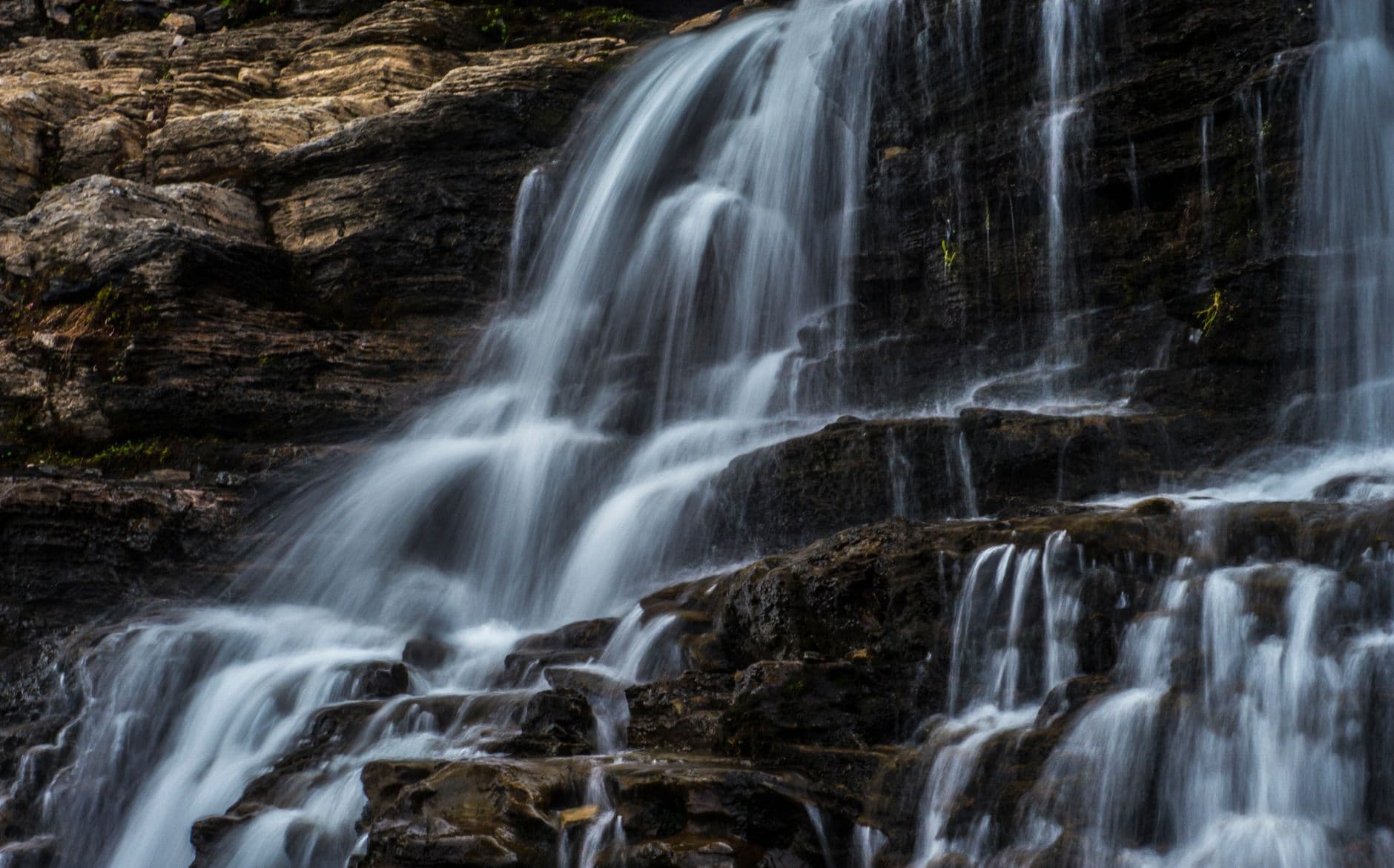
Trade the arches' quiet grandeur for the full sensory wash of falling water — this is a true wilderness sanctuary, lightly trafficked even in peak season, where cool mist meets skin and the roar of the cascade drowns out everything but each other. Spring runoff makes the falls especially full and dramatic, hemlocks arching overhead in deep green. Pack a simple picnic, since no dining options are mapped directly at the trailhead — plan to eat here rather than expecting services on-site.
Dawn at Twin Arches feels like stepping into something ancient and unhurried — the two stone portals rising from mist-damp forest, utterly silent except for water finding its way through hidden cracks in the rock. This is the kind of quiet built for two, best experienced before the trail fills in with other visitors later in the morning.
From the arches, a short walk delivers you to an entirely different register of wild beauty: Laurel Creek Gorge's waterfall, thunderous and mist-cooled, framed by old hemlocks that have clearly stood here a very long time. Spring swells the falls to their fullest, and the lightly trafficked trail means long stretches where it's just the two of you and the sound of water finding its way down the gorge.
As the pace softens for evening, make your way back toward Oneida or another nearby town for dinner, since no dining venues are mapped directly within this cluster — Appalachian comfort food and warm biscuits await in town, best enjoyed slowly after a day spent moving through mist and falling water. With the rural rhythm here, aim to be seated by early evening, and let the lack of cell signal be an invitation to simply talk through the day's two very different kinds of wonder.
Want to tweak this trip?
Our AI planner can customize this itinerary to your exact dates, interests, and travel style.
Customize This ItineraryRestaurant details (hours, menus, availability) change frequently, especially in rural areas. Check current hours before visiting.
Dietary compatibility tags are general guidance. If you have severe allergies, confirm directly with the restaurant.
Travel tips are general guidance, not professional safety advice. Check current park conditions and government advisories before your trip.
All prices are approximate and may vary seasonally.