Farmington area, New Mexico
3-Day Itinerary for Solo Traveler
“Ancient Walls, Wide Skies: 3 Days Solo in Farmington's High Desert”
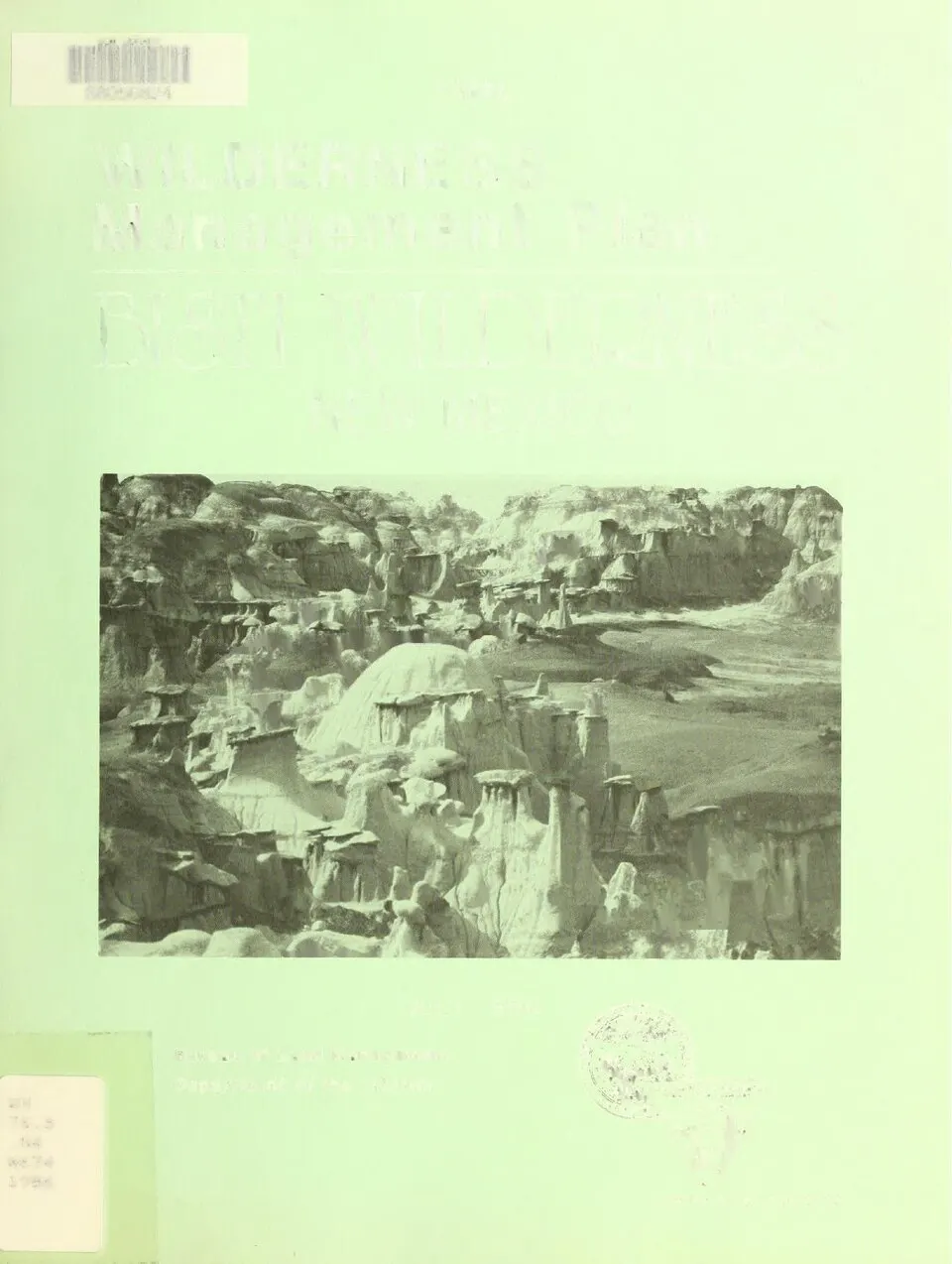
Out here the silence has texture — wind combing through thousand-year-old stone walls, clay hoodoos glowing rust and cream under an impossibly wide sky. Farmington rewards the traveler who moves slow, eats where the locals eat, and isn't afraid of a little solitude.
At a Glance
Highlights
- Stand alone inside a restored Chacoan great kiva at Aztec Ruins
- Wander unexcavated kivas at Salmon Ruins with the San Juan River nearby
- Lose all sense of time among the hoodoos of Bisti Badlands
- Catch sunset light raking across Angel Peak's layered sandstone
- Eat where Farmington actually eats — no-frills green chile and local counters
- Early-morning solitude at sites that fill up by mid-morning
- A genuinely remote high-desert day with almost no crowds
What do 3 days in Farmington area look like for solo travelers?
5 stops across 3 days, about 11 hours of sightseeing in all. The rest is yours for long lunches and unplanned detours.
| Day | Stop | Area | Suggested time | Typical visit |
|---|---|---|---|---|
| Day 1 | Aztec Ruins National Monument | Aztec & Local Heritage | 9:00 AM - 10:30 AM | 1 hr 30 min |
| Day 1 | Salmon Ruins | Aztec & Local Heritage | 11:15 AM - 12:45 PM | 1 hr 30 min |
| Day 2 | Bisti Badlands (Wilderness Area) | High Desert Badlands | 8:00 AM - 10:00 AM | 2 hr |
| Day 2 | Angel Peak National Scenic Area | High Desert Badlands | 4:30 PM - 6:00 PM | 1 hr 30 min |
| Day 3 | Chaco Culture National Historical Park | Aztec & Local Heritage | 9:00 AM - 1:00 PM | 4 hr |
Each day opens as a route in Google Maps; the map file drops every stop into Google My Maps or an offline map app.
Day-by-Day Plan
Day 1: Settling In Among the Ancients
A gentle first day centered on Aztec and Salmon Ruins, easy walking under 2 miles total, low cognitive load to ease into the region's rhythm.
Arrive by 9am and the great house is nearly yours alone — sandstone walls rising abruptly from the desert floor, cool earthy silence inside multi-story rooms. Step into the reconstructed Great Kiva and feel the temperature drop, the acoustics hush, a thousand years compressing into one quiet chamber. This is the kind of slow, solitary wonder solo travel is built for.

A short drive south brings you to a quieter, less-visited Chacoan outlier. Wind whispers through the unexcavated kivas and packed earth crunches underfoot; interpretive plaques do the talking where crowds don't. It's an easy, contemplative follow-up to Aztec without repeating the same experience — different light, different scale, same thousand-year hush.
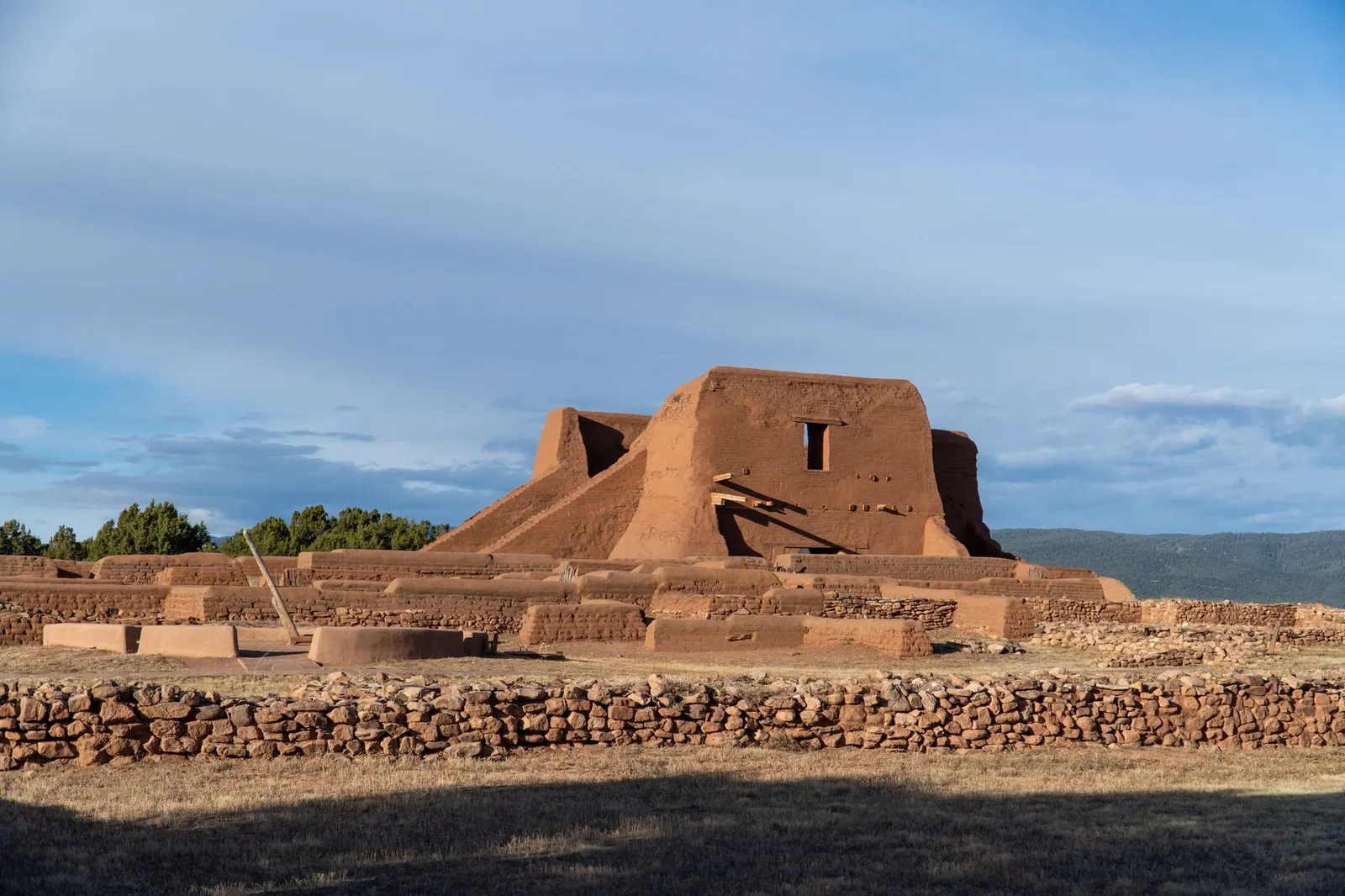
Ease into the region slowly. Aztec Ruins rewards an early, unhurried arrival — by 9am the courtyards are empty and the Great Kiva is yours to stand inside in total silence, feeling the weight of the structure's age settle around you.
A short drive delivers a second, quieter dose of the same ancient world at Salmon Ruins. The pace stays gentle here — fewer visitors, a looser trail, time to wander without a schedule pressing in.
With no dining data pinned to this cluster, give yourself permission to explore Farmington's town center for dinner at your own pace — ask your lodging host for their favorite nearby New Mexican spot, and settle in early given the area's relaxed, early-closing rhythm.
Day 2: Into the Badlands
A full remote high-desert day across Bisti Badlands and Angel Peak, moderate-to-high energy with roughly 3-4 miles of uneven walking.
Arrive by 8am and the badlands belong entirely to you — a labyrinth of crumbling clay striped cream, rust, and gold, wind gusting across exposed ridges in total solitude. This is five-star solo-travel terrain: no crowds, no trail markers, just you navigating by landmark and instinct among hoodoos that look like they belong on another planet. Tell someone your route before you go — there's no cell signal and the formations can be disorienting.
Time this one for late afternoon — the layered sandstone theater of rust, cream, and deep purple catches long light beautifully, and by 5pm you'll likely have the overlook to yourself or shared with a handful of fellow photographers. The quiet here is absolute, broken only by wind through the hoodoos; it's a meditative close to a big solo day in the wilderness.
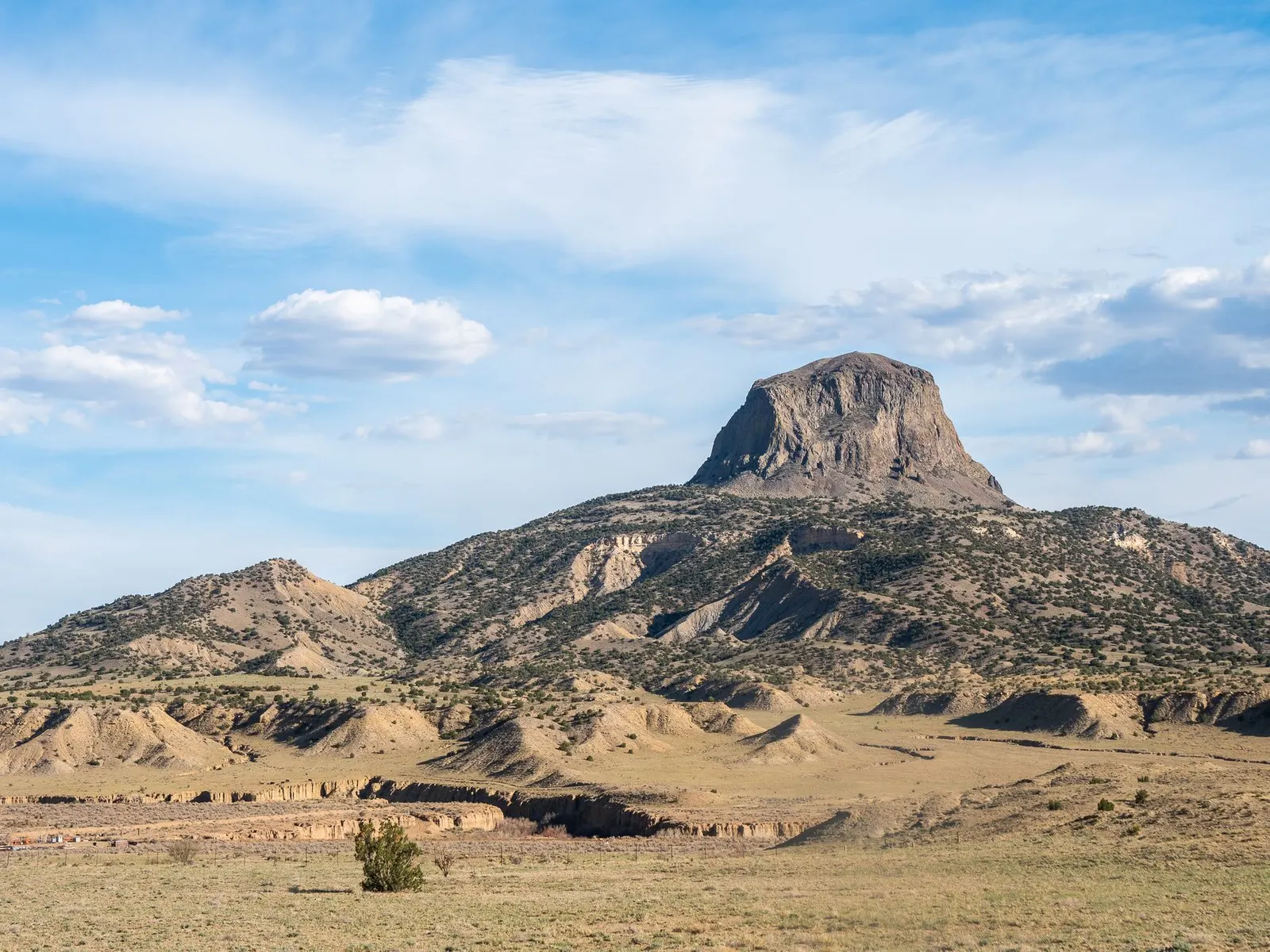
The day opens wide and quiet. Bisti Badlands at dawn is one of the most singular experiences solo travel can offer — total solitude among alien clay formations, no trail to follow but your own curiosity, water and a planned route your only real companions.
After the physical and sensory intensity of the morning, the drive back toward Angel Peak offers a chance to decompress — rolling high-desert country, open sky, a pullover or two if something catches your eye. The pace shifts from exploration to quiet observation as the afternoon light softens.
Angel Peak's golden hour is the natural close to the day — long shadows, layered stone glowing, and a stillness that makes the drive back into town feel like a gentle re-entry. Plan dinner in Farmington proper, keeping in mind the area's early-closing rhythm after a long day outdoors.
Day 3: Deep Time, Slow Return
A culturally rich final day with the option of a long excursion to Chaco Culture National Historical Park, moderate walking (2-4 miles) over varied terrain.
Give yourself the full morning and into early afternoon here — this is the ceremonial heart of the ancestral Puebloan world, pale honey-colored sandstone facades rising from red earth. Walk the D-shaped facade of Pueblo Bonito at sunrise-adjacent light, run your fingers near (not on) faint petroglyphs, and feel the profound 850-year silence settle over the canyon. Mornings are notably quieter than afternoons here, which rewards the early solo traveler.
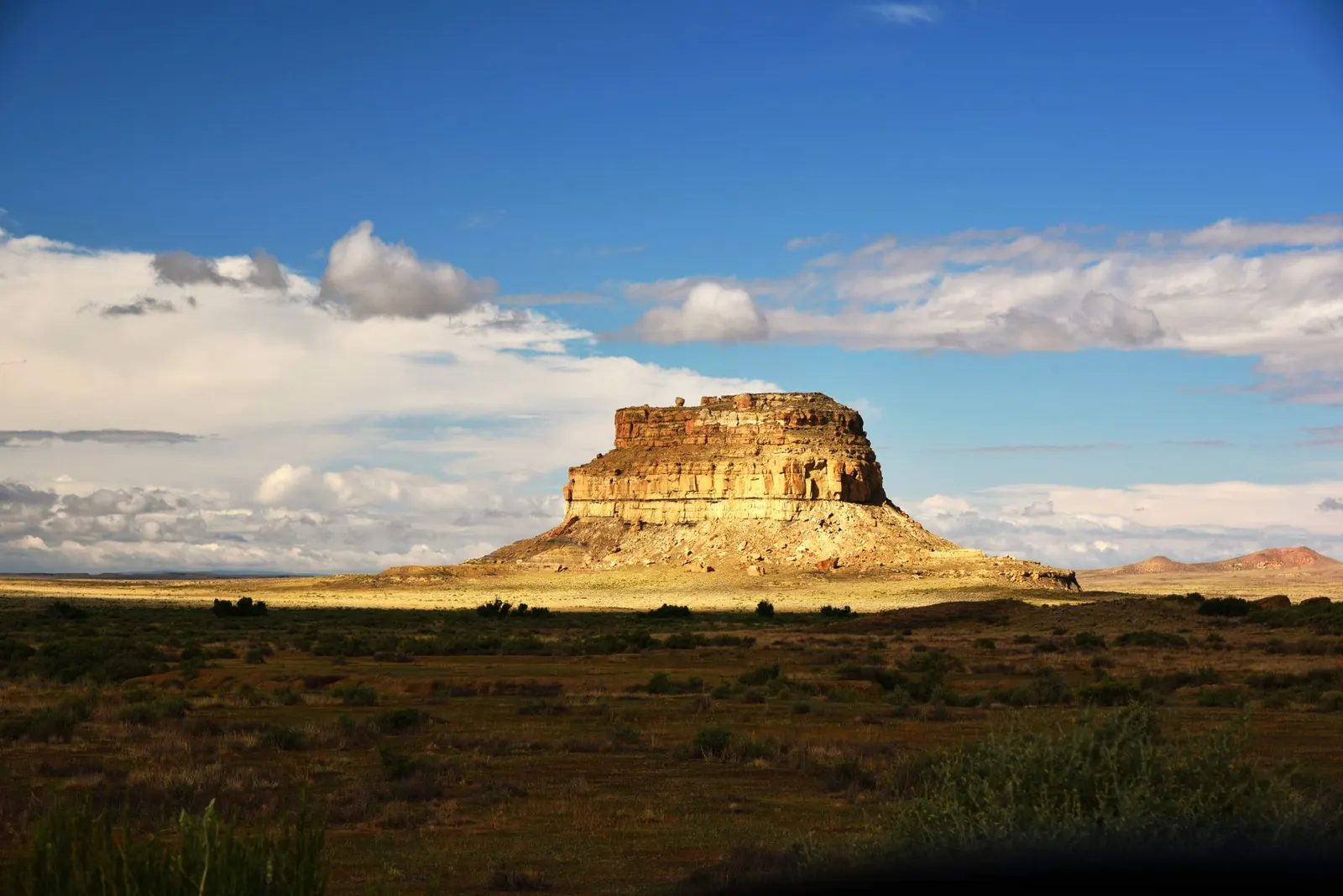
The final day leans into deep time. Chaco demands a longer, unhurried visit — this is not a quick stop but a place to wander slowly between great houses, let the scale of the canyon sink in, and sit with the kind of silence that's hard to find elsewhere.
By early afternoon, the drive back from Chaco's remote access road offers a natural decompression — open country, wide sky, time to let the morning's impressions settle before re-entering town.
Close the trip gently — a quiet dinner in Farmington, reflecting on three days that moved from ancient walls to desert solitude and back again. The area's early, unhurried rhythm makes for an easy, low-key final evening before departure.
Planning the nights, too?
Compare places to stay around Farmington area, or browse tours and tickets to slot between the stops above.
Itinara may earn a commission when you book through these links, at no extra cost to you.
Want to tweak this trip?
Our AI planner can customize this itinerary to your exact dates, interests, and travel style.
Customize This ItineraryRestaurant details (hours, menus, availability) change frequently. Check current hours before visiting, especially in seasonal destinations.
Dietary compatibility tags are general guidance. If you have severe allergies, confirm directly with the restaurant.
Travel tips are general guidance, not professional safety advice. Check government advisories for latest information.
All prices are approximate and may vary seasonally.
Attractions in This Itinerary
More Itineraries for Farmington area
Explore New Mexico