Farmington area, New Mexico
3-Day Itinerary for Solo Traveler
“Stone Silence & Badland Light: 3 Days in Farmington”
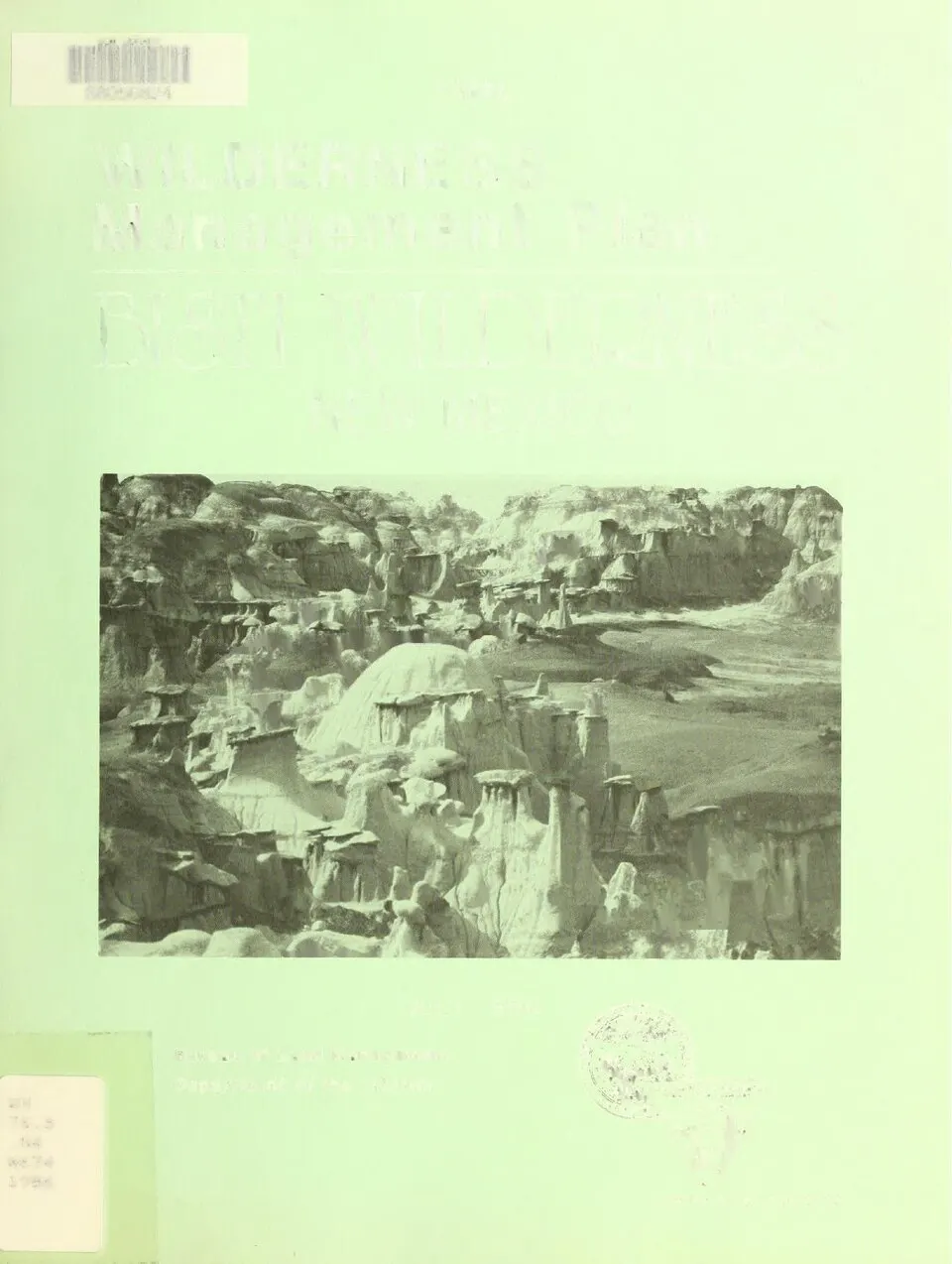
Out here the desert doesn't shout — it waits. Thousand-year-old walls hold their silence under a pale fall sky, and a few miles west, wind-carved hoodoos glow gold at the edges of nowhere. This is solo travel at its most contemplative: wide horizons, few crowds, and just enough solitude to hear yourself think.
At a Glance
Highlights
- Trace a thousand-year-old great house at Aztec Ruins before the tour buses arrive
- Stand inside a cool, silent kiva at Salmon Ruins with the San Juan River valley beyond
- Lose track of time among the hoodoos and striped clay canyons of Bisti Badlands
- Watch sunset turn Angel Peak's sandstone layers to rust and violet
- Full-day pilgrimage to Chaco Culture National Historical Park, one of the continent's great ancient sites
- Early-morning light on sandstone walls with barely another soul in sight
- Unhurried New Mexican meals at genuine, no-frills local joints
What do 3 days in Farmington area look like for solo travelers?
5 stops across 3 days, about 11 hours of sightseeing in all. The rest is yours for long lunches and unplanned detours.
| Day | Stop | Area | Suggested time | Typical visit |
|---|---|---|---|---|
| Day 1 | Aztec Ruins National Monument | Aztec & Local Heritage | 9:00 AM - 10:30 AM | 1 hr 30 min |
| Day 1 | Salmon Ruins | Aztec & Local Heritage | 11:15 AM - 12:45 PM | 1 hr 30 min |
| Day 2 | Bisti Badlands (Wilderness Area) | High Desert Badlands | 7:30 AM - 9:30 AM | 2 hr |
| Day 2 | Angel Peak National Scenic Area | High Desert Badlands | 5:00 PM - 6:30 PM | 1 hr 30 min |
| Day 3 | Chaco Culture National Historical Park | Aztec & Local Heritage | 9:00 AM - 1:00 PM | 4 hr |
Each day opens as a route in Google Maps; the map file drops every stop into Google My Maps or an offline map app.
Day-by-Day Plan
Day 1: Arrival & Ancient Ground
A light, walkable day easing into the region's deep history at Aztec Ruins and Salmon Ruins, with minimal driving and generous time for rest.
Sandstone walls rise abruptly from the high desert floor, and stepping into the reconstructed Great Kiva feels like entering a held breath — cool, earthy, impossibly quiet. Arrive by 9am and you'll likely have the courtyards to yourself before mid-morning groups filter in. Let your eyes adjust in the dim multi-story rooms and notice how the light changes as you move between them.

A short, easy drive brings you to this lesser-visited Chacoan outpost, where warm sandstone and packed earth underfoot lead to kivas so still you can hear your own footsteps. It's quieter here than at Aztec — good for solo reflection — and the museum offers context without overwhelming a jet-lagged first day.
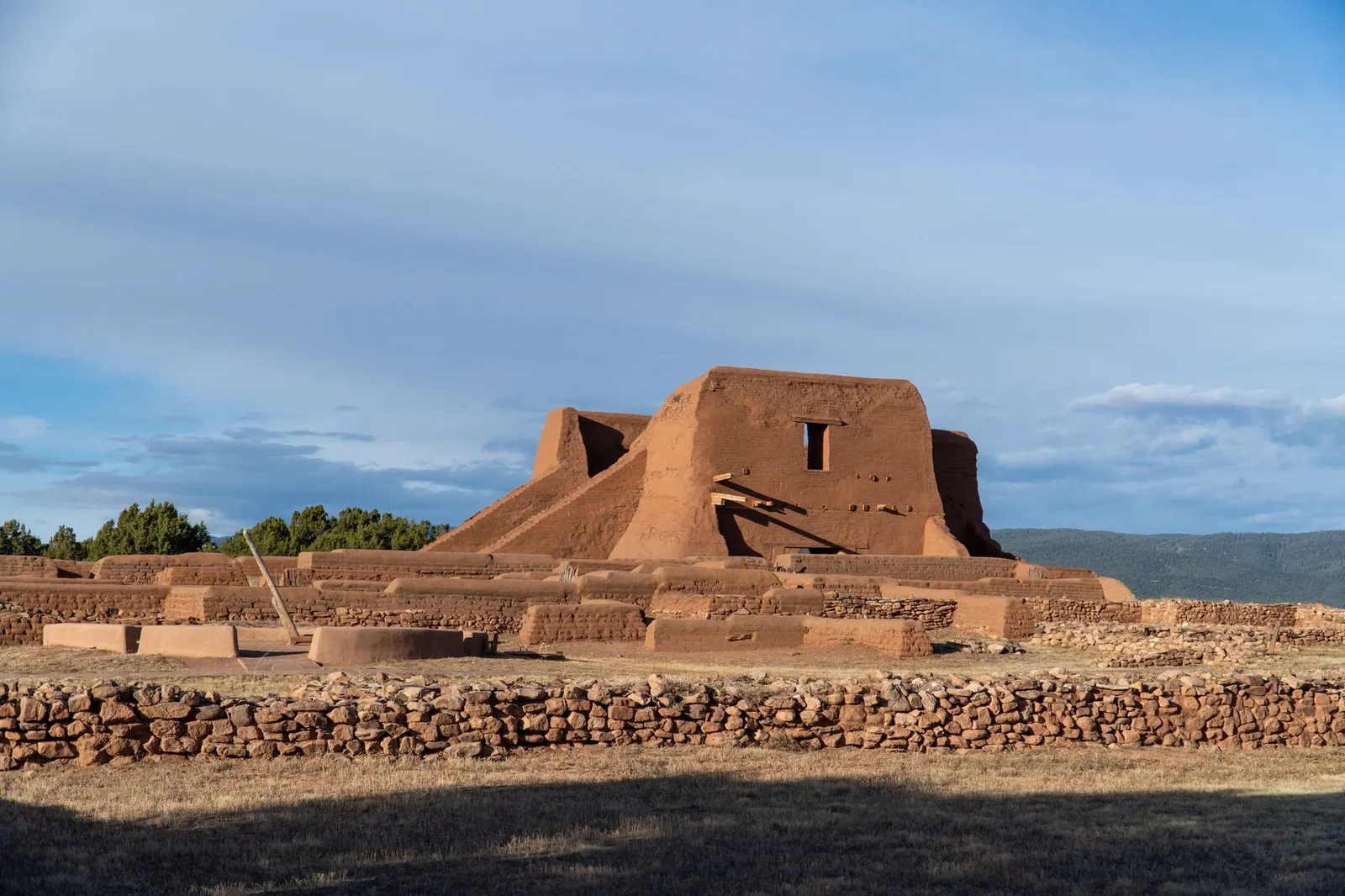
Ease into the trip slowly. Aztec Ruins rewards an early, unhurried visit — the kind of gentle cultural immersion that settles travel nerves rather than taxing them. Wander the courtyards, read the interpretive signs at your own pace, and let the scale of the place sink in without rushing.
A short drive east brings a second, quieter ruin into view. Salmon Ruins feels more intimate than Aztec, with fewer visitors and a close relationship to the river valley below. This is a good afternoon for lingering over the museum exhibits, resting on a bench in the sun, and getting oriented to the region's deep timeline.
With no POI dining data available for this day, plan your evening meal around downtown Farmington's local New Mexican spots — ask your lodging host for a current recommendation, as this is where locals eat and options shift with the seasons. An early dinner followed by a quiet evening suits the pace of a first day settling into high-desert rhythm.
Day 2: Into the Badlands
A high-energy full day exploring the otherworldly clay formations of Bisti Badlands and the sunset drama of Angel Peak, covering roughly 4-5 miles of uneven terrain.
Arrive at sunrise and the badlands feel entirely yours — cream, rust, and gold hoodoos catching the first low light while the wind hisses across exposed ridges. There are no marked trails here, just cairns and instinct, which makes this a genuinely immersive solo adventure. By 9am, a handful of other early photographers may appear, but the sense of solitude rarely breaks.
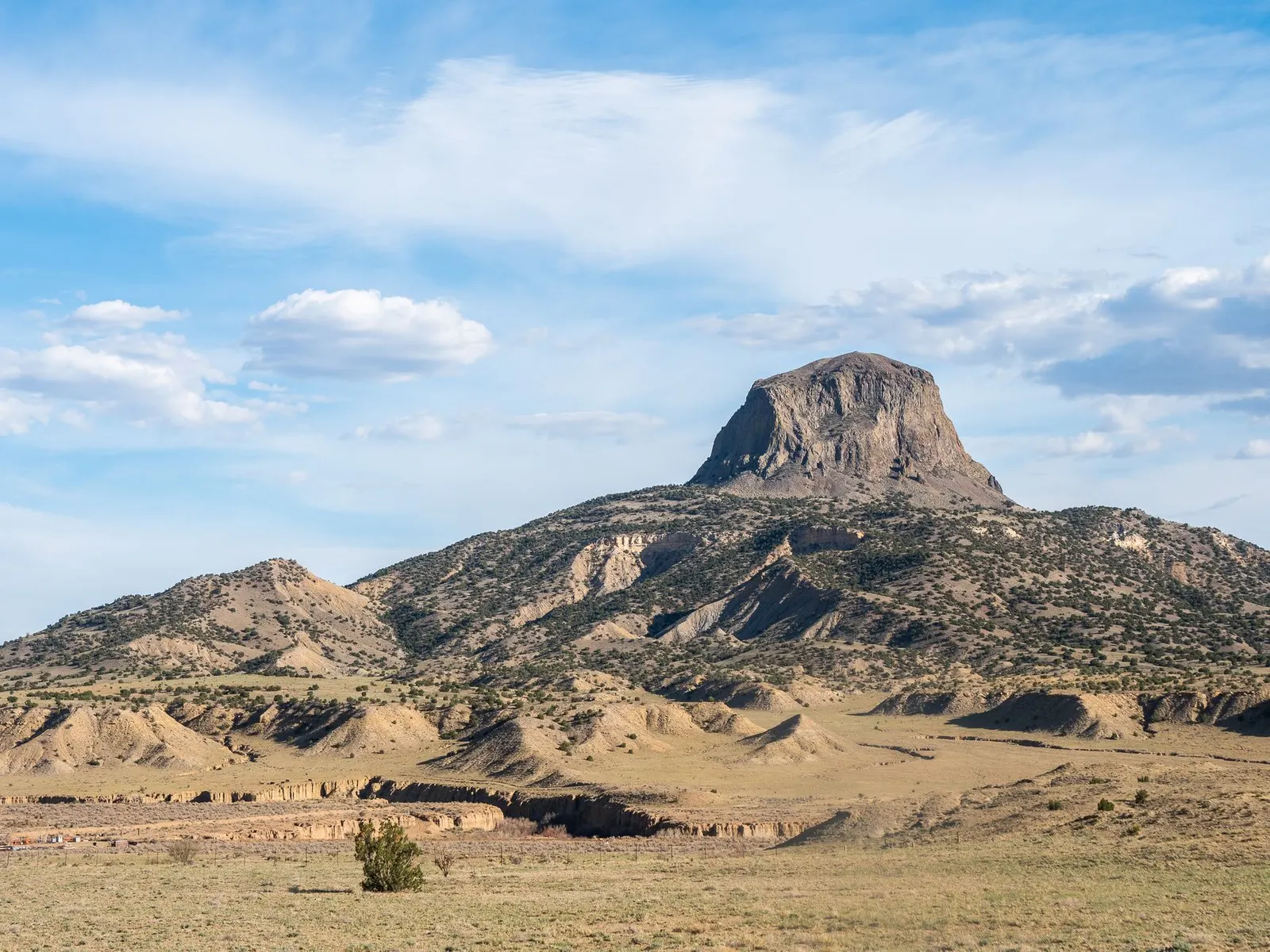
After a midday break back in town, return to the high desert for golden hour at Angel Peak, where layered sandstone turns rust, cream, and deep purple as the sun drops. The quiet here is near-total — wind through hoodoos, the occasional raven, and little else. It's a fitting, contemplative close to a day spent among ancient erosion.
Rise before dawn for this one. The drive out to Bisti Badlands is dark and quiet, but arriving as the sky lightens means watching the hoodoos emerge from shadow in real time — one of the most striking sunrise experiences in the region, and a rare treat for a solo traveler willing to set an early alarm.
Midday sun flattens the badlands' dramatic shadows, so use the hours after Bisti to head back toward Farmington for lunch, rest, and a break from the heat — there's little shade out there. Refuel before heading back out for the evening leg.
Angel Peak closes the day with a slower, more contemplative energy than the morning's scramble through Bisti. Settle in at the overlook, let the light shift through its full range of color, and allow the silence of the high desert to be the evening's main event — no restaurant required when the view is this good.
Day 3: Pilgrimage to Chaco
A full day dedicated to Chaco Culture National Historical Park, a slower and more profound cultural deep-dive requiring a longer drive and unhurried exploration, roughly 3-4 miles of walking.
The drive in — miles of washboard dirt road — makes the arrival feel earned, and the scale of Pueblo Bonito's D-shaped facade rewards that effort instantly. Pale honey-colored sandstone rises from red earth in a stillness that feels centuries deep; reaching Chetro Ketl by late morning offers canyon backdrops with fewer visitors than the main plaza. Arrive early, as mornings are noticeably quieter than afternoons, and bring everything you need — there is no food or reliable cell service here.
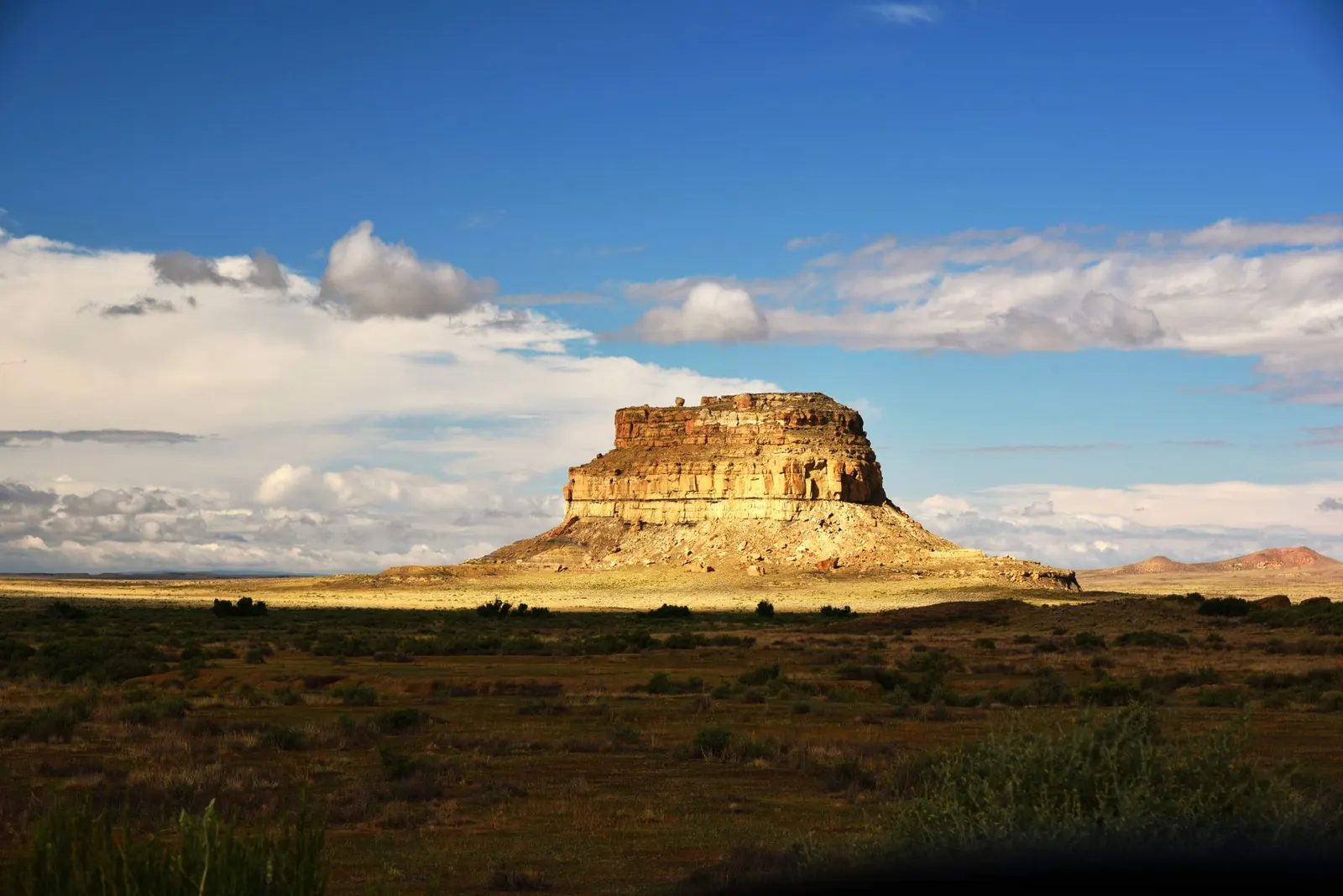
The long drive to Chaco is part of the experience — washboard roads, wide-open mesa, and a growing sense of anticipation as the first great houses come into view. Once inside, mornings are the quietest window, so prioritize Pueblo Bonito and Chetro Ketl before midday groups arrive.
Chaco's scale demands unhurried exploration — budget the bulk of the day here rather than rushing to a second stop. Pack food and ample water, since there are no services inside the park, and plan to linger over the petroglyphs trail as the afternoon light softens.
The drive back to Farmington offers a natural wind-down after a day steeped in ancient history. With no POI dining data available for this final evening, plan a relaxed dinner at one of downtown Farmington's local New Mexican spots to close out the trip — ask locally for current favorites, as this is genuine, unpretentious food-scene territory where recommendations shift by season.
Planning the nights, too?
Compare places to stay around Farmington area, or browse tours and tickets to slot between the stops above.
Itinara may earn a commission when you book through these links, at no extra cost to you.
Want to tweak this trip?
Our AI planner can customize this itinerary to your exact dates, interests, and travel style.
Customize This ItineraryRestaurant details (hours, menus, availability) change frequently. Check current hours before visiting, especially in seasonal destinations.
Dietary compatibility tags are general guidance. If you have severe allergies, confirm directly with the restaurant.
Travel tips are general guidance, not professional safety advice. Check government advisories for latest information.
All prices are approximate and may vary seasonally.
Attractions in This Itinerary
More Itineraries for Farmington area
Explore New Mexico