Arbuckle Mountains, Oklahoma
2-Day Itinerary for Solo Traveler
“Old Stone, Cold Air: A Solo Winter Reset in the Arbuckles”
In winter, the Arbuckles empty out and go quiet — the falls run cold and silver, the springs steam faintly in the chill, and you'll likely have entire overlooks to yourself. This is billion-year-old rock stripped of summer crowds, best explored solo at your own unhurried pace.
At a Glance
Highlights
- Standing alone at the base of a 77-foot waterfall in winter stillness
- Steam rising off Travertine Creek's mineral springs in cold morning air
- Empty limestone canyon trails with only birdsong for company
- Golden-hour light on ancient granite peaks with no one else around
- Comfort-food dinners at counters where locals will happily chat with a solo traveler
- Bathhouse-era history amid still, mineral-scented springs
Day-by-Day Plan
Day 1: Falling Water, Quiet Cliffs
A gentle first day centered on Turner Falls — roughly 2 miles of walking total across moderate terrain, with plenty of pauses for photography and rest.
Arrive right at opening and the roar of the falls will be the only sound for miles — no crowds, no chatter, just 77 feet of winter-cold water crashing into a turquoise-green pool ringed by ancient limestone cliffs. The mist carries a mineral chill that wakes you up faster than coffee, and the low winter sun angles beautifully through the canyon walls by mid-morning. Solo travelers get the rare gift of total stillness here; take the extra time to walk the elevated trail views without anyone rushing past.

The gate opens and you're likely the first car in — Turner Falls in winter belongs to whoever shows up earliest. The cold sharpens every sense: the mineral tang of the creek, the low thunder of falling water, the way frost clings to shaded rock even as the sun climbs. Walk the perimeter trail slowly; there's no rush when no one else is around, and the elevated views let you take in the whole scale of the falls and the cliffs cradling it.
With the morning's cold-water immersion behind you, ease into a lighter afternoon — find a spot for a warm lunch in town (Ardmore's diners and barbecue joints are the practical choice this close to the park), then spend unhurried time settling into your lodging or wandering nearby trails at a slower pace. Winter light softens by mid-afternoon, ideal for a second, calmer look at the falls if you didn't get your fill in the morning.
As the short winter day fades fast — sunset arrives by 5:30 or 6pm — head into Ardmore for dinner where the counter seats at a local diner or BBQ spot make for easy conversation with regulars and staff who know these mountains well. Wind down early; tomorrow's exploration of Chickasaw NRA rewards an early start.
Day 2: Steam and Stone: Springs of Chickasaw
A full day exploring Chickasaw National Recreation Area — around 3 miles of walking on mixed paved and natural trails, moderate energy with several pause points for reflection and photos.
Arrive by 8:30am and the mineral springs along Travertine Creek will still be wreathed in faint steam against the cold air — a scene that thins out fast once weekend day-trippers arrive later in the season, but in winter you'll have the boardwalks and gravel paths nearly to yourself. The turquoise spring pools emerging from the forest floor feel almost otherworldly against bare winter trees, and birdsong carries clearly through the still canyon air.
After the springs, shift toward the quieter upper trails and limestone canyon walls — a gentler continuation of the same cluster rather than a new destination, letting you explore the visitor center's cultural history exhibits or extend the walk along Rock Creek if the morning's pace left you wanting more. The cool cave-like air near the limestone cliffs offers a nice contrast to the open spring areas.
The cold makes the steam over Travertine Creek visible in a way it isn't in warmer months — a quiet, almost meditative scene with the boardwalks empty and birdsong the only real sound. This is one of those mornings where slowing down pays off: linger at each spring pool, follow the gravel paths without a fixed plan, and let the mineral scent and cool air set the pace.
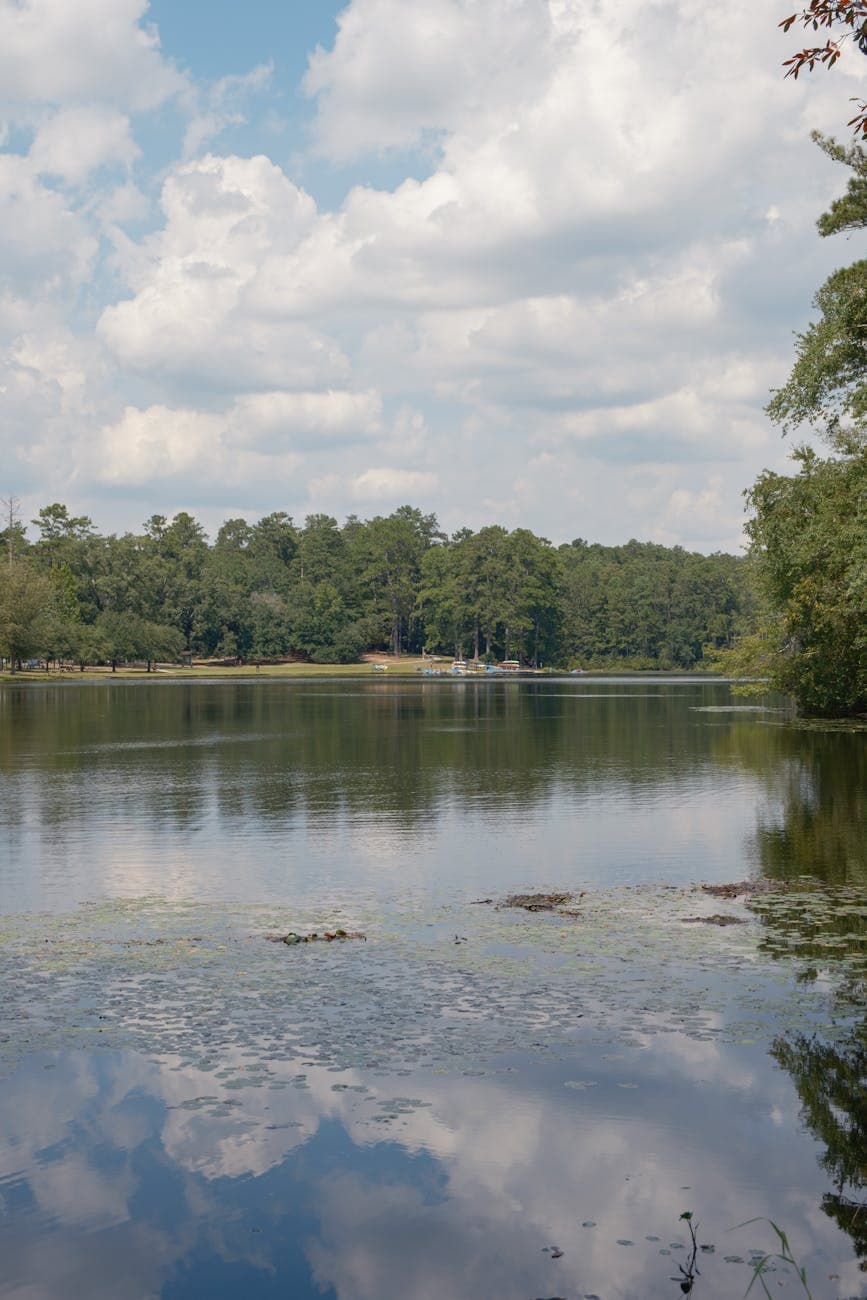
As midday arrives, the pace shifts naturally toward the upper canyon trails and the visitor center — a good moment to warm up indoors briefly and learn some of the area's cultural and geological history before heading back out. If energy and daylight allow, the optional detour to Lake of the Arbuckles offers a peaceful, low-key close to the outdoor portion of the day, especially for golden-hour photography along the quiet eastern coves.
With the sun dropping fast — plan to be off any trails or lakeside roads well before dark — head back toward Ardmore or Sulphur for an early dinner. Look for a seat at a counter or communal table where conversation comes easy; solo travelers often find locals here happy to swap trail recommendations or stories about the mountains. Let the evening wind down early, a fitting close to two quiet days in one of the country's oldest ranges.
Want to tweak this trip?
Our AI planner can customize this itinerary to your exact dates, interests, and travel style.
Customize This ItineraryRestaurant details (hours, menus, availability) change frequently, and specific dining venues near these clusters were not available in our sources — confirm current options and hours locally, especially given early closing times in this region.
Dietary compatibility tags are general guidance. If you have severe allergies, confirm directly with the restaurant.
Travel tips are general guidance, not professional safety advice. Check government advisories and local park conditions for the latest information, especially regarding winter ice and water levels.
All prices are approximate and may vary seasonally.