Arbuckle Mountains, Oklahoma
4-Day Itinerary for Solo Traveler
“Ancient Stone, Quiet Water: 4 Days Solo in the Arbuckle Mountains”
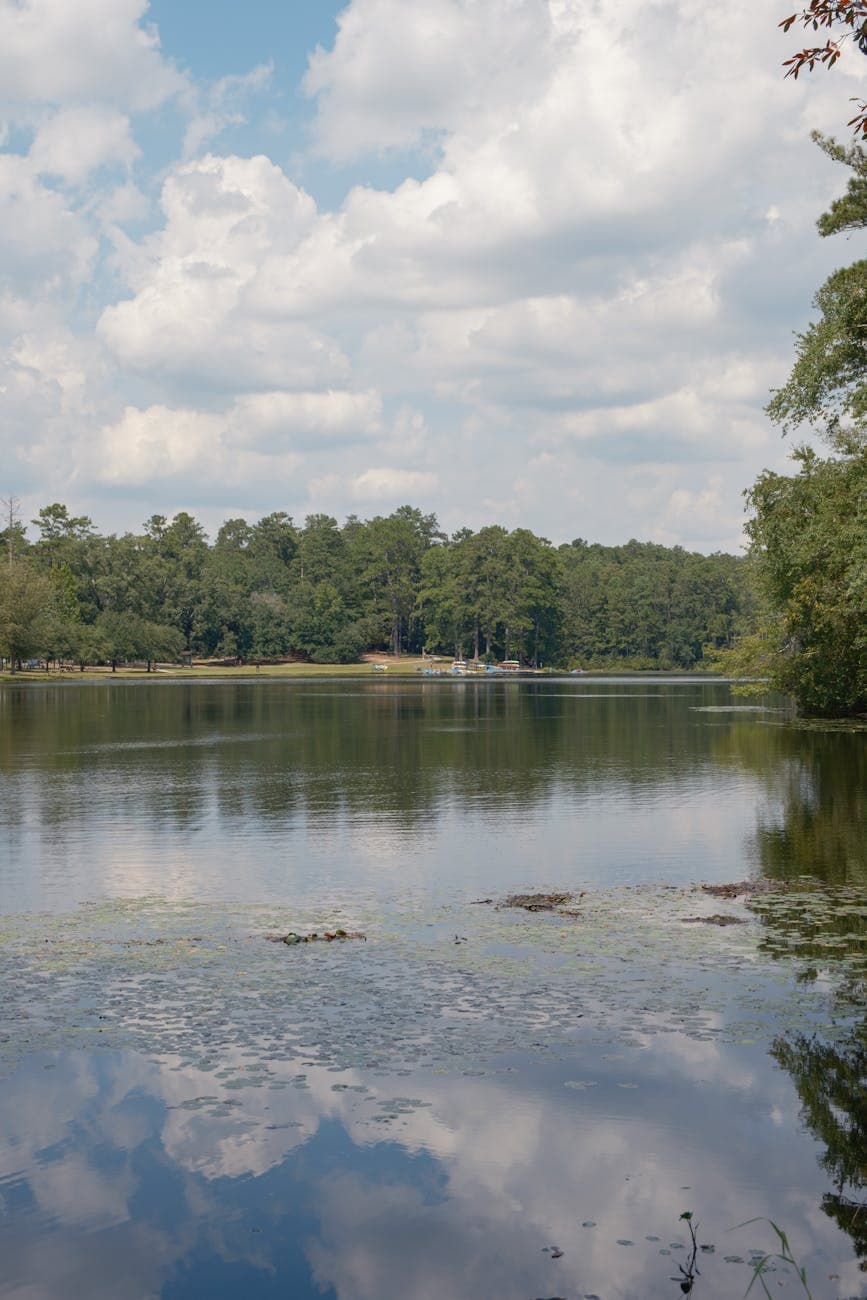
In winter, the Arbuckles strip down to their bones — bare oak ridges, steam rising off warm springs into cold air, and a waterfall you might have entirely to yourself. This is billion-year-old rock country, best explored slowly, with a thermos of coffee and no one to answer to but the trail ahead.
At a Glance
Highlights
- Standing alone at the base of 77-foot Turner Falls in winter hush
- Steam curling off Travertine Creek's warm mineral springs on a cold morning
- Sunrise solitude on the eastern shoreline coves of Lake of the Arbuckles
- Smoked meats and communal tables at Ardmore's local joints
- Limestone canyon trails with almost no one else on them
- Golden hour light raking across ancient granite peaks
- The particular quiet of an Oklahoma small town in winter
Day-by-Day Plan
Day 1: Arrival & First Light on Ancient Water
A light arrival day easing into the region with one primary stop at Turner Falls and an early dinner in Ardmore; roughly 1.5 miles of walking, low-to-moderate energy.
After settling in, ease into the trip with a slow afternoon at the falls — in winter, the roar is softer, the mist colder, and the turquoise pool below sits still and untouched by summer swimmers. Walk the short trail to the base and let the scale of the 77-foot drop sink in against quiet limestone cliffs. Winter light is low and angled, catching spray in a way summer's harsh sun never does.

Use the morning for travel — the drive in from Oklahoma City or Dallas settles you into the landscape gradually, red-dirt fields giving way to low wooded ridges as you approach Ardmore. No scheduled stops; let the drive itself be the orientation.
By early afternoon, head straight to Turner Falls for a low-key first encounter with the region's signature landmark. Winter strips away the crowds, leaving just the sound of water and stone. Take the short trail to the base, breathe in the mineral-cool air, and resist the urge to rush — this is a settling-in stop, not a checklist item.
Head back into Ardmore as light fades early (winter sunsets arrive around 5:30-6pm) and find an early dinner — most local spots wind down by 9pm, so don't wait too long. Use the evening to rest, check tomorrow's weather, and let the cold quiet of small-town Oklahoma settle in.
Day 2: Steam and Stone: A Morning at the Springs
A full day centered on Chickasaw NRA's springs and trails, with roughly 3-4 miles of walking at a moderate pace.
Arrive by 8am and the springs are yours — steam rising off Travertine Creek into cold morning air, birdsong the only sound bouncing off limestone canyon walls. Walk the paved paths near the main spring pools first while your legs are fresh, then branch onto the rougher upper trails as the sun climbs. By 10am, the occasional other visitor or ranger truck breaks the solitude, but it's still far from crowded.
Return after lunch to explore the sections skipped in the morning — the visitor center exhibits on the park's cultural and geological history, or a longer stretch of upper trail if legs are willing. The limestone canyon walls take on a different character in early afternoon light, and this is a good window for photography with fewer shadows.
Rise early and drive out to Chickasaw NRA while the roads are still empty and the air is sharp with cold. The mineral springs steam gently in the low temperatures, and the paved paths near Travertine Creek make for an easy, contemplative start before the legs warm up for rougher trail sections.
After a midday break, return to the park for a second, lighter round — either the visitor center's exhibits for a warm indoor pause or a longer stretch of upper trail if energy holds. The pace shifts from brisk morning walking to a slower, more observational afternoon, ideal for photography as the light angles lower.
Head back toward Ardmore as the short winter day fades fast — by 5:30pm it's already dim. Dinner should come early; most local kitchens wind down well before 9pm. Let the evening be unhurried, a good night to journal or plan the lake day ahead.
Day 3: Sunrise on Still Water
A lake-focused day with an early sunrise visit and a lighter afternoon, totaling around 2-3 miles of easy, flat walking.
Arrive before sunrise and claim a spot on the northern overlooks — the lake at this hour is glass-still, mist lifting off the water as the sky pinks up over the Arbuckle peaks. This is the quietest window of the whole trip: no anglers yet, no powerboats, just the occasional kingfisher call. Walk the flat paved shoreline paths slowly; there's no rush here.

Return midday to explore the eastern shoreline coves, framed by bare oak and pine in winter's stripped-down palette. This is a good stretch for slow, solitary walking and reflection — the kind of afternoon that rewards no agenda beyond noticing light on water.
Set an early alarm and drive out in darkness to catch sunrise at the lake's northern overlooks. The stillness here in winter is profound — mist rising off the water, the Arbuckle peaks catching first light. This is the trip's quietest, most contemplative stop, ideal for a solo traveler wanting genuine solitude.
After a midday break back in town, return to the lake's eastern coves for a slower, wandering walk along flat shoreline paths. The pace here is deliberately unhurried — a counterpoint to the morning's early rise, letting the day settle into ease rather than exertion.
Drive back to Ardmore as the day's light fails early. Dinner should be simple and early, in keeping with the town's quiet rhythm — most kitchens close by 9pm. This is a good night to seek out a communal table or bar seating if craving conversation after a solitary day.
Day 4: Last Light on the Falls
A shorter departure-day itinerary revisiting Turner Falls from a different vantage before heading out, roughly 1-2 miles of walking.
Return to Turner Falls one last time, but take the mid-pool perspective trail this go-round rather than the base viewpoint from Day 1 — a different angle on the same 77-foot cascade, looking up through the canyon walls. Arrive by 8am and there's a real chance of having the entire overlook to yourself before departure.
Use the final morning for one last, quieter look at Turner Falls — this time from the mid-pool trail, a different angle that rewards the effort of the whole trip's early rises. The canyon is at its calmest in the early hours, and there's a natural sense of closure standing before the same water that opened the trip four days earlier.
With the morning stop complete, begin the drive back toward Oklahoma City or Dallas, depending on departure point — allow the full 90 minutes to two-and-a-half hours needed, and use any remaining time in Ardmore for a final coffee or light lunch before the road.
Departure day typically wraps by evening with travel; if flights or drive timing allow a final stop in Ardmore, keep it simple — a quiet coffee or early meal to close out the trip before the long drive home.
Want to tweak this trip?
Our AI planner can customize this itinerary to your exact dates, interests, and travel style.
Customize This ItineraryRestaurant details (hours, menus, availability) change frequently. Check current hours before visiting, especially in seasonal destinations.
Dietary compatibility tags are general guidance. If you have severe allergies, confirm directly with the restaurant.
Travel tips are general guidance, not professional safety advice. Check government advisories for latest information.
All prices are approximate and may vary seasonally.