Wichita Mountains NWR, Oklahoma
2-Day Itinerary for Active Retirees
“Granite, Grasslands, and Grazing Bison: Two Easy Days in the Wichitas”
Granite domes rise out of the Oklahoma grassland like they forgot to erode, and in spring the whole refuge hums with wildflowers and wind. This is a landscape built for unhurried mornings—bison grazing in the mist, switchbacks that reward patience rather than speed, and vistas that ask you to simply sit and look.
At a Glance
Highlights
- Sunrise-quiet summit views atop Mount Scott
- Bison grazing along open prairie trails
- Granite monoliths mirrored in Quanah Parker Lake
- Ranger-led stories at the Visitor Center
- The otherworldly stonework of Holy City
- Wildflower-dotted grasslands in bloom
- Relaxed, bench-friendly pacing throughout
Day-by-Day Plan
Day 1: First Light on the Eastern Ridges
A gentle introduction to the refuge's eastern side, with under 2 miles of easy walking and one moderate paved ascent.
Start here while the air is still cool and the parking lot nearly empty—by 8am you'll have the exhibits and the ranger desk mostly to yourselves. Panoramic windows frame Mount Scott in the distance, and the exhibits on refuge geology and bison conservation offer a gentle, seated orientation before any walking begins. Ask the rangers about recent bison sightings; they track herd locations daily.
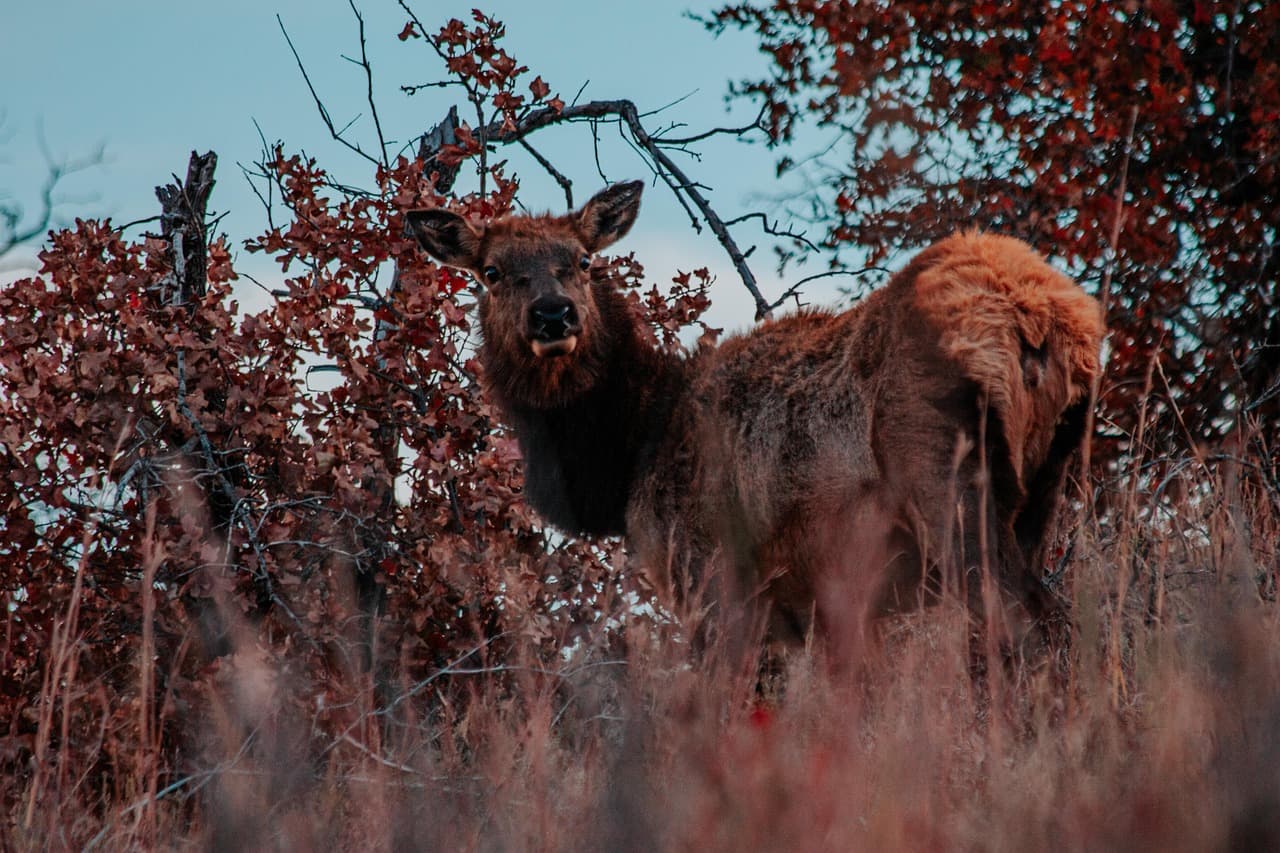
The paved road climbs three miles to Oklahoma's highest point, and you can drive most of it, stepping out at pull-outs for short strolls to take in the view. At the summit, wind sweeps across exposed granite and the prairie unrolls in every direction—sagebrush flats meeting sky at a horizon that feels impossibly wide. Arriving by mid-morning still beats the weekend crowds that build after 11am.
After lunch, this flat prairie walk offers a quieter, slower rhythm—look for dark shapes grazing in the distance and listen for wind moving through tall grass. It's an easy, contemplative stroll well suited to unhurried pacing, and interpretive signs along the way invite you to read at your own speed. Keep well back if bison appear near the trail; they're unpredictable despite their calm appearance.

The day opens gently at the Visitor Center, where cool air and quiet exhibits ease you into the refuge's story before any walking begins. Granite ridges wait patiently beyond the windows, and a short conversation with rangers about recent wildlife sightings sets the tone for the day ahead.
From the Visitor Center, the paved climb up Mount Scott delivers sweeping views with minimal physical strain, since most of the elevation gain happens by vehicle. After lunch, the pace shifts to something slower and more contemplative along the Bison Prairie Trail, where the drama is less about scale and more about quiet presence—watching a distant herd move unhurried across open grassland.
With the refuge closing at dusk and no services inside, plan to head toward Lawton or Meers for dinner, giving the day a relaxed, unforced ending. There's no need to rush the drive out—the late-afternoon light on the granite peaks is some of the best of the day.
Day 2: Stone Spirits of the Western Refuge
A lighter, low-impact day focused on scenic driving and short walks among dramatic rock formations, totaling under 2 miles on foot.
Arriving early means the stone watchtowers and biblical structures stand in near-total silence, wind the only sound moving through them. This unusual blend of spiritual history and granite architecture rewards slow wandering—benches are plentiful, paths are flat, and there's no pressure to keep moving. The outdoor amphitheater, quiet and shadowed in the morning, feels almost reverent before the day's visitors arrive.

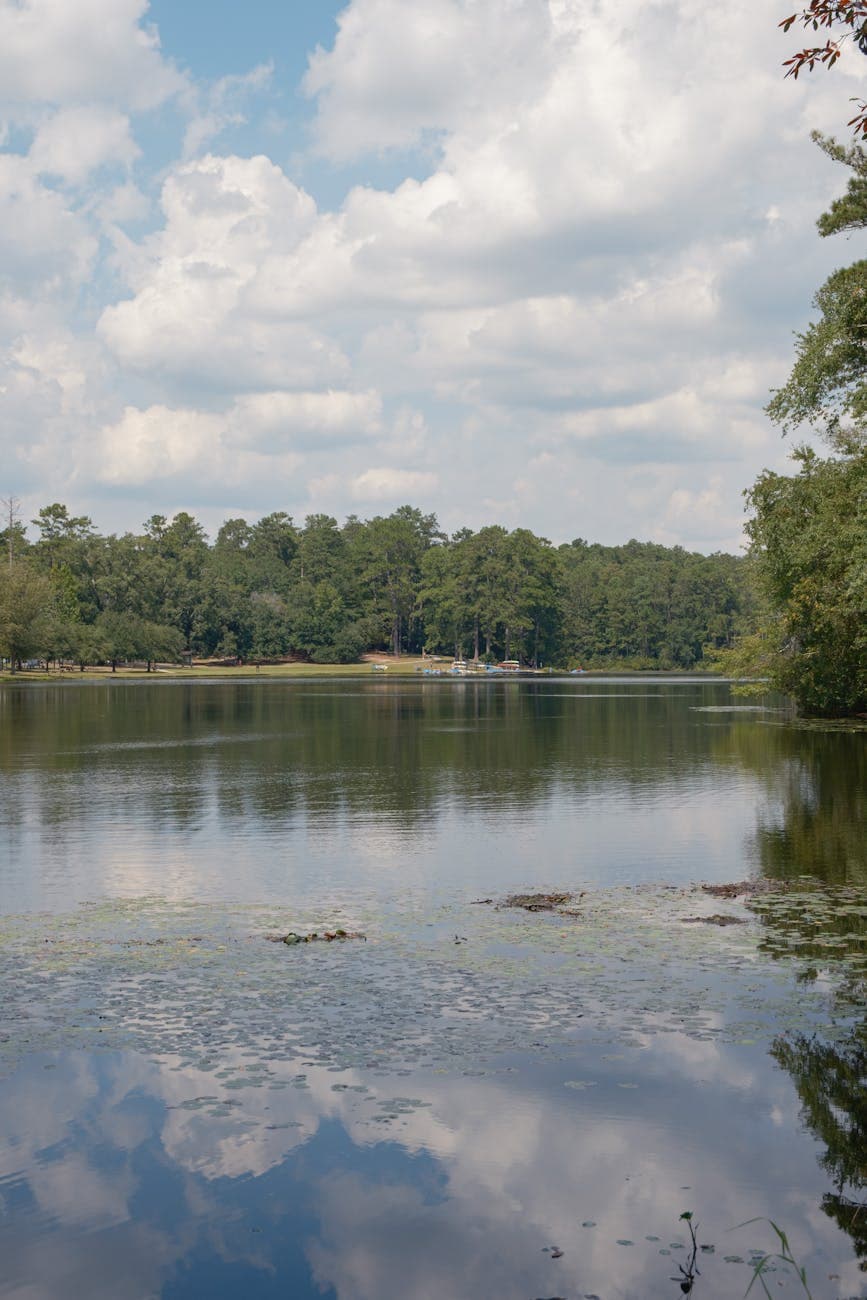
A short, easy drive winds along the lakeshore, where granite monoliths rise sharply from the water and reflect in near-perfect stillness on calm mornings. Several pull-outs invite you to step out, breathe in the scent of dry prairie grass, and simply look—no hiking required to appreciate the scale of these 500-million-year-old peaks. It's an ideal pace-setter after the morning's walking at Holy City.
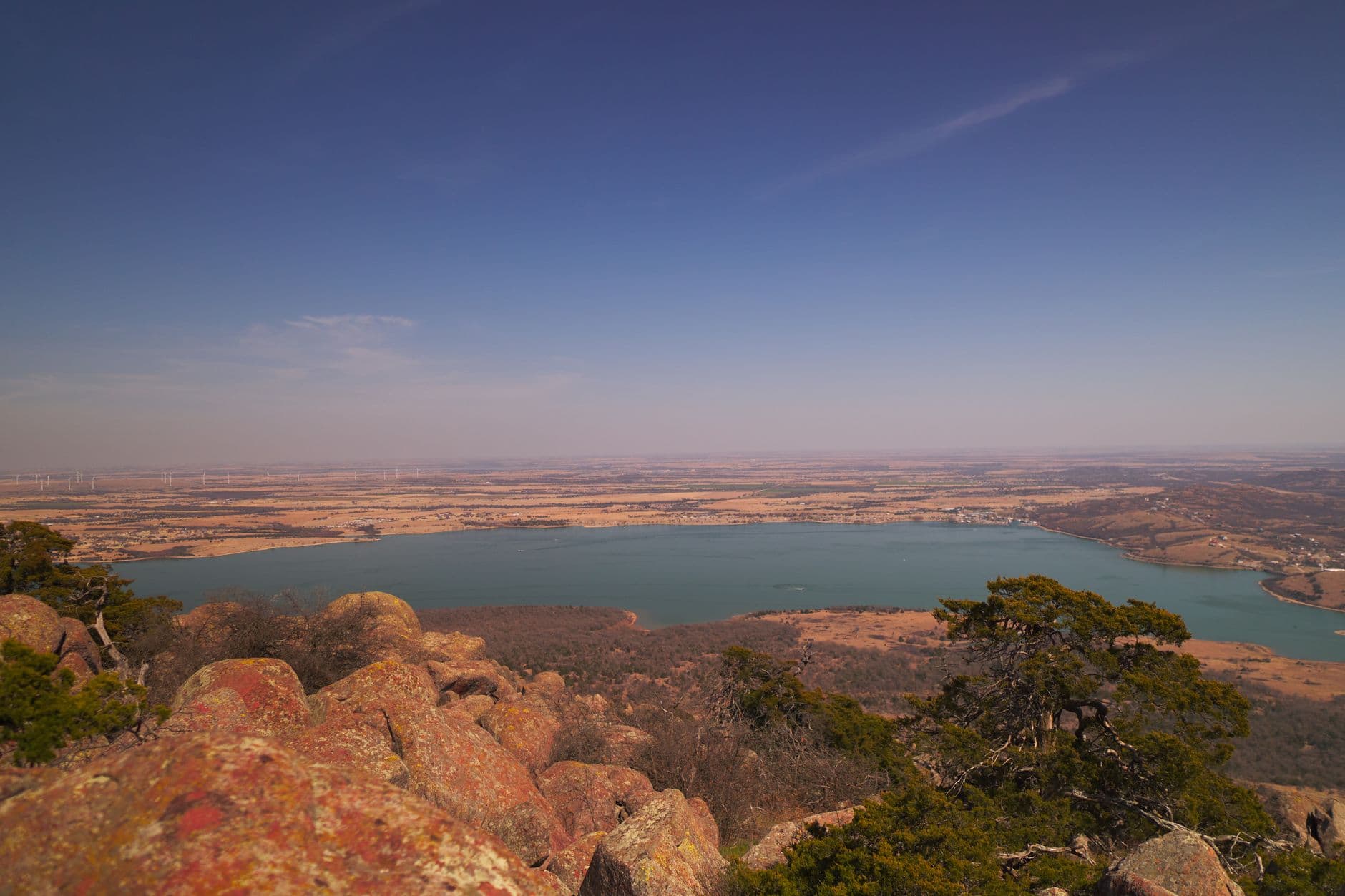
The day begins among the quiet stone structures of Holy City, where early light and total stillness make the unusual architecture feel almost otherworldly. Flat paths and frequent benches make this an easy, unhurried start to the day, with plenty of room to pause and take in the details.
From there, a short scenic drive along Quanah Parker Lake offers dramatic granite views without demanding any real walking, a gentle way to close out the refuge exploration. The reflections on the water and the quiet pull-outs make this a fitting, low-key finale to two days of granite peaks and open grassland.
As the refuge has no evening services, plan to head toward Lawton or Meers for dinner and a relaxed end to the trip, giving yourselves time to reflect on the trip over a comfortable, unhurried meal before departing the area.
Want to tweak this trip?
Our AI planner can customize this itinerary to your exact dates, interests, and travel style.
Customize This ItineraryRestaurant details (hours, menus, availability) change frequently. Check current hours before visiting, especially in seasonal destinations.
Dietary compatibility tags are general guidance. If you have severe allergies, confirm directly with the restaurant.
Travel tips are general guidance, not professional safety advice. Check government advisories for latest information.
All prices are approximate and may vary seasonally.