Wichita Mountains NWR, Oklahoma
3-Day Itinerary for Solo Traveler
“Granite, Grass, and Solitude: 3 Days in the Wichita Mountains”
Granite domes rise out of the Oklahoma grassland like something older than time, and the prairie between them hums with wind and bison breath. Spring here means wildflowers threading through red-brown rock, quick-moving storms, and mornings so still you can hear your own footsteps on the trail. This is a refuge built for slow, solitary wandering — no crowds to navigate, just you, the wind, and a herd of bison that couldn't care less about your schedule.
At a Glance
Highlights
- Sunrise summit views from Oklahoma's highest point
- Walking distance from grazing bison herds on open prairie
- Granite monoliths reflected in Quanah Parker Lake
- Biblical stone architecture at the Holy City amphitheater
- Wildflower-dotted trails with minimal shoulder-season crowds
- Golden hour light on 500-million-year-old rock faces
- Genuine solitude just a short drive from Lawton
Day-by-Day Plan
Day 1: First Light on the Eastern Ridges
A gentle introduction to the refuge's eastern cluster — a summit drive, an easy prairie walk, and an indoor stop to get oriented, covering roughly 3 miles on foot at an easy pace.
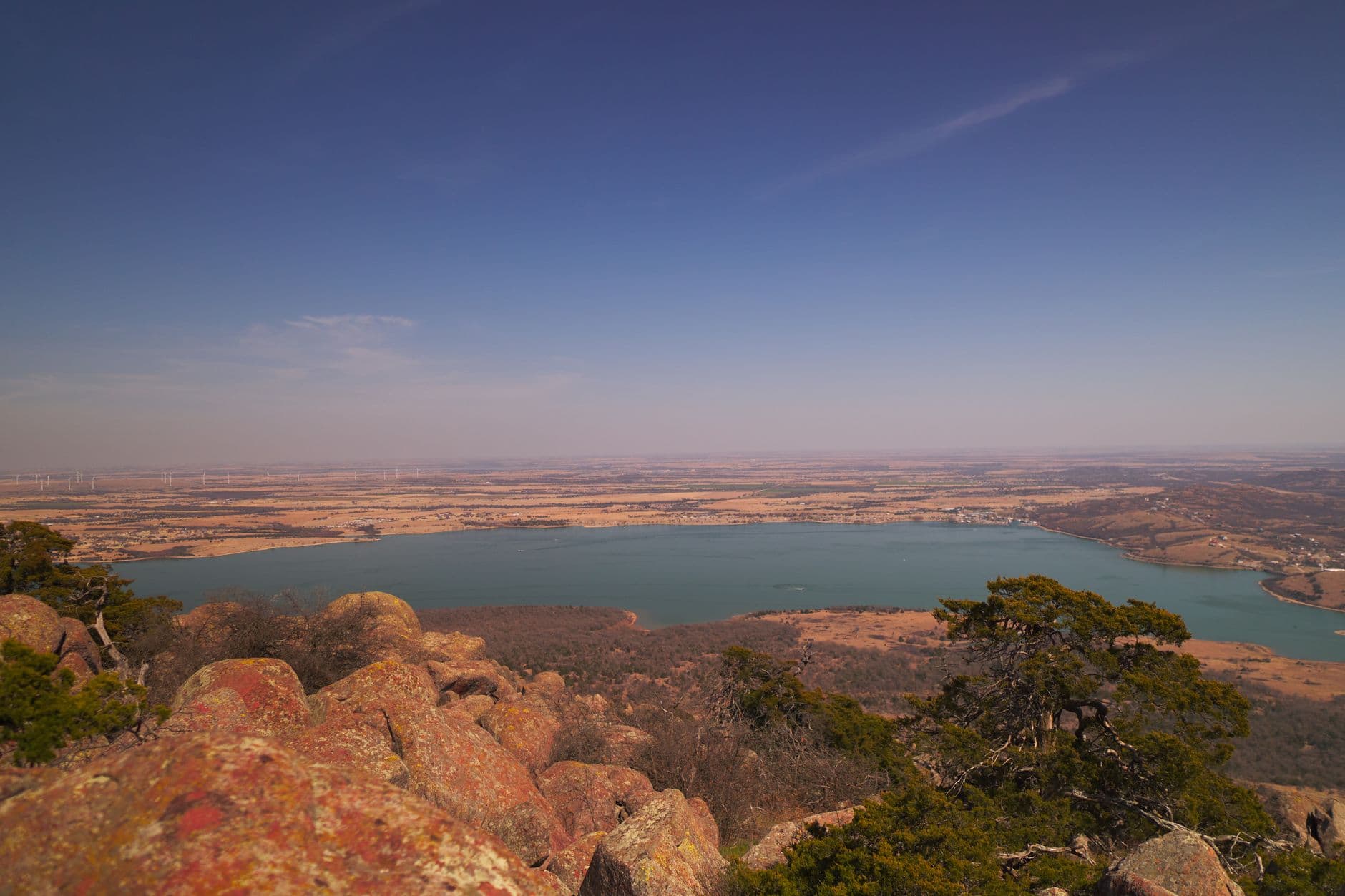
Arrive while the air still carries the night's chill and the summit road is nearly empty — by 7am you'll likely have the granite outcrop to yourself, just wind and the slow gold spreading over the prairie below. The paved ascent is manageable solo, with pull-outs for photos along the hairpin turns, and the payoff at the top is a 360-degree view that makes the whole trip feel worth it on day one. This is an easy way to ease into the refuge without overexerting yourself after a travel day.
After the open-air exposure of the summit, the cool, air-conditioned exhibits offer a low-key way to learn the refuge's story — conservation history, geology, and wildlife facts that will make the rest of your days here click into place. Rangers are often around and happy to chat with solo visitors about current wildlife sightings or trail conditions, a good low-pressure way to get some social interaction on day one.
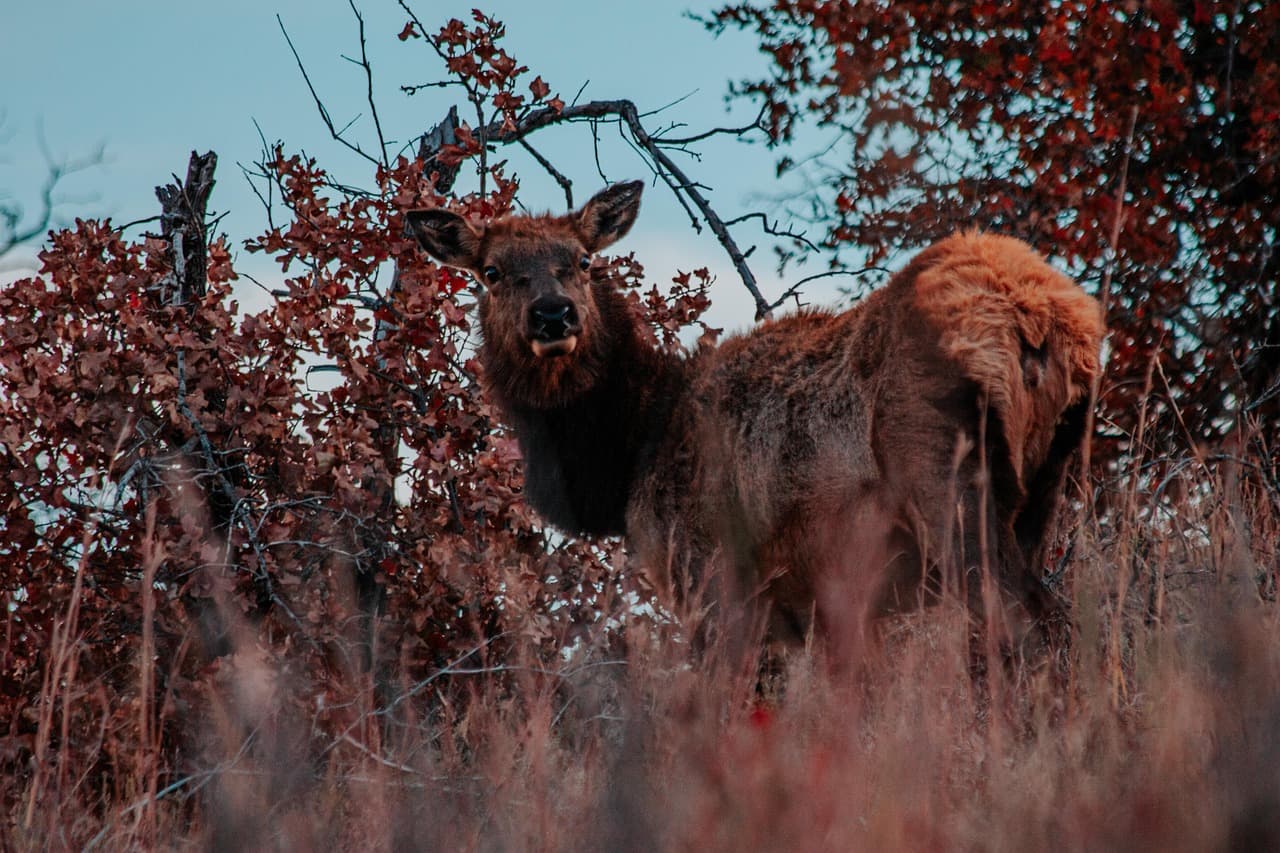
The trail opens onto rolling grassland where dark bison shapes graze in the near and far distance — keep your zoom lens ready and your feet still. The solitude here is the real draw for a solo traveler: wind, grass, and the occasional distant bellow, with no one else on the trail to break the spell. Midday light is flatter than dawn, but the bison are often more active and visible as the morning chill burns off.

The day begins before most of the refuge wakes up, with a solo drive up Mount Scott while the granite is still cool and the light low and amber. Having the summit nearly to yourself is a rare gift — take the extra time to simply sit on the outcrop and let the scale of the place sink in before the day gets busier.
Midday shifts from vertical to horizontal — from mountain views to flat, open prairie where bison move slowly through tall grass. The pace eases, the walking is gentler, and the Bison Prairie Trail rewards patience over exertion, a good balance after the morning's climb.
With no dining facilities inside the refuge, plan to head back toward Lawton for the evening and settle into your lodging before dark — the refuge closes at dusk, and the drive out is a peaceful way to decompress, scanning for wildlife silhouettes against the sunset sky one last time.
Day 2: Granite Water and Ancient Stone
A relaxed day exploring the western Holy City cluster — a scenic lake drive and an immersive stop among biblical-era stone structures, with under 2 miles of walking total.
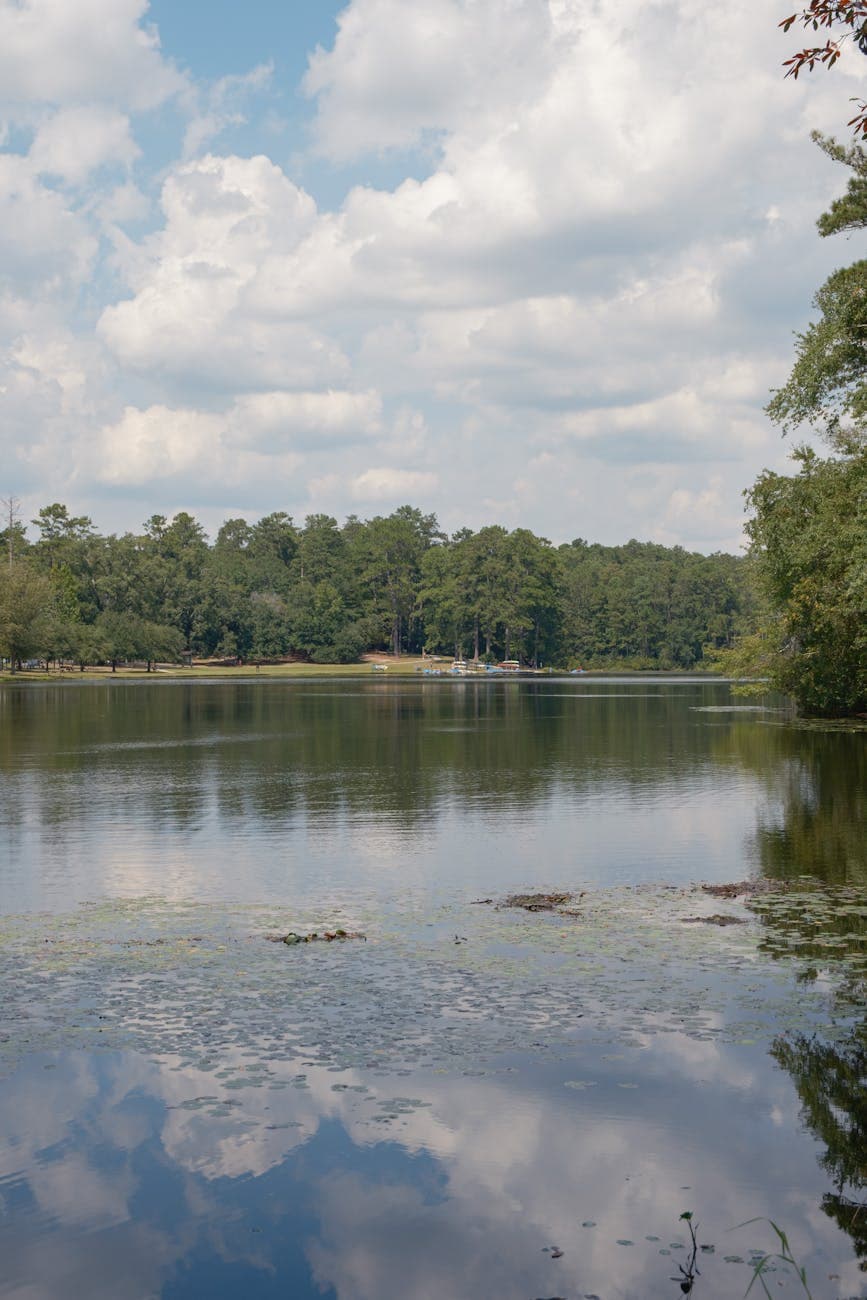
Early morning is when the lake is glassiest and the granite peaks double themselves perfectly in the water — arrive before 8am and you'll likely have each pull-out to yourself. The quiet here is different from the open prairie: closer, more intimate, with hawks circling overhead and the occasional splash of waterfowl breaking the stillness. A slow drive with frequent stops suits a solo pace perfectly; there's no rush to keep up with anyone else.
Stepping into the Holy City feels like stumbling onto a film set built from the mountains themselves — towering stone structures, a hushed amphitheater, and the smell of warm granite and sage. It's an unusual, almost surreal stop, equal parts spiritual pilgrimage and geological curiosity, and solo travelers often find the quiet contemplative spaces here a nice change of pace from strenuous hiking. Take your time wandering between structures; there's a small museum and gift shop if conversation with staff or fellow visitors appeals.

The day opens slow and reflective, quite literally — still water, mirrored granite, and a scenic drive that asks nothing more of you than to stop the car and look. It's a gentler start than yesterday's summit climb, ideal for a solo traveler easing into a rhythm.
By midday, the mood shifts from natural beauty to something stranger and more contemplative at the Holy City — stone towers, open-air chapels, and a hush that invites slow wandering rather than brisk hiking. It's a good stop for solo travelers who want a change of pace from pure wilderness.
As the light softens, head back toward Lawton or Meers for the evening, the granite peaks fading to silhouette in the rearview mirror. With no refuge dining options, plan your evening meal in town and let the day's quieter pace carry into a relaxed night.
Day 3: Last Light on the High Trails
A final immersive day back in the eastern cluster, revisiting the prairie trail at a different hour and catching sunset from the summit, covering roughly 3–4 miles total.
Returning to the prairie trail at dawn on your final day reveals a different herd dynamic than midday — bison tend to be more active right after sunrise, and the early light gives the grasslands a honeyed glow. Solo hikers will appreciate the near-total solitude at this hour; it's a meditative bookend to the trip, retracing familiar ground with fresh eyes.
A shorter return visit works well here — pick up any last trail maps, chat with a ranger about final day recommendations, or simply enjoy the air conditioning before the afternoon's final push to the summit. It's a low-energy stop that lets you recalibrate before the day's main event.
Closing the trip with sunset from Mount Scott feels like the right kind of bookend — the same granite outcrop as day one, but now bathed in the deep gold and violet of a prairie sunset, the Wichita Mountains falling into silhouette below. Evening crowds thin out fast as the light fades, leaving plenty of room for a quiet, reflective farewell to the refuge before the drive out.
The final morning circles back to the prairie, bison grazing in the cool dawn light one last time — a quiet, familiar routine that feels earned after two days of exploring. The solitude here remains the trip's throughline, a reminder of why this refuge rewards slow, solo wandering.
A lighter midday stop at the visitor center offers a chance to rest, reflect, and gather any last information before the day's final climb — a gentle pause between the morning's walk and the evening's summit push.
The trip closes the way it began — on Mount Scott's granite summit, but now with the sun sinking rather than rising, casting the whole refuge in fading gold and purple. It's a fitting, quiet farewell before heading back toward Lawton for a final meal and the drive home tomorrow.
Want to tweak this trip?
Our AI planner can customize this itinerary to your exact dates, interests, and travel style.
Customize This ItineraryRestaurant details (hours, menus, availability) change frequently. Check current hours before visiting, especially in seasonal destinations.
Dietary compatibility tags are general guidance. If you have severe allergies, confirm directly with the restaurant.
Travel tips are general guidance, not professional safety advice. Check government advisories for latest information.
All prices are approximate and may vary seasonally.