Lowcountry (Charleston, Beaufort), South Carolina
2-Day Itinerary for Active Retirees
“Oak Shadows & Harbor Light: Two Days in the Lowcountry”
Here, live oaks lean low with the weight of centuries, and the harbor keeps its own tidal clock. This two-day passage through the Lowcountry moves at the speed of a porch swing — ample time to stand beneath a 400-year-old canopy, cross the water to a Civil War fort, and let a plate of shrimp and grits linger past its welcome.
At a Glance
Highlights
- Stand in the cool hush beneath the 400-year-old Angel Oak
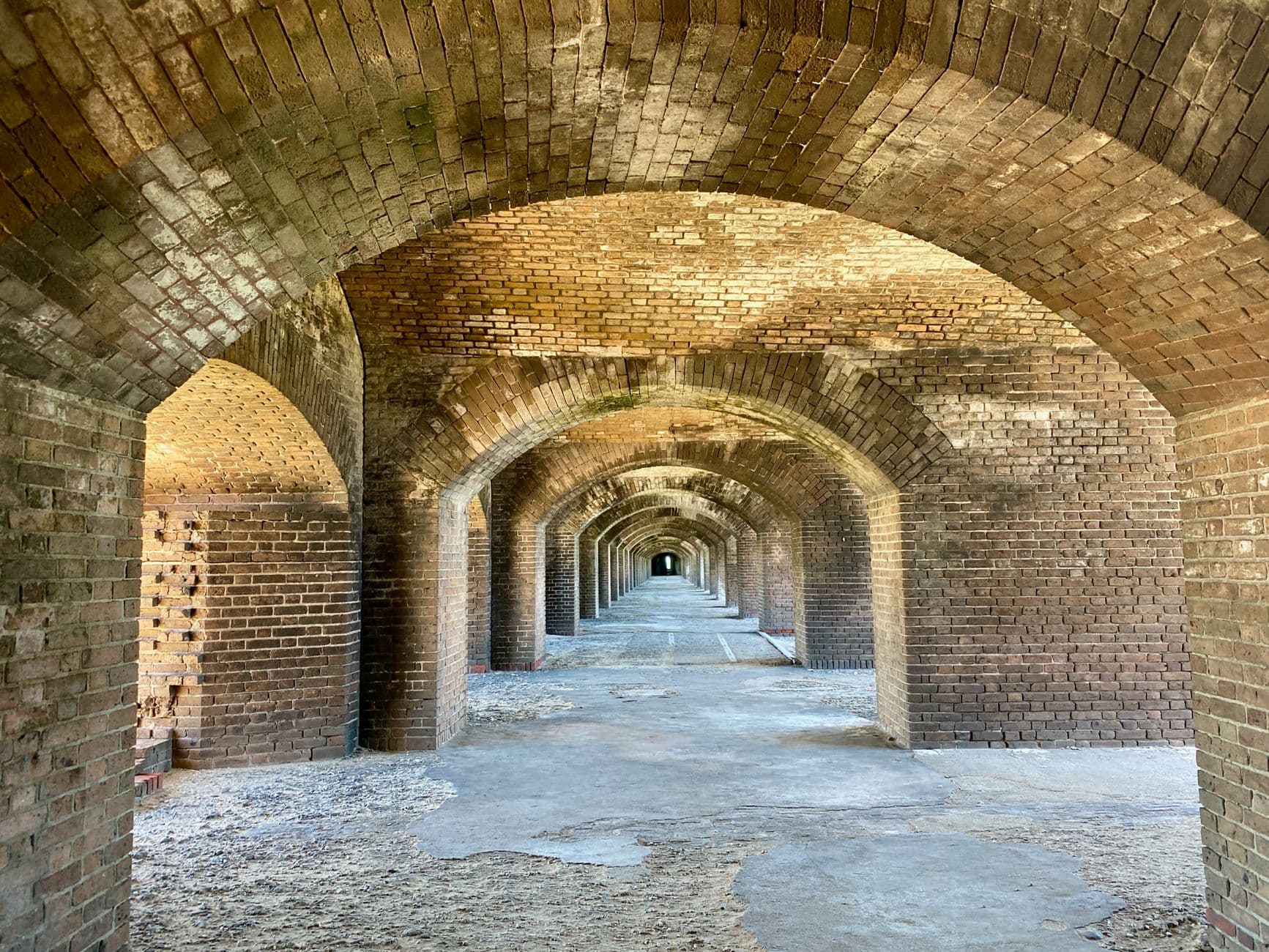
- Cross Charleston Harbor by ferry to Fort Sumter's weathered brick ramparts
- Watch golden light filter through Spanish moss at a near-empty morning site
- Savor a slow, unhurried Lowcountry lunch with harbor views
- Trace the first shots of the Civil War from the ramparts at sunset light
- Gentle pacing throughout — flat paths, frequent benches, zero rushing
Day-by-Day Plan
Day 1: Beneath the Ancient Canopy
A soft, low-exertion first day centered on a single natural landmark, with flat paved paths and less than a mile of total walking.
Arrive by 9am and the canopy is nearly yours alone — later, tour groups arrive in waves. The branches sweep low and wide overhead, some resting on the earth like tired arms, filtering gold light through Spanish moss into a hush broken only by birdsong. Benches sit at regular intervals beneath the shade, making this an easy, unhurried first stop to simply breathe and look up.

The day begins gently, with the drive out to Johns Island and the quiet astonishment of Angel Oak. There's no rush here — this is a day built around a single, contemplative stop, ideal for easing into the trip's rhythm after travel. Arrive early, find a bench in the shade, and let four centuries of oak wisdom set the pace for everything that follows.
After the oak, ease into a relaxed midday meal nearby — nothing elaborate, just good food and a chance to sit a while. The rest of the afternoon can be left open for rest, a slow walk through downtown Charleston's streets, or simply settling into lodging ahead of tomorrow's fuller day at Fort Sumter.
Keep the evening low-key — an early dinner in the historic district and a quiet night in, conserving energy for tomorrow's harbor crossing. Charleston's restaurants hit their stride around 6-8pm, so there's no need to eat early out of necessity, only out of preference.
Day 2: Harbor Crossing to History
A moderate-energy day centered on the Fort Sumter ferry crossing and ramparts walk, with flat, accessible paths throughout and roughly 1-1.5 miles of total walking.
Book the earliest ferry departure — by mid-morning the boat and fort both fill with weekend crowds. The crossing itself is part of the experience: a gentle rock over harbor water, gulls wheeling overhead, salt air settling into your collar. On the island, weathered red brick casemates and the sweep of the ramparts hold a quiet weight — this is where the first shots of the Civil War were fired, and standing on that ground carries a different kind of gravity than reading about it.
The day opens with a gentle ferry crossing of Charleston Harbor, the kind of unhurried water journey that feels like a reward in itself. Arriving at Fort Sumter early means quiet ramparts and space to walk the casemates without jostling — a rare chance to feel the historic weight of the place without a crowd pressing in.
After the ferry returns you to the Charleston waterfront, the pace slows further — a relaxed lunch somewhere downtown, then an open afternoon to wander the historic district's cobblestone streets at whatever speed feels right, resting on benches or in a shaded square whenever the mood strikes.
Close the trip with a leisurely dinner in the historic district, timed comfortably before 8pm. Let the evening be unhurried — a fitting final note for two days spent letting the Lowcountry's own slow rhythm set the schedule.
Want to tweak this trip?
Our AI planner can customize this itinerary to your exact dates, interests, and travel style.
Customize This ItineraryRestaurant details (hours, menus, availability) change frequently. Check current hours before visiting, especially in seasonal destinations.
Dietary compatibility tags are general guidance. If you have severe allergies, confirm directly with the restaurant.
Travel tips are general guidance, not professional safety advice. Check government advisories for latest information.
All prices are approximate and may vary seasonally.