Lowcountry (Charleston, Beaufort), South Carolina
3-Day Itinerary for Solo Traveler
“Marsh Light & Oak Shadow: A Solo Lowcountry Wander”

Spanish moss sways over cobblestones and salt marsh in equal measure here — this is a Lowcountry unhurried enough to wander alone, safe enough to linger, and rich enough in oyster shacks and communal tables that solo dinners never feel lonely. Spring adds wildflowers to the marsh edges and a softness to the light that makes even a 400-year-old oak feel newly discovered.
At a Glance
Highlights
- Standing alone beneath the ancient limbs of Angel Oak at first light
- Ferry spray and gull cries en route to Fort Sumter's brick ramparts
- Wandering wild, undeveloped Botany Bay's tabby ruins and shell rings
- Barefoot hours on Edisto's untouched barrier-island sand
- Tracing Gullah heritage through the quiet grounds of Penn Center
- Slow Southern dinners at bars and communal tables built for solo conversation
Day-by-Day Plan
Day 1: Roots and Ramparts: Charleston's Oak and Harbor
A gentle first day pairing a quiet morning beneath an ancient oak with an afternoon ferry to Fort Sumter — about 2 miles of walking total, low-to-moderate energy.
Arrive by 8am and the massive canopy is yours alone — dappled gold light falls through 400-year-old branches onto soft earth, and the only sound is birdsong. As a solo traveler, this is the rare stop where silence itself is the reward; take the full hour to walk the loop twice, once for the wide shot and once for the bark and root textures up close. By 9:30am tour vans start arriving and the hush breaks.

The ferry ride alone is worth the trip — harbor spray on your face, gulls wheeling overhead, downtown Charleston shrinking behind you. Once ashore, the weathered brick casemates and quiet ramparts invite unhurried wandering; as a solo visitor, join one of the included ranger talks, a natural way to strike up conversation with fellow travelers. Book your ferry slot a day ahead in spring — weekend departures sell out.
The day opens slow and grounding: Angel Oak at dawn, its canopy a natural cathedral of gnarled branches and gray-green moss. There's no itinerary to rush here, just the crunch of earth underfoot and the rare gift of having something ancient entirely to yourself.
After a quick taco lunch, the pace shifts toward the harbor — a ferry ride out to Fort Sumter, where salt air and brick ramparts hold the weight of history. It's a good stop for solo travelers craving both solitude and easy social moments, thanks to ranger-led talks that naturally cluster small groups together.
Back in downtown Charleston by early evening, settle into the city's rhythm — dinner service peaks between 6 and 8pm, so there's time to wander cobblestone streets, get oriented, and rest up for tomorrow's drive south to Edisto.
Day 2: Wild Edges: Marsh, Ruin, and Tide
A full outdoor day on Edisto Island covering roughly 3–4 miles between Botany Bay's shell-strewn trails and the open beach, moderate energy throughout.
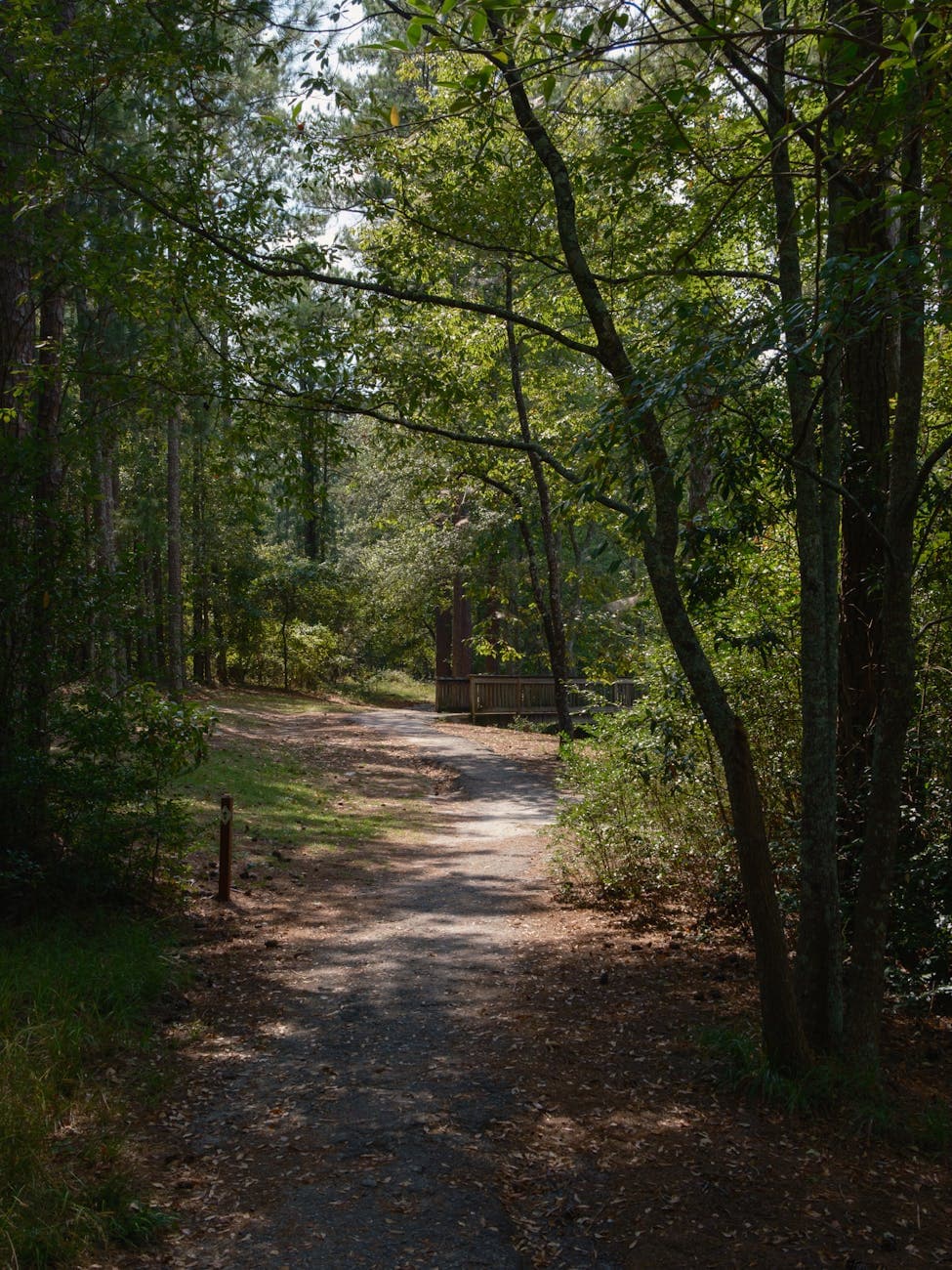
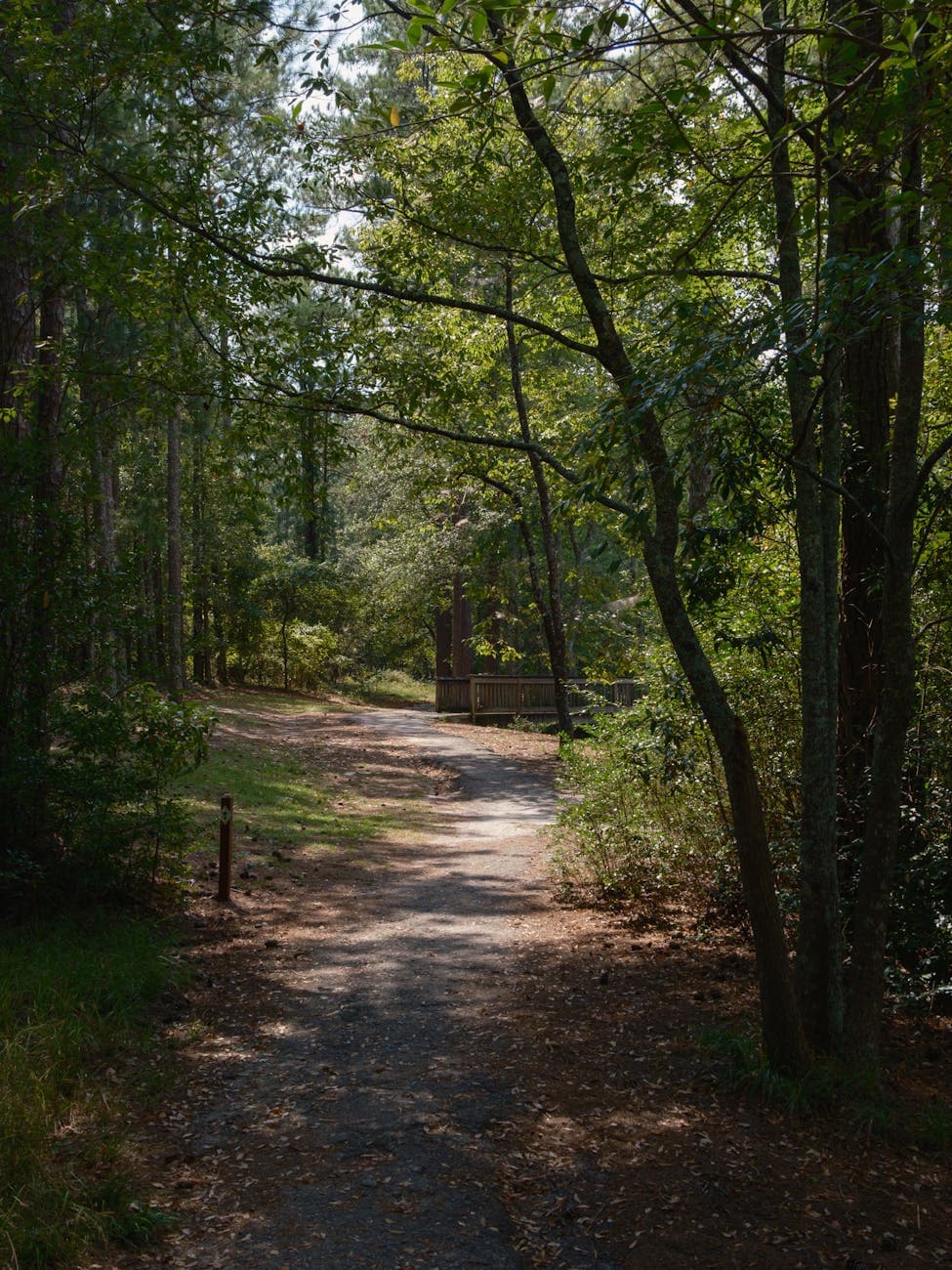
Arrive early and the preserve feels prehistoric — oyster shell crunches underfoot, herons call from somewhere in the marsh, and the tabby ruins of Bleak Hall stand half-swallowed by moss and time. This is prime solo-traveler territory: the trails are quiet enough for reflection, and the eerie beauty of the ghost forest at the eastern end rewards patient wandering. Weekday mornings offer near-total solitude.

After the marsh's hushed intensity, the open beach feels like an exhale — wide sand, rhythmic waves, and enough space to walk for miles without seeing another soul in the spring shoulder season. Spend the afternoon alternating between walking, reading on the sand, and wading in cool spring water; solo travelers often find this stretch of coast the most restorative stop of the whole trip.

The morning belongs to Botany Bay — a landscape suspended between wild and haunted, where tabby ruins and ancient shell rings sit quietly beneath oak canopies. It rewards slow, solitary movement more than any other stop on this trip.
By midday, the mood lightens considerably as the drive delivers you to Edisto's open beach — hours stretch ahead for walking the shoreline, wading into the surf, or simply sitting with a book as the tide inches closer. It's an easy, unstructured afternoon built for recharging.
As the sun drops toward the pier, colors turn soft gold over the water — a fitting quiet close to a day defined by marsh, ruin, and tide. Plan dinner options in town rather than expecting formal dining right at the beach access points, since this stretch of coast keeps things low-key and unmapped in spots.
Day 3: Gullah Ground: Saint Helena's Quiet Legacy
A shorter, contemplative final day centered on Penn Center's historic grounds — under 1 mile of walking, low energy, ideal for a reflective departure day.
Arrive when the campus is still quiet — soft morning light through the live oaks, shell-lined paths crunching underfoot, and a profound hush settling over grounds that shaped the birthplace of African American education in the South. As a solo traveler, this is a place best absorbed slowly: read every placard, sit beneath Darrah Hall's oaks, and let the weight of the history settle in without needing to rush to a next stop.

The final morning slows deliberately — Penn Center's oak-shaded grounds invite quiet reflection on Gullah heritage and resilience, a fitting bookend to a trip that began beneath another ancient canopy at Angel Oak.
With the drive back toward Charleston or onward travel ahead, the early afternoon is best kept open and flexible — a final coffee or light lunch in Beaufort's historic district makes a graceful last stop before departure.
Depending on flight or travel timing, evening may simply mean the quiet close of a Lowcountry journey — moss, marsh, and history folding into memory as the coast recedes in the rearview mirror.
Want to tweak this trip?
Our AI planner can customize this itinerary to your exact dates, interests, and travel style.
Customize This ItineraryRestaurant details (hours, menus, availability) change frequently. Check current hours before visiting, especially in seasonal destinations.
Dietary compatibility tags are general guidance. If you have severe allergies, confirm directly with the restaurant.
Travel tips are general guidance, not professional safety advice. Check government advisories for latest information.
All prices are approximate and may vary seasonally.