Lowcountry (Charleston, Beaufort), South Carolina
3-Day Itinerary for Teen Families
“Live Oaks, Salt Marsh & Southern Light: 3 Days in the Lowcountry”
Spanish moss sways over cobblestones one day and windswept marsh grass the next — the Lowcountry moves at the pace of the tide, and it's built for families with teens who want history that doesn't feel like homework and beaches that don't feel like everyone else's vacation photos. Spring here means dogwood blooms, mild afternoons, and just enough shoulder-season quiet to actually hear the herons.
At a Glance
Highlights
- Stand beneath a 400-year-old live oak with branches that touch the ground
- Ferry across Charleston Harbor to the fort where the Civil War began
- Explore tabby ruins and prehistoric shell rings on a wild barrier island
- Walk a wide, uncrowded beach where wild horses have been known to wander
- Visit the birthplace of African-American education at Penn Center
- Golden-hour photo ops at nearly every stop, from oak canopies to marsh boardwalks
- Casual, teen-approved dining without a single stuffy tablecloth in sight
Day-by-Day Plan
Day 1: Ancient Roots and Harbor Echoes
A gentle first day pairing a quiet nature moment under a centuries-old oak with a harbor crossing to Fort Sumter — about 2 miles of walking total, low-to-moderate energy.
Arrive by 9am and the massive limbs of this 400-year-old live oak are still catching low, golden light, the canopy nearly empty of other visitors. Kids and teens alike tend to go quiet here — the branches dip to the ground and curl back up like something out of a fantasy novel, and the paved paths make it easy to circle the whole tree without a hike. It's a soft landing for day one: low effort, high wonder.

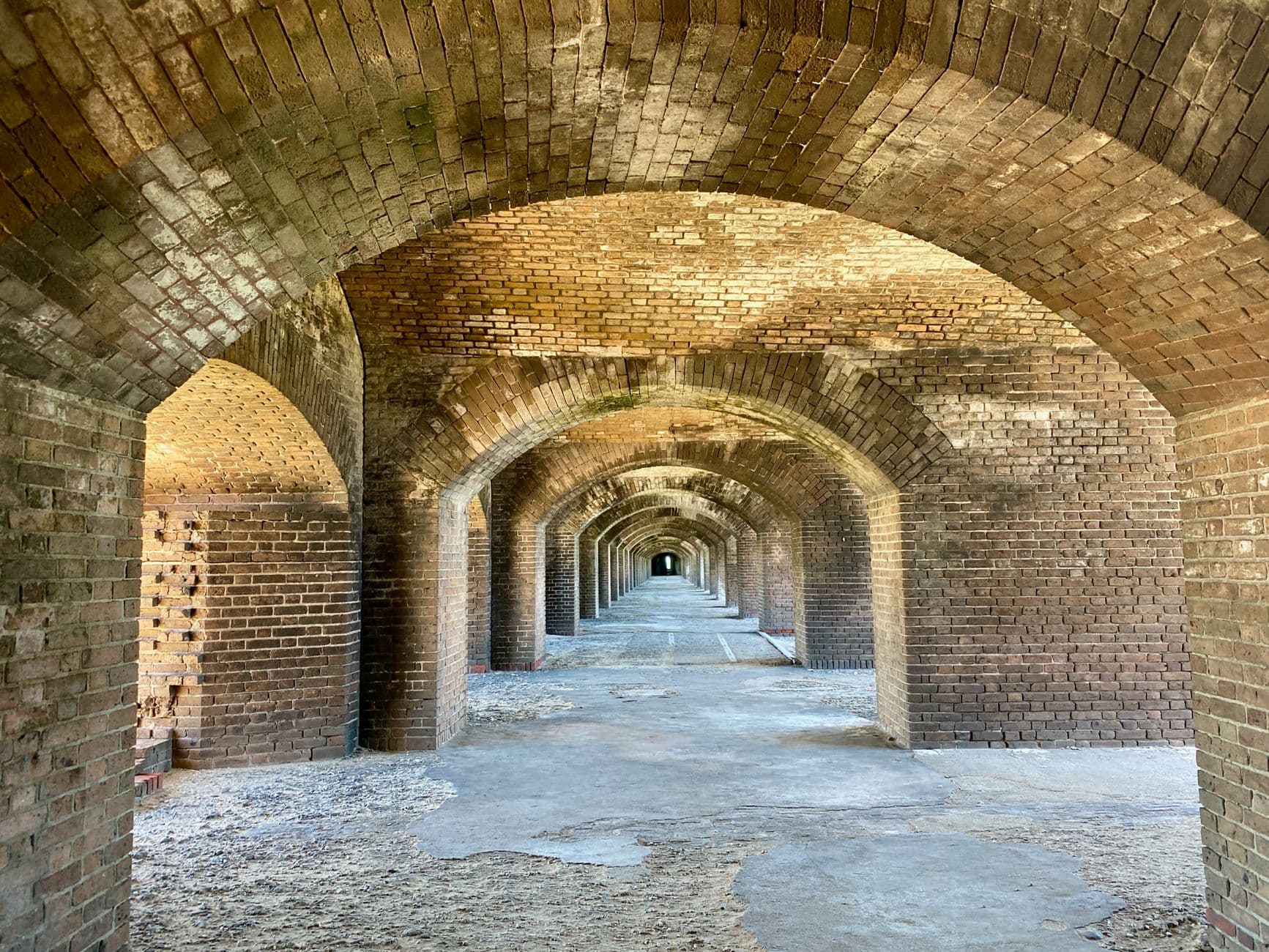
The ferry ride itself is half the experience — harbor wind, gulls trailing the wake, downtown Charleston shrinking behind you. Once ashore, weathered brick casemates and cannon batteries tell the story of the war's opening shots in a way that keeps teens engaged, especially with the ranger talks and hands-on artifact displays. Budget the full 2 hours; the ferry runs on a schedule, so there's no rushing this one anyway.
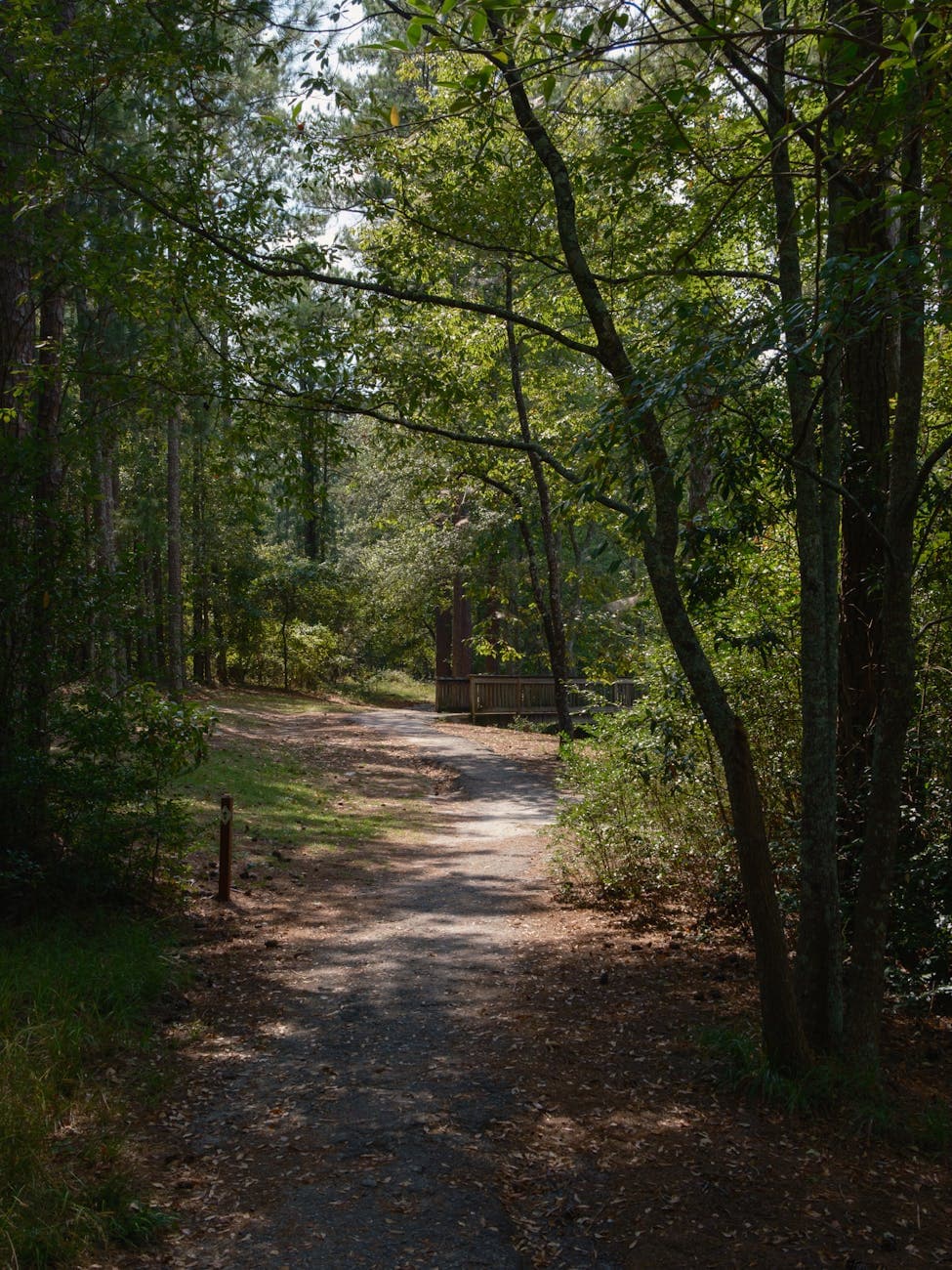
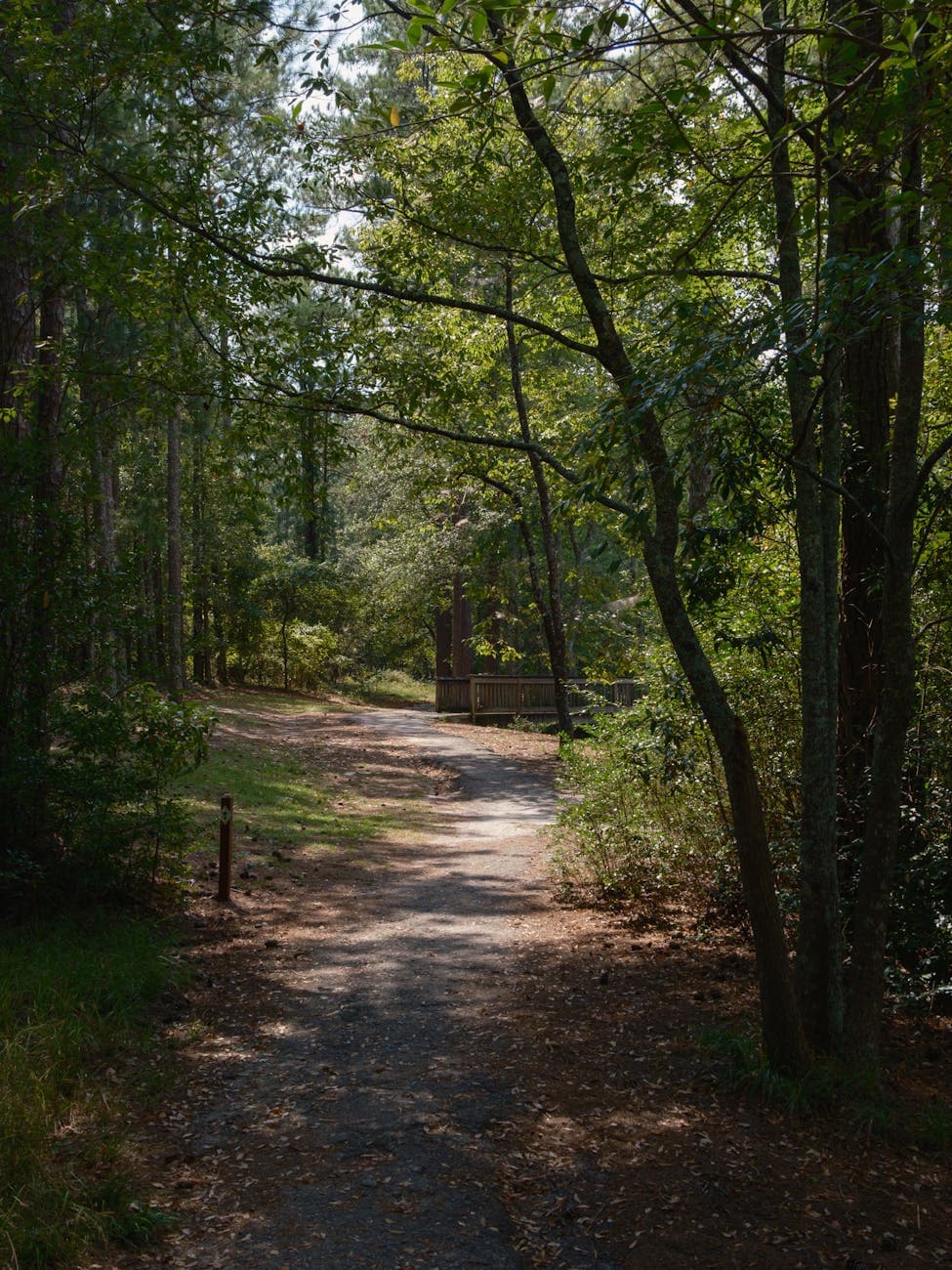
The day opens slow and grounding: gravel crunching underfoot, moss swaying overhead, and the kind of quiet that resets a travel-weary family. Angel Oak asks nothing of you but presence — no long hike, no lines yet, just four centuries of oak wood to walk beneath while the morning light is still soft.
After a quick taco lunch, the pace shifts toward the water. The ferry out to Fort Sumter turns transportation into part of the experience, harbor spray and gull cries setting the mood before you even reach the fort's brick walls. Inside, the history feels tactile — teens can touch reconstructed cannon mounts and trace bullet-pocked brick, while parents appreciate the shaded, well-paced walking route.
Back on dry land, keep it easy: settle into downtown Charleston, let the day's walking catch up with everyone, and turn in early. Day one is about arrival, not exhaustion — tomorrow's drive to Edisto calls for rested legs.
Day 2: Wild Shores and Tabby Ruins
A full day exploring Edisto Island's untamed beaches and the ghostly ruins of Botany Bay — roughly 3–4 miles of walking on sand and shell paths, moderate energy.
Get here early — by 8:30am the preserve is nearly silent except for herons and the crunch of oyster shell underfoot. The tabby ruins of Bleak Hall rise out of the undergrowth like something abandoned mid-story, and the ancient shell rings nearby hint at a human history stretching back thousands of years. Teens who roll their eyes at museums tend to perk up here — it feels less like a tour and more like discovery.

The wide, uncrowded beach here is the day's payoff — soft sand, rolling surf, and none of the elbow-to-elbow crowds of bigger coastal towns. Give teens a stretch of independence to explore the tide pools or walk to the ghost forest at the eastern end while parents settle in with a book; the flat, accessible sections make it easy for everyone to find their own rhythm. Pack a lunch or plan to eat in town — this is a build-your-own-afternoon kind of stop.

The morning belongs to Botany Bay's hush — shell paths, tabby ruins, and the sense of stepping into a much older Lowcountry. It rewards patience and curiosity more than speed, which makes it a good match for a mixed-age group moving at different paces.
By midday, the mood shifts from exploration to release — Edisto's beach offers space to spread out, swim, and let teens wander a bit on their own while the tide does its slow work. This is the day's longest stop, and intentionally so; there's little reason to rush a beach this good.
As the light turns amber, wind down with a walk toward the ghost forest for photos before heading back toward lodging. Dinner options here run casual and unhurried — in keeping with Edisto's slower clock, plan for an early meal and an early night.
Day 3: Gullah Roots on Saint Helena
A shorter, reflective final day centered on Penn Center's Gullah heritage grounds — under 2 miles of walking, low energy, ideal before travel.
Arrive by 9:30am while the live oaks still hold morning mist and the grounds are close to empty. Penn Center's story — the first school for formerly enslaved people in the South — lands differently for teens than a textbook chapter, especially walking the same shell-lined paths and standing inside Darrah Hall. It's a quiet, powerful way to close out the trip, low on physical demand but rich in reflection.

The final morning trades adrenaline for reflection. Penn Center's oak-canopied paths and quiet brick buildings offer a gentler kind of memorable — the sort of place that tends to come up again in conversation months after the trip ends.
With the morning's cultural stop complete and bags likely already packed, the afternoon opens up for the drive back toward the airport or next destination — a good buffer for lunch in Beaufort's historic district if time allows before departure.
There's no scheduled evening stop today — by design, this closing day keeps things light and flexible for travel logistics, letting the trip end on Penn Center's quiet note rather than another packed itinerary block.
Want to tweak this trip?
Our AI planner can customize this itinerary to your exact dates, interests, and travel style.
Customize This ItineraryRestaurant details (hours, menus, availability) change frequently. Check current hours before visiting, especially in seasonal destinations.
Dietary compatibility tags are general guidance. If you have severe allergies, confirm directly with the restaurant.
Travel tips are general guidance, not professional safety advice. Check government advisories for latest information.
All prices are approximate and may vary seasonally.