Lowcountry (Charleston, Beaufort), South Carolina
3-Day Itinerary for Active Retirees
“Moss, Marsh & Morning Light: 3 Days in the Lowcountry”
Here the oaks lean low with the weight of centuries, salt air settles into your shoulders like a held breath, and nothing rushes — not the tides, not the ferries, not you. This is a three-day unspooling of the Lowcountry at its most contemplative: antebellum brick, wild marsh, and the quiet dignity of Penn Center, all paced for lingering rather than checking boxes.
At a Glance
Highlights
- Stand beneath the 400-year-old canopy of Angel Oak in the hush of early morning
- Ferry across Charleston Harbor to the brick ramparts of Fort Sumter
- Wander tabby ruins and shell rings at Botany Bay with barely another soul in sight
- Feel the tide-paced calm of Edisto Island's shoreline
- Trace Gullah Geechee history through the live oaks of Penn Center
- Leisurely Lowcountry meals with no need to hurry a single course
Day-by-Day Plan
Day 1: Old Oaks and Harbor Brick
A gentle first day pairing ancient natural wonder with a leisurely harbor crossing to Civil War history — under 2 miles of walking, entirely flat.
Arrive by 8am and the park will be nearly empty — just you, the birdsong, and 400 years of gnarled, sprawling limbs forming a living cathedral overhead. The paved paths and frequent benches make this an easy, unhurried start to the trip, ideal for settling into Lowcountry time after travel. Let your eyes adjust to the dappled light filtering through Spanish moss before you even think about photos.

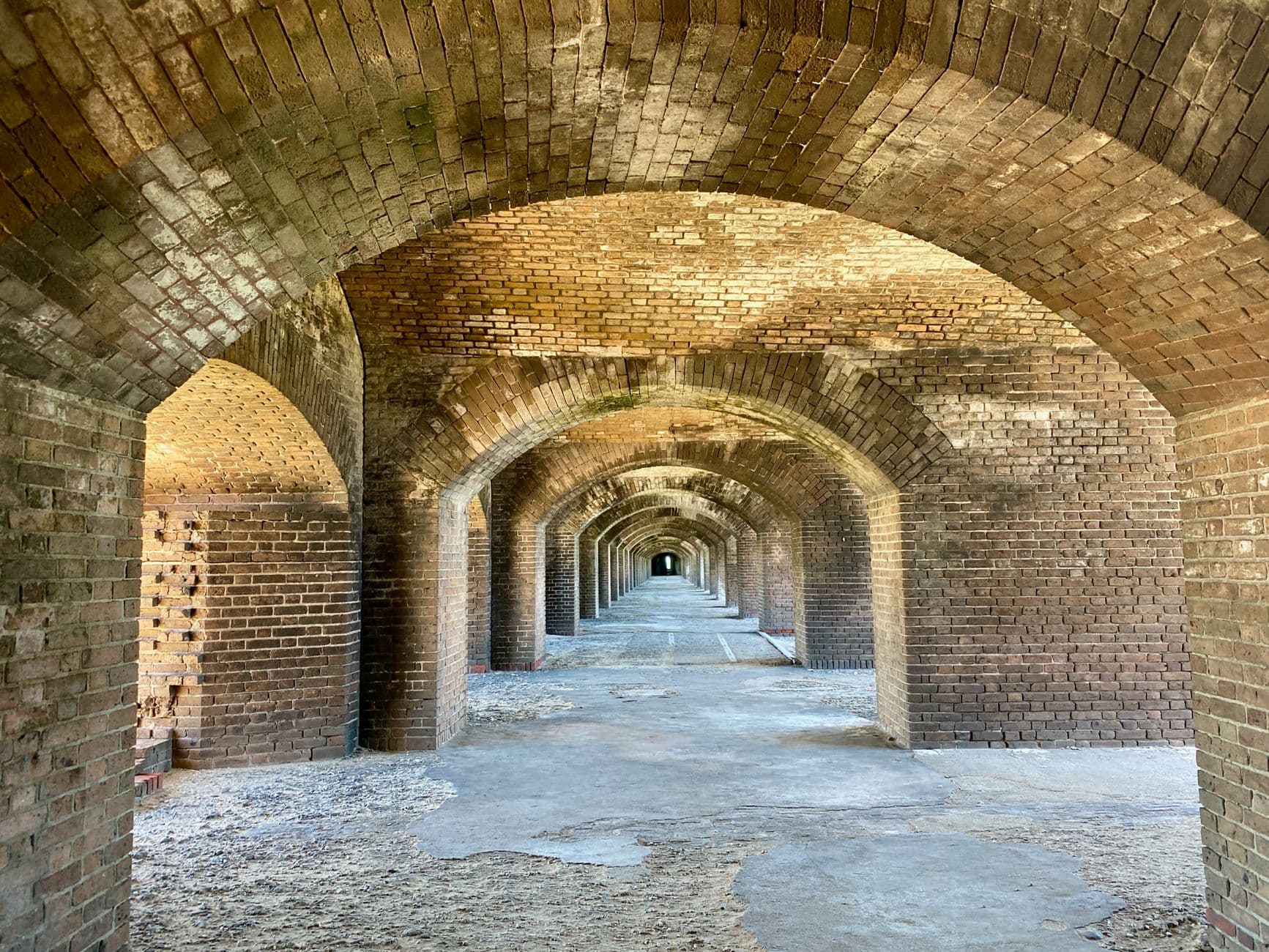
The ferry ride itself is part of the experience — a gentle rock across Charleston Harbor with gulls trailing overhead and the city skyline receding behind you. On the island, weathered red brick casemates and quiet ramparts hold the weight of where the Civil War began; exhibits are mostly covered or indoors, and benches are frequent along the flat walking paths. Give yourself the full two hours to actually absorb it rather than rush the ferry schedule.
The day opens slow and green, with Angel Oak's ancient canopy offering the kind of hush that resets a traveler's clock. Take your time here — there's no itinerary pressure, just cool shade, birdsong, and centuries of quiet growth overhead.
By late morning you'll drive back toward the harbor for the Fort Sumter ferry, trading forest silence for salt air and gull cries. The crossing itself is unhurried, and once ashore, the fort's brick corridors and open ramparts invite a slow, thoughtful walk through pivotal history.
With the day's two stops complete by early afternoon, the evening is yours to settle into downtown Charleston at whatever pace feels right — an early dinner and a quiet stroll along the harbor as the light softens are the perfect close to a gentle first day.
Day 2: Wild Edges of Edisto
A full but unhurried day exploring Edisto Island's untamed beaches and Botany Bay's atmospheric ruins, with roughly 2.5 miles of mostly flat walking.
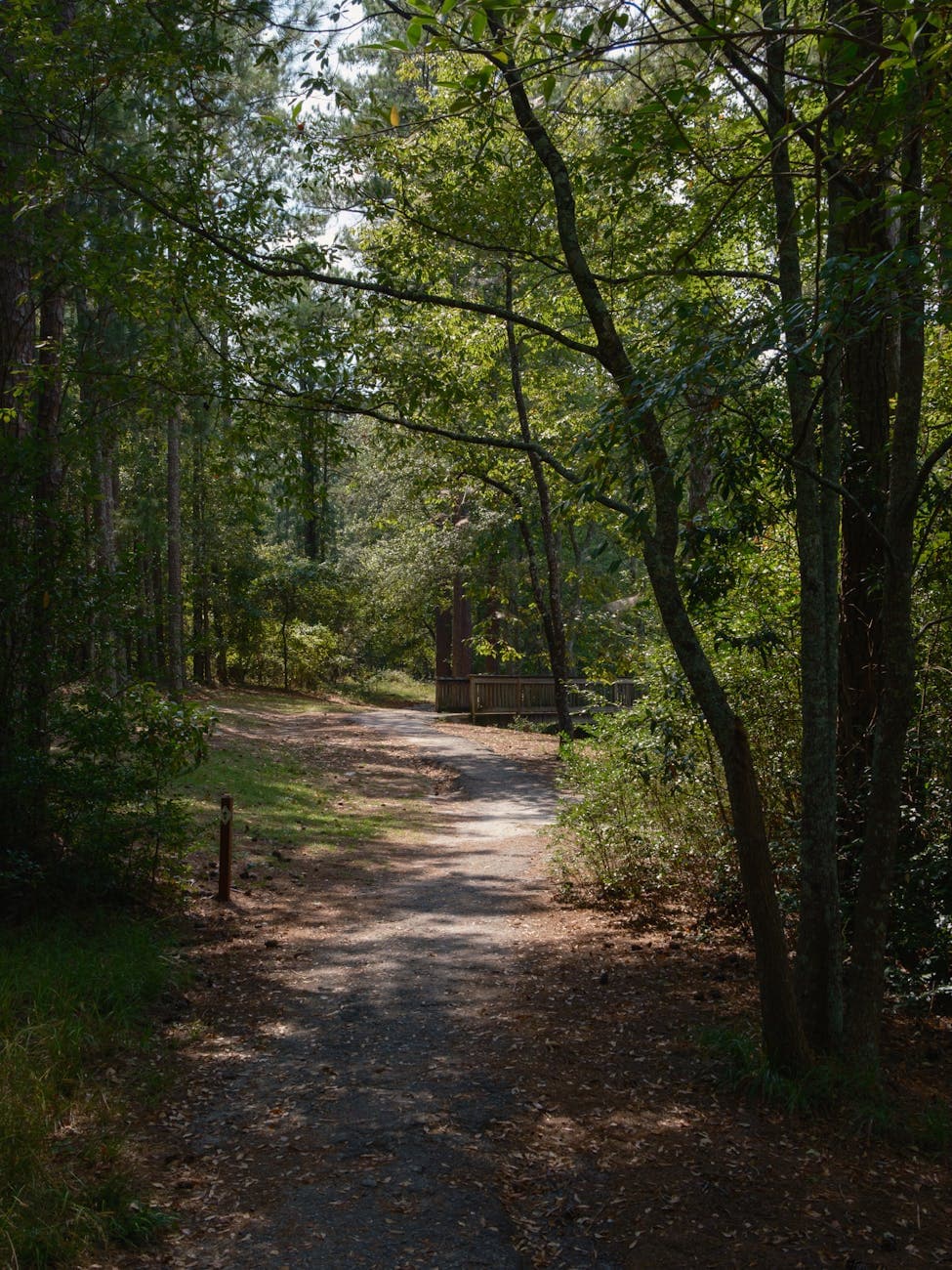
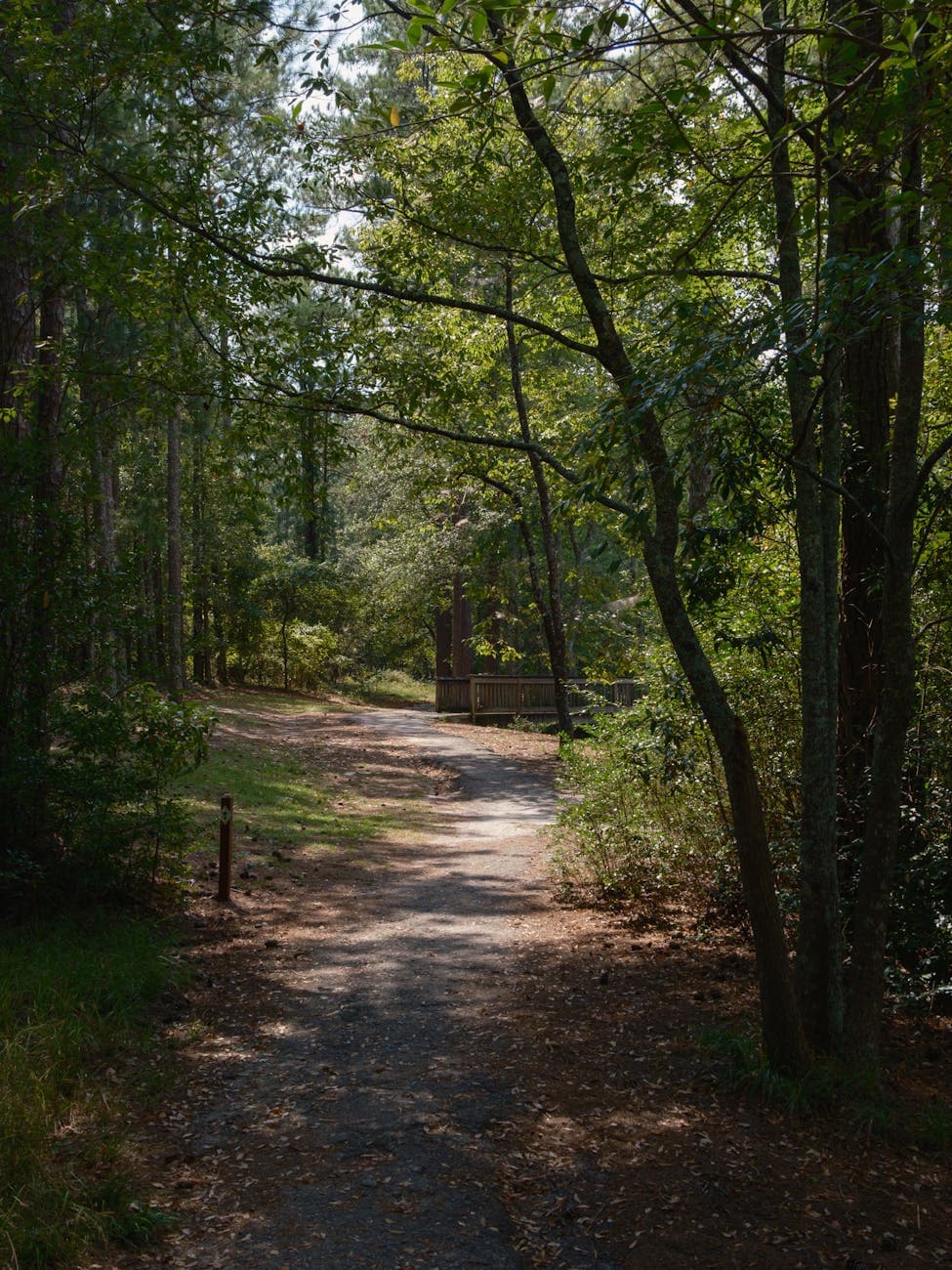
Arrive early and you'll likely have the tabby ruins and prehistoric shell rings entirely to yourself, with only herons and the crunch of oyster shells underfoot for company. The trails aren't fully flat or paved, so take it slow and use the boardwalk sections overlooking the salt marsh as natural rest points. This is a place that rewards patience — let the moss-draped oaks and haunting outbuildings work on you rather than rushing between photo spots.

After the marsh's stillness, Edisto's beach opens things up — wide, flat sand, the rhythmic hush of waves, and the salt-and-sea-grass smell of low tide. This is the day's easiest walking, with frequent benches near the state park pier and plenty of spots to simply sit and watch the shorebirds work the tideline. A relaxed lunch break fits naturally into the middle of this stretch.

The morning belongs to Botany Bay's quiet, almost otherworldly stillness — tabby ruins, ancient oaks, and shell-strewn paths that feel untouched by time. Go slowly here; the uneven ground asks for patience, and the reward is a kind of solitude that's increasingly rare.
The shift to Edisto's open beach is a welcome change of texture — sand underfoot instead of shell, wide horizon instead of dense canopy. This is the easiest walking of the day, with benches near the pier for resting and watching the tide do its slow work.
As the afternoon light lengthens, there's time for a final unhurried walk along the shoreline before the drive back — a good moment to simply sit, watch the shorebirds, and let the day's two very different landscapes settle in before dinner.
Day 3: Gullah Ground and Gentle Goodbyes
A quieter final day centered on Penn Center's cultural depth, with light walking (under 1.5 miles) and plenty of time to sit and absorb the history.
Morning light through the live oaks at Penn Center is soft and reverent, and arriving early means quiet, uncrowded time to walk the shell-lined paths past Darrah Hall and the Brick Baptist Church. This is the birthplace of African-American education in the South, and the campus carries that weight gently — most buildings are indoor and accessible, so the museum and archival spaces make an easy, unhurried cultural deep-dive. Take the full ninety minutes; this isn't a place to rush.

The final morning moves at its own quiet pace beneath Penn Center's oaks — a place built on resilience and education, and one that rewards a slow, attentive walk through its grounds and exhibits rather than a quick pass-through.
With the morning's cultural stop complete, the afternoon opens up for a relaxed lunch nearby and time to simply sit with what you've seen — there's no need to fill every hour on a departure day.
As the trip winds down, an early, easy dinner and a last quiet look at the marsh light fading over Saint Helena Island make for a fitting close to three days spent moving at the Lowcountry's own unhurried rhythm.
Want to tweak this trip?
Our AI planner can customize this itinerary to your exact dates, interests, and travel style.
Customize This ItineraryRestaurant details (hours, menus, availability) change frequently. Check current hours before visiting, especially in seasonal destinations.
Dietary compatibility tags are general guidance. If you have severe allergies, confirm directly with the restaurant.
Travel tips are general guidance, not professional safety advice. Check government advisories for latest information.
All prices are approximate and may vary seasonally.