Davis Mountains, Texas
4-Day Itinerary for Solo Traveler
“Star Fields & Frontier Silence: 4 Days Alone in the Davis Mountains”
Winter strips the Davis Mountains down to essentials — bare ridgelines, wood smoke curling from chimneys, and nights so black the Milky Way looks close enough to touch. This is a trip for solitude seekers: quiet trails, unhurried diners, and a sky that rewards patience.
At a Glance
Highlights
- Sunrise light on Fort Davis NHS's empty parade ground
- Volcanic ridgelines along the Davis Mountains Scenic Loop
- A telescope dome creaking open to reveal Saturn's rings
- Nature Trail overlooks with not another soul in sight
- Slow, communal dinners in a town that closes early
- Winter stargazing under some of North America's darkest skies
- Frontier history walked in near-total silence
Day-by-Day Plan
Day 1: Arrival & the Frontier's Quiet Pulse
A gentle orientation day walking the historic fort grounds and town center, roughly 2 miles on flat terrain with low physical exertion.
Arrive as the gate opens and the parade ground still holds the night's chill — frost sometimes silvers the grass in winter. Wander the restored barracks and Officers' Quarters where buffalo soldiers once stood watch, the adobe walls smelling faintly of sun and dust even in the cold. Solo travelers will appreciate the unhurried pace here; benches are frequent if you want to simply sit with the silence and the mountain backdrop.
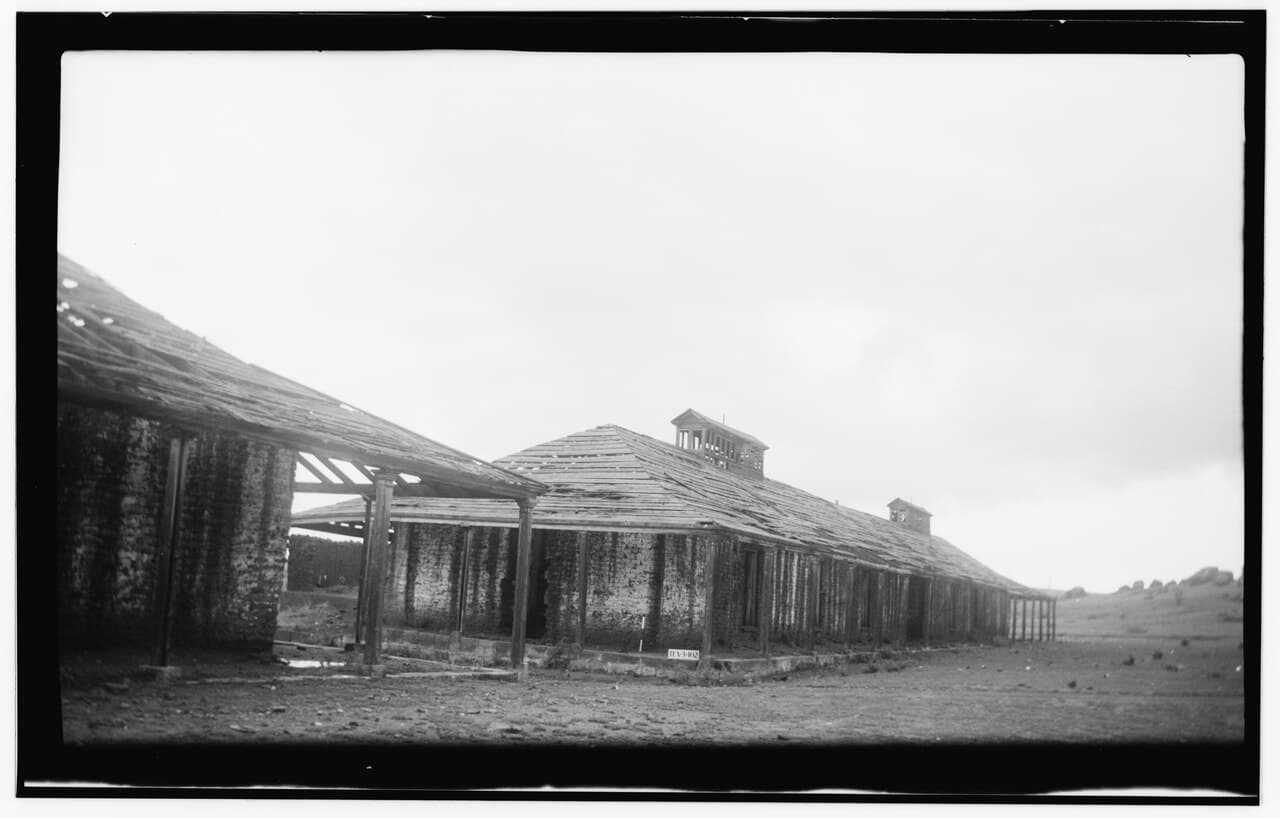
Spend a final half hour in the indoor museum exhibits — a good midday pivot if winter wind picks up outside. The barracks displays offer context on daily military life that rewards close, quiet reading, ideal for a solo pace.
The day begins gently, easing into the region's rhythm at Fort Davis NHS. Cold morning air carries the scent of pine and adobe as you walk the parade ground alone in the early hours, the fort's restored buildings standing sentinel against the mountains. This is history experienced at a walking pace, without crowds or urgency — ideal for settling travel-weary legs and a travel-weary mind.
After the fort, the afternoon opens up for wandering Fort Davis's compact town center on foot — no rush, no fixed agenda. This is a good window for picking up any last supplies, checking in at lodging, and simply acclimating to the elevation and the quiet.
Dinner in town happens early, in keeping with local rhythm — expect most kitchens to wind down by 7 or 8pm. Use the evening to rest and prepare for tomorrow's fuller day in the mountains; if skies are clear, step outside briefly to note how quickly the stars emerge here, a preview of what's ahead.
Day 2: Ridgelines & Raw Geology
A moderate-intensity day covering Davis Mountains SP trails and scenic overlooks, roughly 4-5 miles of uneven terrain with elevation change.
Arrive by 8am and the trailheads are yours alone — juniper-scented air, caliche crunching underfoot, and volcanic ridgelines catching low winter light. The Nature Trail's ridge vistas reward an early, quiet pace; by mid-morning the layered peaks are washed in full sun, ideal for photography. Solo hikers should stick to marked trails, as cell service disappears quickly once you're past the visitor center.

After lunch, ease into a slower rhythm along the 75-mile Scenic Loop — pull over often, let the silence settle, and watch rust-red rock faces shift color as the sun moves west. This drive is built for solo reflection, with frequent quiet pullouts perfect for unhurried photography and simply being still in a landscape that asks nothing of you.
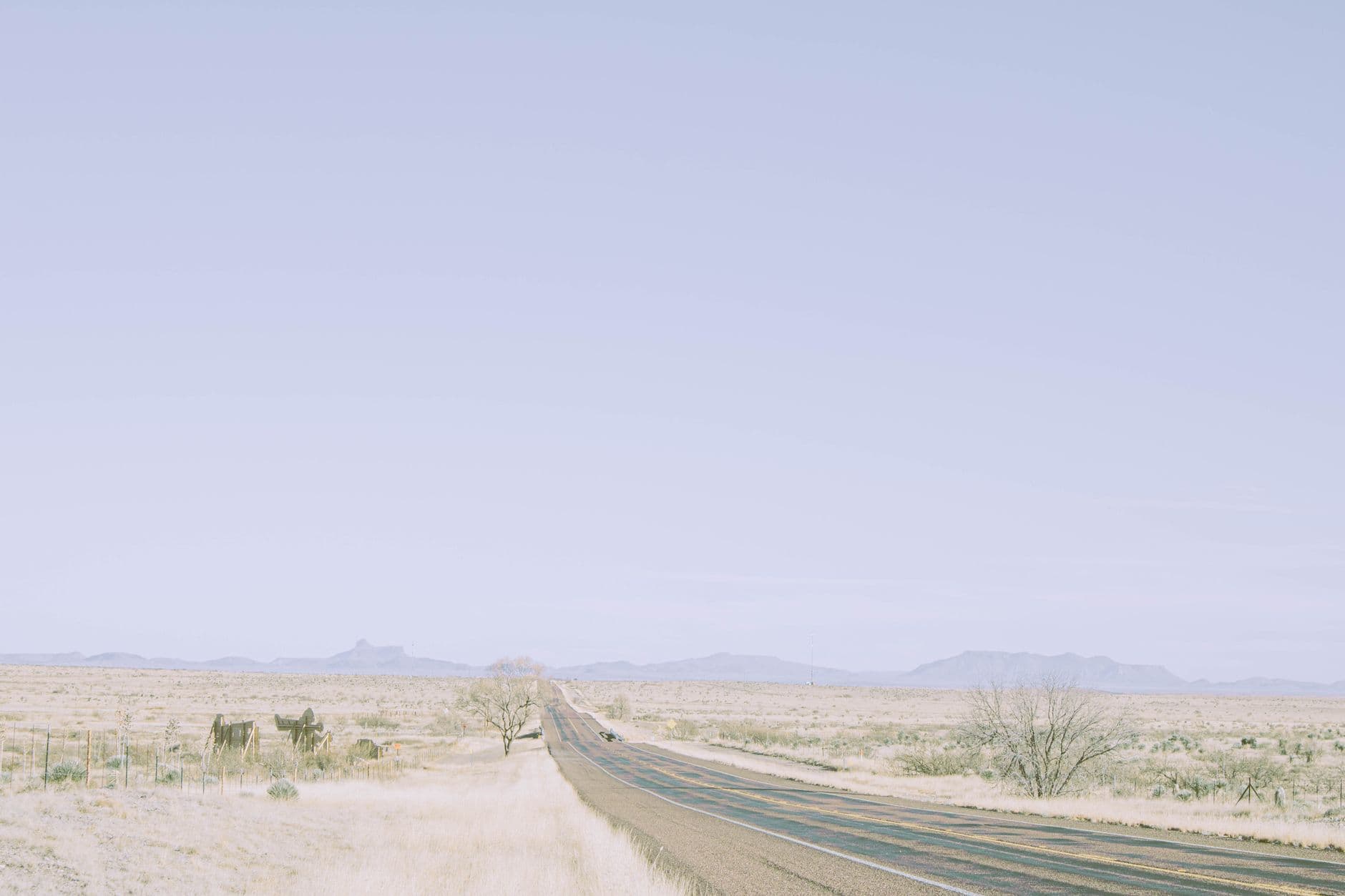
Morning belongs to Davis Mountains SP, where the trails are near-empty in the cold light and the volcanic ridgelines feel almost prehistoric in their stillness. The crunch of caliche and the tang of juniper mark every step; this is solo hiking at its best — self-paced, meditative, and utterly quiet.
The pace softens after lunch as the Scenic Loop takes over, trading trail effort for slow driving and frequent stops. Each pullout offers a new angle on the same dramatic geology, and the shifting afternoon light makes this a photographer's dream with essentially no other cars in sight on weekday afternoons.
Head back into town for an early dinner, legs pleasantly tired from the day's elevation. Local rhythm means an early close to the evening — a good night to rest before tomorrow's stargazing, since Star Party nights ask for alertness rather than exhaustion.
Day 3: Into the Cosmos
A lighter physical day (under 2 miles) centered on the observatory, building toward an evening Star Party under some of the darkest skies in the country.
Arrive at the visitor center around midday when daytime exhibits are liveliest but not yet crowded. Wander the indoor displays on the 107-inch Harlan J. Smith Telescope, then step outside where cool mountain air carries the faint hum of dome machinery being prepped for the night ahead. Solo travelers often strike up conversation here with fellow astronomy enthusiasts — it's a naturally social stop despite the solitude of the surrounding mountains.
This is the trip's centerpiece: an evening Star Party where the dome creaks open and the sky spills out in a way no city ever allows. Bundle up — cold settles fast once the sun drops — and let your eyes adjust slowly; the Milky Way emerges gradually, then all at once. Solo travelers find this one of the most naturally communal experiences of the trip, with quiet, shared awe among strangers under the eyepiece.
Ease into the day slowly — this is a lighter morning by design, leaving energy in reserve for the late night ahead. Consider sleeping in or taking a short, easy walk near your lodging before heading up the mountain.
The observatory's daytime exhibits offer a rich, unhurried midday visit, with the 107-inch telescope and displays on dark-sky science giving context to what you'll see after dark. It's a naturally social environment, and conversations with staff or fellow visitors come easily.
As dusk falls, bundle into every layer you packed and settle in for the Star Party — one of the trip's defining moments. The cold is real, but so is the payoff: a sky utterly unmarred by light pollution, best experienced patiently and without rush. Return to lodging content and quiet, the kind of tired that comes from awe rather than effort.
Day 4: Last Light on the Loop
A relaxed final day revisiting the Scenic Loop's quieter corners before departure, roughly 2-3 miles of easy walking.
Return to the loop one last time in the cool, quiet morning light — arrive by 8am and the pullouts are empty, the ridges wrapped in that particular winter clarity that makes distant peaks look close enough to touch. This is a fitting last stop for a solo traveler: unhurried, reflective, no agenda beyond watching the light change over the mountains you've come to know over the past three days.
The final morning is unhurried by design — one last pass along the Scenic Loop, windows down despite the cold, letting the mountains have the last word. This is less about checking off a stop and more about sitting with the quiet you've been chasing all trip.
Use the early afternoon for the practical business of departure: fueling up, grabbing a light lunch in town, and beginning the multi-hour drive back toward El Paso or Midland. The drive itself, through open West Texas plains, offers a long, contemplative wind-down from the mountains.
Depending on flight timing, evening may be spent on the road or at the departure airport — a natural close to a trip built on solitude, dark skies, and the particular stillness of a winter in the Davis Mountains.
Want to tweak this trip?
Our AI planner can customize this itinerary to your exact dates, interests, and travel style.
Customize This ItineraryRestaurant details (hours, menus, availability) change frequently, especially in this small, seasonally paced region. Check current hours before visiting.
Dietary compatibility tags are general guidance. If you have severe allergies, confirm directly with the restaurant.
Travel tips are general guidance, not professional safety advice. Check government advisories and local park conditions before your trip.
All prices are approximate and may vary seasonally.