Eastern Shore (Northampton, Accomack), Virginia
3-Day Itinerary for Couples
“Marsh Light & Wild Tides: 3 Days on Virginia's Eastern Shore”
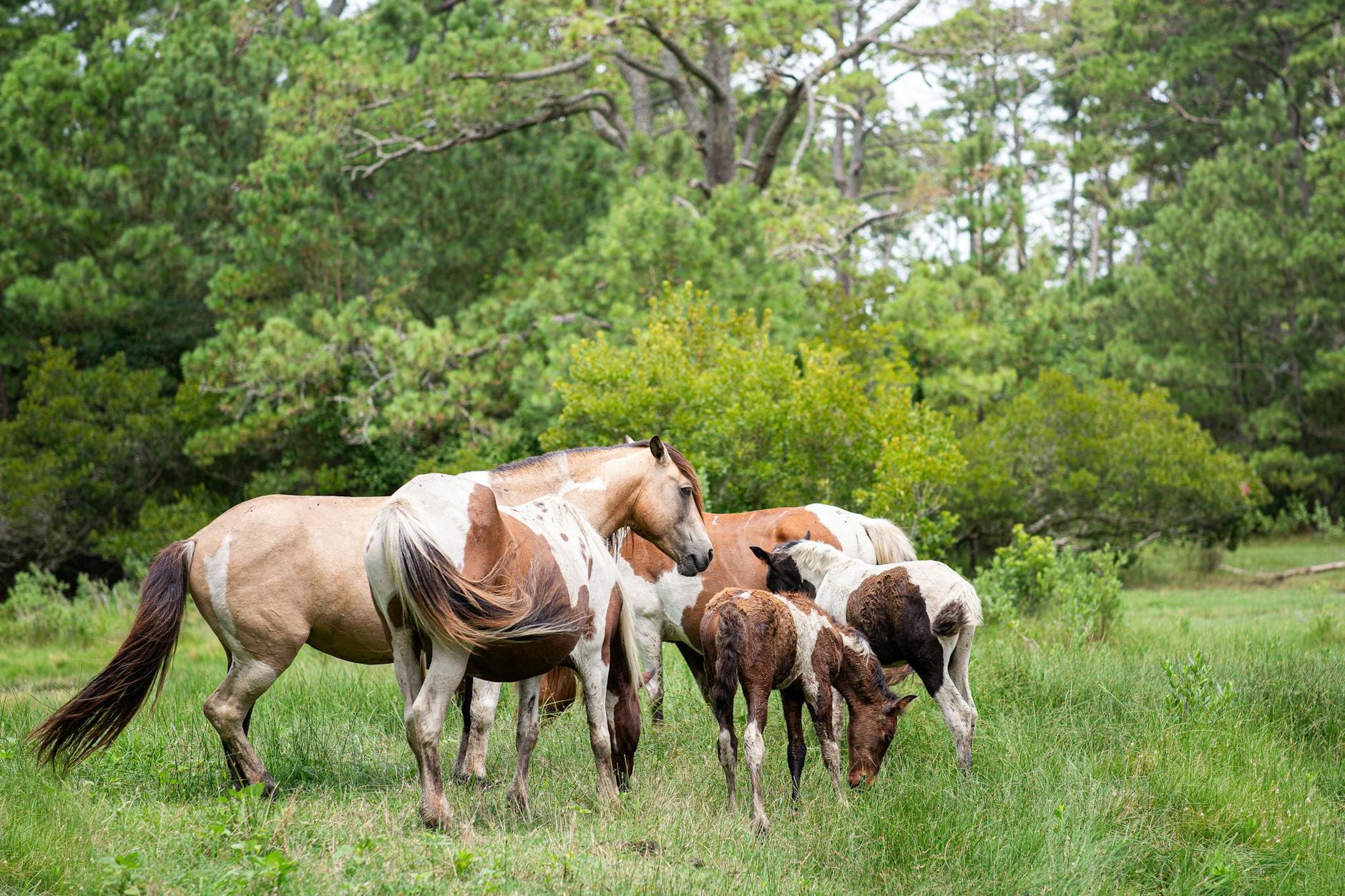
Salt marsh unfurls gold at dawn while wild ponies graze knee-deep in tidal grass, and the only sound is wind combing through cordgrass and the far-off cry of an osprey. This is a slow, sun-warmed peninsula where couples trade schedules for tides and sunsets for dinner reservations.
At a Glance
Highlights
- Watch wild ponies emerge from morning fog on Chincoteague NWR's Wildlife Loop
- Walk barefoot on Assateague's untouched Atlantic shoreline at sunrise
- Take the mailboat to timeless, car-free Tangier Island
- Golden-hour photography over dune grass and lighthouse silhouettes
- Fresh-caught crab and oyster dinners with water views
- Quiet, uncrowded early mornings before summer crowds arrive
Day-by-Day Plan
Day 1: Arrival & the Ponies at First Light
A gentle arrival day centered on Chincoteague's wildlife refuge, with roughly 2 miles of easy, flat walking and moderate energy output.
Arrive as the gate opens and the marsh is still hazy with dawn mist — this is when the wild ponies are most active, wading through freshwater pools with egrets picking along the banks nearby. The Wildlife Loop Drive is flat, quiet, and nearly empty this early; by 9am, tour vans and cyclists fill the same road. Bring binoculars if you have them, and let the pace be unhurried — this is the kind of place best absorbed slowly, hand in hand.
The day begins gently, with the refuge gates opening to a marsh still hushed by dawn. Wild ponies move through the shallows, indifferent to the couple standing quietly at the overlook, and the golden light slants low across the cordgrass. This is a soft landing after travel — no rush, no itinerary pressure, just salt air and slow footsteps along flat boardwalks.
By midday, heat builds and the refuge crowds thicken, so the afternoon eases into rest — a slow lunch, a walk into town to get oriented, or simply time on a porch with a cold drink. Let jet lag and travel fatigue settle; tomorrow asks for more energy.
As the light softens toward evening, settle into Chincoteague's unhurried dinner rhythm — waterfront tables, the smell of steamed crab drifting from open kitchens, and a slow sunset over the channel. There's no need to hurry a bite; this is a place that rewards lingering.
Day 2: Wild Horses & Empty Shoreline
A full day on Assateague's wilder shoreline with roughly 3 miles of soft-sand and boardwalk walking, moderate energy, best tackled with an early start.
Arrive at first light, when wild horses often graze right at the dune line and the beach is empty save for shorebird tracks in the sand. The Atlantic here feels rawer than Chincoteague's more manicured shoreline — bigger surf, wider horizon, no boardwalk vendors. Walk the shoreline together as the sun climbs, then rest under the dunes before the midday sun turns intense; this stretch of beach rewards patience and quiet more than any activity checklist.

After a long lunch break, return for a slower afternoon stretch — perhaps a walk out toward the lighthouse for a change of texture from beach to dune trail, or simply more shoreline time as the crowds (still modest compared to Chincoteague) settle into their own rhythm. The light turns harsher at midday, so shade breaks under dune scrub or a beach umbrella are worth building in.
Sunrise finds the couple alone on a stretch of sand still cool from the night, wild horses moving unhurried along the dune line as the sky turns from grey to rose. The Atlantic here has a wilder register than the calmer refuge waters from yesterday — bigger waves, wider silence. This is the kind of morning meant for slow walking and few words.
Midday heat pushes the pace down; a long lunch break gives the sun time to soften before returning to the island for a quieter afternoon stretch, perhaps trading beach time for a walk toward the lighthouse. The mood shifts from active exploration to easy, sun-drenched drifting.
As the heat breaks, head back toward Chincoteague for a splurge dinner — this is the trip's marquee meal, so linger over a good wine list and a view of the water. Let the day's sun and salt settle into contented tiredness before an early, easy night.
Day 3: Crossing to Tangier — A Living Museum on the Bay
A full-day excursion to Tangier Island by ferry with light walking (under 2 miles), low physical exertion but high sensory and cultural immersion.
The mailboat crossing itself is part of the experience — open bay water, gulls trailing the wake, and the mainland shrinking behind you. On arrival, Tangier feels suspended in an earlier decade: narrow lanes, golf carts instead of cars, and weathered docks where watermen still haul in crab pots much as their grandfathers did. Walk the waterfront slowly; conversation with locals, when it happens, tends to be unhurried and genuine.

Spend a long, easy lunch at Lorraine's Seafood, where the crab arrives about as fresh as it's possible to get — pulled from the surrounding waters that morning. The pace here is deliberately slow; there's no rushing a Tangier meal, and that's the point. Afterward, a short walk to the western shore offers quiet views back across the bay before the return crossing.
The ferry crossing opens the day with open water, salt wind, and the mainland receding behind — a fitting threshold into Tangier's slower world. On arrival, the island unfolds in narrow lanes and weathered docks, a place that feels less like a destination and more like stepping into someone else's unhurried memory.
Midday settles into a long, easy lunch at Lorraine's Seafood, crab as fresh as the morning's catch, followed by an unhurried walk toward the western shore where the bay stretches wide and quiet. There's little to do here but be present — which, after two active days, feels like exactly the right rhythm.
The return ferry carries the day's stillness back across the bay as the light turns amber, and dinner that evening — back on the mainland — feels like a gentle close to the trip: fresh, simple, and unhurried, much like the island left behind.
Want to tweak this trip?
Our AI planner can customize this itinerary to your exact dates, interests, and travel style.
Customize This ItineraryRestaurant details (hours, menus, availability) change frequently. Check current hours before visiting, especially in seasonal destinations.
Dietary compatibility tags are general guidance. If you have severe allergies, confirm directly with the restaurant.
Travel tips are general guidance, not professional safety advice. Check government advisories for latest information.
All prices are approximate and may vary seasonally.